

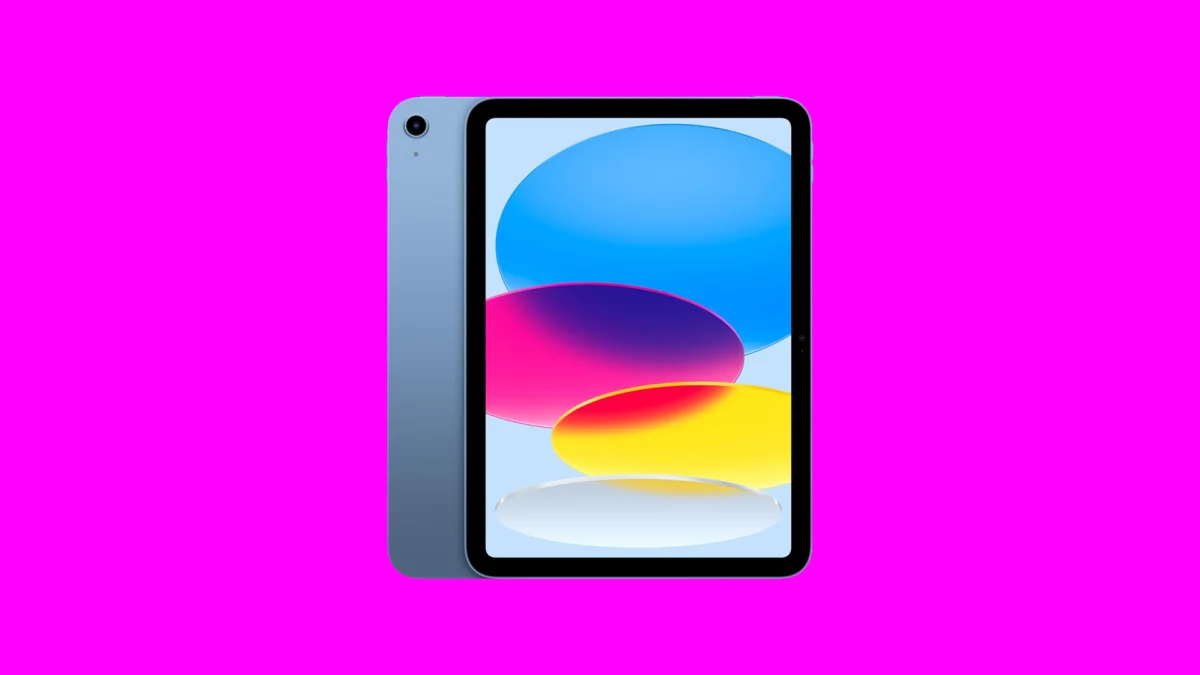
In the rapidly evolving landscape of tablet technology, where the "Pro" moniker often commands a premium that borders on the prohibitive, the entry-level iPad has carved out a distinct and vital niche. The 11th Generation iPad, powered by Apple’s robust A16 Bionic chip, stands as a testament to the philosophy that high-end performance does not always require a four-figure investment. As the current market experiences a fluctuation in pricing—most notably a recent dip to $299 on Amazon—it is an opportune moment to re-evaluate why this specific device remains the preferred digital sketchbook for students, illustrators, and casual designers alike.
Main Facts: The Intersection of Performance and Portability
For many creative professionals, the narrative surrounding the iPad Pro has become one of diminishing returns. While the M-series chips are undeniably powerful, they are frequently overkill for the majority of creative workflows, such as sketching in Procreate, light video editing, or managing complex design briefs on the go.
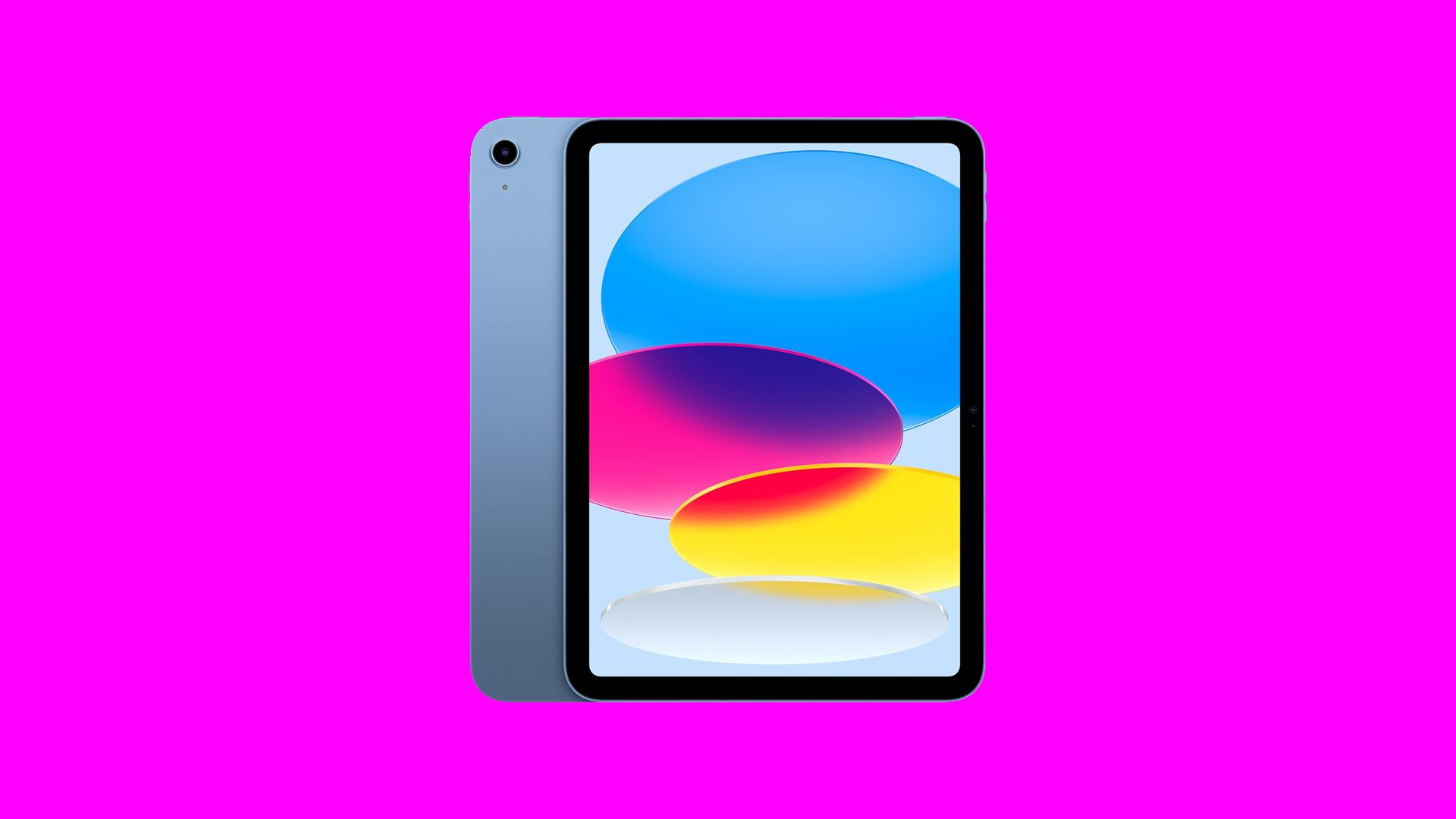
The 11th Gen iPad addresses this imbalance by providing a "Goldilocks" experience. The device is built around a vibrant 11-inch Liquid Retina display, which offers the color accuracy and clarity required for professional-grade digital art. Under the hood, the A16 Bionic chip—a processor that previously powered Apple’s flagship smartphone—ensures that the tablet handles heavy layering in Procreate with remarkable fluidity. For artists who prioritize portability over the raw, desktop-class power of the M4 chips found in the Pro series, this device is not merely an alternative; it is the superior choice.
Chronology: From Concept to Consumer Staple
The trajectory of the base-model iPad has been one of gradual, deliberate evolution. For years, the entry-level iPad served as the "gateway" device for the Apple ecosystem. However, recent generations have shifted that perception.
- Early Generations: The initial iterations were primarily consumption devices—tools for media playback and web browsing.
- The Creative Pivot: With the introduction of Apple Pencil support and improved display laminations, the baseline iPad began to gain traction within the digital art community.
- The A16 Integration: The move to the A16 architecture marked a significant turning point. By bringing the "Pro-level" mobile silicon into the standard iPad, Apple bridged the performance gap that previously existed between the standard user and the professional creative.
- Current Pricing Trends: While the iPad has seen various price fluctuations throughout its lifecycle, the recent stabilization of the 11th Gen model at the $299 price point on major retailers like Amazon underscores Apple’s intent to maintain a competitive foothold in the education and entry-level professional markets.
Supporting Data: Why the A16 Chip Still Matters
To understand why the 11th Gen iPad remains a powerhouse, one must look at the capabilities of the A16 Bionic chip. Originally debuted in the iPhone 14 Pro, the A16 is a 4nm processor that features a 6-core CPU and a 5-core GPU.
In real-world application, this translates to:
- Rendering Speed: For digital painters, the A16 allows for the rapid processing of high-resolution brushes and complex filters in apps like Procreate or Adobe Fresco.
- Multitasking Efficiency: The Neural Engine embedded in the A16 allows for background tasks—such as file syncing, cloud backups, and image processing—to occur without stuttering the user’s creative flow.
- Thermal Management: Unlike the fan-cooled architectures of higher-end laptops, the A16 is optimized for thermal efficiency, ensuring that the tablet remains cool to the touch even during intensive rendering sessions.
While this model hit a historical low of $274 in previous sales cycles, the current $299 price point offers a compelling value proposition. It represents a significant saving against the manufacturer’s suggested retail price, making it one of the most accessible entry points into the professional creative ecosystem.
Official Responses and Industry Sentiment
Apple has remained characteristically tight-lipped regarding specific hardware sales figures, yet the company’s focus on the "education and creativity" segment in their latest keynote addresses confirms the importance of this model. Industry analysts have noted that by positioning the 11th Gen iPad as an "affordable canvas," Apple is effectively insulating itself against the rise of low-cost Android tablets that have attempted to capture the mid-range market.
Critics often point to the lack of "Pro" features—such as ProMotion display technology or the latest connector standards—as a drawback. However, the prevailing sentiment among digital art educators and professional reviewers is that these omissions are negligible for the target demographic. For the student who needs to sketch, the freelancer who needs to annotate documents, and the hobbyist who wants to dip their toes into digital illustration, the 11th Gen iPad offers an optimized experience that minimizes distractions and maximizes output.
Implications: The Future of Mobile Creativity
The success of the 11th Gen iPad has profound implications for the future of mobile design. It signals a move away from the "bigger is better" mentality that dominated the industry in the late 2010s. Instead, we are entering an era of "specialized performance."
1. The Death of the "Overkill" Mentality
As software becomes more efficient, the need for top-tier hardware for every creative task is diminishing. Professional artists are increasingly opting for the 11th Gen iPad as a secondary, "sketchbook" device that complements their main workstation, rather than trying to force a tablet to replace their entire desktop setup.
2. Accessibility in the Arts
By keeping the price point accessible, Apple is ensuring that the barrier to entry for digital art remains low. This is critical for emerging artists who are building their portfolios. When a device costing less than $300 can perform 90% of the tasks of a $1,000 device, it effectively democratizes the tools of the trade.
3. The Ecosystem Lock-in
While the iPad is a fantastic standalone device, its real power lies in the Apple ecosystem. The seamless integration with the Apple Pencil (USB-C), iCloud synchronization, and the continuity features with MacBooks make the 11th Gen iPad a logical choice for those already invested in Apple hardware. This creates a cycle of loyalty that is difficult for competitors to disrupt.
Final Verdict: Is It Right for You?
If you are an illustrator, a design student, or someone looking to transition from traditional to digital media, the 11th Gen iPad is arguably the most sensible purchase you can make today. It strikes the perfect balance between power, portability, and price.
While it is tempting to look at the Pro models with their OLED displays and M-series chips, one must ask: are those features necessary for your daily workflow? For most, the answer is no. The 11th Gen iPad provides a responsive, vivid, and reliable canvas that does not get in the way of the creative process.
At $299, it represents a rare intersection of "budget-friendly" and "pro-capable." Whether you are sketching your next masterpiece on a train or editing a quick video at a coffee shop, this device proves that you don’t need the most expensive tool to be a great creator—you just need the right one.
For those interested in exploring the broader market, the current landscape of iPad deals remains fluid. As always, we recommend keeping an eye on authorized retailers for seasonal discounts. For the latest reviews on creative tech—from ergonomic office chairs to high-fidelity audio equipment—stay tuned to our ongoing coverage of the tools that power the professional creative community.









No comments yet. Be the first to join the conversation!