Nana
Nana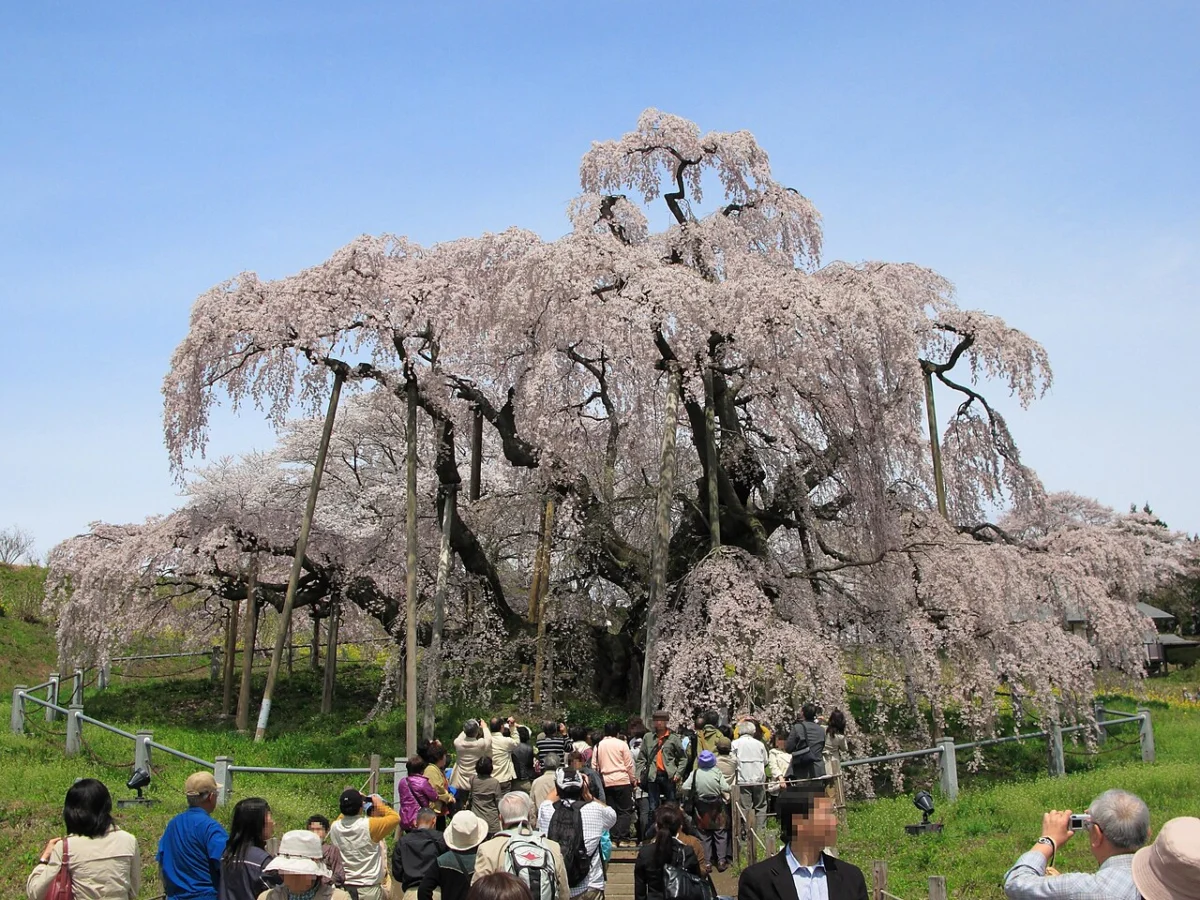
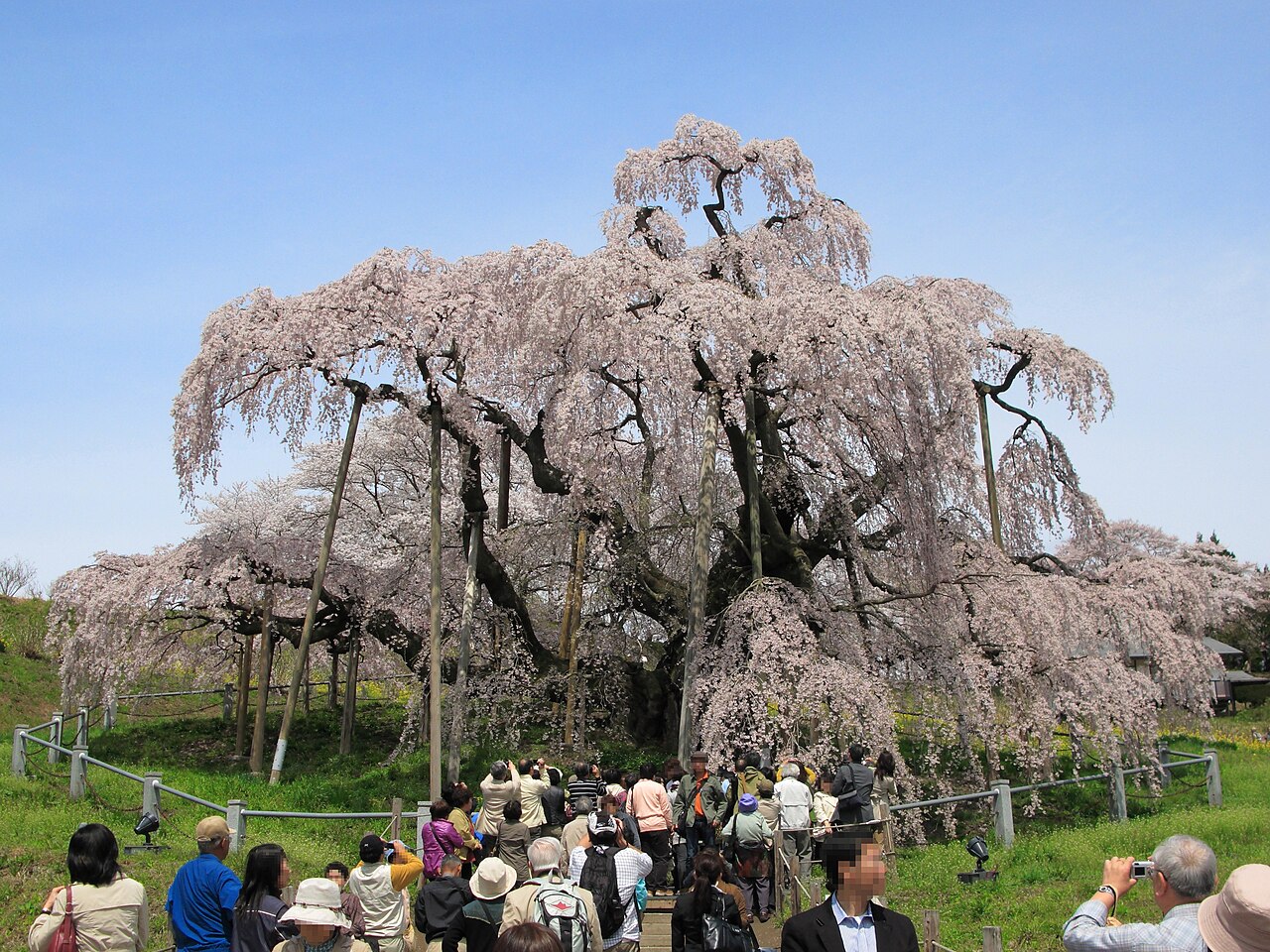
In the heart of Fukushima Prefecture, amidst the rolling hills of the Abukuma region, stands a living monument that defies the brevity of the cherry blossom season. The Miharu Takizakura—literally "Miharu’s Waterfall Cherry"—is not merely a tree; it is an epoch in wooden form. Standing over thirteen meters tall with a branch spread that rivals the dimensions of a tennis court, this beni-shidare (red weeping cherry) is a testament to resilience, capturing the imagination of nearly 200,000 pilgrims who make the journey to its hillside every April.
Main Facts: The Anatomy of a Legend
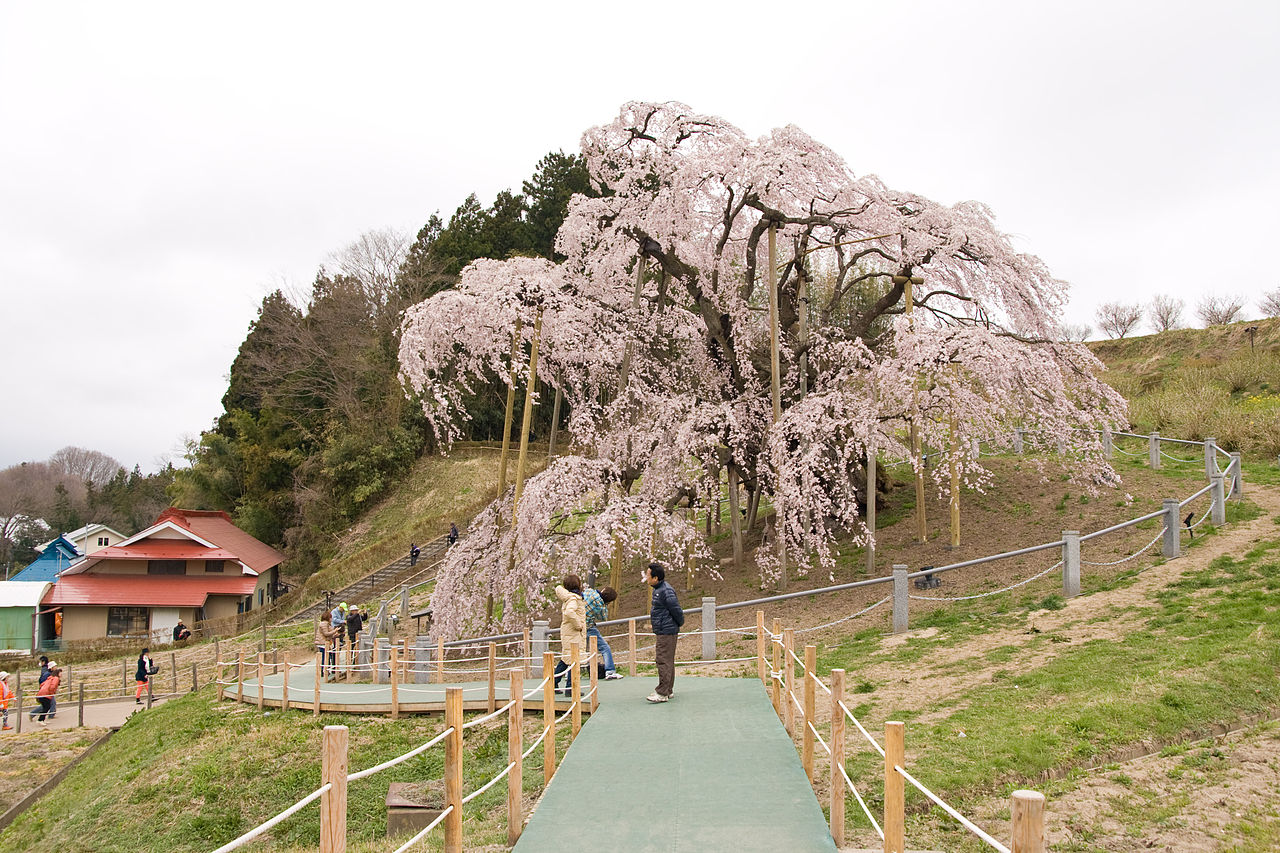
To stand beneath the Takizakura is to witness a botanical marvel that has persisted through forty human generations. Designated as a National Natural Monument in 1922—the first cherry tree in Japan to receive such an honor—the tree is a masterpiece of biology and history.
- Scientific Classification: Prunus pendula f. ascendens (Beni-shidare).
- Dimensions: A trunk circumference of 8.1 meters at chest height, with a root spread of 11.3 meters.
- Age: Estimated at over 1,000 years.
- Status: One of the "Three Great Cherry Trees of Japan" (Nihon Sandai Zakura), alongside the Usuzumi-zakura in Gifu and the Yamataka Jindai-zakura in Yamanashi.
Unlike the Somei-yoshino cherry trees that define the urban landscape of Tokyo—clones that typically live for a mere eighty years—the Takizakura is an heirloom cultivar grown from seed. Its survival is a result of natural selection and centuries of careful stewardship by the Miharu domain, which recognized the tree as an oya-boku (official tree) as early as the Edo period.
A Chronology of a Thousand Springs
The story of the Takizakura is written in its asymmetrical silhouette. While many trees grown in temple courtyards develop balanced, symmetrical crowns, the Takizakura’s shape is a map of its environmental history. Its branches extend 14.5 meters to the south but only 5.5 meters to the north, a direct response to a millennium of leaning into the sun and resisting the persistent winds of the Tohoku highlands.
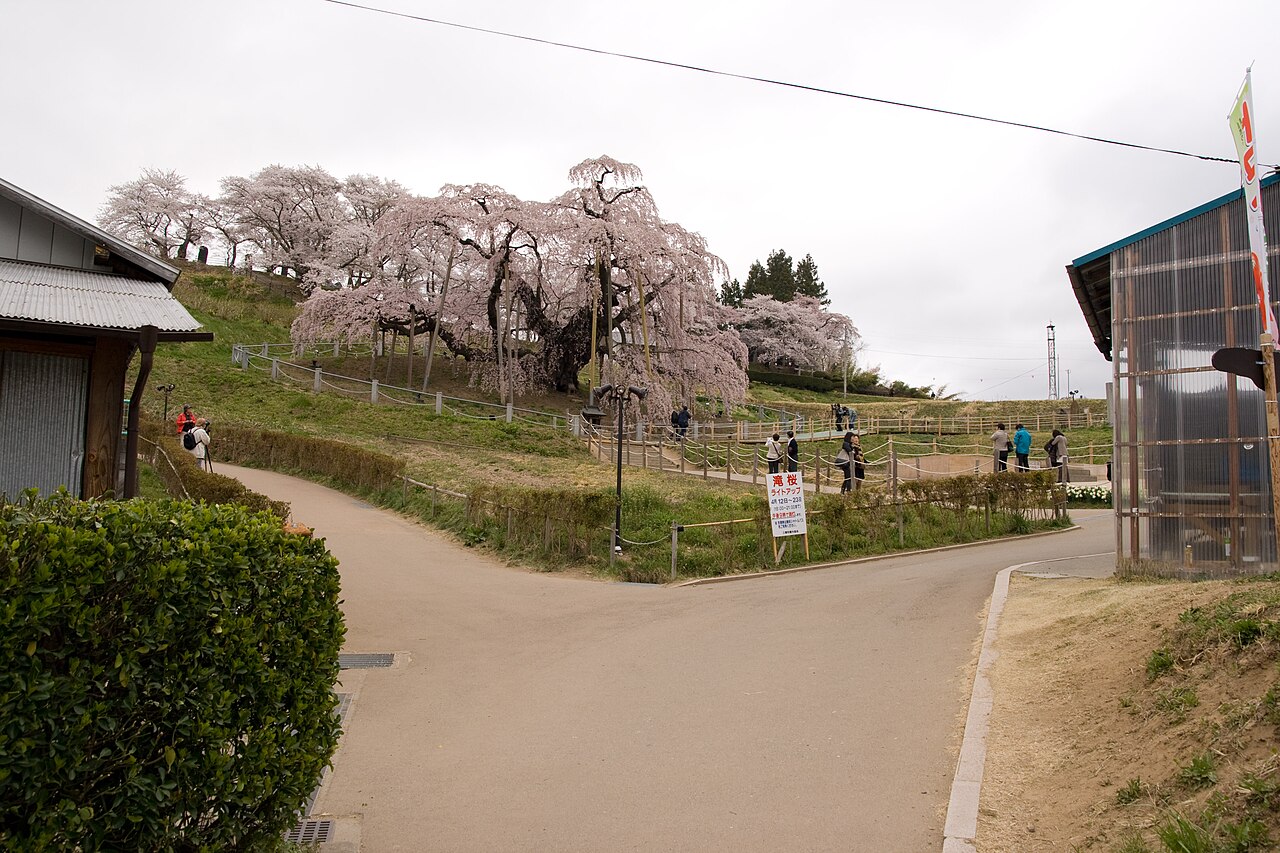
The tree’s fame was cemented in the national consciousness by the 19th-century poet Kamo no Suetaka, whose verses described its blossoms "reaching to every corner of Oshu." Since then, the tree has survived not just the changing political tides of the Shogunate and the Meiji Restoration, but also the tumultuous events of the 21st century. Following the 2011 Great East Japan Earthquake and the subsequent Fukushima Daiichi disaster, the tree became a potent symbol of recovery. Despite its proximity to the affected zones, the tree remained untouched by radiation, serving as a beacon of continuity for a prefecture struggling to redefine its image.
Supporting Data: The Logistics of the Bloom
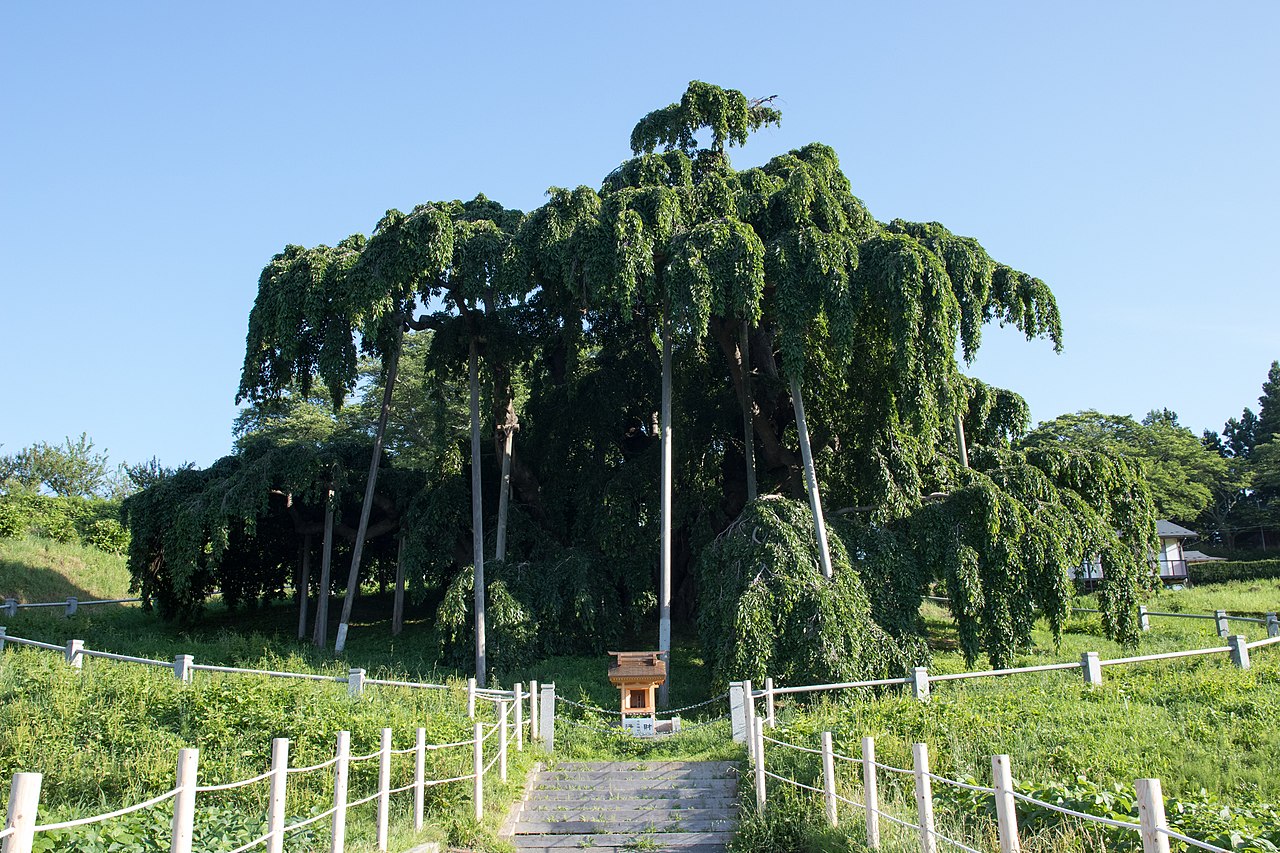
The Takizakura operates on its own schedule. Because it is a late-blooming variety, its peak (mankai) typically occurs in mid-to-late April, roughly two to three weeks after the cherry blossoms in Tokyo have withered.
The Timing Problem
For the prospective visitor, the "ten-day window" is the most critical variable. In a warm year, the tree might reach peak bloom by April 10; in a cold year, particularly if a late-spring frost occurs, the blossoms may hold until the end of the month.
- The Forecast: The Miharu Tourism Association maintains a real-time tracking system. Travelers are advised to monitor the status from tsubomi (bud) to saki-hajime (starting to bloom) before booking non-refundable transport.
- The Buffer: Those traveling from abroad should build a two-to-three-day buffer into their itinerary to account for the fickle nature of the Tohoku spring.
The Ground Experience
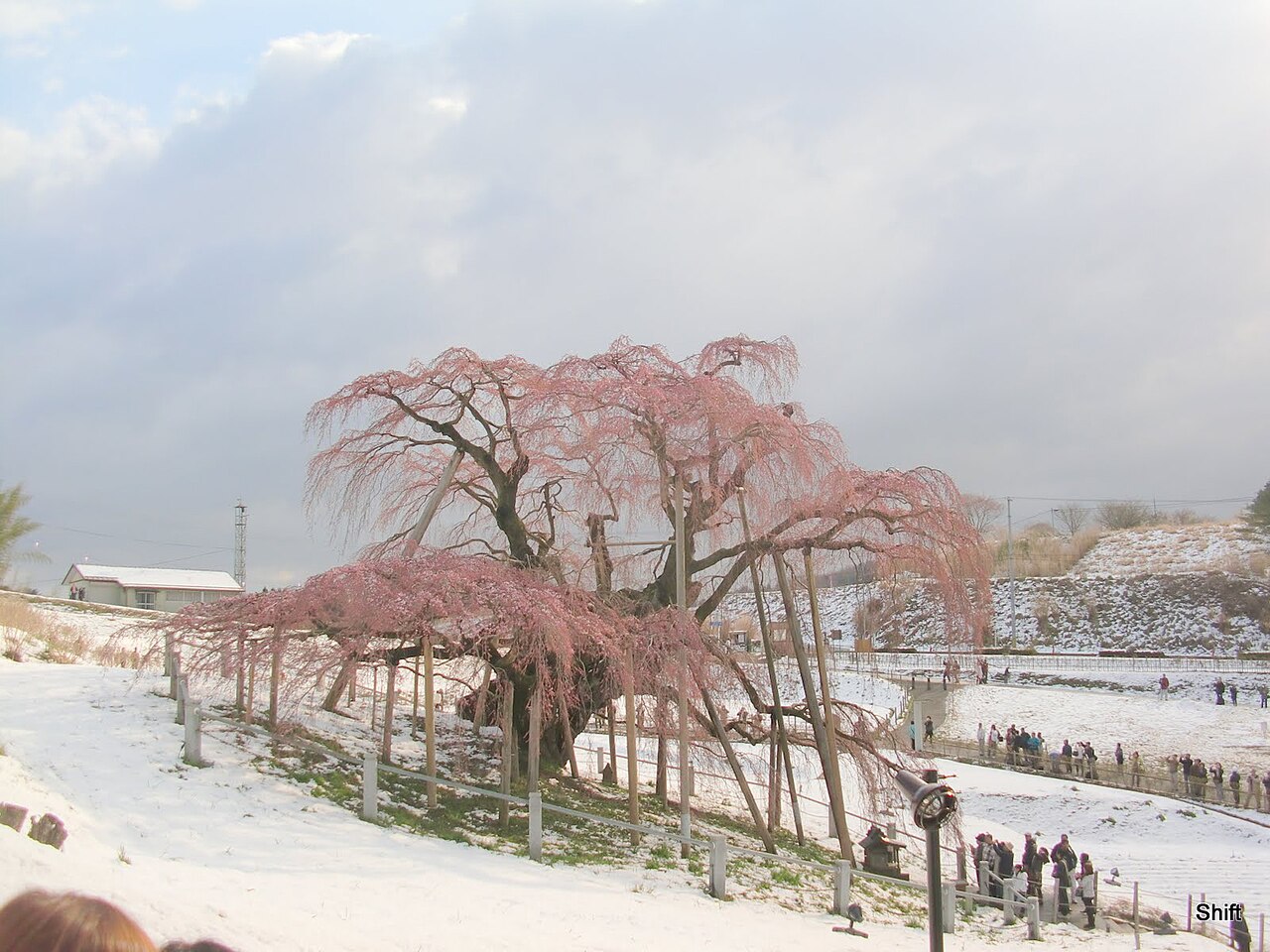
The site is managed as a high-traffic pilgrimage zone. During the peak week, the facility handles up to 20,000 visitors per day. The management has implemented a strict one-way flow: entry at the south, a clockwise loop around the base, and an exit to the north. This ensures that the root system—the tree’s most vulnerable component—remains protected from foot traffic, while visitors get a 360-degree view of the cascading pink "waterfall."
Official Responses and Conservation Efforts
The longevity of the Takizakura is no accident. Since the 1970s, the tree has been supported by a sophisticated array of wooden and metal props. These are not merely for aesthetics; they bear the weight of massive limbs that would otherwise collapse under their own gravity or the heavy, wet snows of a late Fukushima winter.
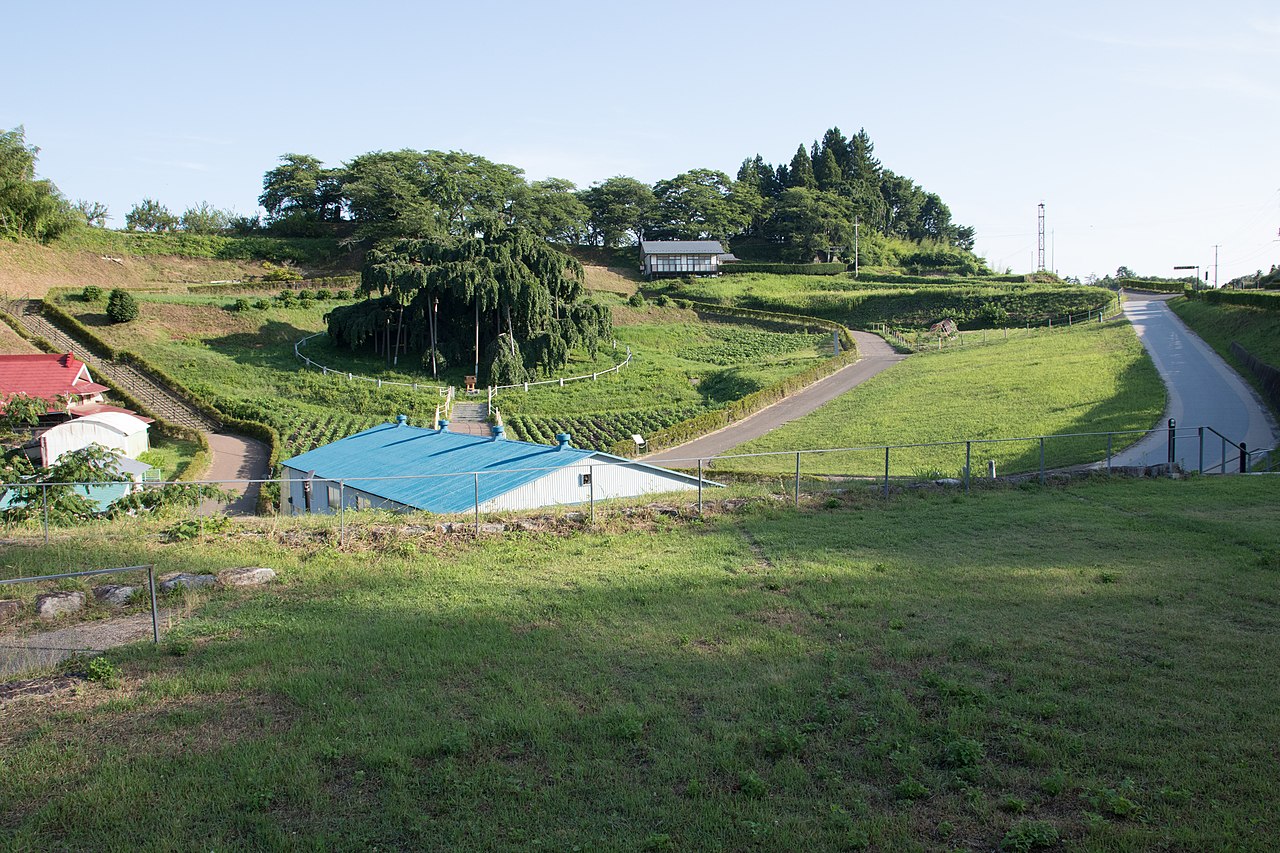
The Miharu local government treats the tree as the centerpiece of their regional identity. The "Sakura-Meguri" (cherry tour) map, produced annually, guides visitors to nearly forty other notable cherry trees across the town. By distributing the tourist load, the town aims to prevent the "over-tourism" of the main site while encouraging deeper exploration of Miharu’s rural heritage.
Furthermore, the environmental monitoring of the area is rigorous. Since 2011, the Fukushima prefectural government has conducted regular soil and air quality checks, which are shared with the public to ensure that the site remains an accessible, safe, and welcoming destination for both domestic and international tourists.
Implications: The Ethics of Flower Tourism
Visiting the Takizakura forces a traveler to confront the difference between "sightseeing" and "pilgrimage." Most tour buses provide only twenty-five minutes at the site—barely enough time to take a photograph. However, those who linger find that the tree changes with the light.
The Night Illumination
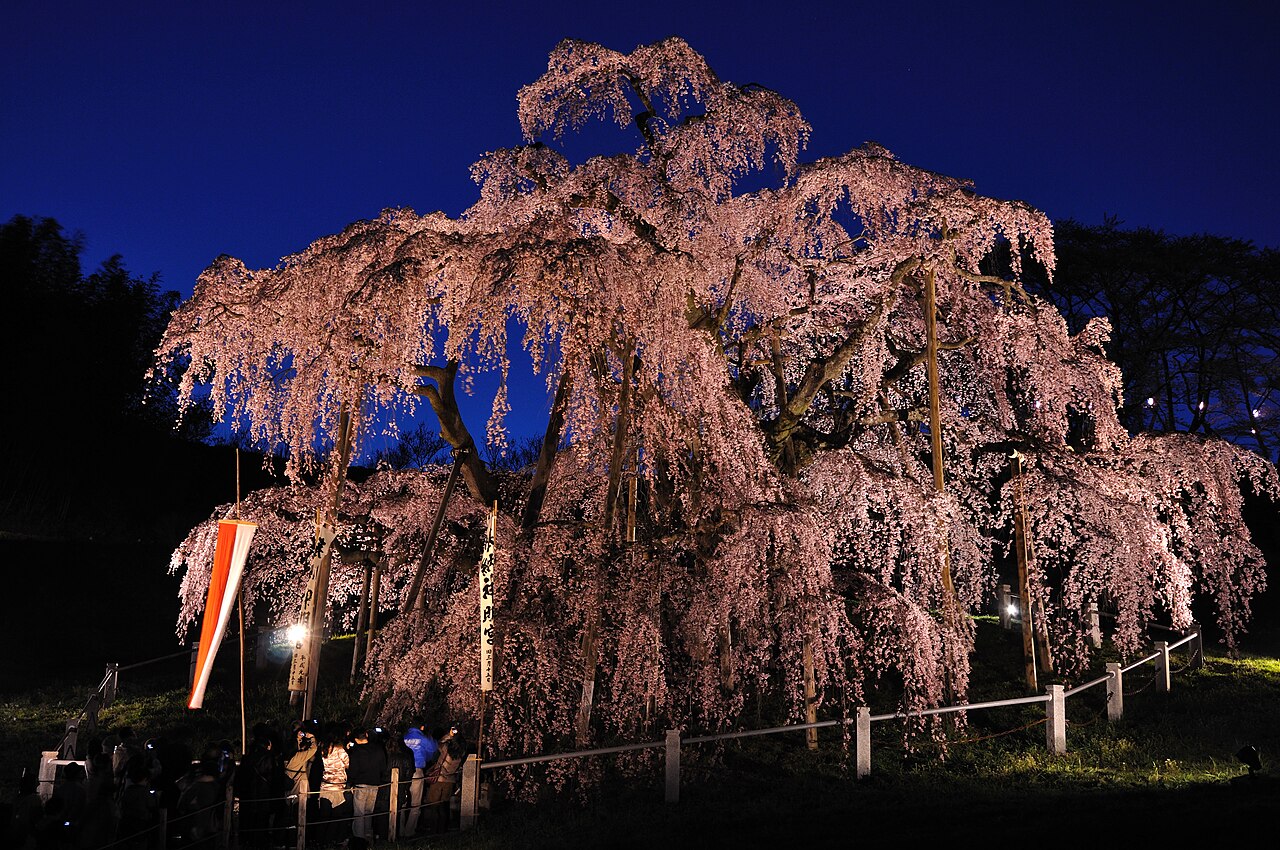
The night light-up, running from 18:00 to 21:00, is the definitive experience for the serious observer. By positioning warm-toned lights at ground level behind the trunk, the blossoms appear to glow with an inner fire, contrasting against the deep blue of the evening sky. Because the tour buses have departed by 17:00, the atmosphere shifts from a bustling queue to a hushed, contemplative space.
Beyond the Tree
The implications of visiting Miharu extend to supporting the local economy, which relies on the short, intense burst of the cherry season. Beyond the tree, the town offers:
- Takashiba Dekoyashiki: A village of artisans preserving the Miharu-goma (wooden horse) folk craft, a tradition dating back to the Edo period.
- Commutan Fukushima: An environmental education center that provides a sobering, vital look at the recovery efforts following the 2011 earthquake. It is essential reading for any traveler who wants to understand the context of the land they are visiting.
- Lake Sakura: A man-made reservoir that provides a quieter, scenic alternative to the main tree, showcasing how modern infrastructure can integrate with natural beauty.
Conclusion: Is It Worth the Journey?
The Miharu Takizakura is the gold standard of Japanese flower viewing. While there are thousands of cherry trees across the archipelago, few possess the "presence" of this millennial giant. If your schedule allows for a two-night stay in the nearby city of Koriyama, the trip is not only rewarding—it is transformative.
The Takizakura reminds us that while we are fleeting, nature—when given the space and protection to thrive—can endure for centuries. Whether you are a photographer seeking the perfect panorama, a historian interested in the survival of Edo-era cultivars, or simply a traveler looking for the heart of the Tohoku spring, the Waterfall Cherry is a destination that justifies the miles. It is not just a tree; it is a living history, waiting to be seen.


 Neng Nana
 Asro
Asro