

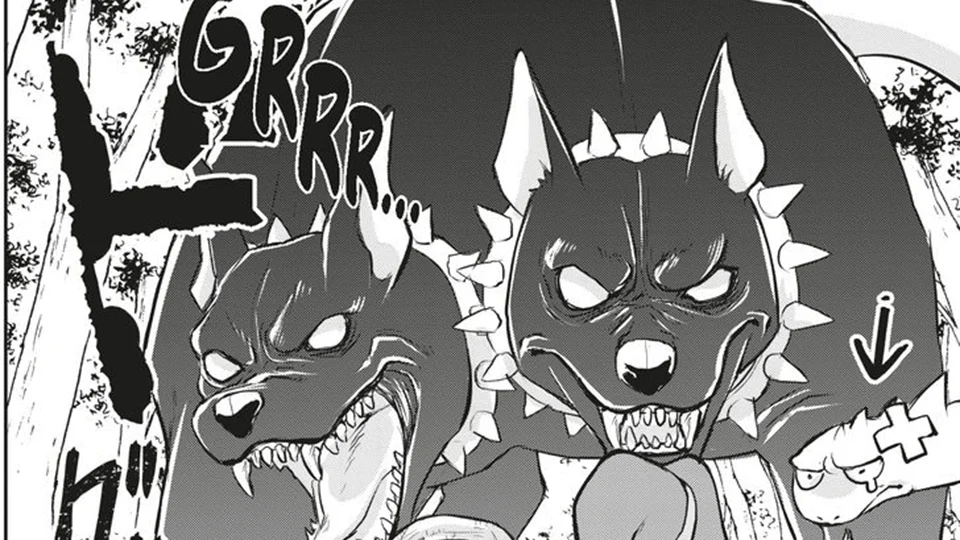
For years, the isekai genre—stories centered on characters reincarnated into parallel fantasy worlds—has been dominated by a specific set of tropes: the overpowered swordsman, the tactical strategist, or the reluctant hero burdened with a legendary destiny. Yet, as the genre begins to feel increasingly crowded, a new series is emerging to inject some high-decibel energy into the narrative. Kasuga Ryo’s Isekai Metaller, arriving in Western markets via Titan Manga this October, isn’t just another power fantasy; it is a riff-heavy, amplifier-cranked subversion of the genre that asks: what if, instead of conquering a world, you decided to rock it?
Main Facts: A New Rhythm for the Fantasy Genre
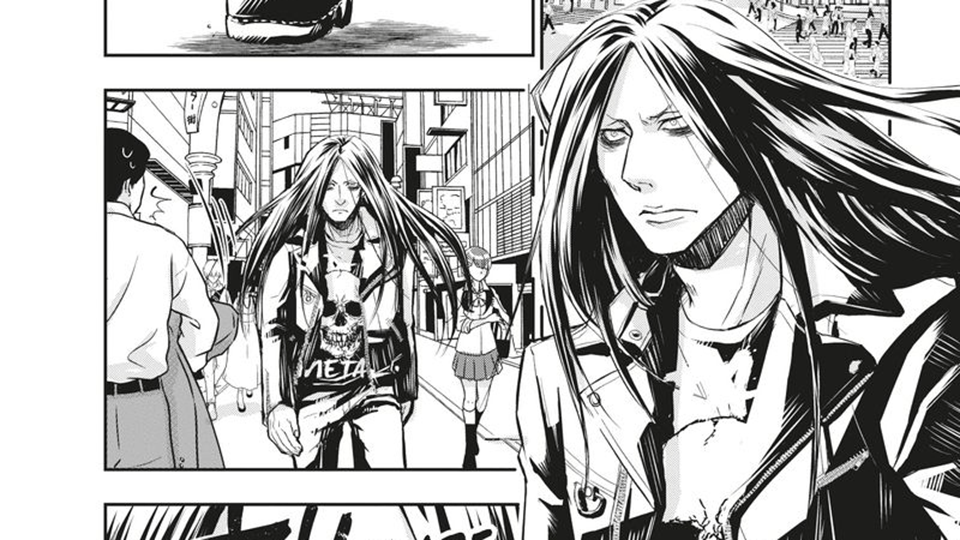
Isekai Metaller follows the journey of Alexi, a dedicated metalhead whose life in modern Japan is defined by his struggle to find an audience for his music. Unlike the typical high-achieving protagonist, Alexi is a social outcast who uses the raw, cathartic power of heavy metal to bridge the gap between his shy exterior and his internal passion.
The inciting incident is as ironic as it is thematic: during a climactic concert, Alexi suffers a fatal electrocution. Rather than facing a final curtain call, he is transported to a high-fantasy realm teeming with magic, demons, and class-based hierarchies. However, he doesn’t arrive empty-handed. Transmuted by the nature of his death, Alexi possesses legendary lightning-based powers that mirror the intensity of his music. Armed with a Flying V guitar and a philosophy centered on empathy rather than conquest, Alexi begins his quest to reshape a brutal society through the universal language of sound.

Chronology: From the Stage to the Demon Realm
The narrative structure of Isekai Metaller follows a distinct path that departs from standard "Level Up" progression systems.
- The Origin (The Modern Era): The prologue introduces us to Alexi’s struggle. As a musician who believes in the transformative power of art, he faces constant pushback from his bandmates and peers who misunderstand his intensity. This period establishes his core motivation: the desire to be heard.
- The Transmigration: The moment of death acts as a bridge. Upon waking in the fantasy world, Alexi experiences a total sensory shift. The world is initially hostile, governed by a rigid hierarchy that treats lower-level adventurers as disposable assets.
- The Formation of the Party: Recognizing the inherent cruelty of this world, Alexi begins to assemble a motley crew. His party includes a mage, a wolfman warrior, and an orphaned thief—all individuals marginalized by the status quo.
- The Clash of Ideologies: As the story progresses, Alexi encounters a rival: a reincarnated warrior who represents the polished, commercialized side of the music industry—the "glam rocker." This arc serves as the central conflict of the first volume, shifting the narrative from a simple "hero’s journey" to a debate on artistic integrity and personal expression.
- The Long Game: Looking ahead, the story pivots toward the ultimate antagonist: the Demon King. In a twist that keeps the series fresh, Alexi’s objective is not to slay the Demon King but to facilitate a reconciliation—a "jam session" that could potentially end the war between humans and demons.
Supporting Data: Why "Metal" Works in Fantasy
While the premise may sound like a gimmick, Isekai Metaller thrives on the technical parallels between heavy metal culture and fantasy tropes. By mapping musical theory onto magical combat, Ryo creates a unique power system.
- Thunder Magic as Sonic Force: In the context of the series, Alexi’s lightning powers function similarly to an amplified guitar rig. His combat style is described as an "upcasted Thunder Wave," a nod to Dungeons & Dragons, which grounds the manga in the broader subculture of tabletop gaming and fantasy fandom.
- The Power Level Paradox: The "Level 999" trope is a staple of modern isekai, but here, it is utilized as a critique of the genre’s own obsession with power. By making the protagonist effectively invincible, Ryo forces the reader to focus on his philosophy rather than his ability to win a fight.
- The Cultural Commentary: The series serves as a meta-commentary on how society treats "fringe" subcultures. Just as metal is often dismissed by mainstream music critics, Alexi is dismissed by the fantasy world’s aristocracy. His success in the world acts as a metaphor for the validation of alternative lifestyles.
Official Responses and Industry Outlook
The anticipation surrounding the release of Isekai Metaller has been palpable within the manga community. Titan Manga, known for its curated selection of high-quality genre fiction, has positioned this title as a flagship release for the fall season.

According to early editorial reviews, the series has been praised for its refusal to take itself too seriously while maintaining a genuine emotional core. Critics have noted that while the visual gags—such as Alexi viewing monstrous beasts as potential heavy metal album covers—are humorous, the character development is surprisingly sincere.
"It is rare to see a title that balances the absurdity of a guitar-wielding hero with a genuine message about self-worth," says industry analyst and critic Kara Dennison. "By focusing on the idea that music is about the listener’s connection to their inner voice, rather than just the genre itself, the series transcends the ‘isekai’ label."
Implications: The Future of the Genre
What does Isekai Metaller mean for the future of the genre? We are currently seeing a "saturation point" in the isekai market. With thousands of titles available, readers are gravitating toward works that deconstruct, parody, or fundamentally alter the established rules.
1. The Death of the "Generic Protagonist"
For years, the "everyman" protagonist was the standard. Isekai Metaller proves that readers are more interested in characters with specific, niche passions. Whether it’s baking, farming, or—in this case—shredding a guitar solo, the "hobby-based" isekai is here to stay.
2. A Shift in Conflict Resolution
The most radical implication of this series is its stance on the "Big Bad." By setting up a final goal of musical diplomacy with the Demon King, the series challenges the binary "Good vs. Evil" morality that has defined fantasy for decades. It suggests that the "villains" of the world might simply be entities that have never been listened to, offering a more empathetic resolution to conflict.
3. The Crossover Potential
The aesthetic of the manga—blending high-fantasy armor with leather, studs, and band-tee sensibilities—creates a distinct visual identity that is highly marketable. We can expect to see an uptick in "genre-mashup" manga that integrate music, fashion, and history into the traditional fantasy framework.
Conclusion: Turning the Volume Up
Isekai Metaller is a refreshing entry into a landscape that desperately needs new ideas. By grounding its fantasy elements in the gritty, authentic subculture of heavy metal, it manages to be both a love letter to the music and a thoughtful exploration of what it means to be an outsider.
Whether you are a veteran of the isekai genre looking for something that breaks the mold, or simply a fan of high-octane fantasy action, Alexi’s journey is one to watch. The series reminds us that the world can be a cold, rigid place, but sometimes, all it takes is a little bit of noise to wake it up.
As we await the official launch on October 14, one thing is certain: the fantasy world is about to get a lot louder. For those who have grown tired of the same old sword-and-sorcery tropes, Isekai Metaller offers a front-row seat to a revolution—one power chord at a time.












No comments yet. Be the first to join the conversation!