

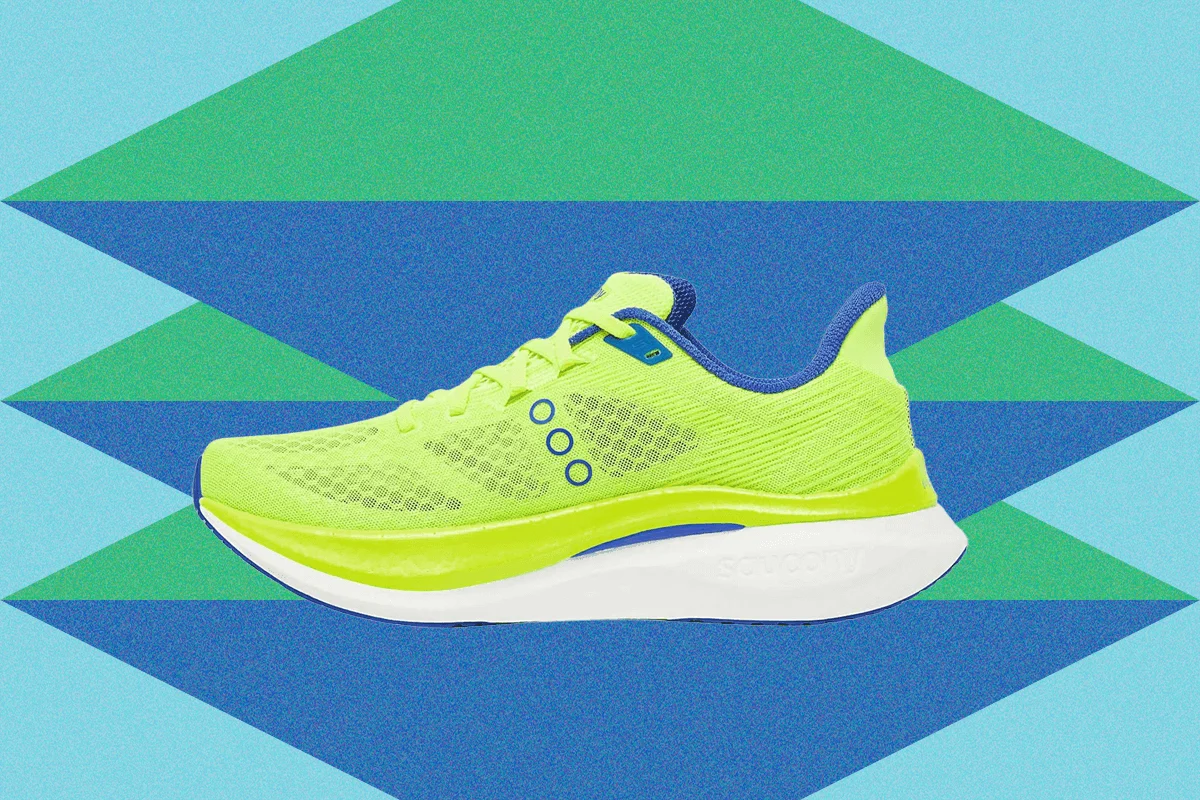
For the dedicated runner, the search for the perfect shoe is less of a shopping trip and more of a scientific endeavor. With the WIRED testing team collectively logging hundreds of miles annually across varied terrains and conditions, we understand that "the best" shoe is a subjective designation. While our primary roundups often highlight the industry’s flagship performers, there is a deep bench of alternative options that deserve attention—especially when your specific foot anatomy or gait profile demands something different.
If the high-profile models haven’t provided the fit or feel you require, this curated list of honorable mentions offers a roadmap for your next purchase. However, a word of caution from our experts: if you are unfamiliar with a specific brand or are transitioning to a new geometry, we strongly recommend visiting a local specialty running store for a professional gait analysis and a test run before committing your budget.
The Strategic Selection: Evaluating Alternative Performers
The running shoe market is currently experiencing a renaissance of foam technology. Brands are moving away from one-size-fits-all designs toward specialized architectures meant to serve specific biomechanical needs. Below, we break down our top honorable mentions based on performance, versatility, and intent.
The All-Rounders: Versatility for Every Pace
For those who prefer a reliable, do-it-all workhorse that doesn’t necessarily rely on experimental geometry to get the job done, the Diadora Nucleo 2 ($165) is a standout. It avoids the "wow factor" of high-stack, super-springy racers, choosing instead to provide a straightforward, no-nonsense experience. It offers inherent stability that feels consistent regardless of whether you are pushing a threshold pace or settling into a recovery jog.
If you are looking for something more aggressive, the New Balance Rebel V5 ($145) has cemented itself as a contender that rivals the industry’s top-tier speed trainers. It is exceptionally smooth and lightweight, maintaining its composure across a vast range of paces. Similarly, the Adidas EVO SL ($105) offers a high-performance alternative to more expensive market staples. It is remarkably capable, handling everything from interval training to long, slow distance runs with ease. For those seeking a plush, cushioned ride with a surprising amount of "pop," the Kiprun Kipride Max ($160) is a formidable contender that punches well above its weight class.
The Hybrid Athlete: Performance in and out of the Gym
The rise of hybrid training—combining strength work, HIIT, and running—has created a demand for shoes that can handle more than just linear motion. The Rad R1 ($130) was designed specifically for this demographic. While most running shoes are built for forward momentum, the R1 excels when you’re under the bar for squats or performing lateral movements like lunges. It provides enough stability for gym-based strength and conditioning while remaining soft enough for short treadmill efforts. It is a rare example of a shoe that prioritizes aesthetic appeal without sacrificing functional integrity.
Stability and Comfort: The Supportive Alternatives
For runners who require additional guidance or who simply prefer a more structured platform, our testing team often pivots toward the Brooks Glycerin 23 GTS ($180). As utilized by our own editorial team, this model is a masterclass in stability, providing a locked-in, secure feel that doesn’t compromise on the plush cushioning Brooks is known for. Another excellent option for those with specific alignment needs is the Saucony Hurricane 25 ($135), which offers a refined, supportive ride that has stood the test of time.
The Beginner’s Benchmark
Entering the world of running can be intimidating, particularly when faced with the overwhelming variety of specialized footwear. For the novice runner, we frequently point toward the HOKA Clifton 9 ($164). Despite the brand’s reputation for massive stack heights, the Clifton 9 is a masterfully balanced, lightweight, and unintimidating shoe. It provides the essential cushioning a new runner needs to protect their joints as they build their aerobic base, making it an ideal entry point into the sport.
Chronology of Footwear Evolution
To understand why these shoes perform the way they do, one must look at the last decade of footwear evolution.

- 2014–2017: The EVA Era. The market was dominated by traditional Ethylene-Vinyl Acetate (EVA) foams. They were reliable but heavy and prone to "bottoming out" after 300 miles.
- 2018–2021: The Superfoam Revolution. With the advent of Pebax-based foams and carbon-fiber plates, the industry shifted toward maximizing energy return. Shoes became lighter, bouncier, and faster.
- 2022–Present: The Integration Phase. We are now in a period of "democratization." The technology developed for record-breaking marathons is trickling down into daily trainers. The models listed above—like the Rebel V5 and the Kipride Max—are beneficiaries of this shift, offering high-tech performance at a more accessible price point.
Supporting Data: The Lifecycle of a Running Shoe
How Long Should Your Shoes Last?
The long-standing industry rule of thumb—replacing shoes every 300 to 500 miles—is becoming increasingly antiquated. This metric was developed in an era when most shoes utilized standard EVA foam, which suffered from rapid structural degradation.
Today, the durability of a shoe is a complex interplay of variables. Modern midsole foams, such as PEBA (polyether block amide) or advanced TPU (thermoplastic polyurethane), retain their mechanical properties much longer than traditional materials.
Key factors impacting longevity include:
- Runner Weight: Heavier runners exert more force on the midsole, accelerating compression fatigue.
- Surface Composition: Concrete and asphalt are abrasive; treadmill belts and rubber tracks are forgiving.
- Climate: Extreme heat can degrade rubber outsoles and weaken adhesive bonds, while extreme cold can make foams brittle.
- Foot Strike Pattern: A heavy heel-striker will wear out the rear crash pad significantly faster than a midfoot striker.
The "Super-Shoe" Downgrade
One of the most interesting trends identified by our testers is the repurposing of race-day shoes. Once a high-end, carbon-plated racing shoe has lost its "snap"—usually after 150 to 200 miles—it does not necessarily become useless. While the carbon plate may no longer provide the same level of propulsion, the underlying superfoam often remains highly protective and comfortable. Many runners now transition these retired racers into their "daily driver" rotation, extending the lifespan of the product well beyond its intended competitive window.
Official Industry Perspectives
Manufacturers argue that the "mileage limit" is a marketing construct intended to encourage frequent sales. Conversely, podiatrists emphasize that physical symptoms—such as recurring shin splints, plantar fasciitis, or unexplained fatigue in the lower legs—are more accurate indicators of a shoe’s expiration than the odometer.
Brands have shifted their focus toward "versatility metrics." They are now engineering outsoles with higher-grade carbon rubbers that resist abrasion, ensuring that the upper and the outsole wear out at the same rate as the midsole. This holistic approach to durability is the primary reason why shoes like the Saucony Ride 17 ($110) remain popular; they represent a high-value investment that survives the rigors of high-mileage training.
Implications: Making the Informed Choice
The most critical implication for the modern runner is the need for self-awareness. When your shoes begin to "feel off"—when the cushioning feels dead or the support feels uneven—it is time to transition to a new pair.
Our final recommendations for the shopper:
- Don’t chase specs: A shoe with the highest energy return is not necessarily the "best" shoe if it lacks the stability your specific stride requires.
- The "Local Store" Advantage: Buying online is convenient, but it lacks the nuance of a treadmill test. A local running store can identify overpronation or underpronation that you might miss on your own.
- Rotate your footwear: If you run more than three times a week, owning two different pairs of shoes can actually extend the life of both. Rotating shoes allows the foam to recover its shape (a process known as "rebound time"), which can prevent premature compression of the midsole.
As you explore these honorable mentions, remember that technology is only as good as the runner using it. Whether you opt for the structured support of a Brooks Glycerin or the agile, hybrid utility of the Rad R1, the most important factor remains the consistency of your training. Keep moving, keep testing, and ensure that your footwear serves your goals rather than dictating them.












No comments yet. Be the first to join the conversation!