

Forty years have passed since the early morning of April 26, 1986, when a botched safety test at the Chernobyl Nuclear Power Plant in Soviet Ukraine triggered a catastrophic steam explosion and subsequent fire. Reactor 4 was obliterated, spewing radioactive isotopes across the European continent. Today, while the "Sarcophagus" and the New Safe Confinement structure shroud the ruins in a veneer of containment, the site remains a tragic time capsule—a chilling testament to the lethal intersection of flawed engineering, human error, and the untamable physics of a nuclear meltdown.
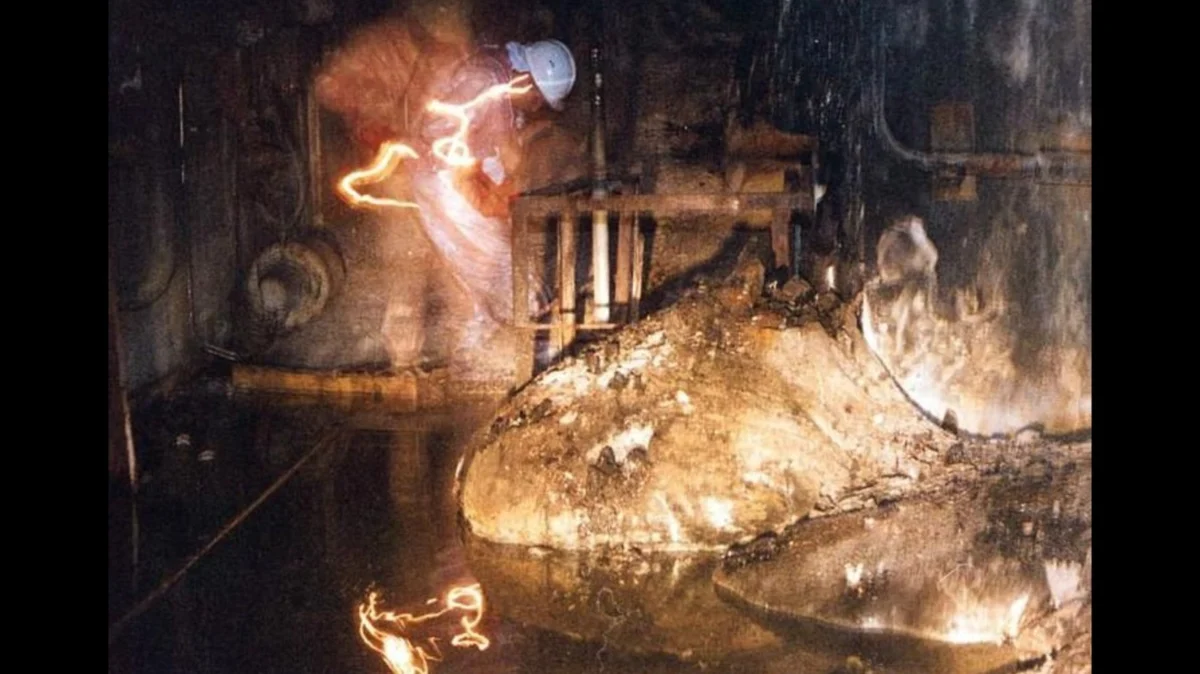
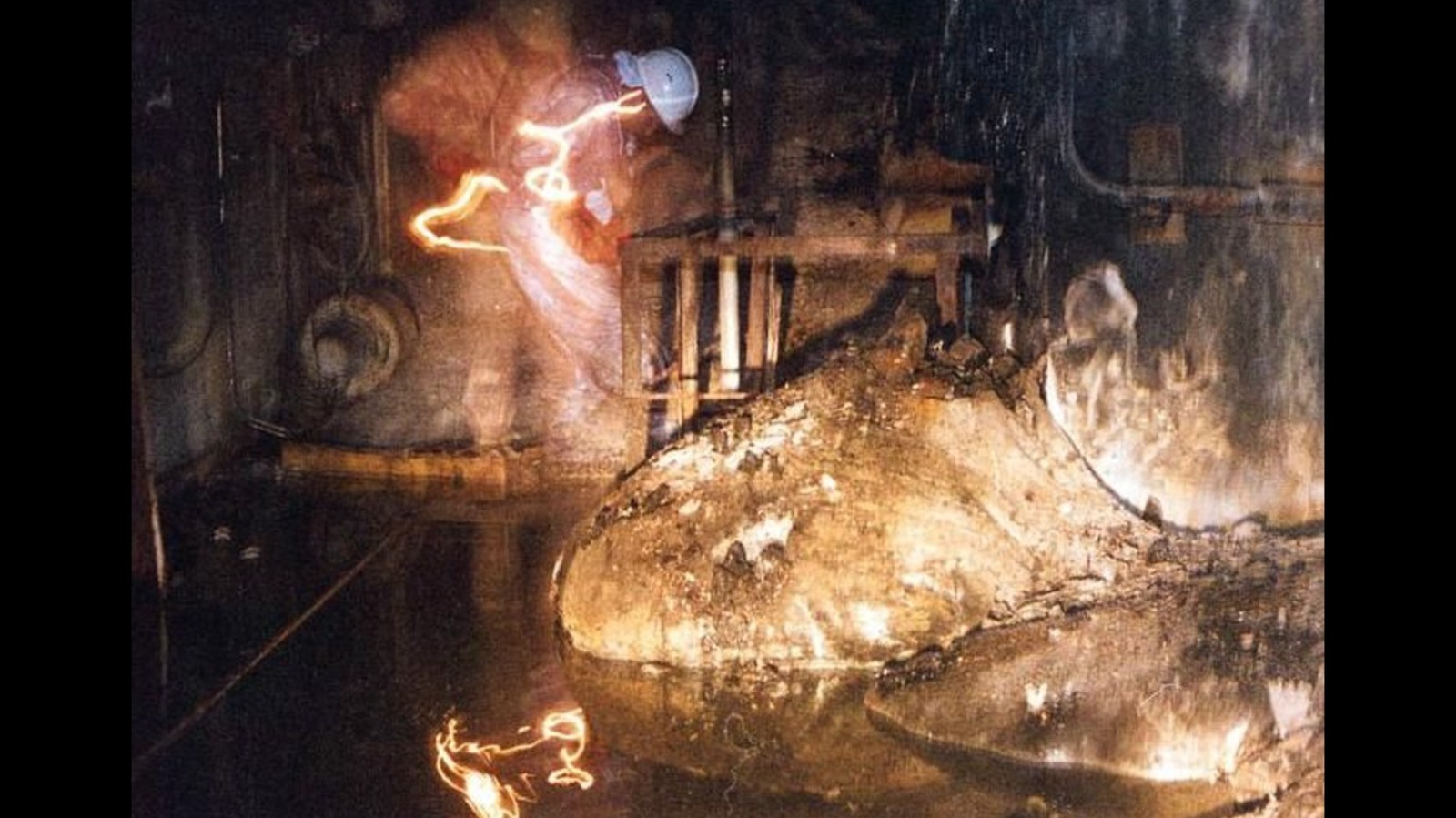
Deep within the bowels of the shattered reactor building, beneath the twisted steel and pulverized concrete, lies an object that defies conventional description: "The Elephant’s Foot." Often cited as one of the most dangerous man-made objects in human history, this subterranean mass of radioactive sludge is not merely a piece of debris; it is a physical manifestation of a nuclear nightmare that continues to pulse with lethal energy decades later.
The Genesis of a Radioactive Titan
The Elephant’s Foot is a solidified mass of "corium," or Lava-like Fuel-Containing Material (LFCM). In the immediate aftermath of the explosion, the reactor core reached temperatures exceeding 2,000 degrees Celsius. This intense heat melted through the fuel rods, the graphite moderator, and the containment vessels. As this molten mixture—a cocktail of enriched uranium, zirconium cladding, and various fission products—descended through the lower floors of the power plant, it acted like a high-temperature solvent, liquefying everything in its path.
Steel beams, sand, concrete, and reactor components were absorbed into this viscous, glowing torrent. By the time it pooled in a maintenance corridor beneath the reactor, it had cooled into a hardened, black, ceramic-like mass. Its moniker, "The Elephant’s Foot," was coined by investigators who discovered the structure months later, noting its peculiar, wrinkled appearance and massive, overhanging bulk.
A Chronology of Discovery and Decay
- April 1986: The initial explosion occurs, sending a plume of radioactive material into the atmosphere. The core begins its slow, destructive descent through the reactor structure.
- December 1986: Liquidators and dosimetrists, working in high-risk environments to contain the disaster, navigate the pitch-black, radioactive corridors beneath the ruins. They encounter the Elephant’s Foot. At this time, it was emitting approximately 10,000 roentgens per hour. To put that in perspective, a mere 300 to 500 roentgens is typically considered a lethal dose for a human being. Standing near the mass for just a few minutes would have resulted in agonizing radiation sickness and near-certain death.
- The Late 1980s to 1990s: The mass was studied through remote photography and automated drilling. Despite its terrifying radiation levels, scientists were desperate to understand the chemical composition of the corium to prevent further environmental leaching.
- The 2000s to Present: Through natural radioactive decay, the intensity of the mass has significantly diminished. While still profoundly dangerous, it is no longer the "instant killer" it was in 1986. Nevertheless, it remains a persistent, long-term hazard that requires constant monitoring.
The Science of Chernobylite: A Unique Mineral
As the corium mass cooled, it underwent a fascinating, albeit terrifying, transformation. It birthed a mineral found nowhere else on the planet: Chernobylite.
Chernobylite is a technogenic, crystalline material that formed as the molten corium reacted with the air and water within the basement environment. It is a highly radioactive mineral containing high concentrations of uranium, zirconium, and various fission byproducts. While it bears a superficial resemblance to "Trinitite"—the green, glassy substance formed by the melting of desert sand during the 1945 Trinity nuclear test in New Mexico—Chernobylite is significantly more complex and radioactively potent.
The existence of such a mineral poses a unique challenge to geologists and nuclear scientists. Because it is a "human-made" mineral born of catastrophe, it represents a new category of material science. Researchers have recently managed to synthesize similar substances in laboratory settings to study their long-term stability and corrosion resistance. These studies are critical, as they help engineers understand how to store nuclear waste in deep geological repositories, ensuring that we never repeat the mistakes of 1986.
Supporting Data: The Anatomy of the Meltdown
The Elephant’s Foot represents only a fraction of the estimated 100 tons of corium trapped within the bowels of Chernobyl. The complexity of this material is staggering:
- Composition: Primarily a silicate glass matrix embedded with uranium dioxide fuel, iron, zirconium, and aluminum.
- Radiation Profile: While the initial activity was catastrophic, the "short-lived" isotopes (such as Iodine-131) have long since decayed. The ongoing danger is driven by longer-lived isotopes like Cesium-137 and Strontium-90, which remain highly active.
- Structural Integrity: The mass is not static. Over the decades, the intense internal radiation has caused the material to degrade, leading to a process known as "radiolysis," where the material crumbles into a fine, highly radioactive dust. This dust remains one of the primary concerns for workers maintaining the New Safe Confinement structure.
Official Responses and Remediation
Following the collapse of the Soviet Union, the international community stepped in to manage the site. The European Bank for Reconstruction and Development spearheaded the construction of the New Safe Confinement (NSC), a colossal steel arch designed to slide over the existing Sarcophagus.
Official reports from the State Agency of Ukraine on the Exclusion Zone emphasize that while the site is under constant surveillance, the immediate threat of a secondary explosion or a mass-scale breach has been mitigated. However, the management of the corium remains a point of contention. There is no current consensus on whether to attempt the "entombment" of the corium or the long-term, high-risk process of extraction. For now, the "wait and monitor" strategy prevails, as the radiation levels are still too high for sustained human intervention, and the structural integrity of the lower floors remains questionable.
Implications for the Future of Nuclear Energy
The existence of the Elephant’s Foot serves as a grim masterclass for the modern nuclear industry. The disaster at Chernobyl was not just a failure of machinery, but a failure of culture—a system that prioritized secrecy and output over safety and transparency.
The primary lesson derived from the study of the corium is the necessity of "passive safety" in modern reactor design. Today’s next-generation reactors, such as Small Modular Reactors (SMRs) and molten salt designs, are being engineered with the potential for a core meltdown in mind. They utilize physical laws—such as gravity-fed cooling or passive convection—rather than human intervention or active electrical pumps, to ensure that if a system fails, the fuel remains contained.
The Elephant’s Foot remains a silent, heavy sentinel in the dark. It is a reminder that nuclear energy, while capable of providing massive amounts of carbon-free power, demands an unprecedented level of respect. We are essentially dealing with materials that operate on a geological timescale; the isotopes within that black, elephantine mass will be dangerous for centuries to come.
As we look toward a future where nuclear power is increasingly discussed as a solution to the climate crisis, the memory of Chernobyl—and its lethal, crystalline heart—must remain at the forefront of our policy and engineering decisions. The history of the Elephant’s Foot is not just a story of a disaster; it is a story of our ongoing, complex relationship with the fundamental forces of the universe, and the heavy price we pay when we fail to manage them with absolute caution.











