
For students of the Japanese language, few elements present as formidable a challenge as the elusive "particle." These small, non-translatable words—known in linguistics as postpositions—serve as the structural glue of the language. They define the relationships between nouns, verbs, and adjectives, dictating the function of every word they follow. While they may initially seem like abstract hurdles, mastering these particles is the single most effective way to transition from broken phrasing to fluent, natural communication.

This guide provides an in-depth exploration of the primary particles that form the backbone of Japanese sentence structure, examining their nuanced roles, common applications, and the subtle shifts in meaning that occur when one is chosen over another.

The Foundational Pillars: Subject and Topic Particles
To understand Japanese, one must first grasp the distinction between the subject and the topic. This is the realm of the particles ga (が) and wa (は).

The Subject Marker: Ga (が)
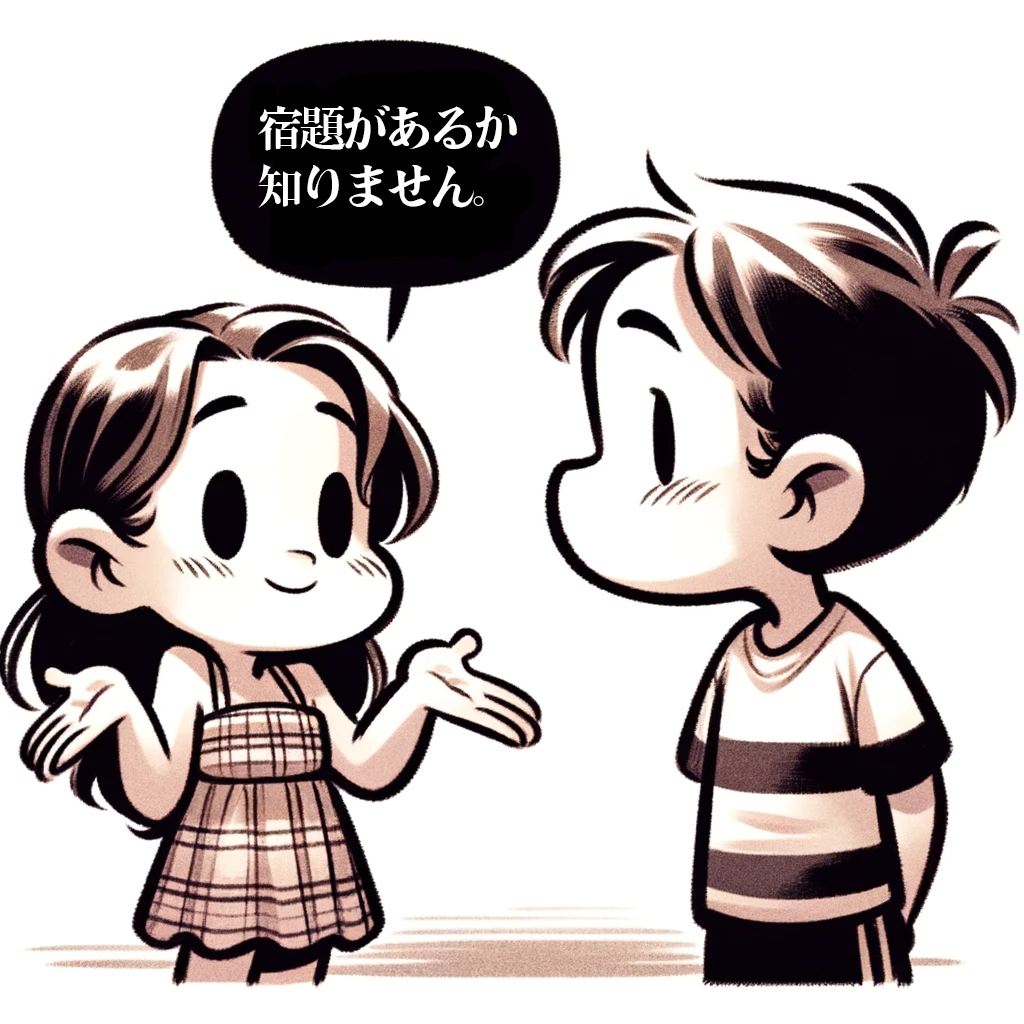
The particle ga is primarily used to indicate the subject of a sentence. However, its usage extends beyond the simple English subject. Ga is essential when introducing new information to the listener. It answers the unspoken question of "who" or "what" is performing an action or exists in a specific state.

Furthermore, ga is mandatory when using question words. If you are asking "who" (dare) or "what" (nani) is the subject, those words must take ga. For example, Dare ga keeki o tabemashita ka? (Who ate the cake?).

The Topic Marker: Wa (は)
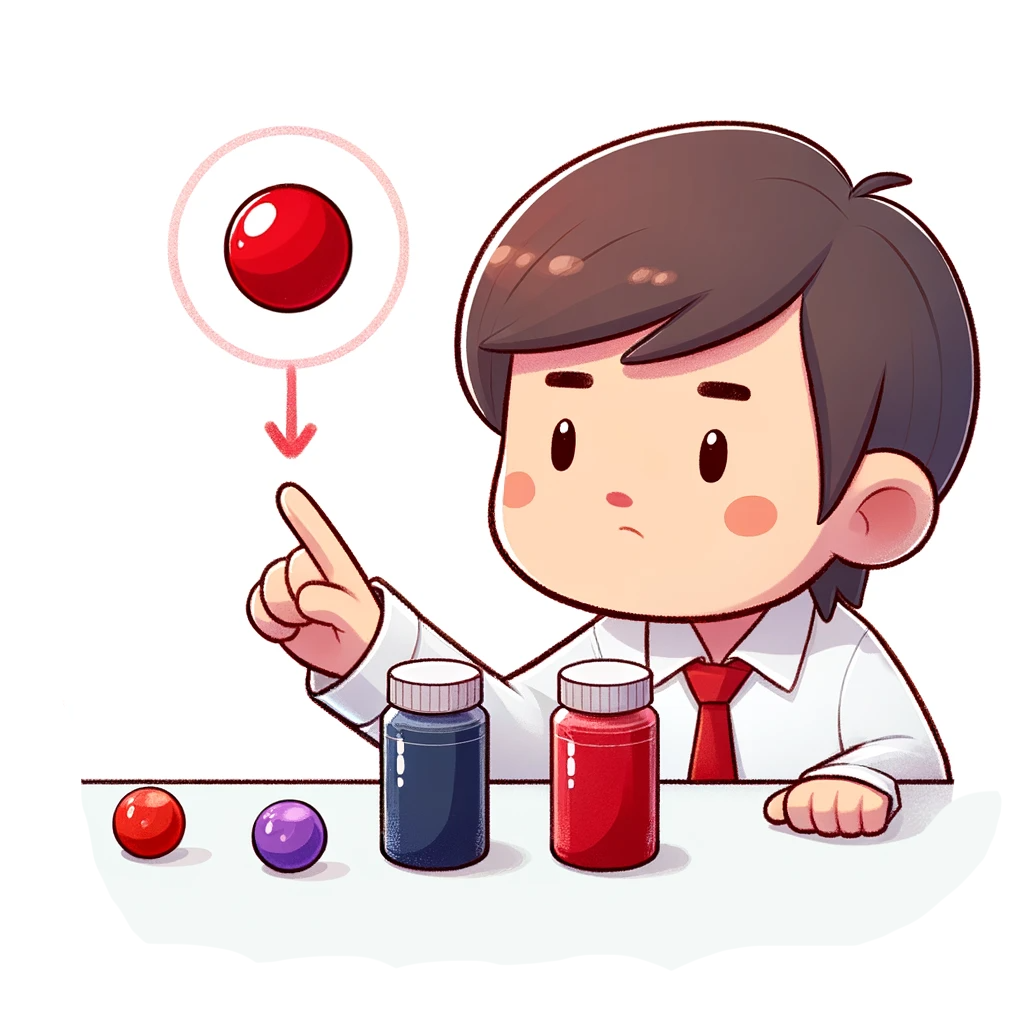
While ga marks the subject, wa marks the topic. You can think of wa as the "as for…" marker. It sets the stage for the conversation. Once a subject has been introduced (often with ga), it can become the topic of the subsequent conversation, at which point the speaker switches to wa.

The distinction is vital: ga highlights the subject, while wa shifts the focus to what is being said about that subject. If you are comparing two items or creating a contrast, wa is your primary tool, often used to signal, "I don’t know about the others, but as for this one…"

Direct Objects and Transitive Verbs: The Role of O (を)
In English, we determine the direct object of a sentence through word order. In Japanese, we use the particle o (written as wo for typing).
O marks the direct object of a transitive verb—the target of the action. If you are reading a book, "book" is the direct object and receives the particle o. While straightforward, there is a critical exception: certain verbs indicating desire or ability (such as suki—to like, or dekiru—to be able to) often take ga instead of o. This is because these verbs focus on the state of the object rather than the action performed upon it.

Spatial and Temporal Markers: Ni (に) and De (で)
Navigating space and time requires two of the most versatile particles in the language: ni and de.

The Precision of Ni (に)
Ni is the particle of existence, direction, and time. It marks a specific point in time or space. If you are meeting someone at 5:00 AM, you use ni. If you are moving toward a specific destination, such as Tokyo, ni marks that direction. It also serves as an indirect object marker, indicating the recipient of an action (e.g., "I gave the gift to him").

The Context of De (で)
While ni marks a point, de marks the context or the location where an action takes place. If you are eating at a restaurant, you use de because you are performing the action of "eating" within that location. Additionally, de is used to indicate the means or instrument used to complete an action. If you go to work by train, or if you write a letter using a pen, de is the particle that defines that method.

Direction and Connection: E (へ) and To (と)
When focus shifts to movement or association, particles like e and to become necessary.

The Directional Focus: E (へ)
Pronounced "e" despite the hiragana "he," this particle is strictly used for movement toward a destination. While ni can often be used interchangeably with e, the latter emphasizes the direction of travel rather than the arrival point. It is a more "directional" version of ni.

The Relational Particle: To (と)
To serves as a connector. When listing nouns (e.g., "apples and oranges"), to is the standard choice for an exhaustive list. It is also used to show accompaniment—doing something with someone else. Beyond these roles, to functions as a quotation marker (marking what was said or thought) and as a conditional marker (meaning "if" or "whenever").

Starting Points and Boundaries: Kara (から) and Made (まで)
To define the scope of an event, we look to kara and made.

- Kara (から): Indicates a starting point, whether in time or physical space. It can also express a reason or cause (e.g., "Because I studied, I passed").
- Made (まで): Indicates an ending point or limit. It defines the "until" or "as far as" of a statement.
When used together (kara… made), they form a perfect bracket for a range, such as "from 9:00 AM to 5:00 PM."

Listing and Emphasis: Mo (も) and Toka (とか)
Sometimes, we need to suggest possibilities or add emphasis to a list.

The Inclusive Particle: Mo (も)
Mo means "also" or "too." When used in a list, it can replace ga or o to show that multiple items share the same predicate. It is also used for emphasis—"even this" or "even that"—often to convey surprise at the extent of a situation.
Non-Exhaustive Lists: Toka (とか)
Toka is used to suggest a list that is not complete. It implies, "I did things like A, B, and C." It is invaluable for casual conversation when you want to provide examples without committing to an exhaustive accounting of your activities.
Implications of Particle Mastery
The implications of mastering these particles cannot be overstated. For the learner, these markers provide the "map" to a Japanese sentence. Without them, the sentence is merely a collection of words without syntax. With them, the speaker can convey complex relationships, clarify intent, and express subtle social nuances that are essential in Japanese culture.

As one progresses, the goal is not merely to memorize these rules, but to internalize the "logic" behind them. Why is ga used here instead of wa? Why does this verb require de? By reading and re-reading examples, listening to native speakers, and practicing with these essential building blocks, the confusion eventually gives way to intuition.

A Note for the Student
Do not be discouraged by the complexity of these particles. They are the most frequent components of the language, meaning you will encounter them in every text, conversation, and media clip you consume. With time and consistent exposure, what feels like an arbitrary rule today will become an effortless habit tomorrow. Continue to use resources like Makoto+ to drill these structures, and remember: in Japanese, the particle is the bridge between a sound and a meaning. Keep building those bridges, and fluency will surely follow.