Asep Darmawan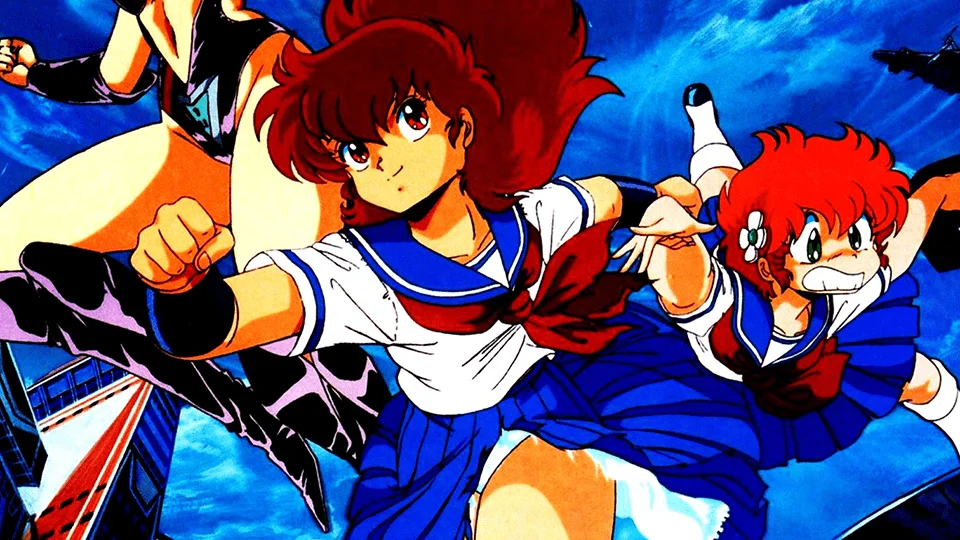
The transition into a new academic year has long served as a cornerstone of the anime industry, providing a narrative framework that resonates with audiences globally. While contemporary hits like My Hero Academia and MASHLE: MAGIC & MUSCLES currently dominate the "school-centric" conversation, the genre’s depth is best understood through a retrospective lens. As students return to classrooms in late 2025, a re-examination of the classics—and a few modern icons—reveals how the school setting has evolved from a mere backdrop for parody into a profound stage for social commentary and personal growth.
This analysis explores three pivotal series—Project A-ko, GTO: Great Teacher Onizuka, and Little Witch Academia—each representing a different era and a unique philosophical approach to the "back-to-school" experience.
Chronology: The Shifting Landscape of School-Based Narratives
The school setting in anime has undergone a significant transformation over the last four decades. In the 1980s, the school was often a site of surrealist comedy and high-octane parody, reflecting the experimental nature of the burgeoning Original Video Animation (OVA) market. By the late 1990s, the focus shifted toward social realism and the "unconventional mentor" trope, addressing the pressures of the Japanese education system. Entering the 2010s, the genre integrated "high-concept" fantasy with the school experience, focusing on the preservation of wonder in an increasingly cynical world.
- 1986: Project A-ko debuts, redefining the school-girl action subgenre through high-budget animation and genre-bending satire.
- 1997–1999: The GTO: Great Teacher Onizuka manga and subsequent anime adaptation challenge the rigid hierarchies of Japanese middle and high schools.
- 2013–2017: Little Witch Academia transitions from a short film to a global phenomenon, revitalizing the "magic school" trope for a new generation.
Main Facts: Three Pillars of the Genre
1. Project A-ko: The Vanguard of Super-Powered High School Life
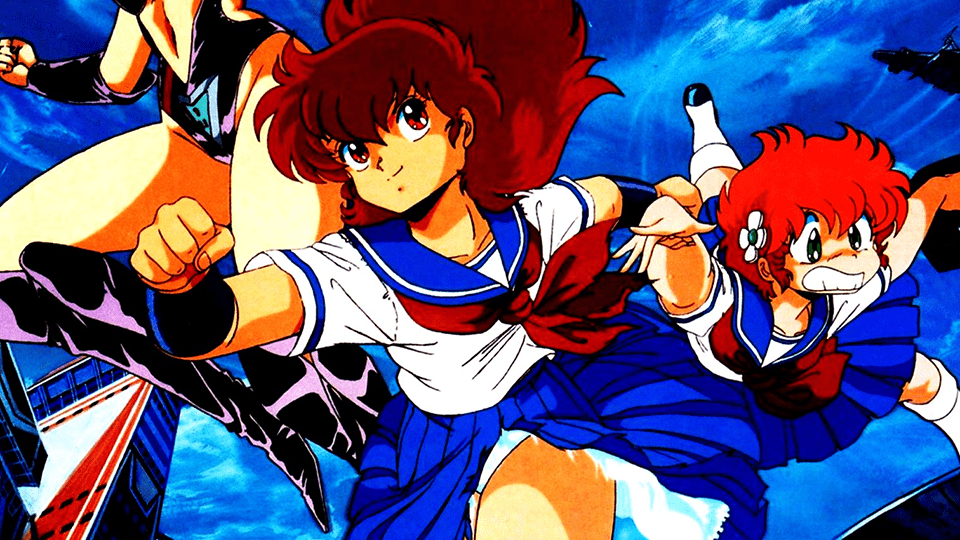
Released in 1986, Project A-ko is a seminal work directed by Katsuhiko Nishijima. Originally conceived as a more adult-oriented installment for the Cream Lemon series, the project was pivoted during production into a high-energy, all-ages action comedy.
The narrative follows A-ko, a superhumanly strong high schooler, and her flighty best friend C-ko. Their daily school routine is perpetually interrupted by B-ko, a brilliant but arrogant classmate who uses her family’s vast wealth to build mecha and power suits to "reclaim" C-ko’s friendship. The film is famous for its relentless pacing and its status as a "parody of everything," featuring nods to Macross, Gundam, and Fist of the North Star.
2. GTO: Great Teacher Onizuka: The Iconoclast in the Classroom
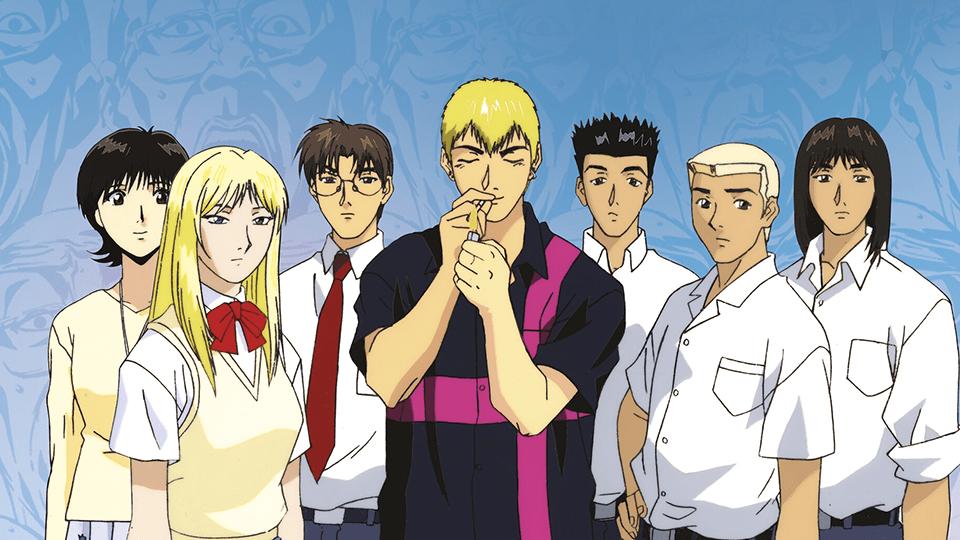
Great Teacher Onizuka (GTO) represents the pinnacle of the "delinquent-turned-hero" trope. Eikichi Onizuka, a 22-year-old former biker gang leader, decides to become a teacher for questionable reasons—primarily to meet girls. However, upon entering the profession, he finds himself assigned to a class of cynical, broken students who have been failed by the traditional educational system.
Unlike his peers, Onizuka uses "street" logic and radical empathy to solve his students’ problems, which range from severe bullying to suicidal ideation. Produced by Studio Pierrot, the anime became a cultural touchstone for its blend of lewd humor and genuine heart.
3. Little Witch Academia: The Magic of Academic Perseverance
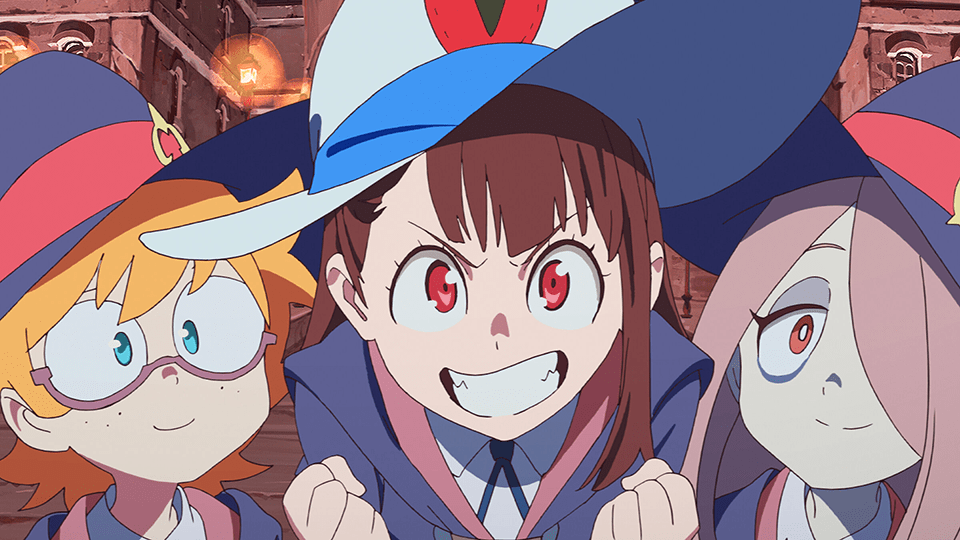
Created by Yoh Yoshinari and produced by Studio Trigger, Little Witch Academia (LWA) began as part of the Japanese government’s "Anime Mirai" project to train young animators. It eventually expanded into a full-length series on Netflix.

The story centers on Atsuko "Akko" Kagari, a girl from a non-magical background who enrolls in Luna Nova Magical Academy. Unlike her peers, Akko struggles with basic spells, but her unwavering devotion to her idol, the witch Shiny Chariot, drives her forward. The series explores themes of tradition versus innovation and the labor required to achieve one’s dreams.
Supporting Data and Technical Excellence
The impact of these series is bolstered by their production quality and the specific industry niches they filled.
- Animation Fidelity: Project A-ko remains a gold standard for 1980s cel animation. Its fluid action sequences and detailed mechanical designs were revolutionary for the time, proving that "school anime" could rival high-budget sci-fi in technical prowess.
- Social Metrics: GTO was a massive commercial success, with the manga selling over 50 million copies. Its critique of the "Exam Hell" (juken jigoku) culture in Japan resonated with a generation of students who felt alienated by the pressure to conform.
- Crowdfunding Success: Little Witch Academia is notable for its relationship with its fanbase. When Studio Trigger launched a Kickstarter for the second film, The Enchanted Parade, it reached its $150,000 goal in under five hours, eventually raising over $600,000. This demonstrated a massive global appetite for optimistic, school-based fantasy.
Official Responses and Critical Reception
The critical legacy of these titles has been solidified by years of academic and journalistic review.
On Project A-ko:
Critics often cite Project A-ko as the "gateway" anime for many Western fans in the early 1990s. Film historians point to it as a precursor to the modern "moe" aesthetic, albeit one tempered with 80s "tough-girl" tropes. Its recent high-definition restoration by Discotek Media was met with critical acclaim, reinforcing its status as a timeless classic.
On GTO:
Education reformers and cultural critics have frequently analyzed Onizuka’s methods. While his behavior is often unprofessional (and occasionally illegal), the series is praised for its "human-first" approach. Critics argue that GTO serves as a necessary satire of the rigid, often cold, bureaucratic nature of the Japanese Ministry of Education.
On Little Witch Academia:
The series is widely praised for its "Western" animation influences, drawing comparisons to Disney and Chuck Jones. Reviewers often highlight that Akko is a "flawed" protagonist; she isn’t naturally gifted, which makes her academic journey more relatable than the "chosen one" narratives common in the genre.
Implications: Why the School Setting Endures
The persistence of the "back-to-school" theme in anime suggests deeper cultural implications regarding the "liminal space" of youth.
The School as a Microcosm of Society
In all three series, the school serves as a controlled environment where societal conflicts are played out. In Project A-ko, it is a site of technological and physical competition. In GTO, it is a battleground between the innocence of youth and the corruption of adulthood. In Little Witch Academia, it is a sanctuary for dying traditions struggling to find relevance in a modern, technological world.
The Role of the Mentor
A significant takeaway from these works is the evolving role of the mentor. GTO posits that the best teachers are those who have lived "outside" the system. Little Witch Academia explores the "fallibility" of mentors, as Akko eventually learns that her idol, Shiny Chariot, was a complex woman with her own failures. This shift from "infallible authority" to "human guide" reflects a broader change in how modern society views education.
The Psychology of "Back-to-School"
For the viewer, these series provide a form of "educational catharsis." They allow audiences to relive the anxieties of the new school year—fear of failure, social isolation, and the pressure to perform—within a safe, fictionalized context. Whether through the lens of a super-powered brawl, a motorcycle-riding teacher, or a clumsy witch, these stories validate the struggle of the student.
Conclusion
As we look toward the 2025-2026 academic year, the "back-to-school" anime remains a vital genre for understanding the intersection of entertainment and social reality. Project A-ko reminds us of the joy of absurdity; GTO challenges us to look beyond grades and see the person; and Little Witch Academia encourages us to keep "believing in our heart," even when the lessons are difficult.
While the "New Big Three" may change with every season, the foundational power of these three classics ensures that the spirit of the classroom—explosive, magical, and transformative—will continue to inspire audiences for decades to come. For those seeking to power up their own "spells" or "fists" this semester, looking back at these masterpieces is the ultimate prerequisite.


 Lina Irawan
 Reynand Wu