Asep Darmawan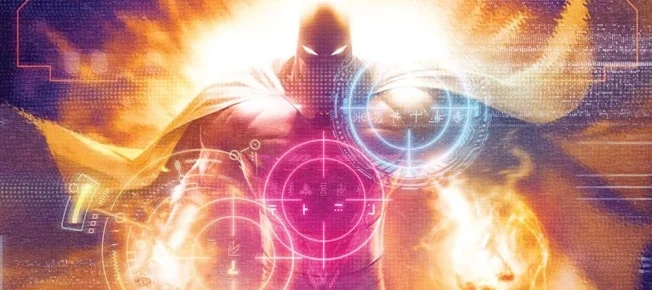
The legendary interstellar lawman is facing his most daunting challenge yet. As the second season of the Space Ghost comic book series reaches its climactic conclusion, readers are being treated to an extra-sized, 28-page finale that promises to rewrite the rules of time and space. Writers David Pepose and artist Jonathan Lau have spent the last several months deconstructing and rebuilding the iconic Hanna-Barbera hero, and this final installment serves as the high-stakes payoff to their ambitious narrative arc.
For fans of the character, the stakes could not be higher. Caught in the crushing grip of the villainous Tempus’s "Time-Shredder"—a doomsday device capable of unraveling existence itself—Space Ghost’s survival hinges on the courage of those he has mentored and the impossible assembly of an unlikely team of multiversal allies.
Main Facts: A Multiversal Showdown
The narrative focus of this finale centers on the desperation of Jan and Jace, Space Ghost’s stalwart sidekicks. With their mentor trapped in a temporal purgatory, they are forced to look beyond their own reality to assemble a coalition capable of challenging the Time Tyrants.
This team, aptly dubbed the "Space Force," represents a meta-commentary on the character’s long history. The roster is a nostalgic and chaotic blend of variants, featuring:
- Space Spectre: A formidable entity from an alternate timeline.
- Eclipse Woman: A powerful, reality-warping ally.
- Werewolf Jan: A high-concept, genre-bending iteration of the classic sidekick.
- Thundercleese: The fan-favorite, ultra-militaristic robot.
- Classic Zorak: An homage to the 1960s animated aesthetic that defined the character’s original television run.
As Jan and Jace lead this ragtag assembly against an endless army of Gargolyoids, the narrative tension shifts toward the personal stakes for Space Ghost. While his allies fight on the front lines, the hero must uncover the deadly secret behind Tempus’s motivations, leading to a confrontation at the very "limits of time itself."
Chronology: The Journey of Season Two
The path to this finale has been a winding road of cosmic escalation. When Pepose and Lau took the reins for the second season, they aimed to honor the character’s vintage roots while injecting modern, cinematic pacing into the script.
- The Build-up: The early issues of the season established the threat of the Time Tyrants, who sought to rewrite the history of the galaxy to better suit their own imperialistic designs.
- The Escalation: Mid-season arcs saw Space Ghost being systematically isolated from his resources, stripping away his high-tech gadgets and forcing him to rely on his ingenuity and raw willpower.
- The Turning Point: The introduction of the Time-Shredder served as the catalyst for the current crisis, effectively removing the protagonist from the board and shifting the agency of the story to Jan and Jace.
- The Climax: This final, 28-page issue functions as the "extra-sized" culmination of these narrative threads, promising a resolution that addresses not only the survival of the hero but the integrity of the multiverse.
Supporting Data: The Creative Team
The success of this run can be attributed to a tight-knit creative team that has balanced visual spectacle with emotional depth. The artistic direction by Jonathan Lau has been praised for its dynamic panels and character designs, which manage to bridge the gap between retro-animation and modern comic book intensity.
Creative Credits:
- Writer: David Pepose
- Artist: Jonathan Lau
- Colorist: Andrew Dalhouse
- Letterer: Taylor Esposito
The inclusion of Andrew Dalhouse’s vibrant color palette has been essential in differentiating the various dimensions within the multiverse, while Taylor Esposito’s lettering has provided the punchy, kinetic energy required for such a high-octane finale. The 28-page count is a deliberate choice by the publisher to ensure that the complex, multi-front battle receives the narrative space required to land its emotional beats.
Official Responses and Editorial Vision
In previous discussions regarding the direction of the Space Ghost franchise, writers have noted that the goal was to "remix the legend." David Pepose has expressed in interviews that the character of Space Ghost is a blank canvas upon which one can project various genre experiments—ranging from straight-faced space opera to meta-fictional satire.
By incorporating elements like "Werewolf Jan" and the 1960s-style Zorak, the team is explicitly engaging with the character’s long, occasionally surreal history. The decision to conclude the season with a multiversal team-up suggests an editorial desire to keep the character’s lore flexible and open-ended. While this specific story arc reaches a definitive conclusion, the promotional materials have already confirmed that "more Space Ghost adventures are coming next month," signaling a seamless transition into the next chapter of the character’s publishing history.
Implications: The Future of the Franchise
The conclusion of this arc carries significant weight for the wider Hanna-Barbera comic universe. For years, these characters existed in relative silos, but the "Space Force" initiative—and the ability to traverse timelines—suggests that the publisher is looking to create a more interconnected, sprawling mythos.
1. The Expansion of the Multiverse
By introducing variants like Space Spectre and Eclipse Woman, the creative team has effectively canonized the idea of a "Space Ghost Multiverse." This is a strategic move that allows future writers to pull from a wider variety of inspirations without needing to reboot the main continuity.
2. A Shift in Character Dynamics
The role of Jan and Jace has undergone a significant transformation. No longer just observers or "damsels in distress," they are now established as competent leaders capable of assembling armies. This shift in power dynamics ensures that future stories can explore them as independent protagonists, rather than mere support systems for the hero.
3. Thematic Continuity
The mystery surrounding Tempus’s "deadly secret" implies that even after the Time-Shredder is neutralized, the consequences of this battle will likely linger. In serialized fiction, the "limits of time" are rarely touched without leaving scars on the narrative fabric. Fans can expect that the events of this finale will inform the character’s trajectory well into the upcoming monthly releases.
Final Thoughts: Why This Finale Matters
The extra-sized finale of the Space Ghost second season is more than just a wrap-up of a plot arc; it is a celebration of a character who has survived through decades of pop-culture shifts. By weaving together the absurdity of the 1960s cartoons with the high-stakes drama of modern sci-fi comics, Pepose and Lau have crafted an issue that serves as a love letter to long-time fans while remaining accessible to those discovering the character for the first time.
As readers prepare to dive into this 28-page blockbuster, the focus remains on the question of legacy: Can a hero define themselves not just by their own actions, but by the legacy they leave in their proteges? With the final page turned, the answer to that question will define the next era of Space Ghost’s crusade against the forces of evil.
How to Access the Finale:
For readers looking to secure their copy of this milestone issue, copies are available at local comic book shops via the Comic Shop Locator or by calling 1-888-comicbook. Digital editions and variants are also available through major platforms including Zeus Comics and Kindle. As the final panels of this season fade, the anticipation for next month’s continuation remains at an all-time high.

 Sagoh
Sagoh
 Ammar Sabilarrohman