Trending News:Micron’s Record-Breaking Profits Spark Labor Unrest: A Deep Dive into the Taiwan Wage DisputeReclaiming Your Digital Life: A Comprehensive Guide to Mastering iPhone Screen TimeThe Warmth of Fiction: Thanko’s New Heated Body Pillow Redefines Digital CompanionshipThe Body, the Brand, and the Backlash: Sydney Sweeney’s Novig Campaign Ignites Debate on the Sexualization of Women’s SportsChoosing the Ultimate Mac for Content Creation: A Comprehensive Guide to Power and PortabilityThe Chaos Continues: "Ranma 1/2" New Anime Season Announces Electrifying Theme Songs and October 3 PremiereThe Glass Menagerie of the Mojave: Unpacking the Uncanny Legacy of Elmer’s Bottle Tree RanchThe AZZA PSAZ-750G ATX 3.1 Review: A Budget Compromise Under ScrutinyThe 328-Foot Threshold: Understanding Ethernet Cable Limits and Performance StandardsThe Tragic Death of ‘El Piturris’: A Growing Crisis for Mexico’s Content Creator CommunitySouth Korean Box Office Report: Christopher Nolan’s ‘The Odyssey’ Extends Historic ReignThe Great Irony: Why Using AI to Advertise Art Classes is Backfiring on Educators"The World’s Strongest Witch" Light Novel Series Concludes with Sixth VolumeBeyond the Direct Market: How Justin Jordan’s Urban Animal Redefined Modern Comic EconomicsNavigating the Afterlife of Grief: A Deep Dive into Julian Winters’ Find My Way Down to YouThe Reckoning: Anthropic CEO Calls for Controlled Pacing Amid Rising AI Existential ThreatsThe Power Struggle: MagSafe vs. USB-C in the Modern MacBook EcosystemA Southern Dynasty: How Biscuitville Defied the Giants to Claim "Best Fast-Food Breakfast" for the Fourth YearThe Slayer’s Silence: Seth Green Addresses the Canceled ‘Buffy’ Reboot and His Potential ReturnBeyond Realism: How the ‘Warrior Cats’ Adaptation is Redefining Stylized AnimationThe Autumnal Literary Surge: A Comprehensive Preview of the Fall 2026 YA Publishing LandscapeThe Mechanical Beast: Why IMAX Cameras Remain the Cinema Industry’s Loudest GiantsThe "De-Flock" Dilemma: How a Michigan Tattoo Artist’s Satirical Post Sparked a Real-World Surveillance BacklashReview: The Dell Pro 5 (WB526) – A Capable Office Webcam That Struggles to Justify Its Price TagTapas Media Announces Third Annual "Inksgiving" Event: A Milestone for Digital Creator Support"Overgeared" Anime Ignites Anticipation with New Trailer, Key Visual, and Voice Cast AdditionsNintendo’s $300 Million Tax Refund: Why US Gamers Are Finally Seeing ReturnsThe "Manhattan Project" of Tech: Analyzing the Ban Artificial Superintelligence ActThe Global Race for Gold: Tracking the 2027 International Feature Film Oscar CampaignThe Ultimate Gaming Upgrade: Why the AMD Ryzen 7 9850X3D Bundle is the Market’s New BenchmarkNavigating Apple’s Protection Plans: Choosing Between AppleCare+ and AppleCare OneThe Rumbling Returns: Burger King Russia Prepares for Massive Second ‘Attack on Titan’ CollaborationThe Crucible of Collaboration: Chris Rock Credits Controversial Producer Scott Rudin for His Filmmaking EvolutionFrom Concept to Canvas: The Making of an Epic Fantasy Book CoverIdolm@ster SideM Hits the Silver Screen and Next-Gen Consoles: New Film and Switch Game AnnouncedThe Anatomy of a Reading Slump: Decoding the Architecture of Literary ComfortThe Great AI Heist: How Chinese State-Linked Actors Are Weaponizing U.S. Frontier ModelsThe Digital Storage Dilemma: Navigating the Choice Between External SSDs and HDDsBeyond the Stream: How Kai Cenat’s Vivet is Redefining the IRL Creator AestheticPower, Parity, and Prestige: Inside the Chanel and Variety Women in Film Dinner at TIFFThe Art of Staying Relevant: A Conversation with VML’s Tom MurphyKadokawa Unleashes "I’m Looking For Zombie" Anime: Key Visual, Theme Songs, and Debut Date RevealedThe Reckoning of the Anthology: A Deep Dive into American Horror Story: 13From Flatpack to Dragonborn: How IKEA’s "Kallax Storageborn" is Revolutionizing Skyrim’s Inventory ManagementThe Power of the Reboot: Why Your Gaming Handheld Needs a Fresh StartThe Koprulu Sector Returns: Blizzard Announces Ambitious New ‘StarCraft’ Open-World ShooterThe Digital Divide: FCC Chair Brendan Carr and the Escalating War Over Broadcast AirwavesGeekom IT13 Max Review: A Study in Mini-PC CompromiseThe Abyss Beneath: Netflix’s Below Promises a Chilling Deep-Sea MysteryThe Ultimate Upgrade: Decoding Newegg’s Massive AMD Ryzen 7 9800X3D Bundle DealThe Anatomy of a Display Defect: Distinguishing Between Stuck and Dead PixelsThe Dangerous Intersection of Content and Conduct: Twitch Faces Renewed Scrutiny Over Distracted Driving StreamsThe Hollywood Exodus: Paramount Skydance’s Potential Departure Stirs Economic AlarmThe Golden Kangaroo: How Australia’s Iconic Logo Defied the Laws of BrandingIndustry Buzz: Anime, Manga, and Gaming News Roundup – September 2026The Legacy of the Avatar Reimagined: Inside Avatar: Seven HavensOnimusha: Way of the Sword Dominates Japanese Sales Charts, Signalling Strong Nostalgia and Next-Gen AppealBeyond the Default: A Comprehensive Guide to Customizing Your Amazon Alexa ExperienceThe Radical Act of Being Human: How Desigual’s “Born to Disobey” Takes on the AI EraViral Indiscretion: The Aftermath of a High-Altitude Scandal at Download FestivalBreaking the Barrier: Can Modders Successfully Bring RTX 50-Series Features to Older Hardware?The Wired Pulse: Why Serial Experiments Lain Remains Our Modern ReflectionJeff Goldblum Brings Jazz and ‘Jurassic’ Charm to ‘SNL U.K.’ Season Two PremiereThe Assassin’s Creed Multiverse: Ubisoft Launches Massive Transmedia ExpansionTokyopop Unveils Ambitious 2027 Manga Lineup, Featuring Diverse Romance and Coming-of-Age NarrativesThe Great Graphics Divide: Why NVIDIA’s DLSS 5 Has Sparked an Industry-Wide Identity CrisisThe Cost of Modernization: Why Timothy Taylor’s Rebrand Misses the MarkThe Threshold of Risk: Anthropic CEO Calls for Strategic Pause in Global AI DevelopmentFederal Agent Charged in Brazen Scheme to Strip-Mine Government Computers for ProfitThe Shattered Mirror: Unraveling the Psychological Labyrinth of R.L. Stine’s Fear StreetHumanizing the Headlines: Andrei Kutsila’s "Letters from the Silenced Country" Wins Venice Impact PrizeThe Weaponization of Intelligence: How Iran-Linked Actors Are Leveraging American AI to Target U.S. ForcesThe Digital Wallet Revolution: How Apple is Transforming Identification in the 21st CenturyThe SCP Foundation vs. A24: A Collision Between Indie Horror and Open-Source LicensingThe Forest as Sanctuary and Snare: An Analysis of Jannis Lenz’s OasisThe iPhone 18 Pro Has Arrived: Navigating Preorders, Trade-in Deals, and the Apple EcosystemOnimusha: Way of the Sword Dominates Japanese Charts, Signaling Strong Revival for Classic FranchiseBrooklyn Through the Looking Glass: AWA Studios Unveils the Supernatural "Lesser Evils" Universe
Trending News:Micron’s Record-Breaking Profits Spark Labor Unrest: A Deep Dive into the Taiwan Wage DisputeReclaiming Your Digital Life: A Comprehensive Guide to Mastering iPhone Screen TimeThe Warmth of Fiction: Thanko’s New Heated Body Pillow Redefines Digital CompanionshipThe Body, the Brand, and the Backlash: Sydney Sweeney’s Novig Campaign Ignites Debate on the Sexualization of Women’s SportsChoosing the Ultimate Mac for Content Creation: A Comprehensive Guide to Power and PortabilityThe Chaos Continues: "Ranma 1/2" New Anime Season Announces Electrifying Theme Songs and October 3 PremiereThe Glass Menagerie of the Mojave: Unpacking the Uncanny Legacy of Elmer’s Bottle Tree RanchThe AZZA PSAZ-750G ATX 3.1 Review: A Budget Compromise Under ScrutinyThe 328-Foot Threshold: Understanding Ethernet Cable Limits and Performance StandardsThe Tragic Death of ‘El Piturris’: A Growing Crisis for Mexico’s Content Creator CommunitySouth Korean Box Office Report: Christopher Nolan’s ‘The Odyssey’ Extends Historic ReignThe Great Irony: Why Using AI to Advertise Art Classes is Backfiring on Educators"The World’s Strongest Witch" Light Novel Series Concludes with Sixth VolumeBeyond the Direct Market: How Justin Jordan’s Urban Animal Redefined Modern Comic EconomicsNavigating the Afterlife of Grief: A Deep Dive into Julian Winters’ Find My Way Down to YouThe Reckoning: Anthropic CEO Calls for Controlled Pacing Amid Rising AI Existential ThreatsThe Power Struggle: MagSafe vs. USB-C in the Modern MacBook EcosystemA Southern Dynasty: How Biscuitville Defied the Giants to Claim "Best Fast-Food Breakfast" for the Fourth YearThe Slayer’s Silence: Seth Green Addresses the Canceled ‘Buffy’ Reboot and His Potential ReturnBeyond Realism: How the ‘Warrior Cats’ Adaptation is Redefining Stylized AnimationThe Autumnal Literary Surge: A Comprehensive Preview of the Fall 2026 YA Publishing LandscapeThe Mechanical Beast: Why IMAX Cameras Remain the Cinema Industry’s Loudest GiantsThe "De-Flock" Dilemma: How a Michigan Tattoo Artist’s Satirical Post Sparked a Real-World Surveillance BacklashReview: The Dell Pro 5 (WB526) – A Capable Office Webcam That Struggles to Justify Its Price TagTapas Media Announces Third Annual "Inksgiving" Event: A Milestone for Digital Creator Support"Overgeared" Anime Ignites Anticipation with New Trailer, Key Visual, and Voice Cast AdditionsNintendo’s $300 Million Tax Refund: Why US Gamers Are Finally Seeing ReturnsThe "Manhattan Project" of Tech: Analyzing the Ban Artificial Superintelligence ActThe Global Race for Gold: Tracking the 2027 International Feature Film Oscar CampaignThe Ultimate Gaming Upgrade: Why the AMD Ryzen 7 9850X3D Bundle is the Market’s New BenchmarkNavigating Apple’s Protection Plans: Choosing Between AppleCare+ and AppleCare OneThe Rumbling Returns: Burger King Russia Prepares for Massive Second ‘Attack on Titan’ CollaborationThe Crucible of Collaboration: Chris Rock Credits Controversial Producer Scott Rudin for His Filmmaking EvolutionFrom Concept to Canvas: The Making of an Epic Fantasy Book CoverIdolm@ster SideM Hits the Silver Screen and Next-Gen Consoles: New Film and Switch Game AnnouncedThe Anatomy of a Reading Slump: Decoding the Architecture of Literary ComfortThe Great AI Heist: How Chinese State-Linked Actors Are Weaponizing U.S. Frontier ModelsThe Digital Storage Dilemma: Navigating the Choice Between External SSDs and HDDsBeyond the Stream: How Kai Cenat’s Vivet is Redefining the IRL Creator AestheticPower, Parity, and Prestige: Inside the Chanel and Variety Women in Film Dinner at TIFFThe Art of Staying Relevant: A Conversation with VML’s Tom MurphyKadokawa Unleashes "I’m Looking For Zombie" Anime: Key Visual, Theme Songs, and Debut Date RevealedThe Reckoning of the Anthology: A Deep Dive into American Horror Story: 13From Flatpack to Dragonborn: How IKEA’s "Kallax Storageborn" is Revolutionizing Skyrim’s Inventory ManagementThe Power of the Reboot: Why Your Gaming Handheld Needs a Fresh StartThe Koprulu Sector Returns: Blizzard Announces Ambitious New ‘StarCraft’ Open-World ShooterThe Digital Divide: FCC Chair Brendan Carr and the Escalating War Over Broadcast AirwavesGeekom IT13 Max Review: A Study in Mini-PC CompromiseThe Abyss Beneath: Netflix’s Below Promises a Chilling Deep-Sea MysteryThe Ultimate Upgrade: Decoding Newegg’s Massive AMD Ryzen 7 9800X3D Bundle DealThe Anatomy of a Display Defect: Distinguishing Between Stuck and Dead PixelsThe Dangerous Intersection of Content and Conduct: Twitch Faces Renewed Scrutiny Over Distracted Driving StreamsThe Hollywood Exodus: Paramount Skydance’s Potential Departure Stirs Economic AlarmThe Golden Kangaroo: How Australia’s Iconic Logo Defied the Laws of BrandingIndustry Buzz: Anime, Manga, and Gaming News Roundup – September 2026The Legacy of the Avatar Reimagined: Inside Avatar: Seven HavensOnimusha: Way of the Sword Dominates Japanese Sales Charts, Signalling Strong Nostalgia and Next-Gen AppealBeyond the Default: A Comprehensive Guide to Customizing Your Amazon Alexa ExperienceThe Radical Act of Being Human: How Desigual’s “Born to Disobey” Takes on the AI EraViral Indiscretion: The Aftermath of a High-Altitude Scandal at Download FestivalBreaking the Barrier: Can Modders Successfully Bring RTX 50-Series Features to Older Hardware?The Wired Pulse: Why Serial Experiments Lain Remains Our Modern ReflectionJeff Goldblum Brings Jazz and ‘Jurassic’ Charm to ‘SNL U.K.’ Season Two PremiereThe Assassin’s Creed Multiverse: Ubisoft Launches Massive Transmedia ExpansionTokyopop Unveils Ambitious 2027 Manga Lineup, Featuring Diverse Romance and Coming-of-Age NarrativesThe Great Graphics Divide: Why NVIDIA’s DLSS 5 Has Sparked an Industry-Wide Identity CrisisThe Cost of Modernization: Why Timothy Taylor’s Rebrand Misses the MarkThe Threshold of Risk: Anthropic CEO Calls for Strategic Pause in Global AI DevelopmentFederal Agent Charged in Brazen Scheme to Strip-Mine Government Computers for ProfitThe Shattered Mirror: Unraveling the Psychological Labyrinth of R.L. Stine’s Fear StreetHumanizing the Headlines: Andrei Kutsila’s "Letters from the Silenced Country" Wins Venice Impact PrizeThe Weaponization of Intelligence: How Iran-Linked Actors Are Leveraging American AI to Target U.S. ForcesThe Digital Wallet Revolution: How Apple is Transforming Identification in the 21st CenturyThe SCP Foundation vs. A24: A Collision Between Indie Horror and Open-Source LicensingThe Forest as Sanctuary and Snare: An Analysis of Jannis Lenz’s OasisThe iPhone 18 Pro Has Arrived: Navigating Preorders, Trade-in Deals, and the Apple EcosystemOnimusha: Way of the Sword Dominates Japanese Charts, Signaling Strong Revival for Classic FranchiseBrooklyn Through the Looking Glass: AWA Studios Unveils the Supernatural "Lesser Evils" Universe
The global distribution of anime has long been a battleground between two competing philosophies: literal fidelity to the source material and "adaptive localization." While the former seeks to preserve the cultural nuances and specific terminology of the original Japanese text, the latter attempts to make the content more relatable to a Western audience through the use of colloquialisms, regional slang, and contemporary cultural references.
The latest flashpoint in this ongoing debate has emerged within the third season of the Crunchyroll-distributed series Reborn as a Vending Machine, I Now Wander the Dungeon (known in Japan as Jidohanbaiki ni Karekawatta Ore wa Meikyu ni Samayo). Following a series of similar controversies across the streaming landscape, the English dub of this "isekai" hit has come under fire for what critics describe as "activist fanfiction" and the insertion of jarring, modern internet slang that deviates significantly from the original script’s intent.
Main Facts: The Discrepancy Between Subtitles and Dub
The controversy centers on the third episode of Season 3, titled "A Stay in Enemy Territory." In this episode, the protagonist Boxxo—a sentient vending machine voiced by Garrett Storms in English and Jun Fukuyama in Japanese—witnesses a complex social interaction involving the Snow Spirit Sulream and a young boy named Ash.
Textual analysis conducted by industry observers reveals three primary instances where the English dub script departs from the more literal English subtitles provided by Crunchyroll’s own translation team.
1. The "Method Acting" Rewrite
In a scene where Boxxo realizes a character’s apparent suffering was a ruse, the subtitles read:
"Then his agony was just a performance for our benefit?"
The English dub, however, replaces this straightforward observation with professional wrestling and acting jargon:
"Meaning the munchkin went method and totally had us marking out."
2. Legal Slang and "Registry" Commentary
When Boxxo observes Sulream’s predatory behavior toward the young Ash, the subtitles emphasize the tragic nature of the hostage situation:
"This is not a safe person! I thought you’d awakened from a long sleep to find yourself a hostage! The captain’s son’s life is too tragic!"
The dub script recontextualizes this into a modern social commentary, utilizing terminology associated with Western criminal justice systems:
"That chick belongs on a registry! This poor kid got curse whammied then woke up only to be held hostage! It’s like a Russian novel, anime style!"
3. The "Ick Factor" and Gen-Z Vernacular
Finally, as Boxxo attempts to rationalize the odd dynamic between the spirit and the child, the subtitles offer a logical, if desperate, internal monologue:
"Wait he seems to respect Sulream, too… Oh! Since snow people are children until they become adults, maybe this isn’t as bad as it seems? Wait forget that line of thought! What am I gonna do?!"
The dub script opts for contemporary internet slang:
"Why does he seem to respect that walking after-school special? Oh, lifeline! Since snow people until they suddenly become adults, maybe the ick factor is reduced? I did not just think that! This is whack!"
Chronology of Localization Controversies
The changes in Reborn as a Vending Machine do not exist in a vacuum. They are part of a broader trend in the 2020s where dubbing houses have increasingly utilized "punchy" scripts to appeal to a younger, social-media-savvy demographic.
2023: The ‘Oshi no Ko’ Incident: Sentai Filmworks faced backlash when localizers inserted references to "cancel culture" into the script of the hit series Oshi no Ko, despite the original Japanese text focusing on the broader concept of public scrutiny and industry pressure.
Early 2024: The ‘Blue Box’ Alteration: Netflix’s localization of the manga-turned-anime Blue Box saw a character described as "feminine" in the original text changed to "feminist" in the English script, a move that changed the character’s fundamental traits and sparked accusations of ideological insertion.
Late 2024: Crunchyroll and ‘Dead Account’: Just prior to the release of Vending Machine Season 3, Crunchyroll’s localization of Dead Account was criticized for saturating the dialogue with "brainrot" slang (e.g., "skibidi," "gyatt"), leading to concerns that the shelf-life of these dubs would be severely limited as slang evolves.
2026: The Vending Machine Pivot: The release of Season 3 marks a continuation of this trend, suggesting that despite fan pushback, the internal direction for dubbing scripts remains focused on "localization over translation."
Supporting Data: The Mechanics of Dubbing vs. Subtitling
To understand why these discrepancies occur, one must look at the technical constraints of the medium. Subtitle translators are generally tasked with conveying the meaning of the Japanese dialogue within a limited character count per second. Because there is no need to match the movement of the characters’ mouths, subtitles tend to stay closer to the original Japanese syntax.
Dubbing, however, requires "lip-syncing" or "matching lip flaps." Scriptwriters must craft English sentences that not only convey the story but also match the duration and vowel shapes of the Japanese voice actors’ performances.
However, linguistic experts argue that the changes in Reborn as a Vending Machine exceed the requirements of lip-syncing. Phrases like "marking out" or "belongs on a registry" are cultural transplants—idioms that have no equivalent in the Japanese setting of the show. By replacing "tragedy" with "Russian novel, anime style," the localizers are effectively overwriting the author’s voice with their own creative flourishes.
Official Responses and Industry Context
While Crunchyroll and its parent companies (Sony Pictures Entertainment) rarely issue statements regarding individual lines of dialogue, the industry at large is currently grappling with the rise of Generative AI.
Internal reports suggest that the threat of AI translation is paradoxically driving human localizers to be more "creative." The logic within some dubbing circles is that if an AI can provide a perfect literal translation, the human "value add" must be the infusion of personality, humor, and local flavor. However, as evidenced by the reaction to Vending Machine, many fans perceive this "value add" as an unwelcome distortion of the art they are paying to consume.
Furthermore, the "activist" nature of some translations—specifically the inclusion of terms like "registry"—suggests a desire by Western scriptwriters to project modern social sensibilities onto fantasy worlds that may not share those concepts. This has led to a growing rift between the "purist" fan base and the corporate localization teams.
Implications: The Future of Cross-Cultural Media
The rewriting of Reborn as a Vending Machine Season 3 raises several critical questions for the future of the anime industry:
The "Shelf-Life" Problem
By using transient slang like "ick factor" and "whack," localizers risk dating the content. Anime is often watched for decades; a dub that relies on 2024-specific internet memes may become unintelligible or "cringe-inducing" to a viewer in 2030, whereas a more faithful translation remains timeless.
Loss of Cultural Nuance
The isekai genre is rooted in Japanese perspectives on reincarnation and societal roles. When Western localizers overwrite these perspectives with American legal concepts (like sex offender registries), the "Japanese-ness" of the product is diluted. This creates a version of the show that is neither truly Japanese nor truly original, but a hybrid that often satisfies neither audience.
The Sub vs. Dub Schism
Historically, the "sub vs. dub" debate was centered on the quality of voice acting. Today, the debate has shifted to the integrity of the script. If dubs continue to deviate significantly from the subtitles, it may lead to a permanent migration of serious fans away from dubbed content, relegating English dubs to a "casual-only" tier of media consumption.
The Creator’s Intent
Ultimately, the most significant implication concerns intellectual property. When a writer like Hirukuma creates a story about a man reincarnated as a vending machine, they have a specific tone in mind—often a blend of absurdism and earnestness. When a localization team alters that tone to include "after-school specials" and "wrestling slang," they are effectively altering the creator’s work without their direct input, a practice that continues to fuel the "localization vs. colonization" debate in online forums.
As Reborn as a Vending Machine, I Now Wander the Dungeon continues its third season, the scrutiny on its scripts serves as a reminder that in the age of global streaming, every word matters. Whether Crunchyroll will pivot back to more traditional translation methods or continue to embrace "slang-heavy" localization remains to be seen, but the divide between the creators in Japan and the localizers in the West has never been more apparent.
The Chaos Continues: "Ranma 1/2" New Anime Season Announces Electrifying Theme Songs and October 3 Premiere
Tokyo, Japan – [Date of Publication] – The highly anticipated third season of the new anime adaptation of Rumiko Takahashi’s beloved martial arts romantic comedy, Ranma 1/2, is set to…
"The World’s Strongest Witch" Light Novel Series Concludes with Sixth Volume
September 13, 2026, 11:57 PM EDT – The popular light novel series, The World’s Strongest Witch, penned by Mochimaru Sakaki, is set to conclude with its sixth volume, scheduled for…

 Evan Lee Salim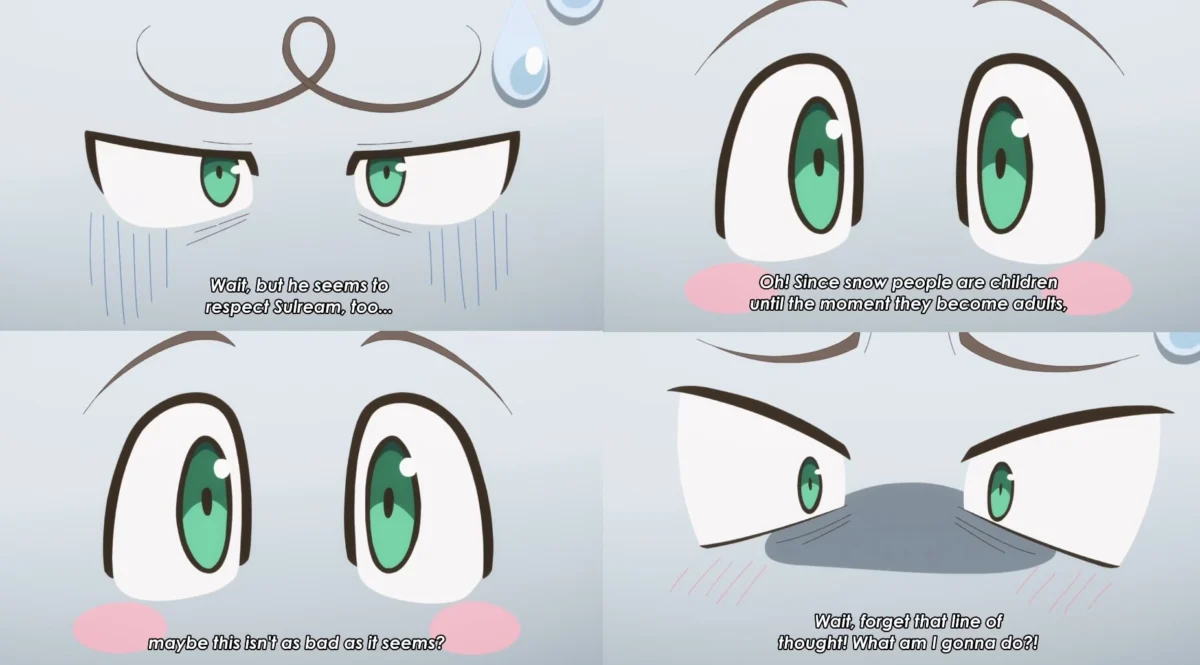










 Ali Ikhwan
 Lina Irawan