Raul Delapena Setiawan
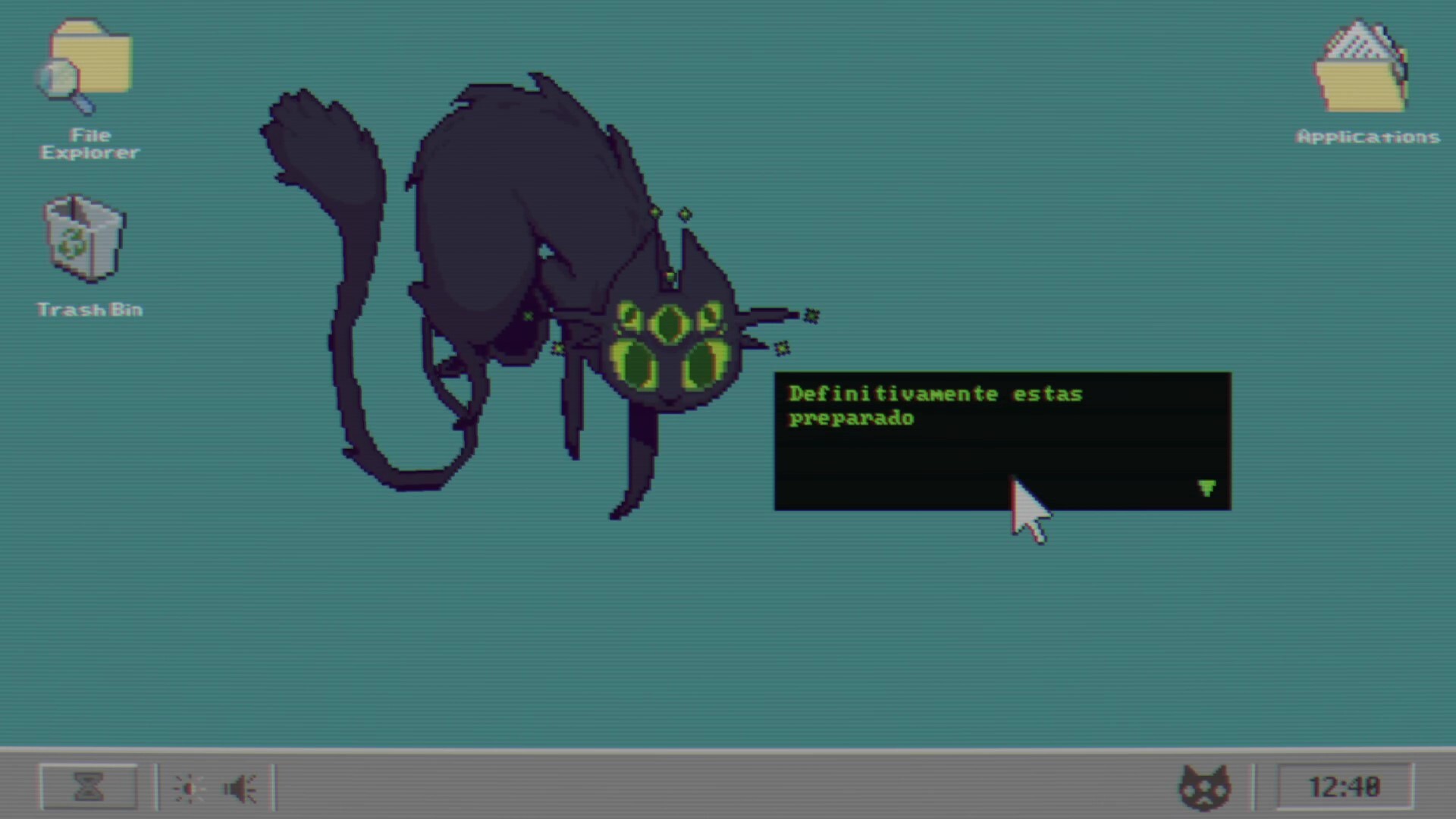
In the vast, ever-expanding ecosystem of indie gaming, there exists a sub-genre that thrives on subversion: the "desktop simulation" or "meta-horror" title. These games seek to shatter the fourth wall, turning the player’s own computer into a playground—or a prison. Overbit, a highly anticipated upcoming title, is the latest to master this unnerving art form. By blending the aesthetic of early 2000s computing with frantic, rage-inducing minigames, Overbit promises an experience that is as unsettling as it is addictive.
The Premise: A Virtual Machine with a Soul
At its core, Overbit is a horror-comedy RPG that tasks players with navigating a mysterious virtual machine. The narrative hook is simple yet effective: you have downloaded an unknown file, and within its digital confines, you discover a pocket dimension inhabited by a strange, often hostile, cast of creatures.
The game is not merely a collection of levels; it is a simulation of a collapsing system. As you navigate the file directory, you are introduced to sentient code—quirky creatures that dwell within the machine. Some are benevolent, struggling to survive the encroaching corruption, while others are clearly malicious, eager to dismantle both the software and your sanity.
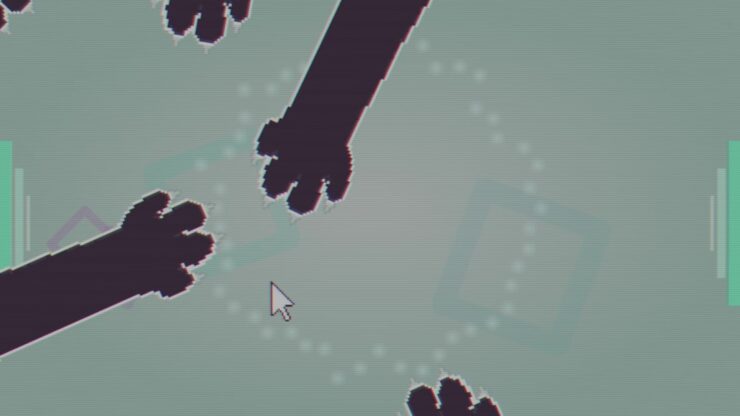
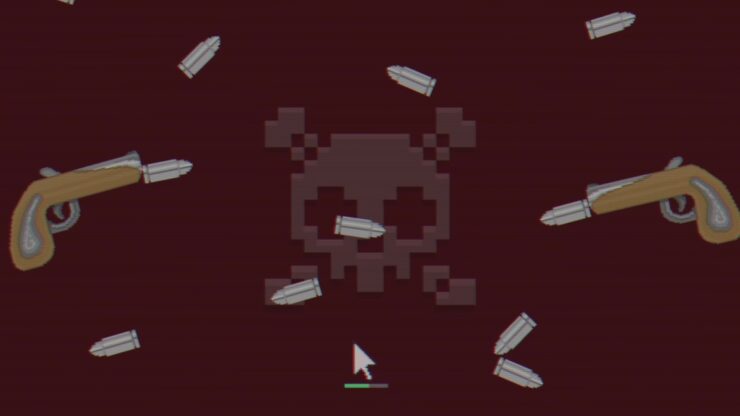
The gameplay loop is built upon a foundation of sudden, intense challenge. As you "poke around" the virtual machine’s files, you trigger surprise minigames that require lightning-fast reflexes. From dodging grasping cat hands to mastering rhythm-based combat and surviving bullet-hell gauntlets, the game demands total focus. These sequences are not just obstacles; they are the primary medium for storytelling. Each victory reveals a fragment of the lore, explaining the origin of this virtual environment and the nature of the corruption that threatens to erase its inhabitants.
Chronology: From Concept to Convention Standout
The development of Overbit has been marked by a focus on "intentional friction"—the design philosophy that a game should not always be polite to the player. During its early development, the team focused on creating a UI that felt authentic to the 2000s, complete with clunky windows, error messages, and the distinct, retro-inspired aesthetic of Windows-era computing.
The game gained significant traction during its recent showcase at the Bilbao Games Conference (BIG Conference). For many attendees, the demo served as their first introduction to the title’s unique brand of chaos. Observers noted that the game’s difficulty spikes, combined with its tendency to "take over" the player’s desktop, created a palpable tension in the room.
What makes the chronology of Overbit’s development particularly interesting is the shift from a pure "minigame collection" to a narrative-heavy RPG. Early playtesters were captivated by the character dynamics, leading the developers to lean deeper into the RPG elements. Players are now required to make moral choices—deciding which digital entities to trust and how to navigate the social hierarchy of a dying virtual world.
Supporting Data: Why Overbit Resonates
The success of titles like WarioWare proved that there is a massive audience for high-speed, bite-sized gaming. Overbit takes that proven formula and applies a coat of dark, atmospheric paint.
The "Intrusive" Interface
One of the most notable features of Overbit is its "intrusive design." In an era where most games try to be as unobtrusive as possible, Overbit actively fights back. It triggers fake pop-ups, creates system errors, and manipulates the cursor.
- System Interaction: The game effectively simulates a "virus" without causing actual harm, creating a psychological layer of immersion.
- Accessibility: Despite the high-octane nature of the minigames, the developers have implemented varying difficulty tiers. This ensures that the narrative is not locked behind an insurmountable skill wall, adhering to modern standards of inclusive game design.
- Narrative Pacing: The game manages a unique rhythm, alternating between the "slow burn" of exploring file directories and the "sudden shock" of the minigames.
Official Perspectives and Design Philosophy
While the development team behind Overbit remains focused on refining the core experience, the sentiment surrounding the game is one of "curated frustration." In discussions regarding the game’s difficulty, the team has emphasized that the frustration is meant to mirror the experience of being an outsider in a foreign, hostile digital environment.
"The game is meant to feel like it’s fighting you," a representative noted during the BIG Conference. "When the cursor starts moving on its own, or when a pop-up interrupts your progress, that is a deliberate narrative beat. You aren’t just playing a game; you are invading someone else’s home, and they are doing everything they can to kick you out."
This perspective highlights the "horror-comedy" aspect of the title. The humor stems from the absurdity of the situations—such as a cat hand attacking your cursor—while the horror comes from the realization that you are losing control of your own interface.
Implications: The Future of Meta-Horror
Overbit stands at the intersection of several growing trends in the indie scene. As players continue to seek experiences that defy the standard "AAA" formula, games that manipulate the player’s environment are gaining significant ground.
The Impact on Player Agency
Traditional games offer the player absolute control. Overbit challenges this paradigm by stripping that control away. The implications for game design are profound: how do you keep a player engaged when the game is actively trying to impede them? The answer, as Overbit demonstrates, is through high-quality writing and a compelling mystery. By making the "why" of the frustration as important as the "how," the developers ensure that players remain motivated to push through the chaos.
A New Standard for Retro Aesthetics
By specifically targeting the 2000s-era computer aesthetic, Overbit taps into a deep well of nostalgia. For many players, the sound of a dial-up modem or the sight of a classic blue-screen error message evokes a specific emotional response. By pairing these triggers with modern game design sensibilities, Overbit creates a "uncanny valley" effect that is perfect for the horror genre.
Conclusion: A Must-Wishlist Experience
As Overbit continues to progress through its development cycle, it is shaping up to be one of the most intriguing indie releases on the horizon. It is a title that demands your attention, your patience, and occasionally, your patience for its own digital malice.
For those who enjoy games that break the fourth wall, Overbit offers a refreshing, albeit chaotic, departure from the norm. Whether you are in it for the fast-paced, WarioWare-inspired minigames or the deeper mystery surrounding the corrupted virtual machine, there is a lot to uncover.
The game is currently in active development, with the team incorporating feedback from events like the BIG Conference to polish the experience. Players who are ready to dive into the madness—and perhaps have their mouse cursor hijacked once or twice—should head over to the Steam store to add Overbit to their wishlists.
In a digital world that is becoming increasingly polished and predictable, Overbit is a welcome bit of beautiful, frustrating, and truly memorable disorder. Keep an eye on this one; when the virtual machine finally finishes its boot sequence, you won’t want to be the only one left on the desktop.
About the Author
Jupiter Hadley is a prolific indie game journalist whose work has appeared in Metro UK, Big Boss Battle, AlphaBetaGamer, and various other publications. With an unwavering focus on the smaller, often overlooked gems of the industry, Jupiter covers thousands of game jams and indie titles via her popular YouTube channel. As the curator of indiegamejams.com, she remains at the forefront of the independent development scene, acting as a judge for numerous events and a champion for developers worldwide.


 Neng Nana
 Pevita Pearce