Basiran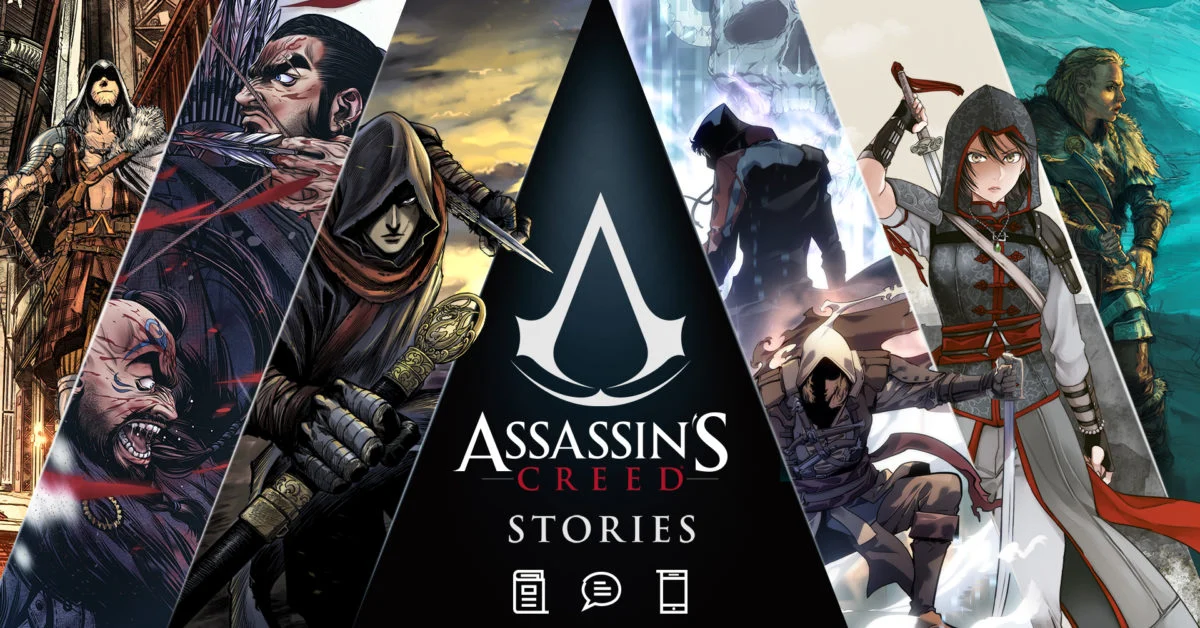
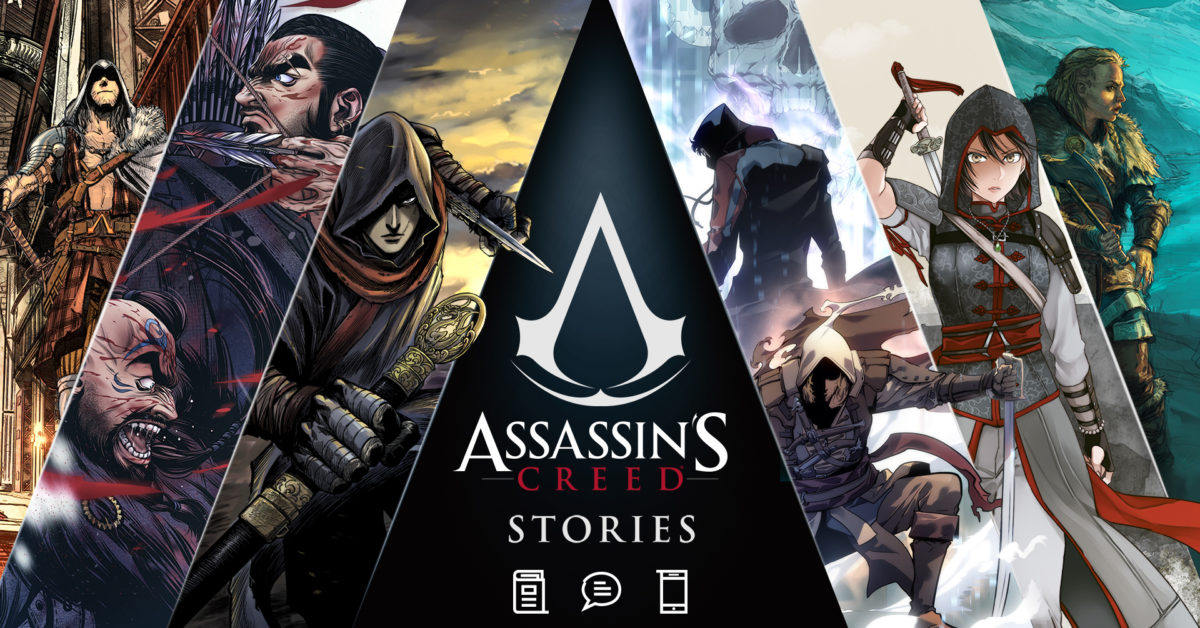
The Assassin’s Creed franchise, a cornerstone of modern interactive entertainment since its debut in 2007, is embarking on its most ambitious narrative expansion to date. Ubisoft, the powerhouse developer and publisher behind the series, officially announced today that it is pushing the boundaries of the Assassin’s Creed universe, migrating the centuries-old war between the Brotherhood of Assassins and the Templar Order into a diverse array of new media formats.
While the series has long been synonymous with high-fidelity console and PC gaming, this new initiative seeks to transform the intellectual property into a truly global transmedia powerhouse. By incorporating novels, graphic novels, manhuas, webtoons, and immersive podcasts, Ubisoft is providing creative teams worldwide the opportunity to explore historical epochs and character-driven arcs that the traditional gaming format might not fully capture. This move signals a strategic shift for Ubisoft, aiming to cultivate a consistent, high-quality narrative ecosystem that fans can engage with, regardless of their preferred medium.
The Strategic Classification: Classics, Chronicles, and Originals
To streamline this massive influx of new content, Ubisoft has categorized its upcoming publications into three distinct pillars, ensuring that both newcomers and long-time fans can navigate the sprawling lore with ease.
- Classics: This category serves as the foundation for the expansion, focusing on direct adaptations of the stories established in the iconic video game entries. These works act as a bridge for players who wish to revisit their favorite digital moments through the intimacy of the written word or illustrated narrative.
- Chronicles: These entries feature beloved, legacy Assassins from the franchise’s history. They are designed to flesh out the backstories and untold missions of characters who have already cemented their place in the hearts of fans.
- Originals: Perhaps the most exciting pillar for the long-term health of the series, "Originals" introduces entirely new protagonists, unexplored time periods, and fresh conflicts, proving that the Assassin’s Creed DNA—the eternal struggle for free will against control—is a versatile theme capable of infinite adaptation.
An In-Depth Look at the Upcoming Slate
Ubisoft’s roadmap for the coming year is nothing short of prolific. By partnering with internationally acclaimed creators and publishing houses, the company is ensuring that each story carries the authentic weight of the culture and history it depicts.
The Fragments Trilogy (Originals)
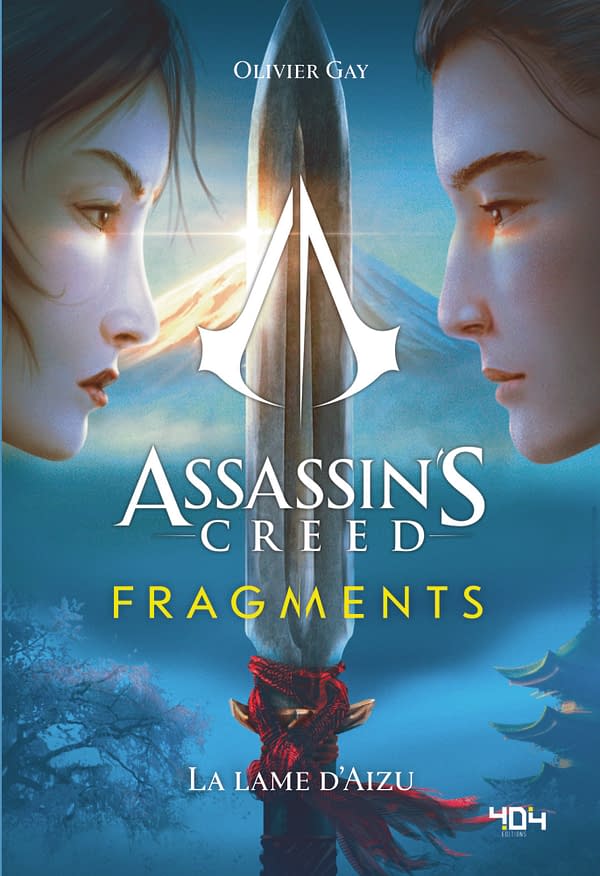
In partnership with the French publishing house Editis, Fragments is an action-adventure young adult trilogy that promises a unique emotional depth. The narrative centers on siblings caught in the crosshairs of the eternal Assassin-Templar feud. By focusing on the family dynamic, the series adds a layer of intimacy to the grand historical conflict. Each volume explores a distinct, high-stakes setting: 19th-century Japan, 13th-century Scotland, and 17th-century France.
The Jade Seal Collection (Originals)
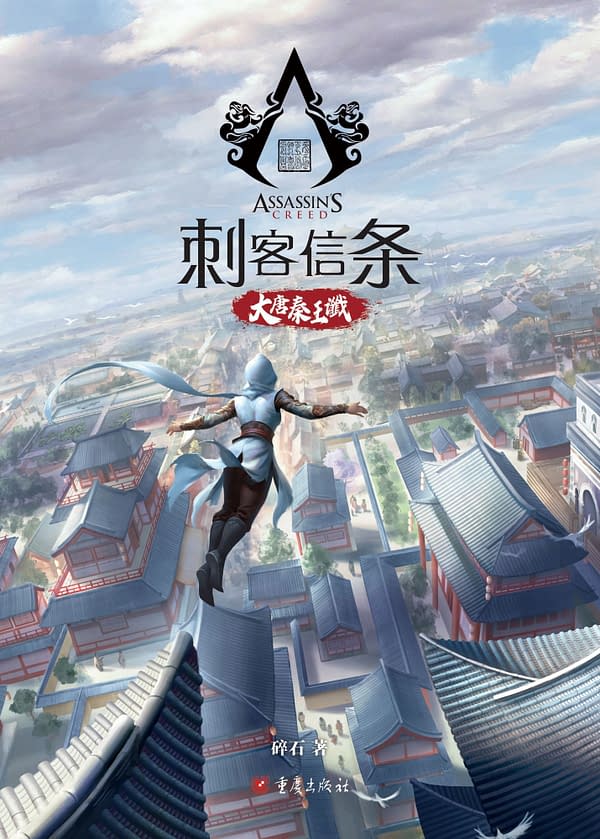
Representing a significant investment in Chinese historical storytelling, The Jade Seal Collection is a series of ten novels spanning from the Zhou Dynasty (4th Century BC) to the Ming Dynasty (17th Century). Written by six prominent Chinese authors, this collection promises to integrate the Assassin’s Creed mythos into the rich tapestry of Chinese history, introducing new characters and adversaries who operate within the shadows of the Imperial courts.
The Ming Storm (Chronicles)
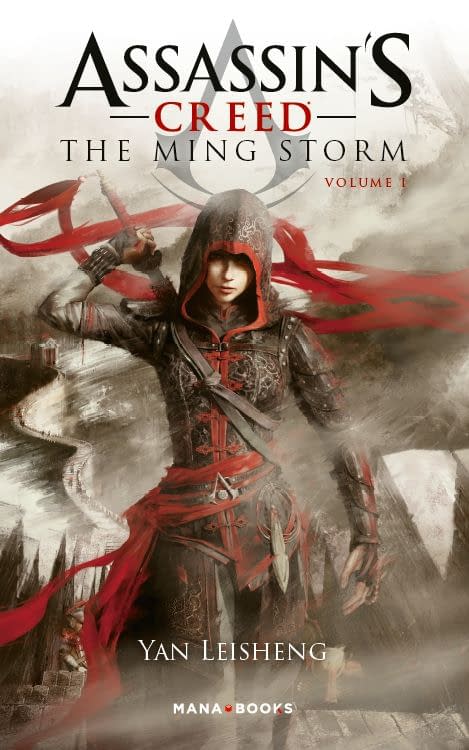
For fans who clamored for more of Shao Jun, the protagonist of Assassin’s Creed Chronicles: China, The Ming Storm is essential reading. Penned by best-selling author Yan Leisheng and published by Aconyte Books, this novel is the first in an action-packed trilogy. It chronicles Shao Jun’s journey to reclaim her place within the Brotherhood and her fight against the Eight Tigers. This title also marks a broader commitment from Aconyte, who will be rolling out further Assassin’s Creed Valhalla-themed novels throughout 2022.
Dynasty and Blood Brothers (Manhua)
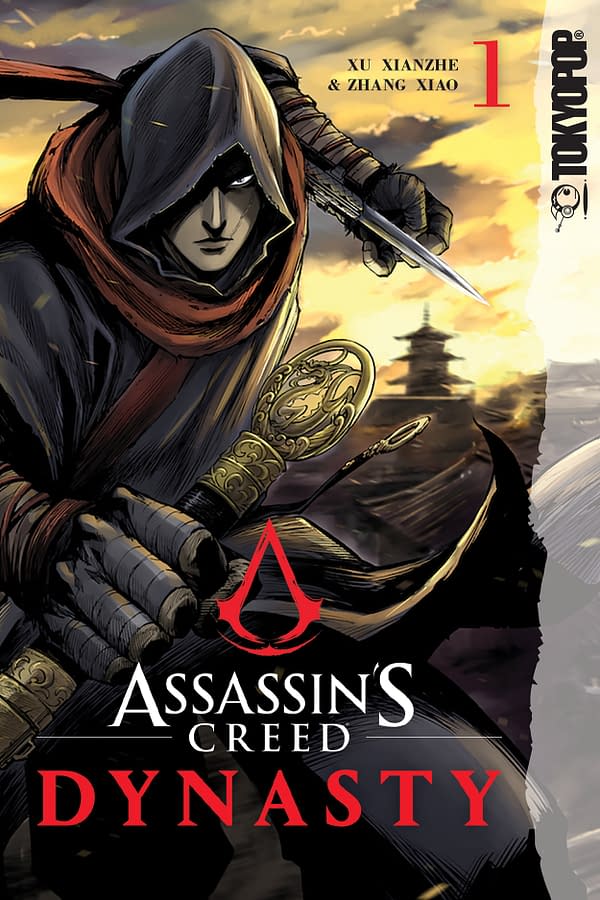
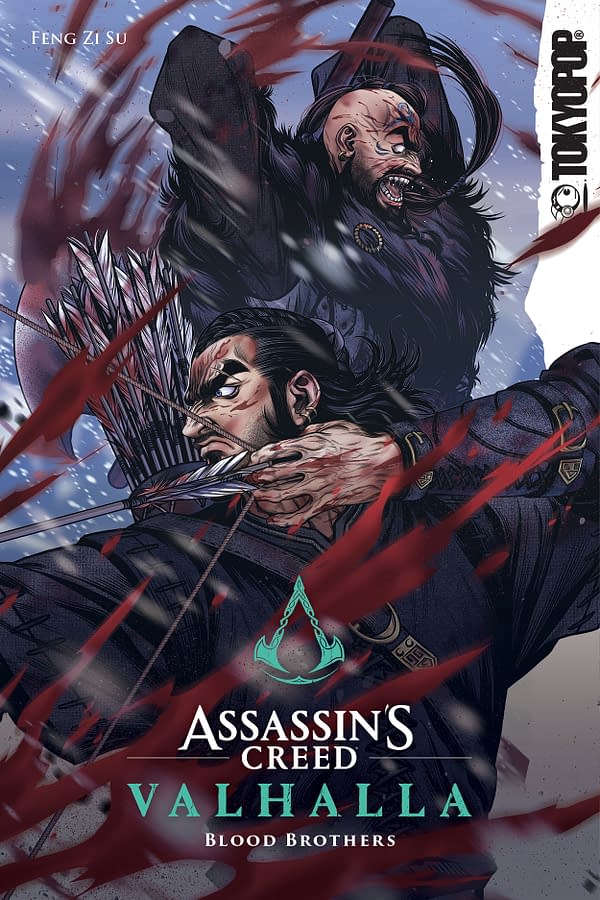
The manhua market is receiving significant attention from Ubisoft, with titles like Assassin’s Creed Dynasty leading the charge. Initially a viral webcomic in China with over 150 million views, this series—published by TOKYOPOP—follows Li E during the Tang Dynasty as he fights to prevent a catastrophic civil war. Simultaneously, Valhalla: Blood Brothers offers a visceral look at the world of the Norse Vikings, focusing on the exploits of two brothers shortly before the events of the Valhalla video game.
Blade of Shao Jun and Global Adaptations
Viz Media is bringing the Blade of Shao Jun manga to the West, offering a stylized, high-octane perspective on the iconic character. This series is notable for its inclusion of a modern-day plot thread involving a teenager named Lisa, who finds herself entangled in an Abstergo conspiracy, bridging the gap between the past and the present.
Multimedia Innovation: Podcasts and Webtoons
Recognizing the rise of audio storytelling, Ubisoft is launching Turbulence in the Ming Dynasty. This podcast, produced in collaboration with China’s Ximalaya platform, features a full cast, immersive sound design, and a cinematic score. Additionally, a new Korean webtoon currently in development with Redice will provide a direct sequel to the events of Assassin’s Creed: Black Flag, finally giving fans the narrative closure they have desired regarding Edward Kenway’s later years.
Official Perspectives: The Philosophy Behind the Expansion
The scale of this expansion is not merely a marketing exercise; it is a creative mandate. Aymar Azaïzia, Transmedia Director at Ubisoft Montreal, emphasized the freedom this provides to creators. "With a license as rich as Assassin’s Creed, many creators are excited to offer their vision of the franchise," Azaïzia noted. "It’s a great creative opportunity to publish a work that is relevant to the genre in question and produced by authors or illustrators who are recognized in their field."
This global, localized approach is echoed by Julien Fabre, Associate Director of Publishing at Ubisoft, who underscored the importance of cultural authenticity. "With so many creators from all over Asia delivering innovative content, a priority for Ubisoft has been to forge new relationships with talented partners in the region," Fabre explained.
By prioritizing local authors and artists to tell stories rooted in their own cultural histories, Ubisoft aims to move away from a "Western-centric" view of the Assassin’s Creed universe. As Etienne Bouvier, Publishing Content Manager, noted, "We seek to offer our fans new content in formats they are familiar with, and with stories that are rooted in their cultural background and their history."
The Implications for the Future of the Franchise
This pivot to transmedia storytelling has profound implications for the future of Ubisoft as a company and Assassin’s Creed as a brand.
First, it mitigates the "wait time" between major game releases. While AAA development cycles are becoming increasingly longer and more resource-intensive, the publishing arm can keep the brand top-of-mind by delivering a steady stream of narrative content. This creates a "sticky" ecosystem where fans feel connected to the lore year-round.
Second, it allows for narrative experimentation that carries lower financial risk than a full-scale video game. If a specific time period or character resonates well in a graphic novel or webtoon, it provides a "proof of concept" that could eventually influence future game design.

Finally, the inclusion of modern-day plotlines in mediums like manga and webtoons signals that Ubisoft is not abandoning the overarching "Present Day" storyline—the conflict between the modern-day Assassins and Abstergo—which has often been a point of contention among the fanbase. By weaving these threads through different media, they are creating a complex, interconnected narrative web that rewards the most dedicated fans.
As the Assassin’s Creed universe grows, the challenge for Ubisoft will be maintaining continuity across dozens of formats. However, if the current slate is any indication, the franchise is entering a new, more mature phase of its life cycle. By moving beyond the controller, Ubisoft is ensuring that the Creed—nothing is true, everything is permitted—will continue to resonate in bookstores, on screens, and through headphones for many years to come.

 Muslim
 Layla Zulfa