Laily UPN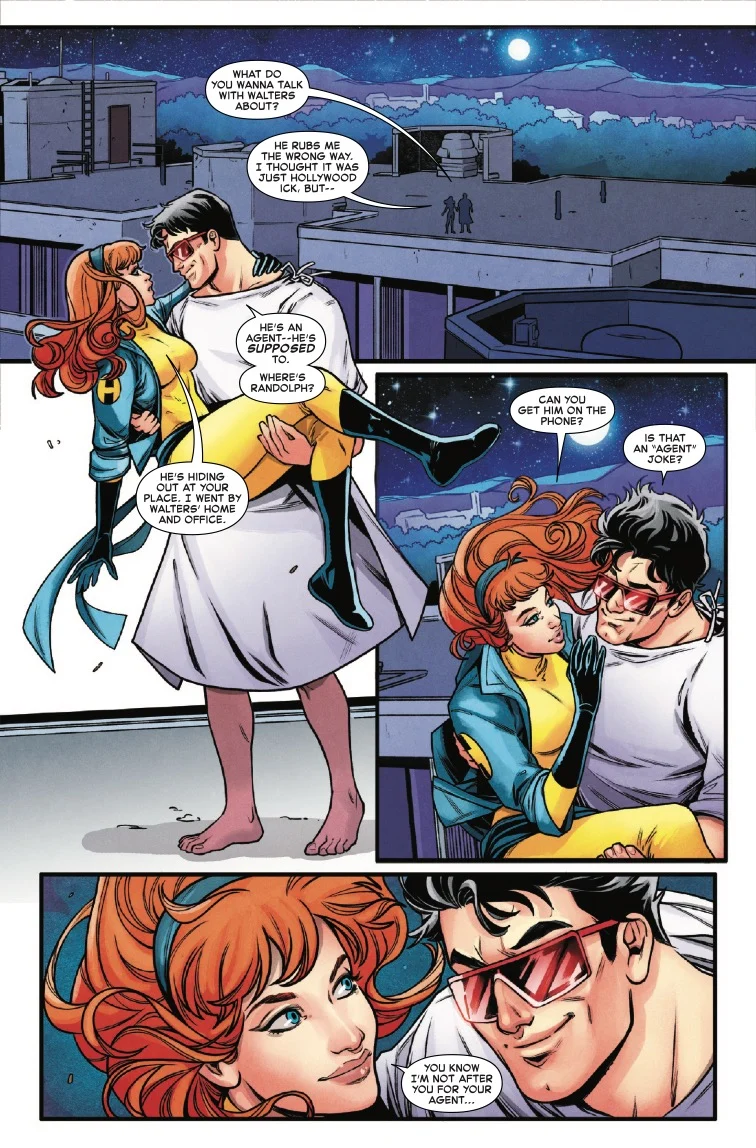
The Marvel Universe is no stranger to high-octane drama, but the latest preview for Wonder Man #4, set to hit shelves on June 17, 2026, promises a narrative shift that has already begun to generate significant buzz within the comic book community. Written by Gerry Duggan, with striking interior art by Laura Braga and vibrant color palettes by Rachelle Rosenberg, this upcoming installment of the Simon Williams saga elevates the stakes of celebrity heroics to a boiling point.
Main Facts: A Deadly Tour in Tinseltown
The central conflict of Wonder Man #4 centers on the ongoing threat posed by the Spot, a villain whose reality-warping abilities have turned Los Angeles into his personal playground of destruction. The narrative hook, dubbed "To LOVE and die in L.A.," suggests a grim trajectory for the city’s favorite Avenger-turned-actor.
According to official solicitations from Marvel, the Spot is continuing a "deadly tour of Hollywood," one that is hitting uncomfortably close to home for Simon Williams. As the villain’s chaos escalates, Williams finds himself forced to balance the external threat of a super-powered terrorist with the volatile, personal nature of his life in the spotlight. However, the most provocative element of the solicit—a winking suggestion that the issue contains a scene "you’ve likely never seen before in a comic book"—has led to rampant speculation regarding the boundaries the creative team is willing to push. The editorial team’s playful warning to readers—"Children: DON’T LOOK! AVERT YOUR EYES!"—has served only to heighten anticipation for a sequence that appears to deviate from the standard superhero formula.

Chronology: The Escalation of the Spot
To understand the gravity of Wonder Man #4, one must look at the recent trajectory of the series. The preceding issues have meticulously established the Spot as a credible, multi-dimensional threat. Unlike typical brawlers who seek world domination, the Spot’s current iteration in the Duggan-penned series has focused on structural and psychological sabotage, turning the geography of Los Angeles against its inhabitants.
- The Arrival: The initial arc established the Spot’s mastery over his inter-dimensional portals, creating a sense of dread as he systematically dismantled infrastructure.
- The Hollywood Pivot: By targeting the entertainment industry, the series has effectively stripped Simon Williams of his usual defensive posturing. As a public figure, Williams cannot simply punch his way out of this conflict; he must navigate the public relations fallout while keeping his loved ones safe.
- The Romantic Entanglement: The inclusion of Hellcat (Patsy Walker) has provided a grounding force for the series. Their burgeoning relationship has been a focal point of the last two issues, providing a necessary emotional contrast to the sterile, deadly nature of the Spot’s portals.
- The Tipping Point (Issue #4): The upcoming release represents the apex of this arc. The solicitation confirms that even as tragedy looms, Simon and Patsy will be "getting down to business," implying a convergence of high-stakes action and intimate character development.
Supporting Data: Behind the Scenes of the Creative Team
The creative team assembled for Wonder Man #4 is a powerhouse of contemporary comic talent. Gerry Duggan, whose tenure at Marvel has been defined by his ability to blend humor with dark, consequential stakes, is operating in a familiar wheelhouse. His work on X-Men and Deadpool has demonstrated a unique capacity for character-driven narratives that don’t shy away from modern sensibilities.
The visual storytelling is anchored by Laura Braga, whose clean lines and expressive character work provide a necessary clarity to the often chaotic reality-warping effects of the Spot. Rachelle Rosenberg’s color work is equally pivotal; her use of high-contrast palettes—particularly in the scenes involving the Spot’s portals—creates a visual language that separates the "normal" world of Hollywood from the "void" of the antagonist. The cover art, provided by Luciano Vecchio, captures the neon-soaked atmosphere of a late-night Los Angeles, further emphasizing the "noir" undertones of this specific chapter.
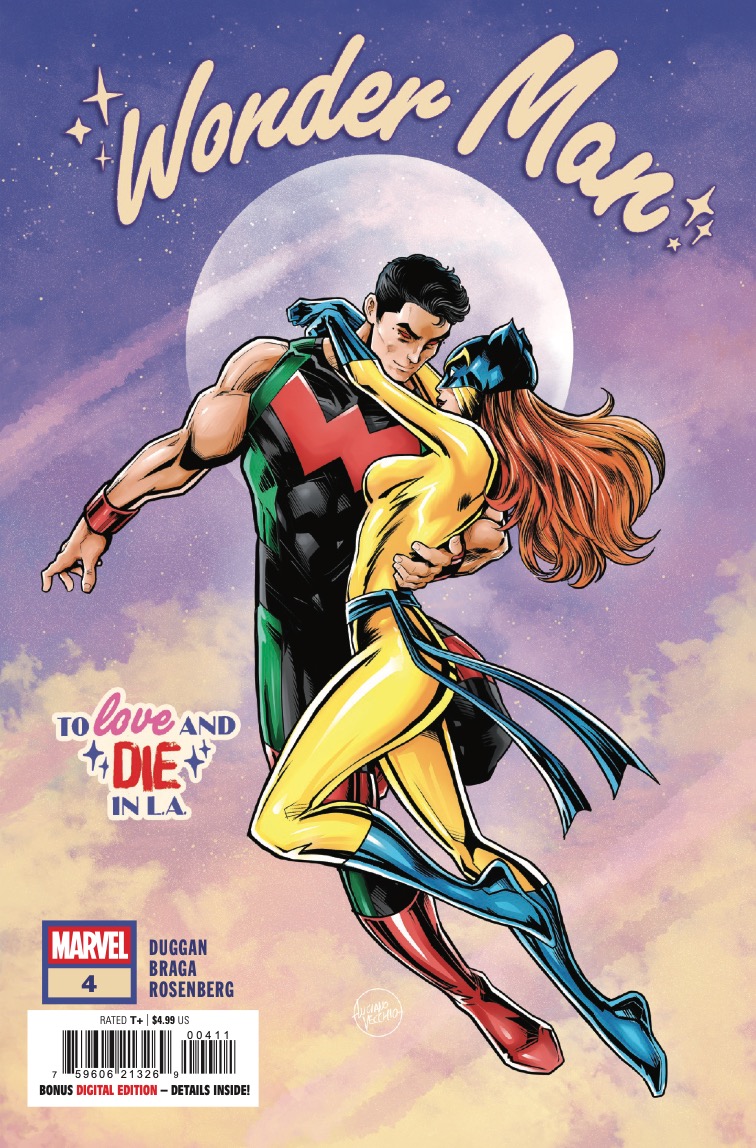
The technical specifications for the issue confirm a standard 32-page count, suggesting a dense narrative structure that allows for the promised "never-before-seen" scene to be properly contextualized within the larger plot.
Official Responses and Editorial Teases
Marvel’s editorial strategy for this issue has been characterized by "controlled mystery." By leaning into the suggestive nature of the relationship between Wonder Man and Hellcat, the publisher is courting a readership that values character-driven intimacy as much as traditional combat.
In a recent (albeit brief) correspondence, an editorial representative noted that "the goal for this run of Wonder Man was always to bridge the gap between his history as a classic Avenger and his modern role as a celebrity icon. When you put someone like Simon in a position where he has to protect the people he loves while the world watches, you get a very different kind of hero story."

The warnings regarding the "forbidden" nature of the central scene are almost certainly a marketing tactic designed to drive collector interest. However, in an era where comic book storytelling is increasingly focused on prestige and mature themes, such teases suggest that the creative team is taking a "no-holds-barred" approach to the physical and emotional vulnerabilities of their protagonists.
Implications: What This Means for the Marvel Universe
The implications of Wonder Man #4 extend beyond the immediate plot. If the series successfully executes a "mature" scene that balances superhero tropes with genuine adult relationship dynamics, it could set a precedent for how future Marvel titles handle the private lives of their heroes.
The "Celebrity" Hero Dilemma
Simon Williams is arguably the most "Hollywood" of all Marvel heroes. By placing him in direct conflict with the Spot—a character who represents the "cracks" in reality—Duggan is effectively holding a mirror to the artifice of celebrity. If the industry and the city he loves are being torn apart, can he remain a symbol of perfection? The outcome of this issue will likely determine whether Wonder Man remains a public-facing icon or if he will be forced to retreat into the shadows.

The Evolution of the Spot
Should the Spot survive the events of this issue, he will have cemented his place as a top-tier threat. By surviving a direct confrontation with the combined might of Wonder Man and Hellcat, he effectively moves out of the "villain-of-the-week" category and into the echelon of primary antagonists. This would represent a significant shift in the power dynamics of the West Coast Marvel scene.
The Future of the "Romance" Arc
Finally, the relationship between Simon and Patsy is at a crossroads. The editorial insistence that the two are "getting down to business" implies that the series is committed to a serious romantic trajectory. In the context of comic book history, relationships between prominent heroes are often used as stakes for future tragedy. If this relationship is solidified, it creates a new target for any future villains looking to hurt Simon Williams.
Conclusion: A Must-Read for Modern Fans
Wonder Man #4 is shaping up to be a defining moment in the character’s 2026 run. With a talented creative team at the helm and a narrative that promises to break the fourth wall of traditional superhero storytelling, it is a title that demands attention. Whether the promised "shocking" scene is a masterclass in character writing or a provocative marketing ploy, the surrounding narrative of a city under siege by a reality-warping villain provides a compelling backdrop for one of Marvel’s most complex figures.

Fans are encouraged to pre-order the issue ahead of its June 17, 2026, release date, as the buzz surrounding the preview pages suggests that this may be one of the more sought-after issues of the summer. As the lines between the glitz of Hollywood and the grit of the Marvel Universe continue to blur, Simon Williams finds himself exactly where he has always been: standing in the middle, trying to keep his composure while the world around him, quite literally, opens up.

 Sagoh
Sagoh
 Ammar Sabilarrohman