Asro
Asro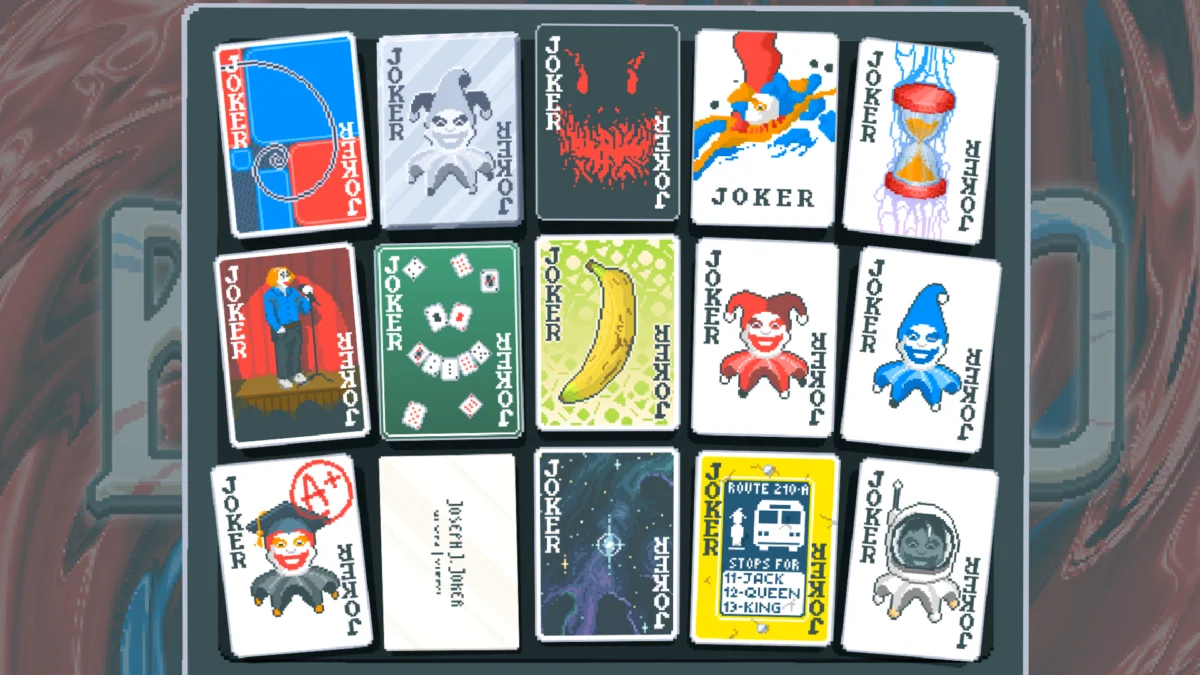
In a landscape where consolidation often signals radical structural changes, layoffs, and integration headaches, Playstack—the publisher behind the global sensation Balatro and the surprise hit Abiotic Factor—is charting a different course. Following its acquisition by the Integrated Media Company (IMC), the parent firm of industry titans like Fandom and GameSpot, Playstack’s leadership has moved quickly to reassure both its development partners and the wider gaming community that its independence is not only intact but fundamentally protected.
Harvey Elliott, the CEO of Playstack, has spent the days following the acquisition announcement clarifying the company’s position. For a publisher that has built a reputation on high-quality, "eclectic" indie titles, the shift in ownership represents a move toward greater stability rather than corporate assimilation.
The Core Facts: Independence Amid Acquisition
The acquisition by IMC, a portfolio company backed by TPG, marks a significant turning point for Playstack. Previously owned by the fintech-focused TruFin, Playstack had reached a size where it was becoming a disproportionately large piece of its parent company’s pie.
"If you’re 80% of what your organization does, then decisions I make affect them a lot," Elliott explains. "We need to be in a group where I can make those decisions and it doesn’t move from 80%."
Under the new ownership, Playstack will function as a standalone entity. According to Elliott, there will be no integration of back-office functions—no shared HR departments, no forced consolidation of QA teams, and no merging of financial systems. IMC’s operational philosophy, which leans heavily into fund management rather than creative interference, ensures that Playstack remains a nimble "variety publisher."
A Chronology of Growth and Transition
To understand the significance of this acquisition, one must look at the recent trajectory of Playstack, which has evolved from a boutique operation into a powerhouse of indie publishing.
- The TruFin Era: Playstack operated under the umbrella of TruFin, a firm primarily concerned with financial services. During this time, Playstack developed its "hit-focused" methodology, boasting a track record where over 85% of its backed titles generated a return on investment.
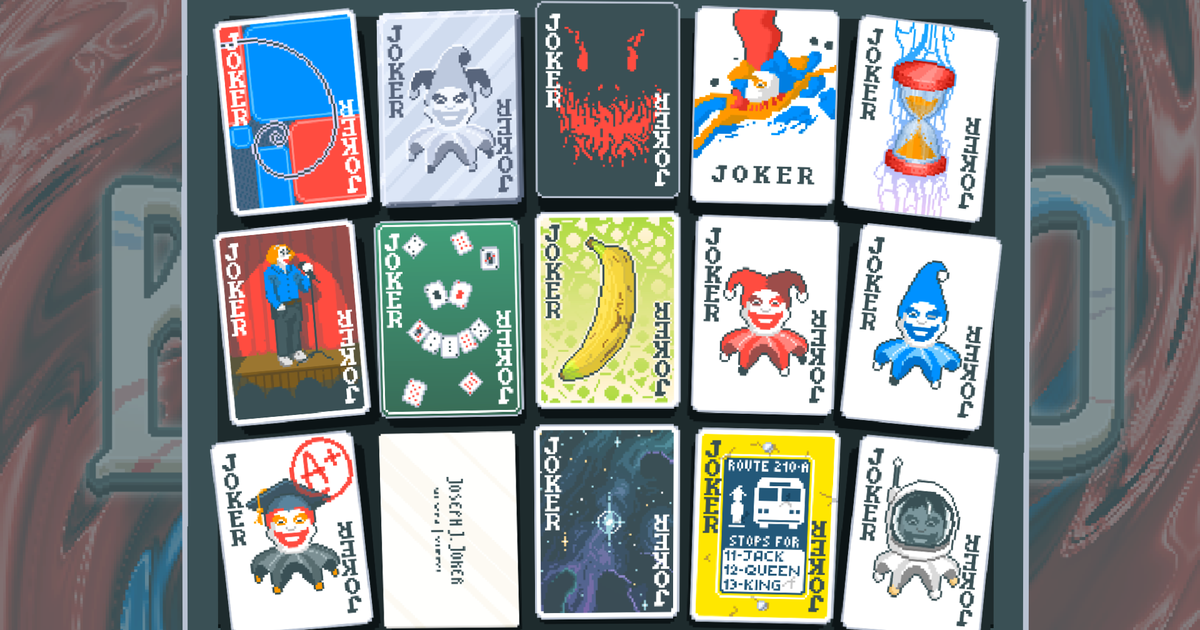
- The "Balatro" Phenomenon: 2024 saw the meteoric rise of Balatro, the poker-themed roguelike that captivated players worldwide. This success, coupled with the strong performance of titles like Abiotic Factor and the coin-pusher Raccoin (which has already surpassed 650,000 copies sold), placed Playstack in a position of significant leverage.
- Exploring Options: Throughout 2023, Playstack began exploring its future, seeking a partner that could offer the scale necessary to support its growing ambitions without stifling its unique, risk-tolerant culture.
- The IMC Acquisition: The deal with Integrated Media Company was finalized to provide Playstack with the capital and stability required for long-term planning through 2028, effectively decoupling the publisher from the limitations of its previous financial structure.
Supporting Data: The Science Behind the Success
Playstack’s reputation is not built on luck, but on a rigorous, data-driven approach to game selection. Elliott emphasizes that the firm maintains a "very rigorous" internal framework for analytics. However, he is careful to balance this with the "human" element of the industry.
The "People Business" Philosophy
Despite having sophisticated forecasting models, Playstack prioritizes developer relationships. The signing of Raccoin is a perfect example: the developer, Doraccoon, reached out directly to the publisher. This personal, on-the-ground networking remains the primary engine for discovering new titles.
Investment Tiers and ROI
The publisher adheres to a "fundamental rule": Playstack does not take a penny from a game until the developers themselves are profitable. This creates a symbiotic relationship that incentivizes quality.
- Standard Strategy: Most projects remain under the $1 million investment threshold.
- The "Big Bet" Exception: Each year, the firm identifies one or two projects that warrant a higher spend. These are approved only when the numbers and the creative vision align perfectly.
- The Hit Ratio: Maintaining a success rate north of 85% is rare in the volatile games market. It suggests that Playstack’s vetting process is not just about identifying a "fun" game, but identifying a game that fits a specific, underserved market niche.
Official Responses: No Changes to Creative Autonomy
A major concern for developers signed to a publisher is the potential for new owners to demand "design choices and opinions." Elliott has been categorical in his dismissal of this fear.

"They’re very respectful of the choices that we make and I think that’s what they’ve bought," Elliott says. He notes that while IMC understands the gaming market—given their ownership of Fandom and GameSpot—they have no interest in micro-managing creative output.
Furthermore, there will be no staff layoffs. The transition is viewed as a "scale-up" event rather than a cost-cutting measure. By operating as a separate vertical within IMC, Playstack avoids the "corporate bloat" that often plagues firms acquired by larger media conglomerates.
Implications: The Road to 2028
What does this mean for the future of Playstack? The implications are largely positive for both developers and consumers.
Diversification and "Eclectic" Lineups
Playstack remains committed to its "variety publisher" identity. While they have successfully managed sequels for established franchises like The Case of the Golden Idol and Mortal Shell, they are not becoming a sequel-mill. The pipeline for the next three years is already heavily populated with original IP, reflecting an "eclectic" range that caters to diverse player tastes.
The Power to Grow
The most significant change is the removal of the "barrier to entry" for larger projects. With IMC’s backing, Playstack no longer needs to worry about whether a project will negatively impact the parent company’s bottom line. This opens doors for:

- Longer Development Cycles: Investing in titles that require more time to polish without the pressure of quarterly financial targets.
- Market Expansion: Potential exploration of new regions or publishing verticals that were previously out of reach.
- Support for Legacy Hits: Continued investment in Balatro and Abiotic Factor to ensure these titles continue to reach new audiences.
A New Standard for Publishing?
Playstack’s transition serves as a potential blueprint for other mid-sized publishers. By focusing on data-backed risk assessment, maintaining a human-centric approach to developer relations, and finding a parent company that values operational autonomy, Playstack has managed to secure its future without losing its soul.
As Elliott looks toward 2028, his confidence is palpable. The company is no longer just surviving; it is scaling. For the independent developers looking for a home, the message from Playstack is clear: the support structure is stronger than ever, the strategy remains rooted in the success of the developer, and the creative freedom that defined the studio remains the cornerstone of their future operations.
"Just because you can do something doesn’t mean you should do something," Elliott concludes, reaffirming that despite the influx of new capital, Playstack’s success will continue to be driven by discipline, passion, and a refusal to compromise on the games that define their brand.


 Jia Lissa
 Azzam Bilal Chamdy