

By Brian Keith Eastlake
July 3, 2026
In an era defined by the frantic pace of modern tourism—where travel is often measured by the number of pins on a map or the speed at which one can "check off" landmarks—a quiet revolution is taking place in the heart of Japan. Tucked away in the southern reaches of Fukui Prefecture lies a sanctuary of stillness: a landscape shaped by centuries of history, where the modern world feels like a distant, inconsequential murmur.
The "Uwari Cycling Adventure," facilitated by DEKITA Co., Ltd., is more than a recreational activity. It is an invitation to slow down, to breathe in the scent of wet earth and pine, and to participate in the rhythm of the satoyama—the traditional, harmonious relationship between human society and the natural environment.
Main Facts: A Journey Through Time and Terrain
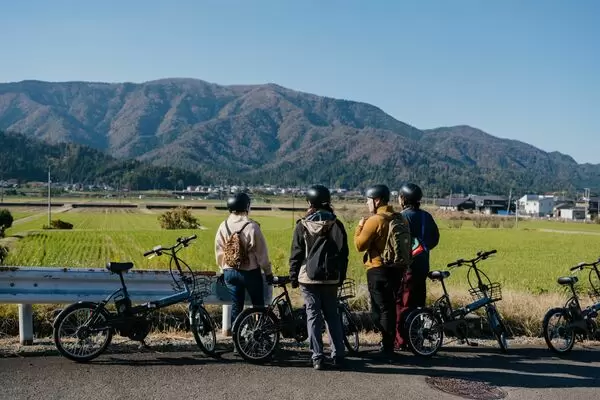
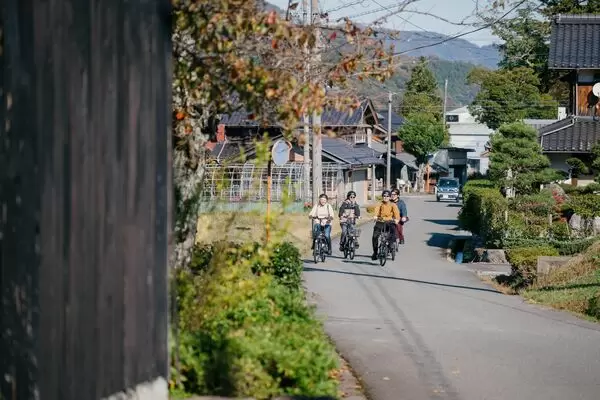
The Uwari Cycling Adventure is a curated, three-hour exploration of the Wakasa region, specifically centering on the historic post town of Kumagawa-juku. Managed by DEKITA, an organization dedicated to the preservation and cultural activation of this ancient thoroughfare, the tour utilizes high-quality electric-assist bicycles to make the rural terrain accessible to all fitness levels.
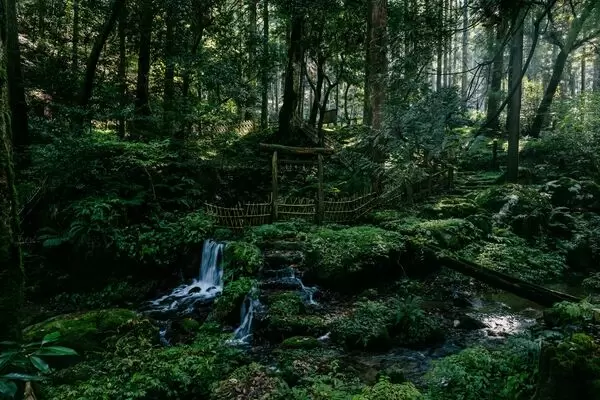
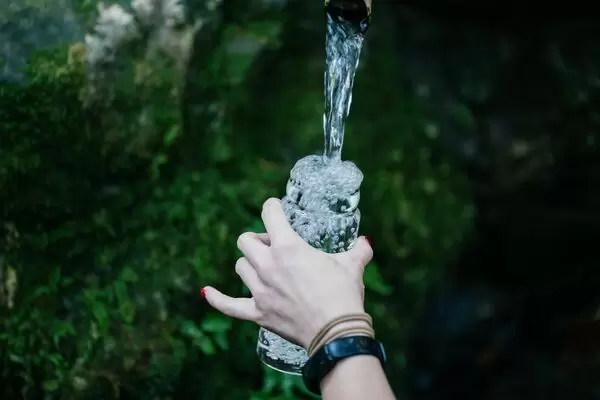
The tour’s namesake, Urikiri Falls, serves as the spiritual anchor of the journey. This natural spring, renowned for its crystalline water, serves as a testament to the purity of the Fukui landscape. The experience is intimate by design, capping participation at five individuals to ensure that the quietude of the villages and the sanctity of the forest remain undisturbed.
Chronological Overview: A Day in the Life of the Route
The experience is meticulously structured to transition the traveler from the historic center to the wilder, untouched edges of the prefecture.
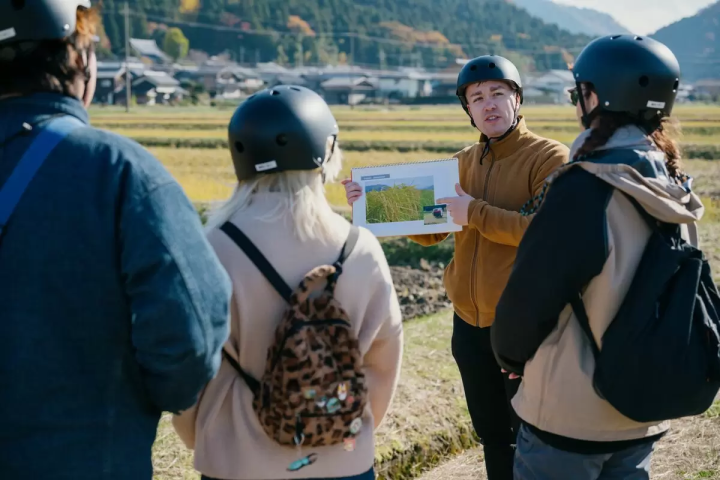
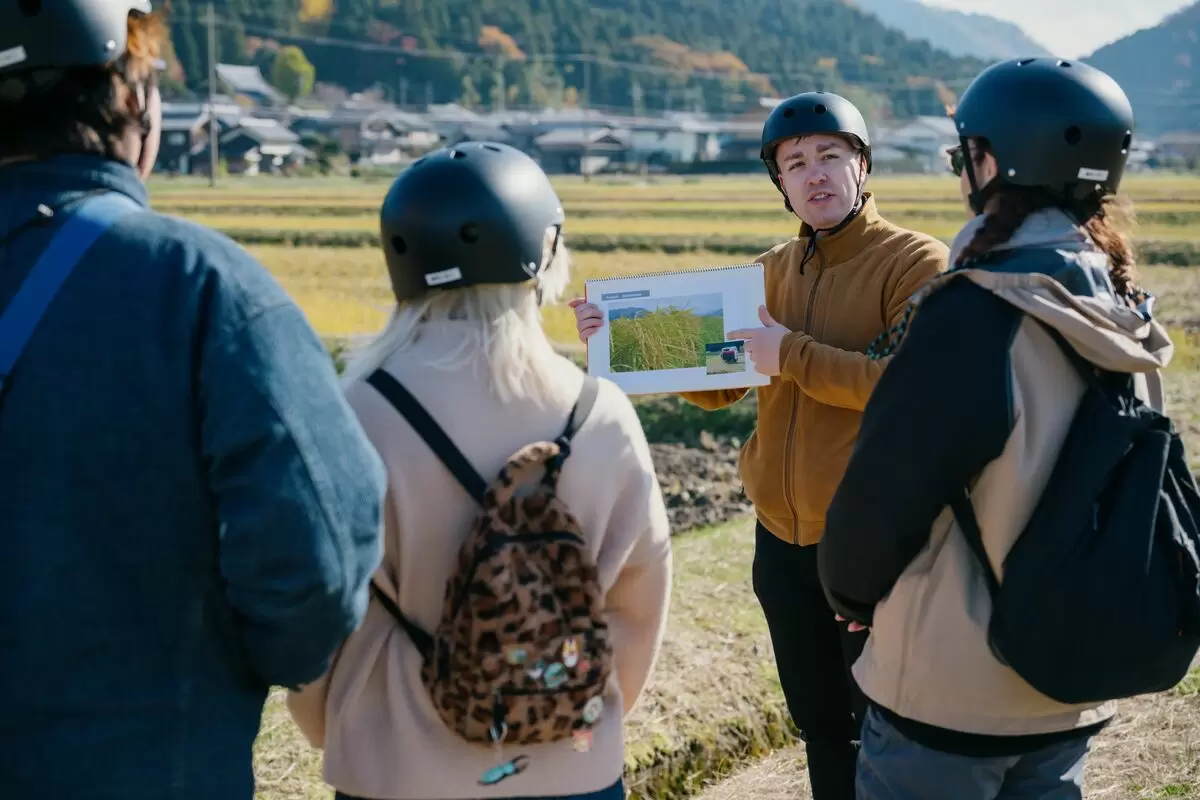
- 10:00 AM: The Briefing at Yaokumagawa. The day begins at the Yaokumagawa reception area. Here, participants are outfitted with essential gear—waterproof jackets, waist pouches, and specialized water bottles—that reflect a deep understanding of the environment. The guide provides a comprehensive overview of the route, emphasizing the philosophy of "slow travel."
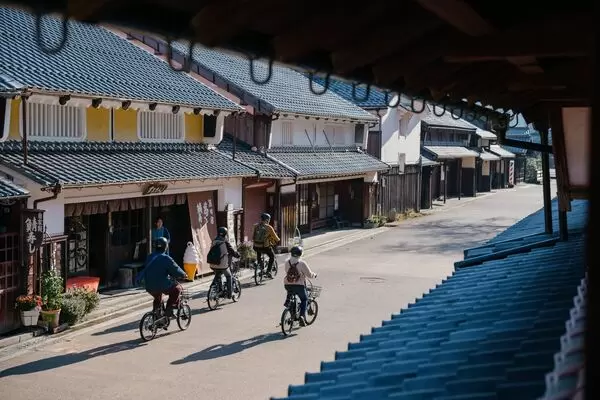
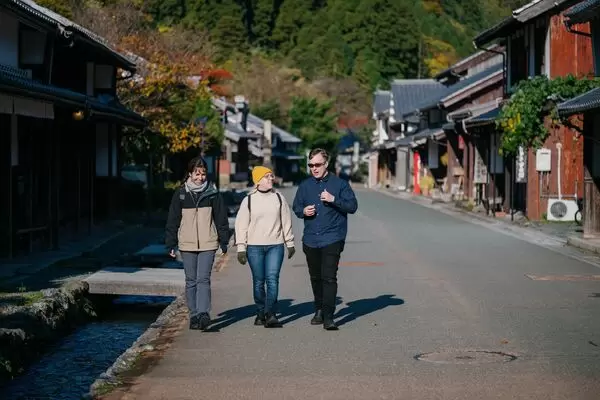
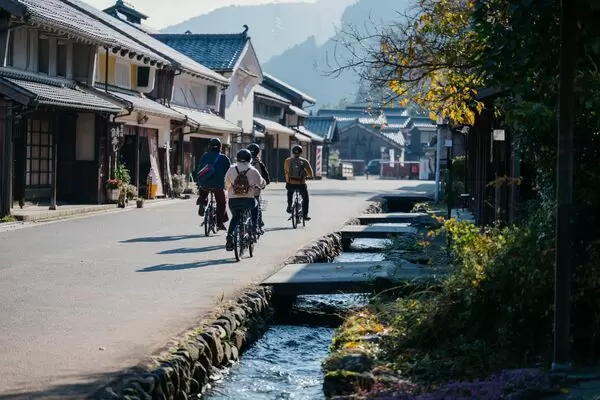
- 10:30 AM: Entering the Past. Participants walk from the reception area to the bicycle staging ground. After a safety orientation and a brief lesson on the handling of electric-assist bicycles, the group navigates the narrow, well-preserved alleys of Kumagawa-juku.
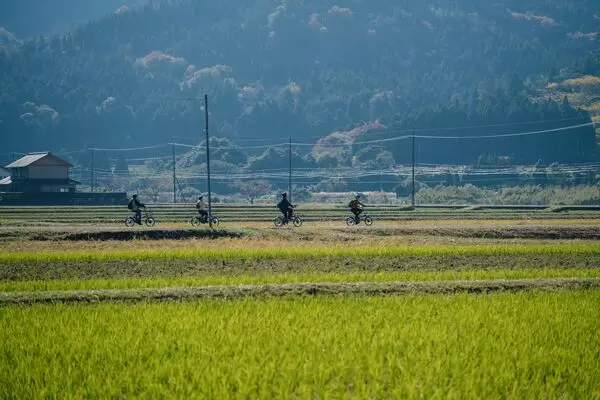
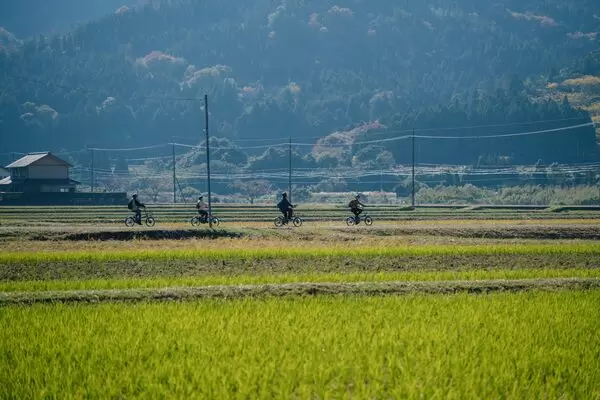
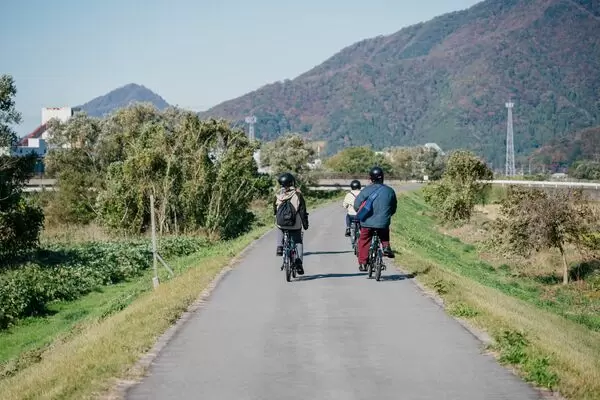
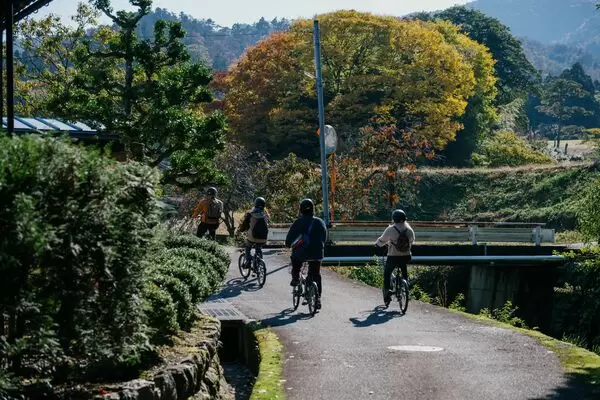
- 11:00 AM: The Rural Transition. The tour exits the town, moving onto secondary backroads. The scenery shifts from historic timber architecture to a mosaic of rice paddies, irrigation canals, and traditional homesteads.
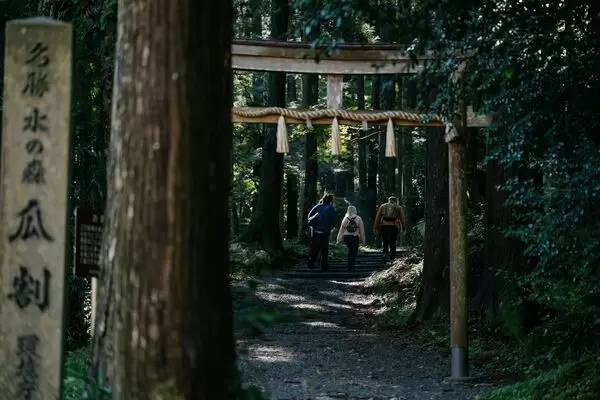
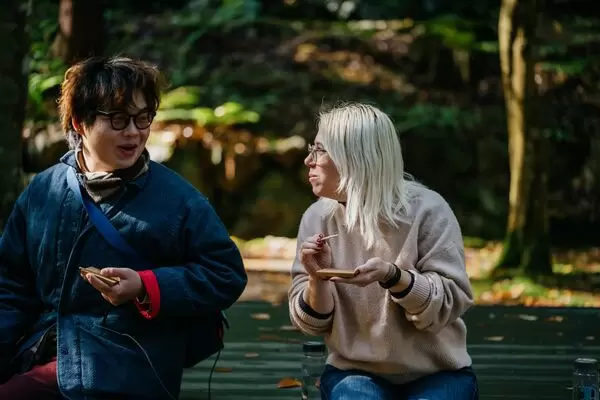
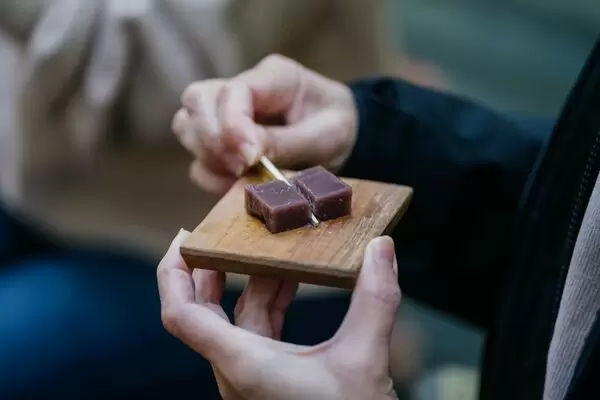
- 11:45 AM: The Urikiri Oasis. The route culminates in the lush, shaded path leading to Urikiri Falls. The sound of the spring water provides a natural sensory reset. Participants are encouraged to fill their provided bottles with the pristine water and enjoy a moment of stillness or a light, locally sourced dessert provided by the guide.
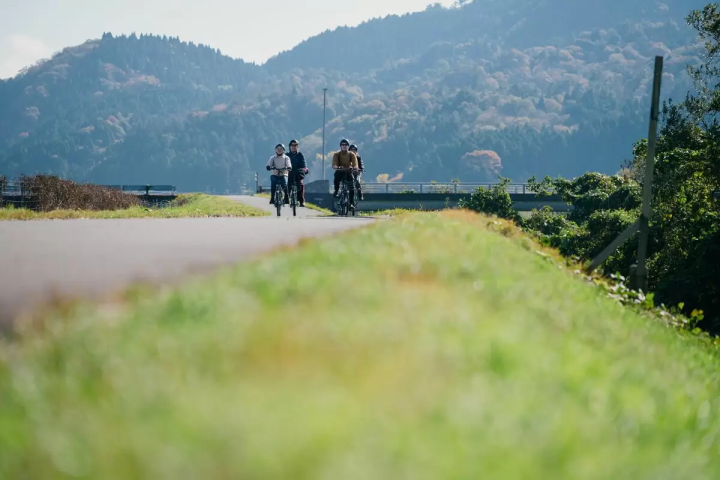
- 12:30 PM: The Homeward Journey. The return path takes a slightly different route through the Miyake district, offering a glimpse into the daily lives of local residents. The journey concludes at the Yaokumagawa base by 1:00 PM.
Supporting Data: The Logistics of "Slow Travel"
To ensure both safety and a high-quality experience, the tour operates under specific logistical parameters:
| Feature | Specification |
|---|---|
| Seasonality | March to November |
| Pricing | 10,000 JPY per person (tax included) |
| Group Size | 2 to 5 participants |
| Duration | Approx. 3 hours (10:00 AM – 1:00 PM) |
| Included Gear | E-assist bike, helmet, waist pouch, water bottle, snacks |
Note: Single participants are welcome, though the minimum booking fee is for two people. Participants are responsible for their own safety, and travel insurance is strongly recommended.
The Cultural Significance of Kumagawa-juku
Kumagawa-juku is not merely a collection of old buildings; it is a vital artery of Japanese history. Once a critical node on the "Saba Kaido" (Mackerel Road), this town was the gateway through which fresh seafood from the Wakasa Bay was transported to the imperial capital of Kyoto.
The architecture today remains largely unchanged, reflecting the wealth and activity of the Edo period. By operating out of a restored townhouse, DEKITA Co., Ltd. does not just preserve the wood and stone of the past; they keep the lifestyle alive. The "Uwari" experience allows guests to see these structures not as museum exhibits, but as living, breathing homes that continue to anchor the community.
Implications: The Future of Sustainable Regional Tourism
The Uwari Cycling Adventure stands as a model for "low-impact" tourism. By limiting group sizes and encouraging a slower pace, the tour minimizes the disruption of local life while maximizing the cultural and emotional impact for the visitor.
The Role of the "In-Between" Spaces
The tour emphasizes the "in-between" spaces—the narrow roads between rice paddies, the small bridges over irrigation ditches, and the silent fire lookout towers that once served as the village’s security network. These elements represent a form of collective responsibility that defined rural Japan for centuries. When a visitor stops to admire a fire tower in the Miyake district, they are not just looking at a structure; they are acknowledging a history of mutual reliance that is often invisible in urban settings.
The Psychological Shift
Perhaps the most profound implication of this tour is the internal transformation of the traveler. By removing the pressure to "see it all," the tour forces a shift in focus. The electric-assist bike allows the rider to handle the gentle inclines of the region, but it also allows them to look around rather than focusing solely on the physical exertion of pedaling. The result is a heightened state of awareness. The sound of water in the forest, the greeting of a local farmer, or the cooling air of the mountains becomes the primary memory of the trip.
Final Reflections: A Note to Potential Travelers
The Uwari Cycling Adventure is for those who are tired of the checklists. It is for the person who finds more value in a single, clear moment of connection with a forest stream than in a crowded tourist trap.
As you prepare for your journey, keep these principles in mind:
- Respect the Silence: The villages you pass through are living communities. Maintain a quiet demeanor.
- Stay Alert: While the roads are quiet, they are shared with local traffic and agricultural machinery. Always ride on the left.
- Engage the Senses: The beauty of this route is not found in a grand destination, but in the subtle shifts of the landscape. Watch the water, listen to the trees, and allow yourself to be present.
For those seeking to understand the deep, quiet, and enduring spirit of Japan, this journey through the heart of Fukui is an essential pilgrimage.
Contact Information:
- Location: Yaokumagawa, 30-6-1 Kumagawa, Wakasa-cho, Mikata-Kami-Naka, Fukui Prefecture 919-1532
- Phone: 0770-62-1777
- Website: https://yao-kumagawa.com/
- Social Media: Follow the journey via the Wakasa Bay Explorer Instagram.











