Jia Lissa
In the ever-evolving ecosystem of Apple hardware, the synergy between devices is often the brand’s most compelling selling point. With the introduction of iOS 26, Apple quietly expanded the utility of its ubiquitous audio wearables, transforming the AirPods lineup from simple listening devices into functional extensions of the iPhone’s creative suite. For photographers, content creators, and casual users alike, the new "Camera Remote" feature offers a seamless way to capture images without the frantic rush of a self-timer or the need for a secondary Apple Watch.
The Evolution of Remote Capture
Historically, the ability to control an iPhone camera remotely was reserved for those who owned an Apple Watch. The Watch’s dedicated Camera Remote app has long served as a viewfinder and shutter release, perfect for group shots, long-exposure photography, or capturing candid moments from a distance. However, for those who do not wear a smartwatch, the traditional "timer" method—setting the phone down, sprinting to a position, and hoping for the best—has remained the standard for years.
The integration of Camera Remote into the AirPods interface represents a significant shift in Apple’s design philosophy. By leveraging the physical controls already built into the AirPods’ stems or the AirPods Max’s Digital Crown, Apple has effectively turned an audio accessory into a hardware-based remote shutter. This feature, rolled out alongside the iOS 26 update last September, underscores Apple’s commitment to increasing the interoperability of its peripherals.
Understanding the Prerequisites
Before attempting to configure your devices, it is essential to acknowledge that this feature is not universal across the entire AirPods catalog. Due to the requirement for specific touch-sensitive controls and updated firmware, older models—including the first-generation AirPods Pro—do not support the Camera Remote functionality.
To utilize this feature, users must ensure they are operating on iOS 26 or later and possess one of the compatible, newer-generation AirPods models that feature advanced press-and-hold or click-based gesture support. This hardware dependency ensures that the device can reliably register the "click" command as a shutter signal rather than a media playback command.
Step-by-Step: Enabling the Camera Remote
For users looking to streamline their photography workflow, enabling the feature is a straightforward process within the iOS settings menu. Follow this systematic approach to configure your device:
- Verify Connectivity: Ensure your AirPods are paired with your iPhone and that at least one earbud is actively connected to the device.
- Access AirPods Settings: Open the "Settings" app on your iPhone and tap on the AirPods menu, which appears near the top of the list when the devices are connected.
- Navigate to Gestures: Look for the section labeled "Controls" or "Gestures." Here, you will find options to map specific physical actions to camera functions.
- Assign the Action: You can choose to assign the "Press Once" or "Press and Hold" gesture to the camera shutter. Once configured, your AirPods will send a signal to the iPhone camera app whenever the gesture is performed.
It is critical to note that this functionality is context-aware. The AirPods will only act as a shutter trigger while the iPhone’s native Camera app is open and active on the screen.
Navigating the Trade-offs: Gesture Conflicts
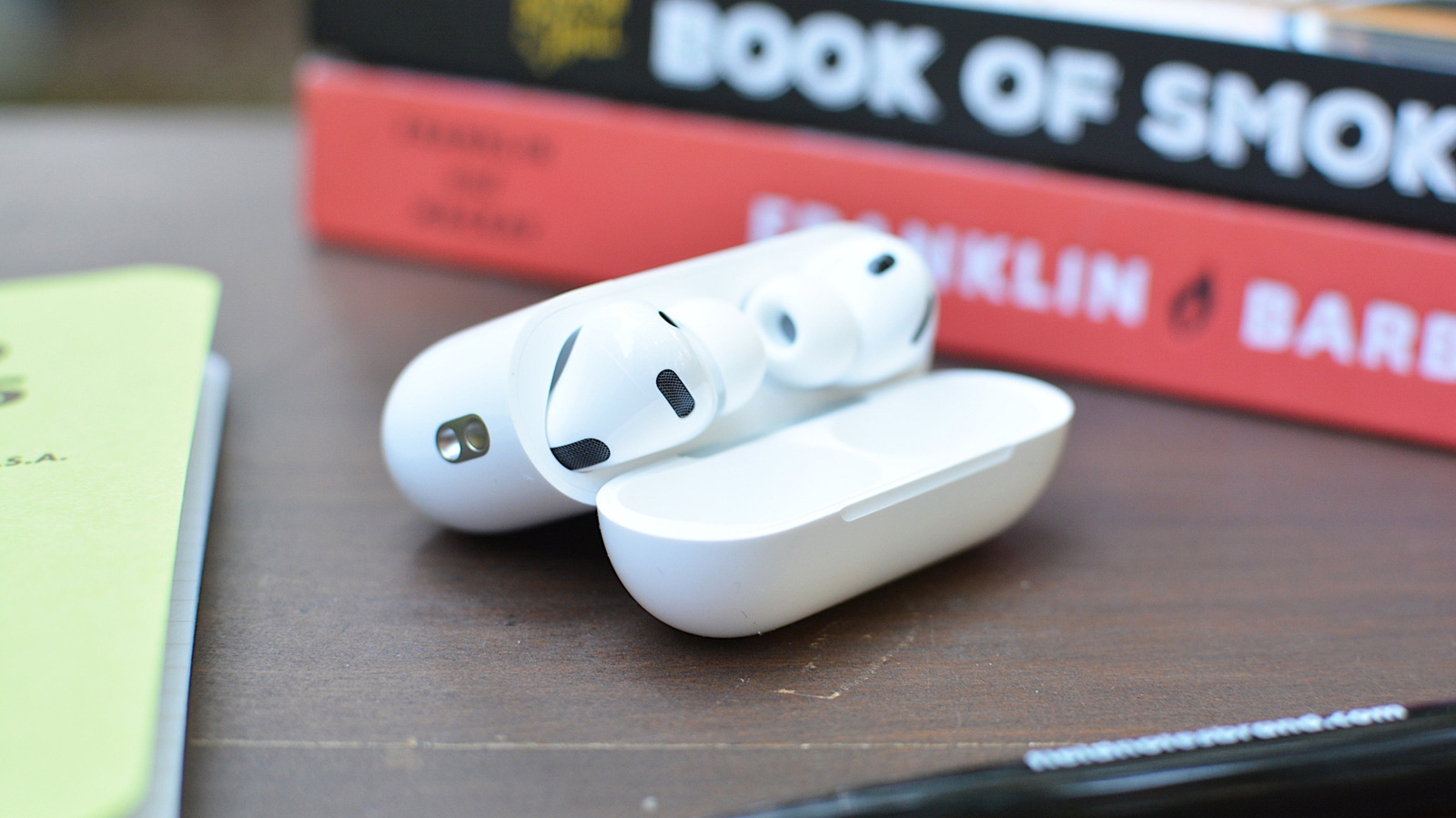
Innovation often comes with compromises, and the Camera Remote feature is no exception. Because the AirPods have a finite number of physical input methods, enabling camera controls requires the reassignment of existing gestures.
Apple provides clear warnings within the Settings app regarding these conflicts:
- The "Press Once" Conflict: If you map the single-press gesture to trigger the camera, you will lose the ability to use that gesture for standard media controls (such as play/pause) while the camera app is active.
- The "Press and Hold" Conflict: If you choose to use the press-and-hold gesture for the camera, you will temporarily lose access to switching between Noise Cancellation, Transparency mode, or triggering Siri while the camera app is in the foreground.
These trade-offs are designed to prevent input overlap. By prioritizing the camera shutter during a photo session, Apple ensures that a stray touch doesn’t accidentally trigger a Siri command or pause your music when you are trying to capture a perfect shot.
Implications for Content Creation
The implications of this update for content creators are profound. For solo creators, the ability to control a camera from a distance using an invisible, discreet input method—the AirPods—is a game-changer.
Enhanced Stability and Composition
One of the primary benefits of a remote shutter is the reduction of camera shake. When tapping the screen of an iPhone on a tripod, even the slightest vibration can result in a blurry image, especially in low-light conditions where the shutter speed is slower. By utilizing the AirPods as a remote, the phone remains completely stationary, allowing for cleaner, sharper images.
Fluidity in Video Production
The functionality extends beyond still photography. Users can start and stop video recordings by interacting with their AirPods. This allows for a more natural performance; a creator can stand in front of their setup, prepare their stance, and trigger the recording without having to edit out the "run-back" or the initial seconds of fumbling with the screen. It allows for a more professional, "one-take" feel that was previously difficult to achieve without a dedicated production assistant.
Discreet Photography
For street photographers or those looking to capture candid moments without the intimidating presence of a "photographer behind the camera," the AirPods remote is invaluable. The subject remains focused on the environment, unaware that the shutter is being triggered, resulting in more authentic, unposed imagery.
Official Stance and Future Outlook
Apple has not issued a detailed white paper on the technical implementation of this feature, but the move aligns with their broader strategy of "computational photography." By making the camera more accessible and easier to use in diverse scenarios, Apple encourages users to rely more heavily on their iPhones for professional-grade tasks.
Industry analysts suggest that this is merely the first step in integrating peripherals into the iPhone’s creative workflow. With the rise of Spatial Video and augmented reality (AR), we can expect future updates to include more nuanced controls, perhaps allowing users to adjust zoom, focus, or even exposure settings directly through haptic gestures on the AirPods stems.
Conclusion: A New Standard for Mobile Photography
The ability to use AirPods to control the iPhone camera is a prime example of how small software updates can drastically alter the utility of existing hardware. While it may not replace a professional remote trigger for studio photographers, it provides an elegant, highly accessible solution for the everyday user.
As we look toward the future of iOS, the lines between our audio, visual, and computational devices continue to blur. For now, the next time you find yourself struggling to capture that perfect group shot or attempting to record a solo presentation, remember that your AirPods are more than just a pair of headphones—they are now a fully functional, wireless shutter release.
By taking the time to configure these settings, you are not just customizing your device; you are expanding the creative possibilities of the technology you carry in your pocket every single day. Whether you are an influencer, a hobbyist, or simply someone who likes to capture life’s moments, this feature is a testament to the fact that the best camera is indeed the one you have with you—and now, the one you can control from across the room.


 Asro
Asro
 Rifan Muazin