Nana Wu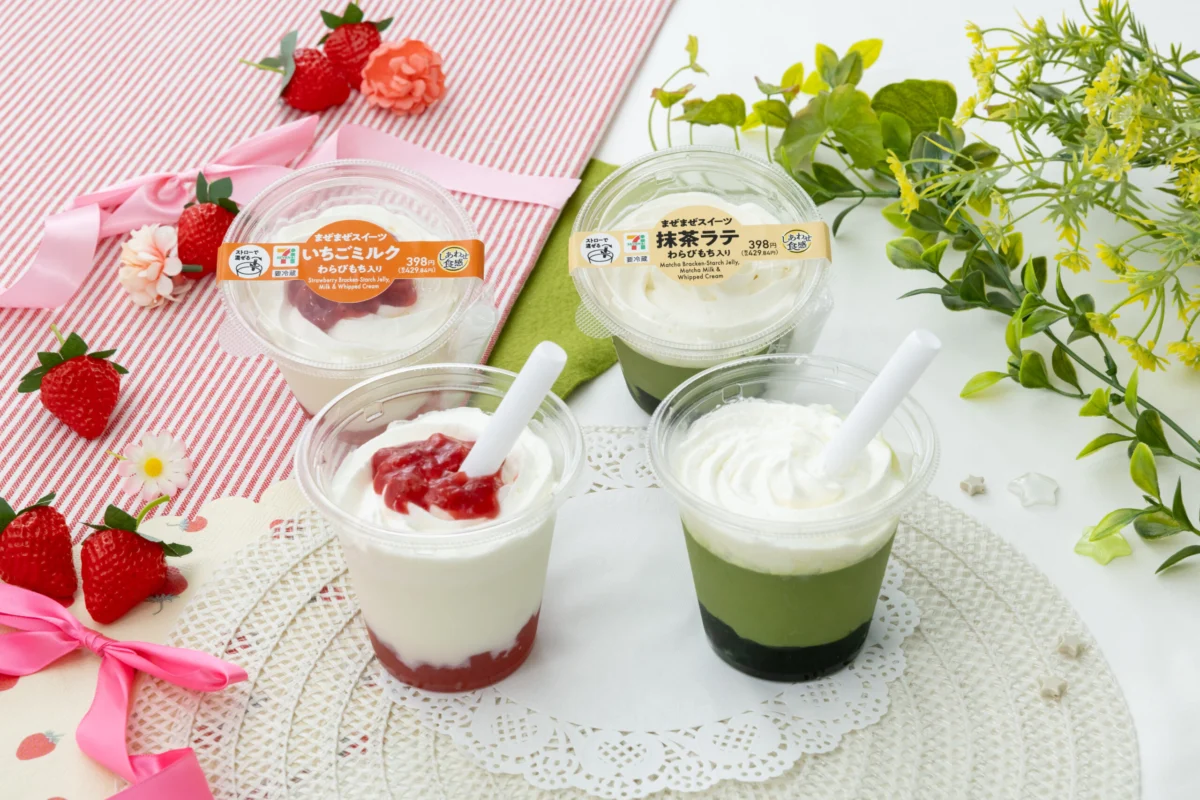
In the hyper-competitive world of Japanese konbini (convenience store) culture, innovation is the lifeblood of retail success. From seasonal sakura-flavored delicacies to avant-garde fusion pastries, 7-Eleven Japan has long held the crown for pushing the boundaries of what a quick-stop shop can offer. However, their latest innovation, the "Mazemaze Sweets" line, has triggered a conversation that transcends culinary trends, moving directly into the realm of public health and consumer safety.
By blending the traditional, chewy texture of warabi mochi (bracken-starch jelly) with the modern, portable convenience of a straw-sipped latte, 7-Eleven has created a sensory delight that comes with an urgent, non-negotiable caveat: proceed with caution, or risk a choking hazard.
The Genesis of the "Mazemaze" Revolution
The term "Mazemaze" is derived from the Japanese verb mazeru, meaning "to stir" or "to mix." It is a concept that challenges the traditional boundaries of dessert consumption. Unlike a standard parfait that requires a spoon and a stationary setting, the Mazemaze line is designed for the fast-paced, urban lifestyle of the Japanese consumer.
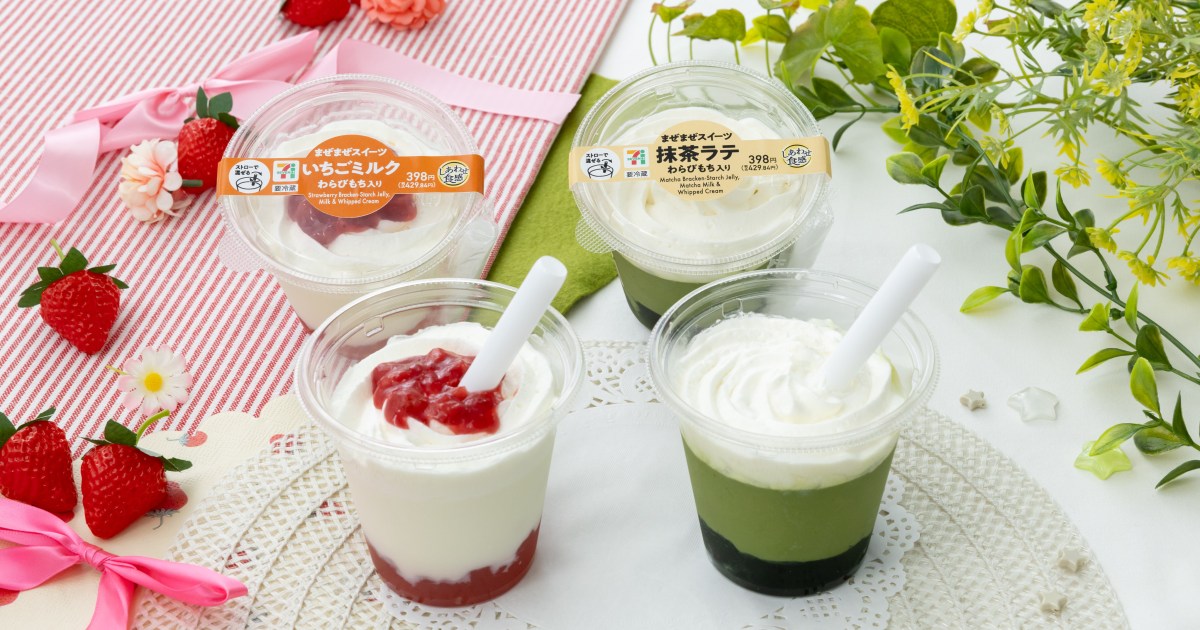
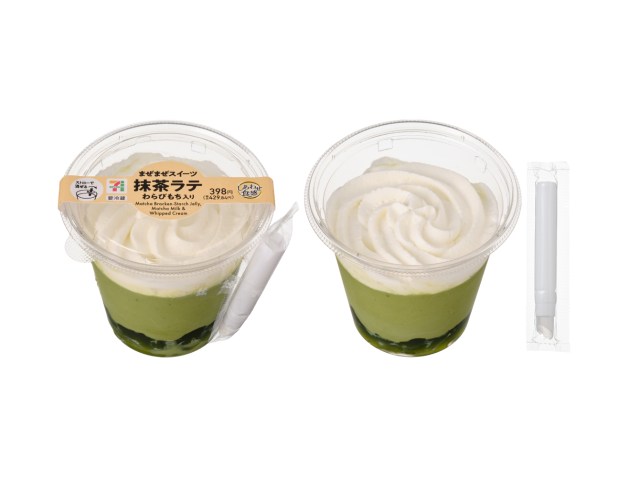
The flagship product, titled the "Matcha Latte with Warabi Mochi," is a masterclass in textural architecture. At the base, a generous portion of matcha-infused bracken-starch jelly provides a firm, gummy foundation. This is followed by a layer of smooth, velvety matcha-milk, and crowned with a decadent, cloud-like dollop of whipped cream. While the English marketing materials often refer to the product by its components—"Matcha Bracken-Starch Jelly, Matcha Milk & Whipped Cream"—the intended experience is clear: the consumer is meant to plunge a straw into the cup, vigorously mix the layers, and consume the concoction in a single, evolving stream of flavor.
A Chronology of the Launch
The rollout of the Mazemaze line, scheduled for nationwide release on June 16, 2026, was meticulously planned to capitalize on the early summer heat, a season when refreshing, tea-based beverages see a massive surge in demand.
- Pre-Launch (May 2026): Development teams at 7-Eleven finalized the viscosity of the matcha milk to ensure it would suspend the warabi mochi cubes effectively without becoming too thick for a standard-sized straw.
- The Safety Audit: During the final stages of product testing, internal risk assessments identified the primary issue: the physical properties of warabi mochi. Because the jelly is inherently slippery, springy, and gummy, there is a significant risk that, if inhaled too quickly through a straw, a piece could become lodged in the throat.
- The Directive (Early June 2026): Corporate headquarters issued a mandate that every unit of the Mazemaze line must be accompanied by a clear, bold warning: "Warning: Choking hazard. Please chew thoroughly before swallowing."
- Market Entry (June 16, 2026): The products, including the "Matcha Latte" and the "Strawberry Bracken-Starch Jelly, Milk & Whipped Cream," hit shelves across Japan, excluding the Okinawa region, at a price point of 430 yen (approx. $2.68 USD).
Supporting Data: The Texture-Safety Correlation
The concern surrounding these desserts is not mere hyperbole; it is grounded in a well-documented history of food-related incidents in Japan. Warabi mochi, like its more famous cousin mochi (pounded rice cake), possesses high elasticity and a "sticky" coefficient that makes it difficult to clear from the airway if an obstruction occurs.
According to data from the Japan Consumer Affairs Agency, choking incidents related to food are a consistent public health concern, particularly among the elderly and young children. Every year, during the New Year’s festivities, the consumption of traditional mochi leads to a spike in emergency room admissions and, tragically, a number of fatalities.
The Mazemaze Sweets represent a unique intersection of these risks. By packaging a substance that has traditionally required careful, deliberate chewing into a delivery system (the straw) that encourages rapid, continuous suction, 7-Eleven has effectively inverted the safety protocol. The "mix-and-drink" concept creates a false sense of liquid refreshment, potentially causing the consumer to forget that they are also ingesting semi-solid, high-viscosity food items that require mechanical breakdown before entering the esophagus.
Official Responses and Corporate Rationale
When asked about the decision to move forward with a product that carries an inherent risk, the development team at 7-Eleven provided a pragmatic, albeit defensive, rationale. In their view, the consumer is the ultimate arbiter of safety.
"The goal," a spokesperson noted, "was to bridge the gap between a satisfying, multi-layered dessert and the necessity of convenience. We have successfully recreated the high-end café experience in a portable, affordable format. The warning labels are not just a legal requirement; they are a vital part of our commitment to transparency. We trust our customers to engage with the product as it was intended: as a dessert that requires mindful consumption."
The company argues that the textural experience provided by the warabi mochi is the very "soul" of the product. To remove the jelly or to alter its consistency to be less firm would be to compromise the product’s identity and appeal. Consequently, the burden of safety has been placed squarely on the consumer.
The Broader Implications: Convenience vs. Caution
The introduction of the Mazemaze Sweets sparks a deeper debate about the "convenience culture" that defines modern Japan. When the pursuit of time-saving measures begins to encroach upon the physical safety of the act of eating, where should the line be drawn?
1. The Normalization of Risk
By labeling a dessert as a "choking hazard," 7-Eleven is normalizing the idea that high-risk foods can be part of a standard, everyday diet. This creates a cultural precedent where the thrill of the texture is prioritized over the ease of consumption.
2. The Liability of the Retailer
From a legal standpoint, 7-Eleven is well within its rights to sell these products, provided the warnings are visible and clear. However, the presence of these warnings serves as a permanent, albeit small, indictment of the product’s design. It forces the consumer to perform a mental cost-benefit analysis: Is the flavor of this matcha-latte-mochi hybrid worth the necessity of cautious, intentional chewing?
3. The Future of Food Engineering
The Mazemaze Sweets are likely a bellwether for future food engineering. As the market demands more complex textures in "on-the-go" formats, manufacturers will have to get increasingly creative with how they handle dangerous ingredients. We may see the development of "self-dissolving" gels or straw designs that incorporate internal safety filters to prevent larger pieces from passing through.
Conclusion: A Delicate Balance
The 7-Eleven "Mazemaze" series is undeniably a triumph of culinary marketing. It offers a sophisticated, layered experience that transforms a quick drink into a full-blown event. However, it also serves as a stark reminder that as our food becomes more innovative, our consumption habits must become more disciplined.
As the summer of 2026 progresses and thousands of these cups are sold across Japan, the responsibility rests with the individual. The next time you find yourself at a 7-Eleven, reaching for a refreshing matcha treat, take a moment to heed the label. Enjoy the mix of flavors, appreciate the artistry of the warabi mochi, but remember that in the world of convenience, safety is the one ingredient you cannot afford to leave out. The "Mazemaze" experience is designed to be savored, not rushed—a lesson that, in this instance, could literally be a matter of life and death.


 Neng Nana
 Asro
Asro