Lina Hope
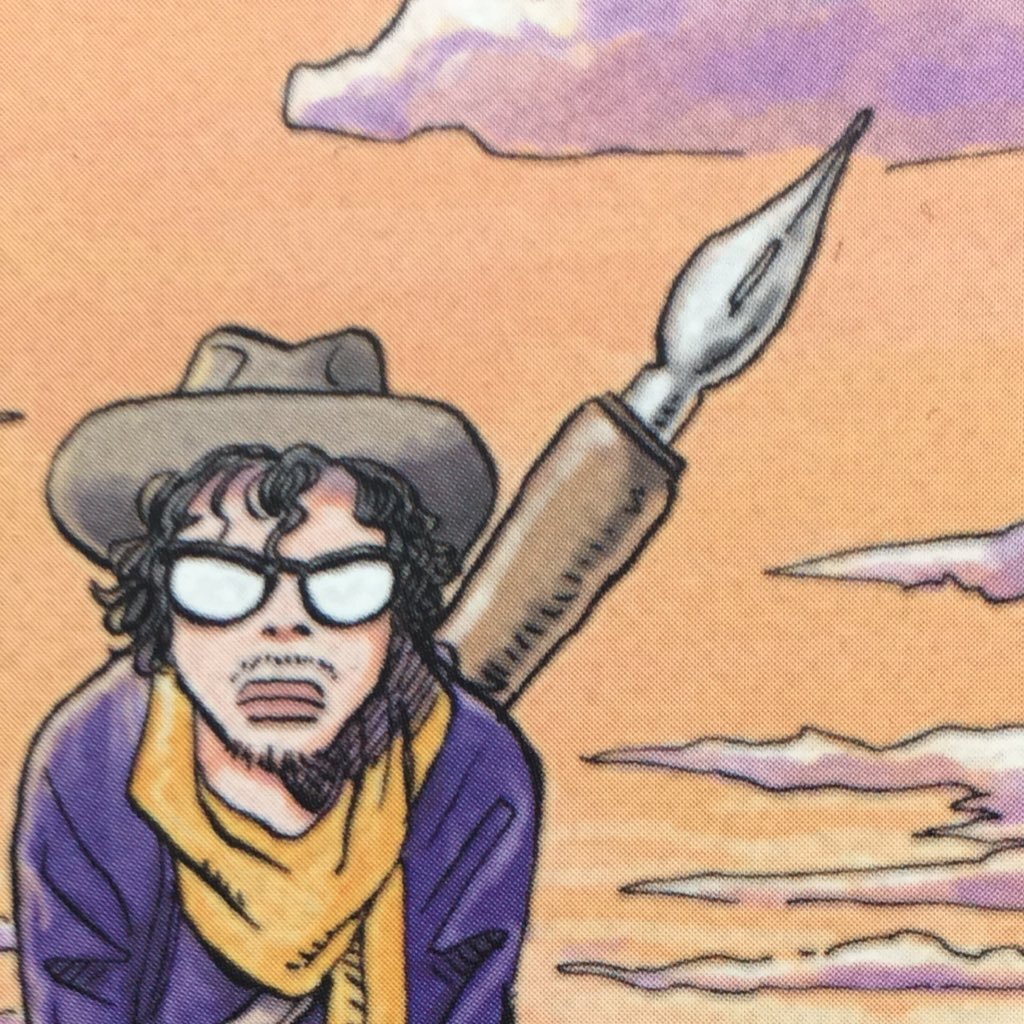
Renowned manga artist Naoki Urasawa, a titan of the industry celebrated for his intricate narratives and profound character studies, is set to embark on a new creative journey. His latest work, tentatively titled Saigo no Manga Kyoushitsu (translated as The Final Manga Classroom), is slated for its debut in the September issue of Big Comic Original Zoukan, scheduled for release on August 12th. This announcement, made in the magazine’s July issue, has sent ripples of anticipation through the global manga community, eager to witness Urasawa’s distinctive touch applied to contemporary themes.
Urasawa, a name synonymous with critical acclaim and commercial success, is known for his ability to weave complex plots that delve into the human psyche and societal evolution. His previous masterpieces, including the gripping psychological thriller Monster, the philosophical sci-fi epic 20th Century Boys, and the poignant reimagining of Osamu Tezuka’s Astro Boy in Pluto, have cemented his legacy as one of manga’s most influential voices. The prospect of him tackling the burgeoning field of artificial intelligence and its impact on human creativity is particularly compelling, promising a narrative rich with his characteristic depth and foresight.
A Glimpse into the Thematic Landscape: AI, Creativity, and the Enduring Value of Craftsmanship
The preview for Saigo no Manga Kyoushitsu hints at a narrative that will grapple with the intricate relationship between artificial intelligence and the essence of human creativity. In an era where technological advancements are rapidly reshaping our world, Urasawa’s new series appears poised to encourage a critical re-examination of what it means to create, to learn, and to connect. The magazine’s synopsis suggests a thoughtful exploration of how modern conveniences, while undeniably beneficial, might be inadvertently eclipsing certain values and experiences that were historically cultivated through dedication, patience, and meticulous craftsmanship.
This thematic direction is particularly resonant given the current global discourse surrounding AI’s potential to automate creative processes. Urasawa’s intention to explore this frontier implies a narrative that will not shy away from the complexities and potential anxieties associated with such developments. Readers can anticipate a story that likely contrasts the efficiency and analytical power of AI with the intangible, deeply human qualities that fuel artistic expression – intuition, emotion, personal experience, and the slow, deliberate cultivation of skill. The title itself, "The Final Manga Classroom," evokes a sense of urgency and perhaps even a poignant farewell to certain traditional modes of learning and creation, setting the stage for a thought-provoking and emotionally charged narrative.
The anticipation surrounding Saigo no Manga Kyoushitsu is further amplified by Urasawa’s recent return to serializing his ongoing series, Asadora!. After a significant hiatus that began in July 2025, the manga resumed its publication on March 23rd. Asadora!, which originally premiered in Weekly Big Comic Spirits in October 2018, has already garnered a dedicated following for its blend of kaiju elements, wartime intrigue, and compelling character development. This renewed activity from the acclaimed artist signals a period of prolific output, much to the delight of his vast readership.
A Legacy Forged in Storytelling Excellence: Chronology of a Master Creator
Naoki Urasawa’s journey as a manga artist began in 1981, marking the commencement of a career that has spanned over four decades and produced a body of work that is both critically lauded and widely beloved. His debut signaled the arrival of a storyteller with a unique vision, one who would go on to redefine the landscape of seinen manga – the demographic targeted at young adult and adult men.
Early Career and Establishing a Voice:
Urasawa’s early works laid the groundwork for his future successes. His breakthrough came with Yawara!, a sports manga that captivated audiences with its blend of humor, drama, and relatable characters. The series, which ran from 1985 to 1993 in Big Comic Spirits, explored the life of a young judo prodigy and her aspirations. Yawara! achieved significant commercial success and critical recognition, establishing Urasawa as a formidable talent. Its popularity was further cemented by a successful anime adaptation in 1989, introducing his storytelling to a wider audience.
The Golden Age of Psychological Thrillers and Sci-Fi:
The 1990s and early 2000s saw Urasawa enter what many consider his "golden age," characterized by a series of groundbreaking works that pushed the boundaries of genre and narrative complexity. Master Keaton, co-written with Hokusei Katsushika and Takashi Nagasaki, began serialization in Big Comic Original in 1988 and continued until 1994. This series, focusing on a former SAS operative turned archaeology professor, showcased Urasawa’s penchant for intricate plotting and diverse subject matter, blending adventure, mystery, and historical elements. It was also adapted into an anime series in 1998.
However, it was Monster, serialized in Big Comic Original from 1994 to 2001, that truly catapulted Urasawa to international stardom. This dark and suspenseful psychological thriller, centered on a neurosurgeon who saves the life of a young boy only to discover years later that his patient has become a charismatic serial killer, is widely regarded as a masterpiece. Its masterful pacing, complex moral dilemmas, and chilling atmosphere earned it widespread critical acclaim and a dedicated global fanbase. The 74-episode anime adaptation in 2004 further solidified Monster‘s status as a modern classic.
Following the immense success of Monster, Urasawa embarked on another ambitious project, 20th Century Boys. Running from 1999 to 2006 in Big Comic Spirits, this sprawling epic blended science fiction, mystery, and a profound sense of nostalgia. The story follows a group of childhood friends who reunite decades later to confront a cult leader and prevent a dystopian future they had imagined as children. 20th Century Boys was lauded for its intricate plot, its exploration of memory and identity, and its examination of societal anxieties. Its popularity led to a highly successful live-action film trilogy released between 2008 and 2009. A sequel, 21st Century Boys, concluded the saga.
Expanding the Narrative Canvas:
Urasawa continued to explore diverse themes and genres. Pluto, a reimagining of Osamu Tezuka’s "The Greatest Robot on Earth" arc from Astro Boy, serialized in Big Comic Original from 2003 to 2006, offered a mature and poignant take on artificial intelligence, consciousness, and humanity’s relationship with its creations. This critically acclaimed work, a collaboration with Tezuka’s son, Makoto Tezuka, earned numerous awards and was adapted into an anime series that premiered on Netflix in October 2023, introducing Urasawa’s genius to a new generation of viewers.
Another notable work is Billy Bat, co-created with Takashi Nagasaki, which began serialization in Morning in 2008. This complex and mind-bending series delves into conspiracy theories, alternate histories, and the nature of truth, showcasing Urasawa’s continued willingness to tackle ambitious and unconventional narratives.
Supporting Data and Industry Recognition: A Testament to Enduring Influence
Naoki Urasawa’s contributions to the manga industry have not gone unnoticed. His works have consistently garnered prestigious awards, underscoring their critical merit and cultural significance.
Awards and Accolades:
- Shogakukan Manga Award: Urasawa has received this esteemed award multiple times. Yawara! won the award in the General category in 1985. Monster received the award in the General category in 2000.
- Kodansha Manga Award: 20th Century Boys won the Kodansha Manga Award in the General category in 2001.
- Japan Media Arts Festival Award: Monster received the Excellence Prize at the Japan Media Arts Festival in 2001. Pluto also received the Excellence Prize in 2005.
- Eisner Award: Monster won the Eisner Award for Best U.S. Edition of International Material—Asia in 2007. Pluto also won the Eisner Award in the same category in 2011.
- Angoulême International Comics Festival Prizes: Monster and Pluto have also been recognized at the Angoulême International Comics Festival, further highlighting their international appeal.
These accolades are not merely decorative; they represent a consistent recognition of Urasawa’s exceptional storytelling, artistic prowess, and his ability to craft narratives that resonate deeply with audiences across cultural and geographical boundaries. His works are frequently cited as benchmarks for quality in manga, influencing countless creators and inspiring critical discourse on the medium.
Anime Adaptations and Global Reach:
The successful anime adaptations of his major works have played a crucial role in Urasawa’s global reach. Beyond the aforementioned series like Yawara!, Master Keaton, Monster, and Pluto, the live-action adaptations of 20th Century Boys brought his narrative to a different medium, demonstrating the adaptability and enduring appeal of his stories. The recent Netflix adaptation of Pluto has further introduced his work to a wider, more diverse audience, solidifying his status as a truly international artistic force. The consistent quality of these adaptations, often praised for their faithfulness to the source material and their artistic merit, speaks volumes about the strength and appeal of Urasawa’s original creations.
Implications: A Deeper Dialogue on Humanity in a Technological Age
The announcement of Saigo no Manga Kyoushitsu arrives at a pivotal moment in human history. As artificial intelligence rapidly advances and begins to permeate various aspects of our lives, from mundane tasks to creative endeavors, Urasawa’s decision to explore these themes carries significant implications.
The Future of Creativity:
Urasawa’s foray into AI and creativity suggests a narrative that will likely question whether AI can truly replicate or replace the human element in artistic expression. Will AI be a tool to augment human creativity, or will it eventually become the sole creator? The series might explore the nuances of "creativity" itself – is it merely the ability to generate novel outputs, or does it involve consciousness, lived experience, and emotional depth? By focusing on the "classroom," Urasawa might be emphasizing the importance of human mentorship, learning, and the transfer of knowledge and skill through personal interaction, elements that are difficult to quantify and replicate in algorithmic processes.
Revisiting Human Values:
The mention of "values and experiences from earlier times that were cultivated through patience and craftsmanship" is a critical point. In a world increasingly driven by speed and instant gratification, Urasawa’s work may serve as a gentle but firm reminder of the intrinsic value of dedication, perseverance, and the slow, deliberate process of mastering a craft. This could extend beyond manga creation to encompass a broader commentary on how we approach learning, work, and personal growth in the digital age. The series might advocate for a more mindful and intentional engagement with our pursuits, urging readers to resist the temptation of superficial efficiency in favor of deeper, more meaningful engagement.
Urasawa’s Enduring Relevance:
This new series further solidifies Naoki Urasawa’s position as a visionary artist who consistently addresses contemporary issues with profound insight. His ability to anticipate societal shifts and translate them into compelling narratives has been a hallmark of his career. Saigo no Manga Kyoushitsu is likely to be more than just a manga; it will be a cultural touchstone, prompting discussions and reflections on the very essence of what makes us human in an increasingly automated and technologically driven world. As the September issue of Big Comic Original Zoukan approaches, the manga community and beyond will be eagerly awaiting Urasawa’s latest masterpiece, ready to be drawn into another world of intricate storytelling and profound human exploration.


 Ali Ikhwan
 Lina Irawan