

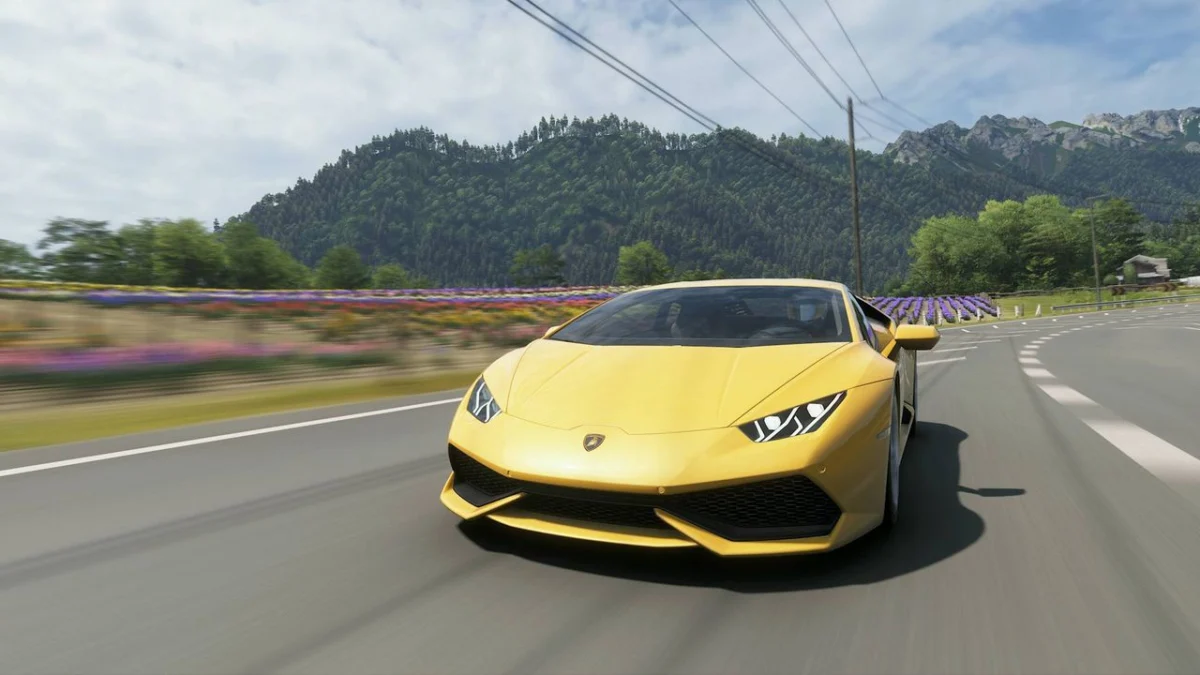
The open-world racing genre has long been dominated by the Forza Horizon franchise, and its latest installment, Forza Horizon 6, is already proving that the appetite for high-octane digital motoring is stronger than ever. While the game’s official global release is slated for May 19, a massive wave of players has already claimed the asphalt, with early access reports indicating that over one million drivers have taken to the wheel.
This staggering figure, confirmed via internal leaderboard tracking, highlights the massive commercial impact of "early access" incentives. As the industry shifts further toward premium-tier launches, Forza Horizon 6 serves as a case study in how developers can maximize launch-day engagement by offering players a head start for a higher price point.
The Million-Player Milestone: A Breakdown of the Numbers
The evidence for this early surge in popularity comes from the game’s own infrastructure. According to data surfaced by Day One, an early-game mandatory event titled "River Split Speed Trap" has already recorded performance data for over 1,191,886 individual players.
The tracking was confirmed through a community-sourced screenshot shared within the Day One Discord channel. Because the "River Split Speed Trap" is a progression-gated activity, it provides a highly accurate "floor" for the number of active players currently in the game. In essence, at least 1.2 million people have not only purchased the Premium Edition of the game but have also progressed far enough into the campaign to hit this specific checkpoint.
This metric is significant because it represents active engagement rather than just unit sales. It suggests that the conversion rate from Premium Edition pre-orders to active play is remarkably high, indicating that the dedicated Forza fanbase is eager to dive into the latest iteration of the series immediately upon availability.
Chronology: From Reveal to Early Access
The path to this million-player milestone has been a whirlwind of marketing, technical showcases, and community anticipation.
- The Announcement: Following the critical and commercial success of Forza Horizon 5, speculation about the next entry began almost immediately. Playground Games maintained a tight lid on development for several years, focusing on refining the game engine and expanding the environmental fidelity.
- The Premium Strategy: In the months leading up to the release, Xbox Game Studios confirmed that the title would follow a tiered release structure. The Standard Edition was scheduled for a global launch on May 19, while the Premium Edition—offering several days of "Early Access"—was set for a May 14 unlock.
- The Launch Window: As May 14 arrived, servers opened globally to a massive influx of traffic. Despite the scale of the game, early reports suggest that the infrastructure handled the load with minimal disruption, allowing the community to begin exploring the new map immediately.
- The Milestone: Within just 72 hours of the Early Access period, the community-driven tracking of the "River Split Speed Trap" revealed that the player count had crossed the seven-figure threshold, marking one of the fastest adoption rates for a premium racing title in recent history.
Supporting Data: Why Players are Paying the Premium
To understand why over a million players chose to pay for early access, one must look at the value proposition of the Forza Horizon series. Historically, these titles are viewed as "evergreen" games—titles that players return to for months, or even years, after release.
The Value of Early Access
For the hardcore racing community, being part of the initial surge is a social experience. Leaderboards, multiplayer seasonal events, and the "discovery phase" of a new map are most vibrant during the first few days of a release. By opting for the Premium Edition, players aren’t just buying the game early; they are buying entry into the competitive scene before the strategies for speed traps and drift zones are fully optimized.
Technical Fidelity and Innovation
Reports from those currently playing suggest that Forza Horizon 6 pushes the boundaries of current-generation hardware. The environmental detail, physics simulation, and vehicle audio have reportedly seen significant upgrades over its predecessor. The inclusion of new, highly requested vehicle manufacturers and a deeper, more immersive narrative campaign has helped justify the "Premium" price tag for millions of enthusiasts.
Official Responses and Industry Context
While Xbox Game Studios has not issued a formal press release detailing the exact breakdown of sales versus Game Pass conversions, the excitement surrounding the game is palpable. Developers from Playground Games have been active on social media, acknowledging the feedback from the initial wave of players.
"We are humbled by the turnout," a representative for the studio noted in a brief internal update. "Seeing over a million players on the roads within days of our early access launch is a testament to the passion of our community. We are monitoring the servers and the feedback closely as we approach our full global launch."
Industry analysts suggest that this strategy is a winning formula for Microsoft. By bundling early access with additional content packs—such as exclusive car collections, VIP memberships, and future expansion passes—the publisher effectively incentivizes long-term commitment. For the player, it transforms a singular purchase into a service-based ecosystem.
Implications for the Racing Genre
The success of Forza Horizon 6 in its pre-launch window has several broader implications for the gaming industry.
1. The Death of the "Slow Burn" Launch
The traditional model of a game releasing on a single day and building momentum over weeks is being replaced by the "Early Access" surge. This model allows developers to stress-test their servers with a smaller, more dedicated group of players before the full public release, potentially mitigating the catastrophic launch-day server crashes that have plagued other major titles.
2. Premium Tiers as the New Standard
We are seeing a clear shift in how AAA games are monetized. The "Standard" edition is increasingly becoming a baseline for those willing to wait, while the "Premium" or "Deluxe" editions are becoming the primary driver of revenue. This segmentation allows publishers to extract higher margins from their most loyal customers while keeping the base entry price accessible for those who prefer to wait.
3. The Dominance of Open-World Simulation
Forza has successfully carved out a niche that combines arcade-style accessibility with simulation-grade visual fidelity. By continuing to iterate on the "Horizon" formula—which emphasizes freedom, exploration, and social competition—the series has effectively insulated itself from the decline of other racing sub-genres.
Conclusion: The Road Ahead
As we approach the full release on May 19, the trajectory for Forza Horizon 6 looks incredibly promising. With over a million players already engaged, the game has established a massive community base that will likely serve as the foundation for the game’s competitive leaderboards and seasonal content for years to come.
Whether the game can maintain this momentum after the initial hype settles remains to be seen, but the early data is undeniable: the world is ready to race. For those who haven’t yet taken to the streets, the upcoming May 19 launch will undoubtedly see a second, perhaps even larger, wave of players joining the fray.
For now, the million-plus players already enjoying the game are setting the pace, leaving their digital tire marks on the roads for the rest of the world to follow. As the industry watches closely, one thing is certain: Forza Horizon 6 has set a new high-water mark for the franchise, proving that even in a crowded market, quality and a well-executed launch strategy remain the keys to success.











No comments yet. Be the first to join the conversation!