Lina Hope
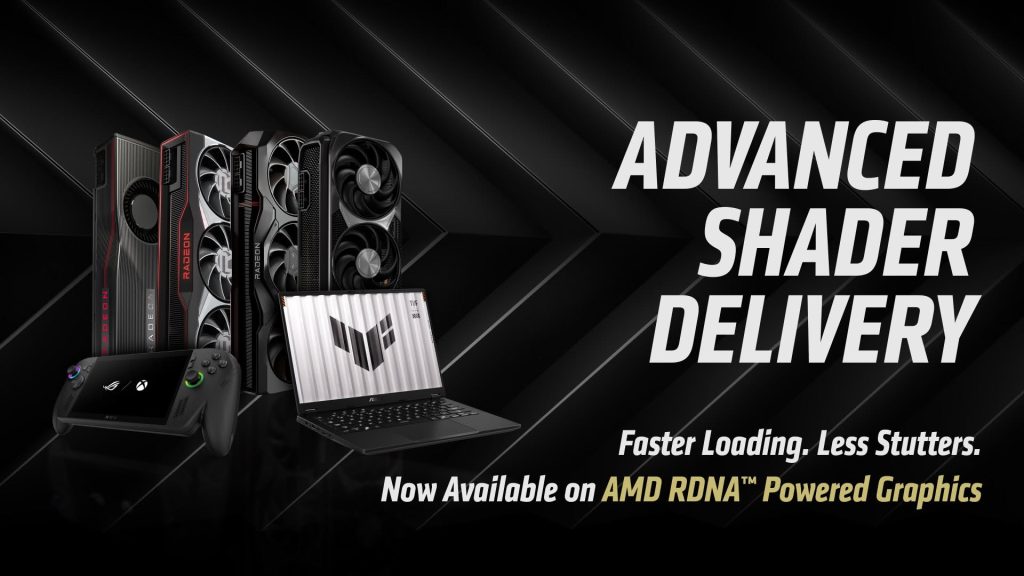
In a move set to reshape the landscape of PC gaming performance, Microsoft has officially concluded the testing phase for its "Advanced Shader Delivery" system, rolling out the feature to all Xbox App users on Windows 11. By allowing games to download precompiled shaders directly alongside game files, Microsoft aims to eliminate two of the most persistent frustrations in the modern gaming experience: sluggish initial load times and the disruptive, immersion-breaking stutter often caused by real-time shader compilation.
The Core Innovation: Solving the Shader Problem
To understand the significance of this update, one must first understand the role of shaders in modern graphics. Shaders are small programs that instruct a GPU on how to render light, shadow, and textures. In the past, games would often compile these shaders on the fly the first time a player encountered a specific visual effect. This frequently led to "shader compilation stutter"—micro-hitches that occur when the CPU is suddenly taxed with complex math to prepare a visual asset while the game is running.
Microsoft’s Advanced Shader Delivery shifts this burden. Instead of forcing the user’s hardware to work under pressure during active gameplay, the Xbox App now fetches pre-optimized, precompiled shader caches tailored to the user’s specific GPU architecture.
A Chronological Evolution of the Feature
The road to this global rollout has been one of iterative development and refinement:
- Initial Conceptualization: Microsoft identified shader compilation as a critical bottleneck for PC performance, particularly as game engines became increasingly reliant on complex DirectX 12 calls.
- The Xbox Insider Phase: The feature debuted within the Xbox Insider Program. During this period, Microsoft worked closely with a subset of enthusiasts to monitor compatibility across a wide range of hardware configurations.
- The AMD Collaboration: As the testing matured, the technical scope widened. Microsoft began collaborating with hardware manufacturers to ensure seamless integration. AMD, in particular, stepped up to ensure that their RDNA-based architecture—spanning from the original RDNA 1 series through the latest iterations—could fully leverage this delivery mechanism.
- The Public Rollout: Following months of telemetry data and stability testing, Microsoft announced in June 2026 that the feature would move from the Insider channel to the stable branch of the Xbox PC app for all Windows 11 users.
Demonstrable Performance: The Forza Horizon 6 Benchmark
Microsoft has provided a stark demonstration of the technology’s effectiveness by highlighting Forza Horizon 6. In standard scenarios without the delivery system, the title’s initial load time could stretch to a staggering 90 seconds. With Advanced Shader Delivery enabled, that same loading process is reduced to a mere four seconds.
This performance gain is not merely about convenience; it represents a fundamental change in how PC games interface with hardware. By front-loading the heavy lifting, the game is "ready to play" the moment the engine finishes loading its primary assets.
The Expanding Ecosystem: AMD’s Role
The success of this feature relies heavily on hardware-level support. AMD’s announcement that it has expanded support for Advanced Shader Delivery to include the entire RDNA family is a pivotal moment for PC gamers.
By including legacy RDNA 1 cards, Microsoft and AMD are ensuring that this performance boost is not gated behind the latest, most expensive hardware. This is a strategic move to improve the reputation of PC gaming, often criticized for its hardware fragmentation compared to the static environments of consoles like the Xbox Series X. If software can bridge the gap between varying GPU architectures, the overall quality of the platform increases for everyone.
Official Stance and Technical Implications
According to the latest update on the Microsoft DirectX Developer blog, the implementation is designed to be largely invisible to the user. The Xbox App intelligently manages the download of these cache files, ensuring they are version-matched to the game’s current build.
"Our goal is to ensure that the PC experience is as seamless as the console experience," a representative noted in the developer briefing. "By treating shader compilation as a background asset download rather than a real-time process, we are effectively removing a massive variable from the user’s performance equation."
Implications for the Future of PC Gaming
The implications of this rollout extend far beyond faster loading screens.
1. Reducing Developer Burden
For game developers, shader stutter is a nightmare to optimize for. Creating a universal cache that works across different hardware configurations can be an immense task. With Microsoft providing the infrastructure via the Xbox App, developers can offload some of this optimization work, allowing them to focus on game design rather than wrestling with low-level API stutters.
2. Standardization of the PC Experience
One of the primary benefits of consoles is the "it just works" philosophy. By automating shader delivery, Microsoft is bringing that same philosophy to Windows. This could significantly lower the barrier to entry for casual gamers who are intimidated by the technical configuration often required to get a PC game running smoothly.
3. Impact on Game Pass
As noted by industry observers, this feature will be most immediately beneficial to Xbox Game Pass subscribers. Because the Xbox App is the primary delivery vehicle for these titles, the seamless integration of precompiled shaders makes the Game Pass library a more attractive proposition than ever. It effectively turns the service into a curated ecosystem where performance is guaranteed rather than guessed.
4. A Template for Other Storefronts
Microsoft has essentially set a new standard for storefronts. Competitors like Valve’s Steam and Epic Games Store will now face increased pressure to provide similar solutions. If Microsoft can successfully demonstrate that precompiled shaders are the solution to the "stuttering" epidemic on PC, consumers will soon demand similar features from every launcher.
The Road Ahead: Challenges and Considerations
Despite the optimism, there are technical challenges that remain. The primary hurdle is file size. Shaders can be voluminous, and downloading a "precompiled" set for every game could result in significant storage overhead. Microsoft will need to balance the size of these downloads with the performance benefits, particularly for users with data caps or slower internet connections.
Furthermore, there is the question of "driver-side" versus "store-side" compilation. While the Xbox App handles the download, the GPU drivers must still interpret these assets. As new driver versions are released, these precompiled shaders may need to be updated, necessitating a robust version-tracking system to prevent visual glitches or crashes.
Conclusion
The rollout of Advanced Shader Delivery on the Xbox App is more than just a software update; it is a declaration of intent from Microsoft. By tackling the root cause of stuttering and long load times, the company is demonstrating a commitment to the PC platform that matches its dedication to the console space.
As the gaming industry continues to push the boundaries of visual fidelity, the software that supports these games must become smarter, more efficient, and more proactive. If the initial results from Forza Horizon 6 are any indication, the future of PC gaming is not just about faster hardware—it is about smarter delivery. Whether this becomes the industry standard remains to be seen, but for now, Windows 11 users are poised to enjoy a smoother, faster, and more reliable gaming experience.


 Ammar Sabilarrohman
 Reynand Wu