Lina Irawan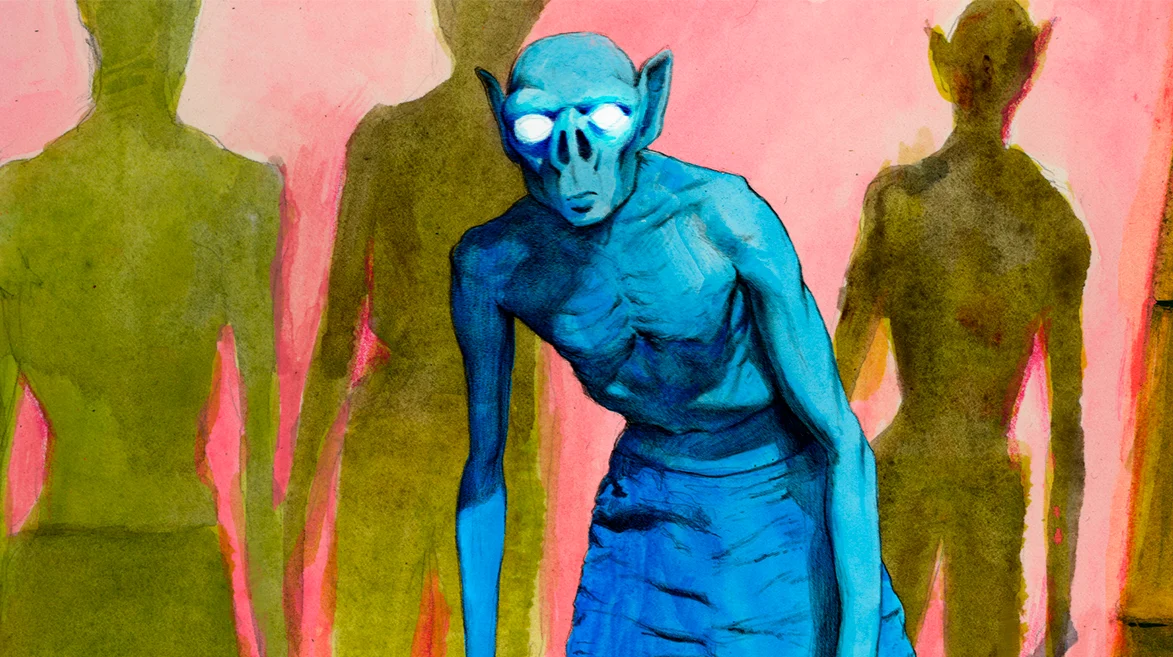
The mid-summer gaming calendar is often unfairly maligned by industry analysts and casual observers alike as a "dry spell"—a stagnant period where major triple-A releases are scarce and the news cycle slows to a crawl. However, this perspective fails to account for the tectonic shifts occurring within the independent development scene and the sheer volume of experimental content hitting storefronts. Far from being a quiet week, the current landscape is defined by the return of Steam Next Fest, a sprawling, multifaceted event that functions as both a marketing juggernaut for developers and a crucial, interactive playground for players.
As we navigate this week, we are not witnessing a drought; we are witnessing a deluge. The Maw, that insatiable consumer of digital content, is currently being fed a steady diet of hundreds of curated demos, playtests, and early-access previews designed to dominate our wishlists for the coming year.
The Steam Next Fest Phenomenon: Why Demos Matter
The primary catalyst for this week’s heightened activity is the latest iteration of Steam Next Fest. For the uninitiated, this event is more than a mere sale or promotional window; it is a critical infrastructure piece for the modern gaming economy. By providing developers with a platform to release abbreviated, "slice-of-life" demos, Steam has effectively democratized the marketing process.
The Marketing Evolution
In the past, a game’s success was largely dictated by massive marketing budgets and retail distribution deals. Today, the "wishlist-baiting" model has taken center stage. A successful demo at Next Fest can translate into thousands of wishlists overnight, which in turn feeds into Valve’s recommendation algorithms, creating a feedback loop of visibility. For the consumer, this week represents an opportunity to sample mechanics, artistic styles, and technical performance before committing to a purchase. It is the democratization of quality control.
A Diverse Week of Releases
While the indie scene dominates the headlines through Steam Next Fest, the formal release schedule remains robust. This week features a curious mix of high-budget Japanese role-playing games, avant-garde simulation titles, and high-octane shooters that lean into the absurd.
The RPG Renaissance
Square Enix continues its aggressive release strategy, bringing a new, "posh" role-playing title to market this week. These titles serve as a reminder that despite the rise of service-based games, the traditional, narrative-driven JRPG remains a pillar of the industry. The focus here is on high-fidelity world-building and complex systems that cater to a dedicated, long-term player base.
The Rise of the Absurdist Shooter
Perhaps the most peculiar entry this week is a shooter that daringly combines the political toxicity of the United States presidency with the chaotic, aggressive aesthetic of goblin-kind. This represents a broader trend in independent development: the fusion of high-stakes political satire with "b-movie" creature design. By stripping away the pretension of realism, developers are finding new ways to critique modern governance through the lens of fantasy archetypes.
Simulation and Niche Experiences
The inclusion of a "robot bathing simulator" in this week’s release lineup highlights the industry’s continued fascination with mundane, oddly satisfying gameplay loops. These titles often find massive success on platforms like Twitch and YouTube, where the meditative, repetitive nature of the gameplay provides a stark contrast to the high-stress environments of competitive multiplayer shooters.
The "Treehouse" Perspective: Internal Trends
As we look at the projects currently occupying the minds of our editorial team, several thematic threads emerge that mirror broader industry trends.
- Sci-Fi Expansion: The exploration of expansive sci-fi universes remains a priority. Whether it is navigating the intricacies of interstellar politics or managing the logistical nightmares of space-faring civilizations, the allure of the "Big City Adventure" in a digital space is stronger than ever.
- The Biological and the Fungal: There is a growing fascination with biological horror and the intelligence of non-human entities. From "fungal brains" to organic procedural generation, developers are moving away from traditional mechanical tropes toward something more unsettling and grounded in nature.
- The "Pandora’s Box" Effect: As hardware costs rise, many gamers are feeling the strain of "opening another Pandora’s Box"—the inevitable, compounding cost of maintaining a high-end PC gaming rig. The economic reality of gaming is shifting from the cost of the software itself to the peripheral costs of hardware, storage, and electricity.
- The Digital Gardener: A surprising number of developers and players are turning toward "blocky gardens" and "painterly expeditions." This reflects a post-pandemic desire for tranquility, creativity, and non-violent engagement within virtual spaces.
Economic Implications: The Trillionaire Question
Beyond the immediate excitement of new titles, there is an underlying concern regarding the sustainability of the gaming industry in the face of macro-economic instability. As the wealth gap widens and the cost of living increases, one must ask: how will the "trillionaires"—the massive conglomerates and tech giants that underpin our digital infrastructure—manage when the disposable income of the average gamer begins to shrink?
The gaming industry has historically been "recession-proof," but this assumption is being tested. If the barrier to entry for gaming (the cost of hardware and the increasing price of games) continues to climb, we may see a bifurcation in the market: a small, high-end ecosystem for the wealthy and a vast, free-to-play, ad-supported ecosystem for everyone else.
Official Industry Responses and Future Outlook
While developers remain optimistic, there is a palpable sense of caution regarding the second half of the year. Industry spokespeople have noted that while engagement levels for Steam Next Fest are higher than ever, the conversion rate from "demo player" to "full-game purchaser" is becoming increasingly competitive.
The implication is clear: simply having a good demo is no longer enough. Developers must now master the art of community management, Discord engagement, and consistent content updates to keep their games relevant in an environment where a thousand other titles are vying for the same two hours of a player’s evening.
Conclusion: Looking Ahead
As the week progresses, the focus for the industry will remain on the data flowing out of the Next Fest event. Which genres are seeing the most engagement? Which mechanics are being praised, and which are being ignored?
For the average player, the advice remains the same: keep your wishlists updated and don’t be afraid to experiment with the smaller, weirder titles currently hitting the platform. The "dry spell" is a myth propagated by those who aren’t looking hard enough. The Maw is open, it is hungry, and it is currently being fed the most creative, bizarre, and ambitious games we have seen all year.
As we move toward the final days of this week, we invite you to participate in the conversation. Are you spending your time in the trenches of a competitive shooter, or are you tending to your virtual, blocky garden? Are you worried about the future of digital accessibility, or are you simply looking for the next great story to get lost in? The industry belongs to the players as much as it does the publishers, and your choices this week will directly influence the development landscape for the next twelve months.
We look forward to hearing your thoughts and discovering the hidden gems you’ve unearthed in the deluge. Until then, keep playing, keep exploring, and keep the Maw satisfied.


 Asro
Asro
 Muslim