Suro Senen
SAN FRANCISCO, CA – June 15, 2026 – A monumental demo for Order of the Sinking Star, the highly anticipated and ambitiously scaled puzzle game from Thekla Inc., is now available as part of Steam Next Fest. This release marks a significant moment, not only for the puzzle genre but also for the evolving narrative around its lead designer, Jonathan Blow. The game, touted as a potential "500-hour" odyssey featuring over 1,000 intricately connected puzzles, presents a collaborative tapestry woven from the ideas of multiple independent developers, a design philosophy that notably contrasts with the "auteur" image Blow cultivated with his previous acclaimed works, Braid and The Witness.
However, the launch arrives shadowed by controversy. Jonathan Blow’s recent politically charged social media statements have led several developers associated with the project to publicly distance themselves, casting a complex light on the game’s reception. Despite these external factors, the sheer scale and innovative design demonstrated in the initial playable segment of Order of the Sinking Star suggest a potential masterpiece of puzzle design, an intricate "mixtape of innovation" that could redefine player expectations for the genre.
Main Facts: A Colossal Endeavor Emerges
Order of the Sinking Star is not merely a game; it is an epochal undertaking in the realm of puzzle design. Launched today, June 15, on Steam Next Fest, its free demo is itself described by Jonathan Blow as "bigger than most entire paid puzzle games," offering players a substantial glimpse into its vast mechanics and intricate world. A second part of the demo is slated for release on Thursday, collectively presenting around 110 puzzles, a testament to the game’s unprecedented scope.
At its core, Order of the Sinking Star is a Sokoban game – a classic block-pushing puzzle format – but one that explodes the genre’s traditional boundaries. Thekla Inc. has woven together licenses from several smaller, independent puzzle titles, integrating their unique mechanics into a sprawling, interconnected open world. This ambitious approach results in a game projected to contain over 1,000 puzzles, with Blow himself estimating a staggering 500 hours for full completion. While this figure may be an exaggeration, the sheer audacity of the claim underscores the project’s immense scale and potential for deep, sustained engagement.
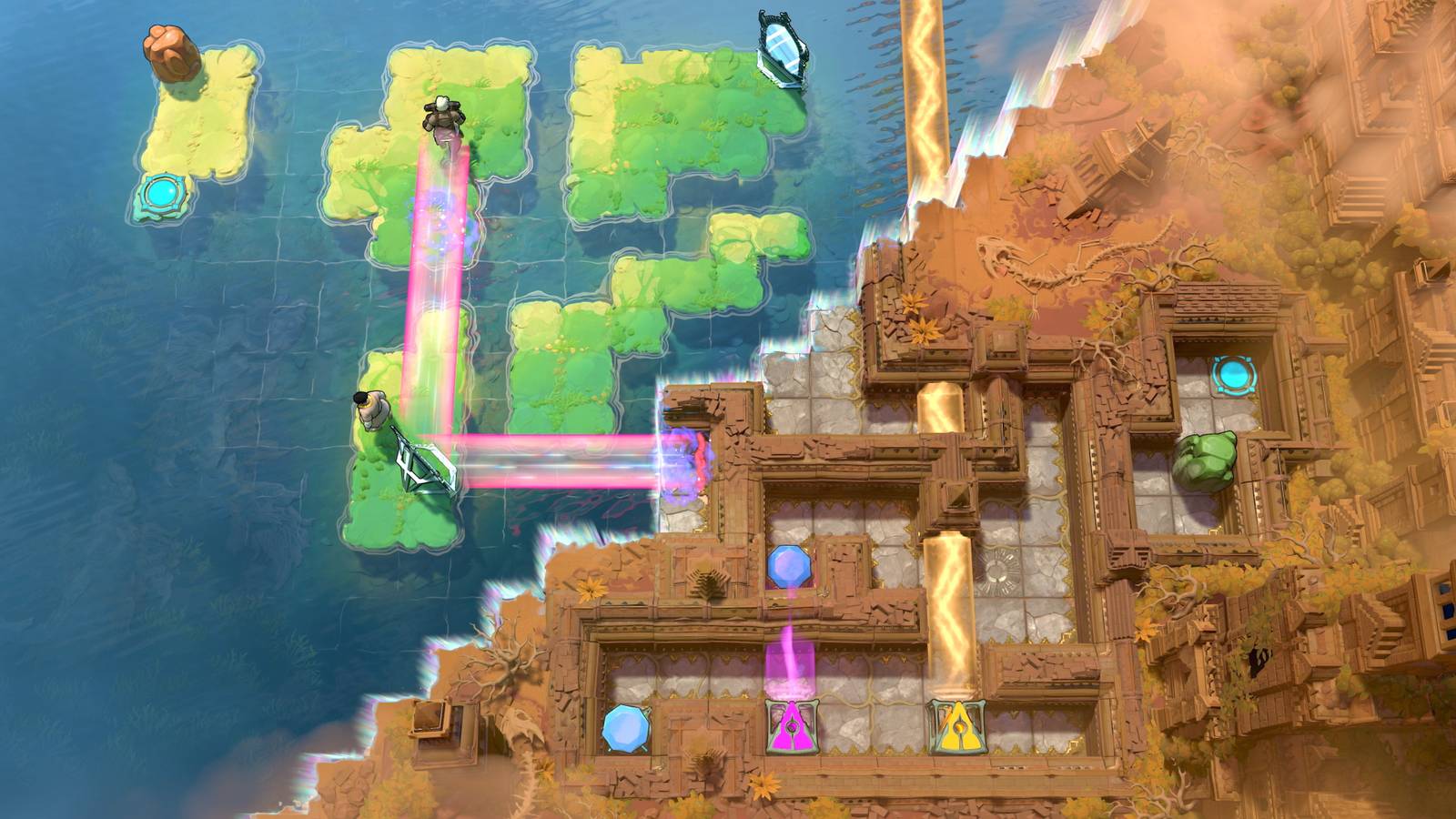
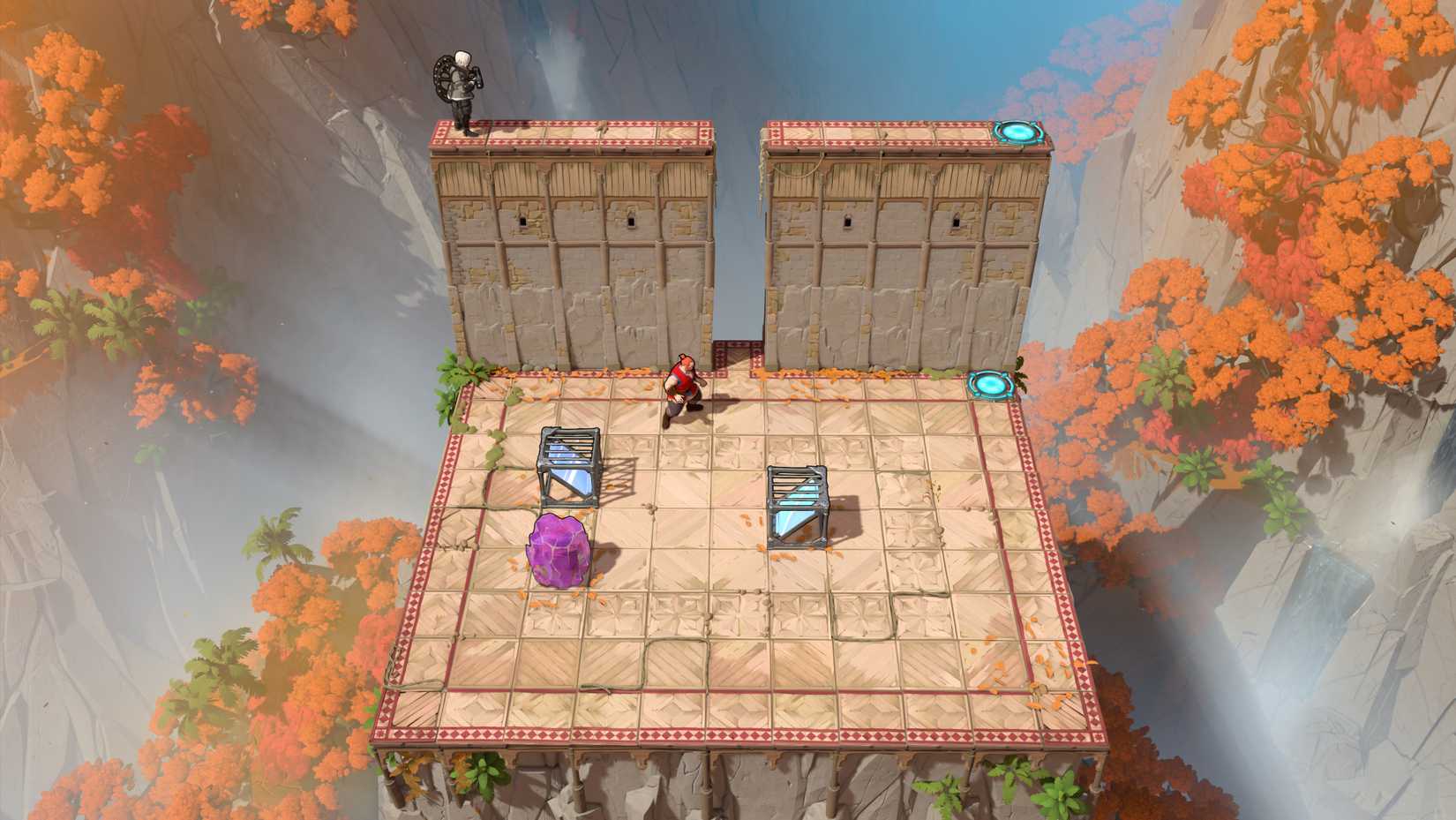
The game’s design is characterized by multiple layers of complexity. Players navigate an overworld, where solving localized puzzles alters the environment, unlocking new pathways and challenges. Different areas introduce distinct rulesets, such as mirrors that can be pushed, teleported through, or used to manipulate light, and gem-powered beams that dynamically affect the landscape based on their color. Adding another dimension, various playable characters come with their own unique abilities – one can push multiple blocks simultaneously, while another compulsively pulls blocks – fundamentally altering how puzzles are approached and solved.
Crucially, the game’s development has been a deeply collaborative effort. Blow has openly acknowledged drawing inspiration and direct contributions from a multitude of independent designers and their existing puzzle games, including Mirror Isles, Promesst, and the Heroes of Sokoban series. This collaborative spirit extends to celebrated designers like Patrick Traynor of Patrick’s Parabox fame, and notably, features work from the late Zach Polansky (known as Jack Lance), a brilliant logic puzzle designer who passed away in 2023 at just 25 years old. This collective authorship stands in stark contrast to the singular vision often associated with Jonathan Blow, positioning Order of the Sinking Star as a celebration of a broader puzzle design community rather than solely a product of one individual’s genius.
Chronology: A Decade of Development and Divergence
The journey to Order of the Sinking Star is deeply intertwined with Jonathan Blow’s own career trajectory, marked by periods of intense creative output, critical acclaim, and, more recently, public controversy.
2008: The Rise of an Indie Auteur with Braid
Blow first rose to prominence with the release of Braid in 2008. This innovative platformer, celebrated for its time-manipulation mechanics and philosophical narrative, cemented his status as a leading voice in independent game development and a designer with a distinctive "auteur" vision. Braid was lauded for its clever puzzle design and its ability to intertwine gameplay with deeper thematic elements.
2016: The Witness – A Masterpiece of Environmental Puzzles
Nearly eight years later, in January 2016, Blow released The Witness. This ambitious 3D puzzle game, set on a mysterious island, garnered widespread critical acclaim for its intricate environmental puzzles, non-linear progression, and profound depth. Players explored the island, deciphering rules through observation and experimentation, with the game offering minimal explicit tutorials. The Witness further solidified Blow’s reputation as a meticulous designer capable of crafting experiences that challenged and rewarded intellectual curiosity. The game’s success reinforced the perception of Blow as a singular genius, a visionary whose games were extensions of his unique philosophical and design principles.
2016-2026: A Decade in the Shadows – Development and Public Statements
Following The Witness, Blow entered a decade-long period without releasing another game. During this time, he was known to be intensely focused on the development of his next major project, Order of the Sinking Star, as well as working on the development of the Jai programming language. This period of quiet development was occasionally punctuated by Blow’s public statements, particularly on social media.
It was during this extended development cycle that a series of "politically charged" social media posts from Blow began to draw significant attention and criticism. While the specific content of these posts is not the focus of this report, their nature was such that they prompted a segment of the gaming community and, crucially, some individuals and teams working on Order of the Sinking Star, to distance themselves. A Bloomberg report published in January 2026 detailed this growing discomfort among developers, highlighting the tension between Blow’s public persona and the collaborative nature of the game he was building. This marked a significant turning point, challenging the traditional "auteur" myth by foregrounding the collective contributions of the wider development team.
Summer Game Fest 2026: A Glimpse into the Colossus
The first major public demonstration of Order of the Sinking Star occurred at Summer Game Fest 2026, where Polygon’s reporter, Giovanni Colantonio, received an initial taste of the game’s expansive design. This preview solidified the understanding that the game was far more than a typical Sokoban title, presenting an interconnected world of unprecedented scale.

June 15, 2026: Steam Next Fest Demo Release
Today’s release of the first part of the Order of the Sinking Star demo on Steam Next Fest is the culmination of this decade-long journey. It represents Thekla Inc.’s decision to give players a substantial, free look at a project that has been brewing for years, a project now viewed through the dual lenses of its monumental ambition and the controversies surrounding its lead designer. The subsequent release of the second demo piece on Thursday will further expand this public access, inviting players to directly engage with the game’s innovative design.
Supporting Data: Deconstructing the "Mixtape of Innovation"
The core innovation of Order of the Sinking Star lies in its radical reimagining of the Sokoban genre, elevating simple block-pushing into a complex, layered, and interconnected open-world experience. Jonathan Blow’s vision, executed by Thekla Inc., is less about inventing new puzzle types from scratch and more about masterfully integrating and expanding upon existing, brilliant puzzle mechanics from various sources. This approach transforms the game into what can truly be described as a "mixtape of innovation."
The Foundation: Multiple Sokoban Games as Building Blocks
Blow’s explicit strategy of licensing and incorporating "several small games" forms the backbone of Order of the Sinking Star. This means the game isn’t just one Sokoban game, but a sprawling meta-game that contextualizes and connects dozens of distinct puzzle rule sets. For instance, the game integrates ideas from:
- Mirror Isles: A celebrated free puzzle game known for its intricate use of mirrors and reflection mechanics. In Order of the Sinking Star, these mirrors are not just static elements but can be pushed, allowing for dynamic manipulation of their reflective properties and even serving as teleportation points across water bodies. This compounds with other environmental rules, like pushing rocks into water to form temporary bridges, creating multi-layered spatial reasoning challenges.
- Promesst: Another influential title that likely contributes to the game’s nuanced object interaction and environmental manipulation.
- Heroes of Sokoban series: These games provide a rich library of block-pushing variations, which Order of the Sinking Star then evolves through its character-specific mechanics and overworld integration.
The genius here is in how these disparate ideas, each with its own philosophical underpinning and design language, are not simply strung together but are recontextualized and made to interact within a single, cohesive world.
Layered Mechanics and Interconnectedness
The game’s complexity is built through several distinct layers:
- Rule-Specific Areas: Similar to The Witness, the overworld is segmented into regions, each dedicated to teaching and elaborating on a particular rule set. For example, one area might focus entirely on the properties of mirrors, gradually introducing more complex scenarios where mirrors interact with other elements. Another, an underground zone, could introduce gem-powered beams. These beams, depending on their color (e.g., red, blue, green), might activate different switches, alter terrain, or affect the movement of blocks and characters in unique ways. The player must learn the inherent logic of each color and its implications for puzzle solving.
- Character-Specific Abilities: A pivotal layer of complexity comes from the introduction of multiple playable characters, each possessing a unique mechanical twist. One character might be able to push multiple blocks simultaneously, requiring a different spatial awareness and planning strategy than a standard Sokoban protagonist. Another character might exhibit "compulsive pulling," automatically pulling an adjacent block instead of pushing it. These abilities fundamentally alter the strategic approach to puzzles, demanding that players not only understand the environment’s rules but also which character is best suited for a given challenge, or how characters can cooperate (if multi-character play is a feature).
- Overworld Progression and Meta-Puzzles: The most ambitious layer is the dynamic overworld. Solving puzzle levels within a specific area is not an isolated achievement; it directly impacts the larger environment. For instance, clearing a set of mirror puzzles might unlock new mirrors or stones in the overworld, allowing the player to traverse previously inaccessible islands or create new pathways to advanced puzzles. This creates a grand meta-puzzle where the entire island is a canvas for player interaction, with discoveries in one area potentially providing solutions or insights for challenges in another. The scale of this interconnectedness, with over 1,000 puzzles, suggests an emergent complexity that could rival the most intricate game worlds.
The "500-Hour" Enigma
The claim of "500 hours" for full completion, while potentially hyperbolic, speaks volumes about the anticipated depth. Such a duration implies:

- Immense Content: A vast number of puzzles, each demanding careful thought.
- Non-Linearity: Multiple pathways, hidden secrets, and optional challenges.
- Gradual Mastery: Puzzles that build upon previously learned concepts, requiring players to synthesize a vast library of rules.
- Replayability/Exploration: The open-world nature encourages exploration and revisiting areas with new understanding or character abilities.
The challenge for Thekla Inc. will be to ensure this monumental scale doesn’t lead to repetition or player fatigue. The collaborative design, integrating diverse puzzle philosophies, is likely key to maintaining fresh and engaging challenges throughout such an extensive experience.
Official Responses: Navigating Acknowledgment and Controversy
The official narrative surrounding Order of the Sinking Star is a delicate balance of celebrating its collaborative origins while implicitly, and sometimes explicitly, addressing the controversy surrounding its lead designer.
Jonathan Blow’s Shift in Narrative
Jonathan Blow, traditionally associated with a strong auteur presence in his previous projects, has notably adopted a more communal tone in discussing Order of the Sinking Star. During his demo presentation at Summer Game Fest, he was "careful not to take credit for every big idea," actively redirecting questions about his "puzzle design ethos" to instead "give props to the underlying games everything was built on." This acknowledgment is significant. It’s a deliberate pivot from the singular visionary, emphasizing the game as a culmination of multiple creative minds.
His statements regarding the game’s scale — that the demo is "bigger than most entire paid puzzle games" and the full game could take "500 hours" — serve to highlight the project’s unprecedented ambition. These are not just marketing claims; they reflect a commitment to delivering a puzzle experience of immense depth and longevity, perhaps as a way to focus attention on the game itself rather than the individual.
Thekla Inc.’s Collaborative Ethos
Thekla Inc., as the development studio, has visibly embraced a collaborative model. The very premise of licensing and integrating ideas from other developers like Patrick Traynor (Patrick’s Parabox) and the late Zach Polansky (Jack Lance) underscores this. The inclusion of Polansky’s work, in particular, serves as a poignant tribute to his legacy in the logic puzzle community, ensuring his contributions are recognized within a high-profile project. This organizational approach inherently diffuses the "auteur" focus, distributing credit and demonstrating a collective ownership of the game’s design innovations.
The Developers’ Stance on Controversy
The most direct "official responses" regarding the controversy have come from developers associated with the project who chose to distance themselves from Jonathan Blow’s "politically charged" social media posts. As reported by Bloomberg, this distancing was a direct consequence of Blow’s public statements, reflecting a broader industry and societal conversation about the responsibility of public figures, especially those leading creative projects. While Thekla Inc. has not issued a direct statement condemning Blow’s comments, their emphasis on the collaborative nature of the game and the recognition of multiple designers can be seen as an implicit counter-narrative, shifting focus away from any single individual’s potentially divisive views.
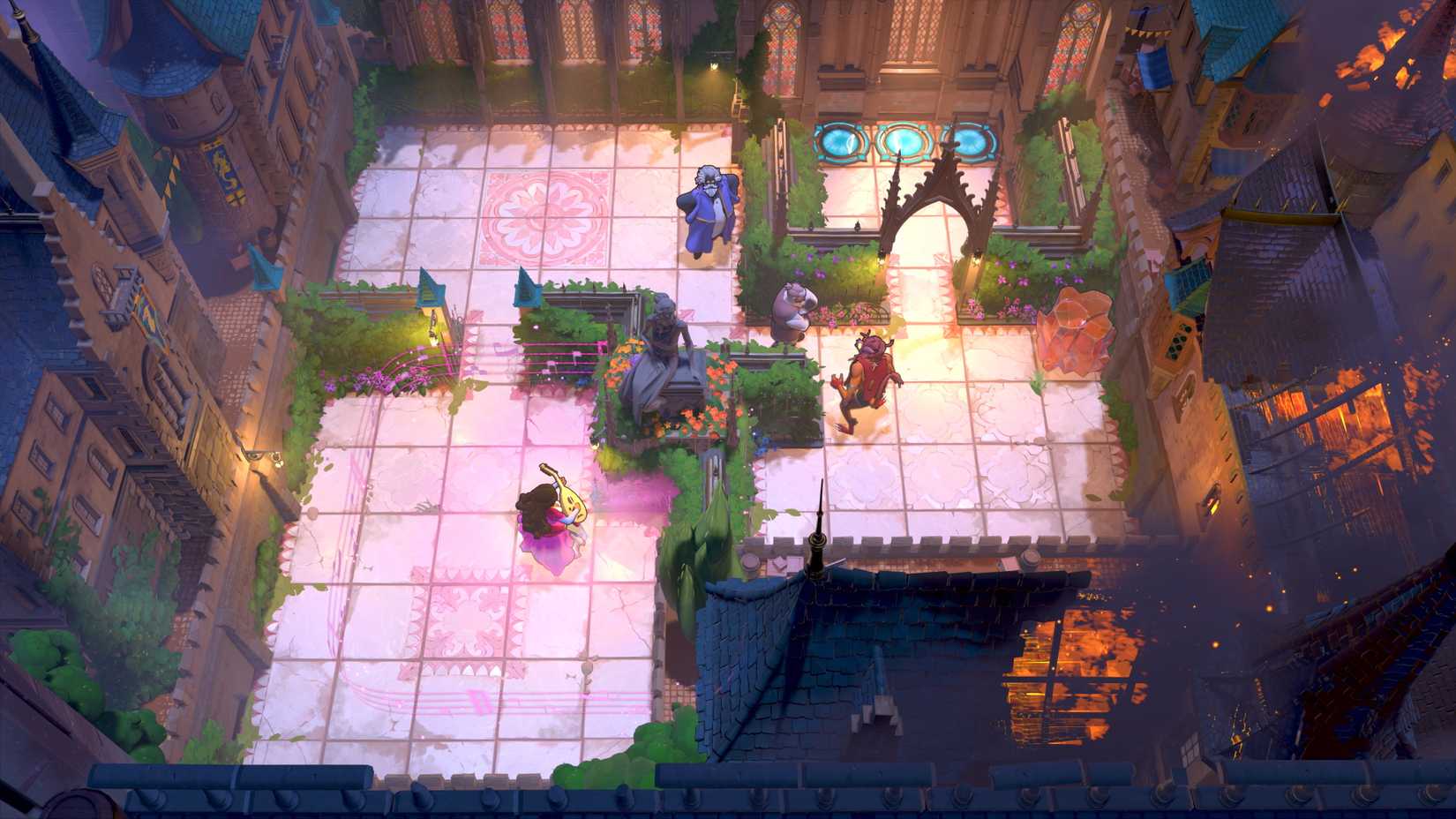
A notable example of a direct response comes from Alan Hazelden, the developer behind Mirror Isles, one of the games whose concepts are integrated into Order of the Sinking Star. Hazelden publicly stated that the profits he receives from the game will be directed towards "supporting underprivileged creators." This proactive measure serves as a clear ethical stance, allowing him to contribute to the project’s creative output while mitigating concerns about the controversy by channeling his earnings towards a positive, community-oriented initiative. This provides players with an alternative way to view their engagement with the game’s commercial success, knowing that some proceeds will support broader artistic endeavors.
Implications: Redefining Genre, Auteurship, and Ethical Consumption
The release of Order of the Sinking Star and its massive demo carries significant implications for the puzzle genre, the concept of video game auteurship, and the broader discussion surrounding ethical consumption in entertainment.
Redefining the Puzzle Genre’s Scope
Order of the Sinking Star has the potential to fundamentally redefine the scope and scale of puzzle games. By integrating over 1,000 puzzles into an interconnected open world, it pushes the boundaries of what a "puzzle game" can be. It moves beyond discrete levels or linear progression, offering an expansive experience that rivals open-world RPGs in terms of sheer content and player freedom. This could inspire a new generation of puzzle designers to think bigger, to explore deeper interconnectedness, and to leverage diverse mechanics in novel ways. The game’s success could usher in an era where puzzle games are recognized not just for their intellectual challenge but also for their vast, explorable worlds and long-term engagement potential.
The "Auteur Myth" Turned Inside Out
Perhaps the most profound implication of Order of the Sinking Star lies in its challenge to the traditional "auteur myth" in game development, particularly as it relates to Jonathan Blow. For years, Blow has been seen as a singular visionary, his games deeply personal expressions of his intellect and philosophy. However, this new project, with its explicit reliance on licensed ideas and credited contributions from numerous other designers, actively dismantles that image. Blow’s own statements, deferring credit to others, reinforce this shift.
This project suggests that even the most celebrated individual designers can benefit immensely from collaboration and the integration of diverse creative voices. It reframes the role of a lead designer from a sole creator to a masterful curator and integrator, capable of weaving disparate threads into a cohesive, grand design. This could pave the way for more transparent and celebrated collaborative efforts in the industry, highlighting the collective brilliance often hidden behind a single name.
Ethical Considerations and Player Choice
The controversy surrounding Jonathan Blow’s public statements raises crucial ethical questions for players. In an increasingly interconnected world, the actions and beliefs of creators can no longer be easily separated from their creations. Players are faced with a decision: Do the potentially divisive comments of a lead designer negate the artistic merit and collaborative efforts of a project involving many individuals?
The game’s collaborative nature, and specifically Alan Hazelden’s decision to re-route his profits to support underprivileged creators, offers a nuanced pathway for ethical engagement. It allows players to appreciate the collective artistry and support the broader puzzle community, even if they harbor reservations about one individual’s public persona. This situation forces a reflection on how players can support art while navigating the complexities of its creators’ public lives, encouraging a more thoughtful approach to consumption.
The Power of the "Game-Sized Demo"
The release of an "enormous" demo, comprising around 110 puzzles and described as larger than many full-priced puzzle games, is a significant marketing and engagement strategy. In an era of increasing game prices and frequent disappointments, offering such a substantial free experience builds trust and allows players to make an informed decision without financial risk. It showcases confidence in the product and provides invaluable feedback to the developers. This trend of offering extensive demos could become more prevalent, benefiting both players and developers by fostering a more transparent and confident market.
Future Outlook
As Order of the Sinking Star progresses towards its full release, the gaming world will be watching closely. Will its unprecedented scale and collaborative design truly deliver a 500-hour experience that remains fresh and engaging? Will it successfully navigate the complexities of its lead designer’s public image, allowing the game’s intrinsic quality to shine through? Regardless of its ultimate commercial or critical reception, Order of the Sinking Star has already sparked vital conversations about game design, collaboration, and the evolving relationship between creators and their audience, promising to leave a lasting mark on the puzzle genre and the industry at large.


 Lina Irawan
 Sagoh
Sagoh