In the traditional landscape of the "direct market"—the world of local comic shops, Diamond Previews, and monthly floppies—industry veteran Justin Jordan is a household name. Known for his work on DC titles like The Curse of Brimstone and Sideways, as well as his seminal creator-owned hits Luther Strode and Spread at Image Comics, Jordan has spent years navigating the high-stakes, often volatile waters of print distribution. However, Jordan’s most significant success story isn’t found on a spinning wire rack in a brick-and-mortar shop. Instead, it lives in the infinite scroll of Webtoon.
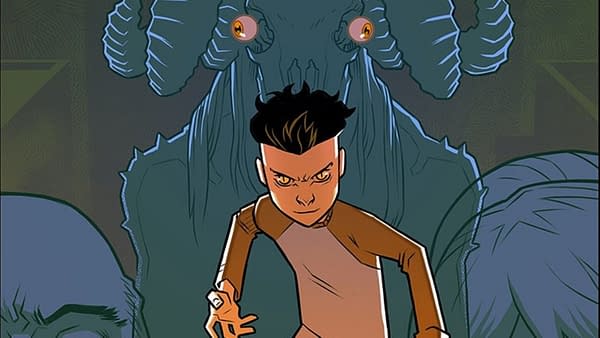
His series Urban Animal, created alongside artist John Amor and letterer Micah Myers, attracts upwards of 100,000 readers every single week. In an era where the comic book industry is increasingly obsessed with digital accessibility and audience retention, Jordan’s transition from print powerhouse to digital-first creator offers a masterclass in how modern creators are bypassing traditional gatekeepers to achieve staggering reach and sustainable profitability.
The Shift from Direct Market to Digital Dominance
For years, the industry has equated "comics" with the "direct market." When industry analysts discuss whether the medium is in decline, they are almost exclusively looking at the health of the traditional retail ecosystem. Jordan, however, suggests this is a category error.
"I have a bad habit of saying ‘comics’ when what I am actually talking about is ‘direct market comics,’" Jordan notes. "We talk about comics being in trouble based on what’s happening in the direct market. But while the direct market has its ups and downs, comics—sequential storytelling—are enormously popular."
The data supports his assessment. When looking at the broader landscape of illustrated fiction, the numbers are astronomical. Dav Pilkey’s Dogman series, for instance, commands print runs in the millions, consistently outselling the most popular superhero titles. Similarly, the manga market in the United States continues to post record-breaking sales volumes that would make a major publisher in the direct market blush.
Yet, even within these high-performing segments, webcomics represent a different tier of engagement. Urban Animal boasts over 465,000 subscribers on the Webtoon platform. By the standards of the site, this is a "middle-of-the-pack" performance; industry giants like Let’s Play command upwards of 3.7 million subscribers. These aren’t just vanity metrics—they represent millions of individuals who have signaled an active, ongoing interest in the narrative.
Chronology of a Digital Success Story
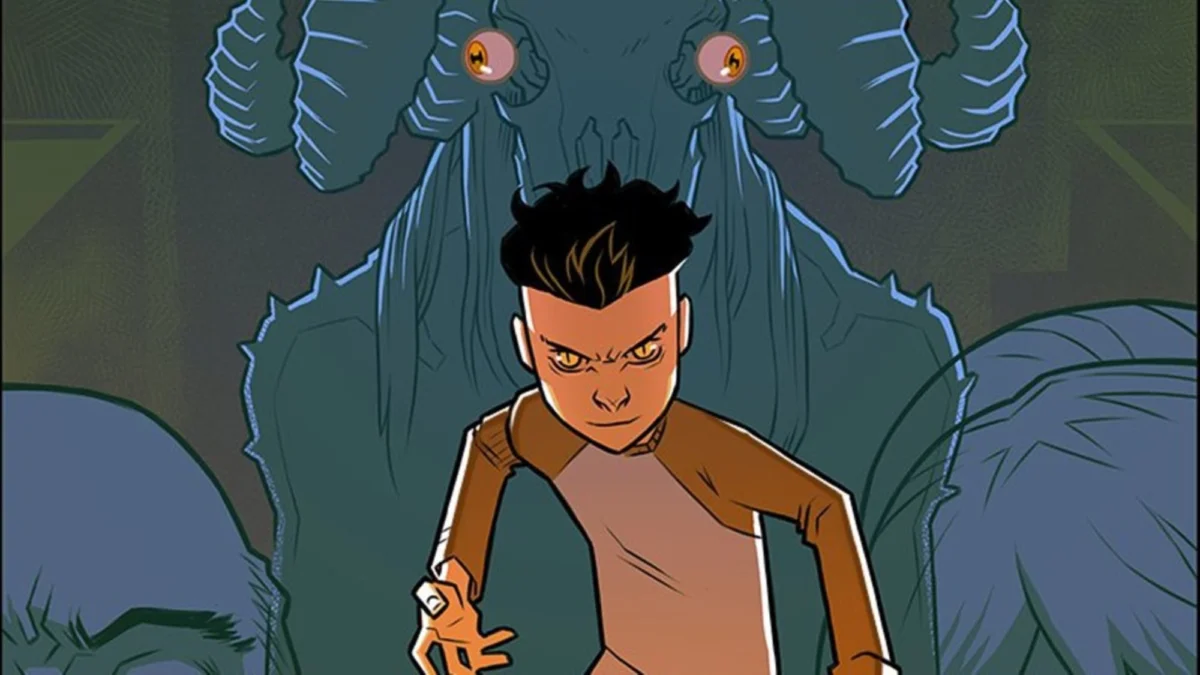
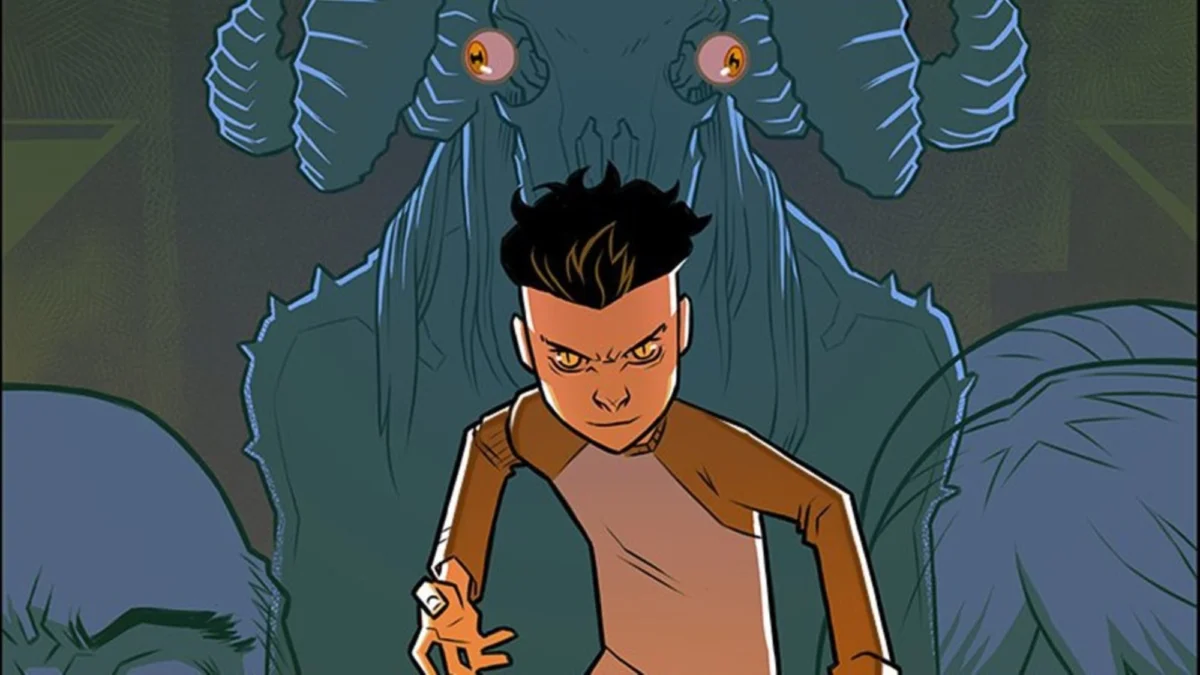
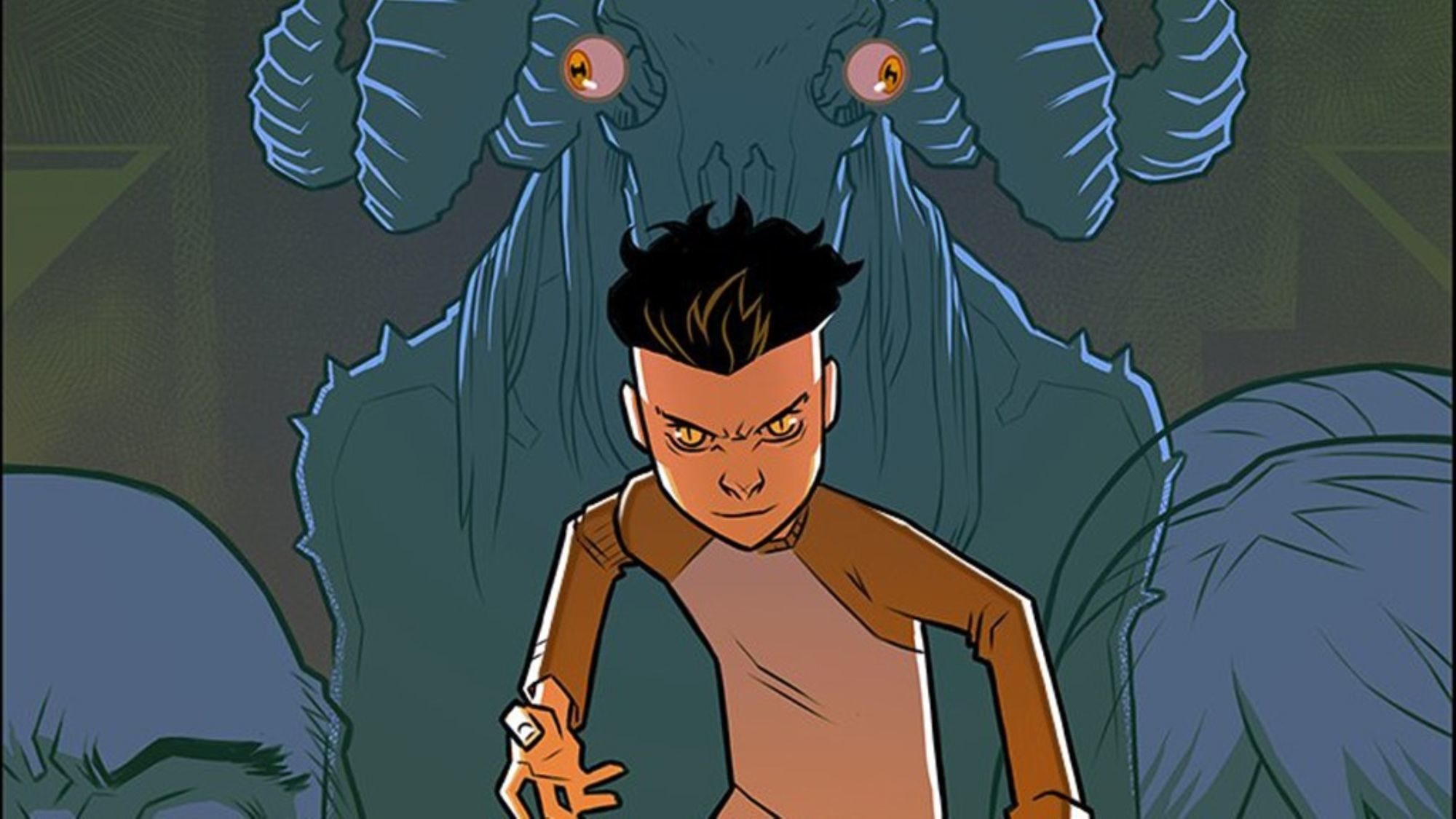
The ascent of Urban Animal serves as a case study for the "hyperserialized" format. The series follows the journey of Joe Gomez, a high-achieving high schooler whose life is upended when he discovers he is a Chimera—a shape-shifting nature spirit.
- Initial Launch: The series debuted on Webtoon, utilizing the platform’s vertical-scroll format designed specifically for mobile devices.
- The Growth Phase: By consistently updating on a weekly basis, the creative team established a "appointment reading" habit among its audience. This consistency is the lifeblood of the webtoon model, turning casual readers into recurring weekly visitors.
- Monetization Integration: As the series gained traction, the team leveraged the Webtoon "Fast Pass" system. This allows dedicated fans to pay a nominal fee (roughly 50 cents per episode) to access content three weeks before the public release.
- The Transition to Print: With three seasons of content under their belt—amounting to roughly 30 standard-sized single issues—the team is now moving into the secondary market. By partnering with Rocketship Entertainment, they are translating their massive digital success into a physical, collected edition via Kickstarter.
Supporting Data: The Math of the Webtoon Model
One of the most persistent myths in the industry is that "free" content cannot be monetized. Jordan’s experience suggests otherwise. While the barrier to entry is zero for the consumer, the platform’s business model provides a multi-layered revenue stream for the creator.
The Revenue Breakdown:
- License Fees: As a "featured" series on Webtoon, the creative team receives a guaranteed license fee per episode. This provides a baseline of financial stability that is rarely found in the speculative world of independent print publishing.
- Ad Revenue Splitting: The platform monetizes the free readership through advertisements, a portion of which is distributed to the creators.
- Fast Pass Revenue: This is the most critical metric for engagement. Jordan estimates that a minimum of 4,000 readers consistently utilize the Fast Pass system weekly. This represents a dedicated "super-fan" base that provides a steady, predictable income stream.
- Merchandising and Licensing: Because the contract structure functions more like a short-story license than a traditional "work-for-hire" deal, the creators retain a greater degree of control over the intellectual property, allowing them to pursue merchandise and print collections without the red tape typically associated with traditional publishers.
When aggregated, Jordan notes that his personal income from Urban Animal is comparable to—and in some cases, exceeds—the compensation he receives for writing mainstream superhero titles at major publishing houses.
The Implications of Crowdfunding for the Industry
The upcoming Kickstarter for the Urban Animal print collection represents a shift in how creators view the "end-of-life" cycle for their digital work. Rather than trying to cram the project into the rigid schedule of a traditional publisher, Jordan is utilizing crowdfunding to engage his audience directly.
"Kickstarter is also new territory for me," Jordan says. "I suspect crowdfunding is going to take an increasingly prominent place in direct market comics, especially if names like Scott Snyder and Keanu Reeves are anything to go by."
The implication here is clear: the relationship between the creator and the consumer is becoming decentralized. The success of Urban Animal demonstrates that if a creator can prove they have an audience—even one that started as a "free" digital audience—they can leverage that data to guarantee the financial viability of a print run before a single book is even printed. This mitigates the risk for the publisher (in this case, Rocketship Entertainment) and ensures the creator is fairly compensated for their labor.
Conclusion: A Blueprint for the Future
Justin Jordan’s move to Webtoon is not a rejection of traditional comics; it is an evolution of his business practice. By recognizing that the "direct market" is only one slice of a much larger, global pie, he has managed to secure a sustainable career that is not dependent on the fluctuations of local comic shop orders.
Urban Animal is a testament to the fact that the hunger for high-quality, sequential storytelling has never been higher. The medium is not dying; it is simply migrating to the platforms where the audience already lives. For creators looking to emulate this success, the message is clear: focus on consistency, engage the "super-fans" through direct monetization models, and don’t be afraid to treat digital content as a launchpad for a multi-format intellectual property.
As Jordan prepares to launch his Kickstarter, he stands at the intersection of old-school storytelling and new-school distribution. If his numbers are any indication, the future of the industry looks significantly more digital, more serialized, and, for the creators who adapt, more profitable than ever before.
For those interested in the series, ‘Urban Animal’ is updated every Saturday on Webtoon. The Kickstarter campaign for the Volume 1 print edition is scheduled to launch this coming October.