Lina Irawan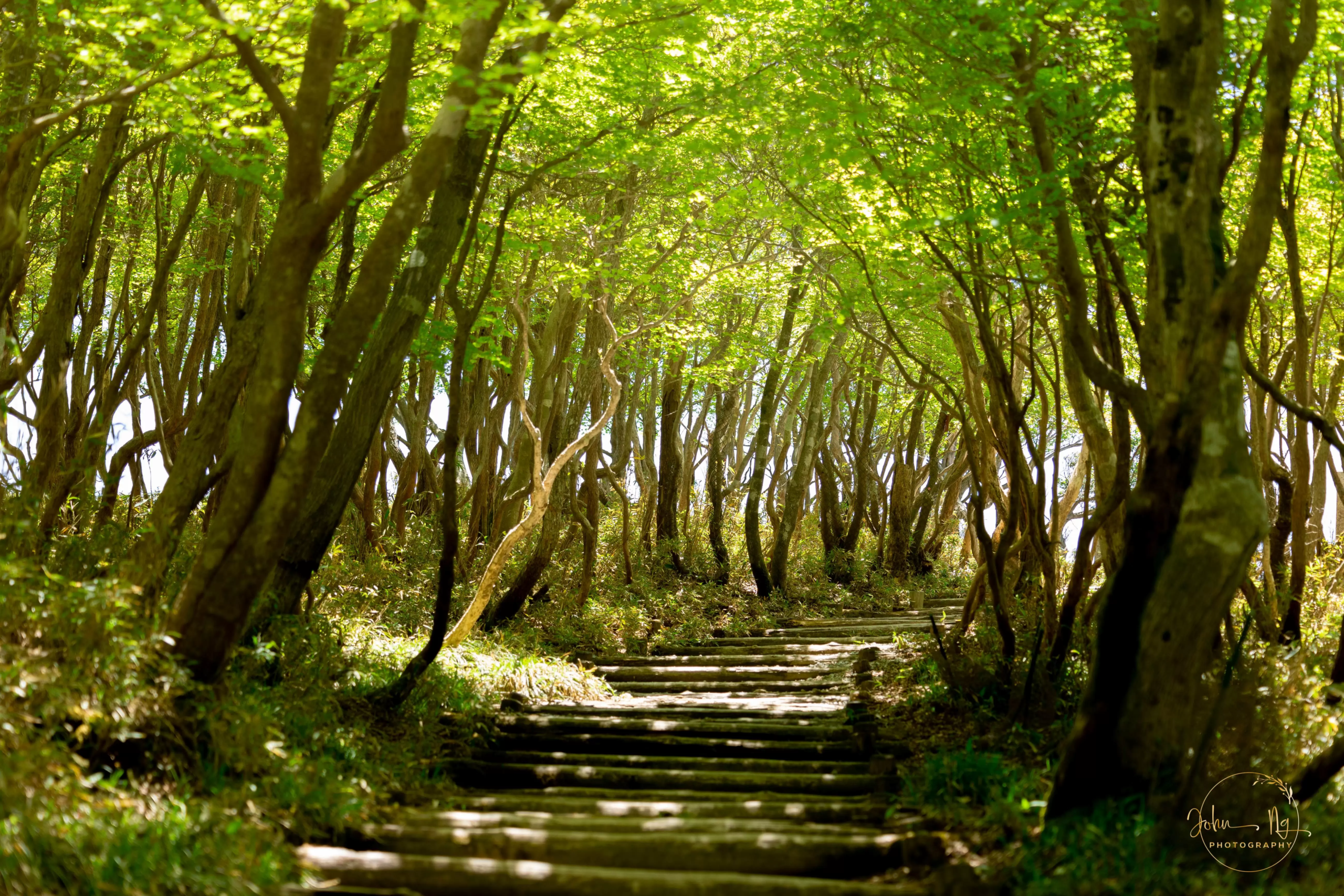
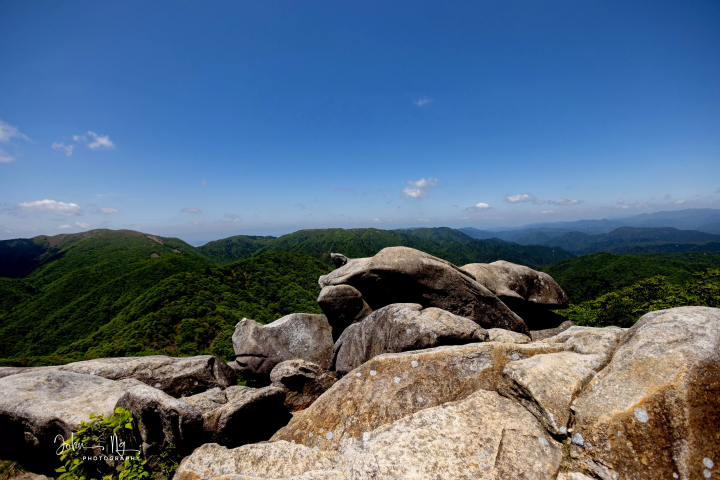
Standing at 1,212 meters above sea level, Mount Gozaisho in Mie Prefecture serves as a dramatic natural escape from the sweltering heat of the Japanese summer. Offering a climate roughly 10°C cooler than the lowlands, this mountain has long been a sanctuary for those seeking respite, adventure, and the timeless charm of traditional hot spring hospitality. Whether you are a photography enthusiast, a hiking aficionado, or a traveler looking to step back into the Showa era, Mt. Gozaisho offers a multifaceted experience that remains one of Japan’s best-kept secrets.

Main Facts: The Gateway to the Suzuka Range
The Gozaisho Ropeway is the primary artery to the summit, providing a breathtaking 15-minute aerial journey that traverses the rugged topography of the Suzuka Mountains. Located in Komono Town, the facility is highly accessible despite its seemingly remote alpine location.
Essential Visitor Information
- Elevation: 1,212 meters.
- Climate: Approximately 10°C cooler than the base, providing a refreshing retreat during the summer months.
- Ropeway Fare: Round trip for adults is 2,600 yen; children (4–12 years) are 1,300 yen. Children aged 1–3 ride for free. (Note: Those 13 and older are subject to adult pricing).
- Discount Opportunities: Travelers utilizing the Kintetsu Rail Pass are eligible for specific discounts, making the trip highly cost-effective for international visitors exploring the Kinki region.
Chronology: From Ancient Springs to Modern Skyway
The history of the region is deeply rooted in the concept of healing. The area surrounding the mountain, Yunoyama Onsen, traces its origins back 1,300 years.
The Legend of the Deer: Local folklore suggests that the hot springs were discovered when a wounded deer was observed soaking in the mineral-rich waters to heal its injuries. This earned the springs the moniker "Deer’s Hot Spring." Over the centuries, the area evolved from a remote forest retreat into a sanctuary for pilgrims and weary travelers.
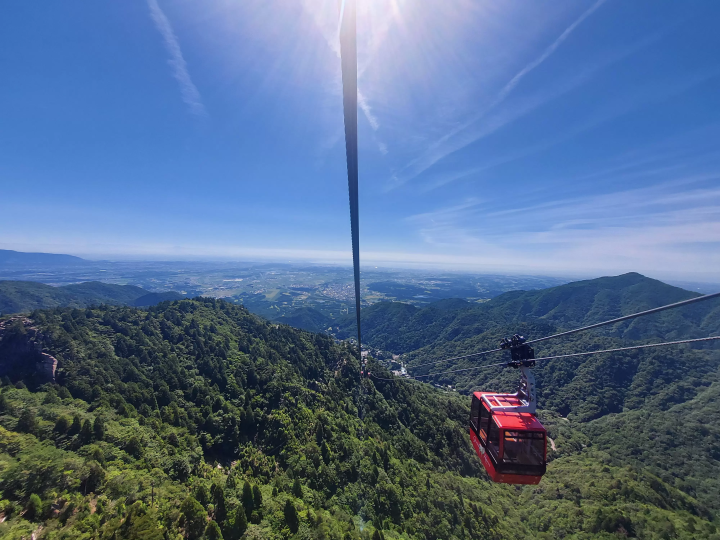
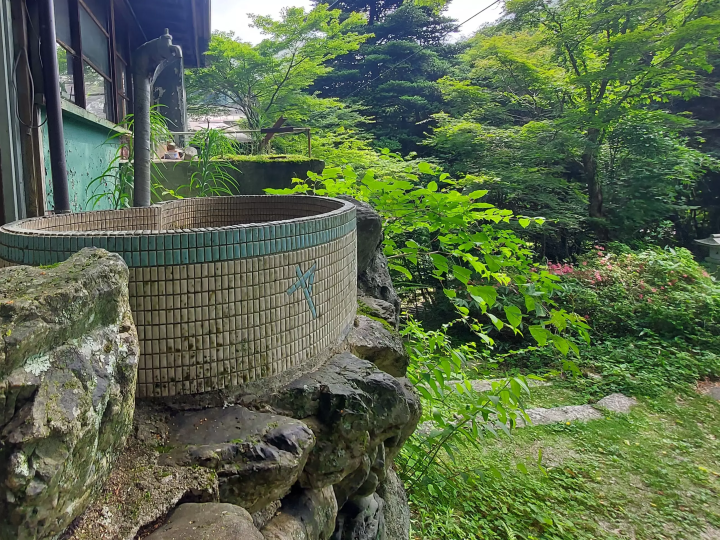
The Showa Era Legacy: The mid-20th century saw the development of the modern ropeway infrastructure, transforming the mountain into a accessible tourist destination. Walking through the town today, one can still see the preserved aesthetics of the Showa period, characterized by wooden inns, traditional souvenir shops, and cobblestone paths that have witnessed the passage of over a century.
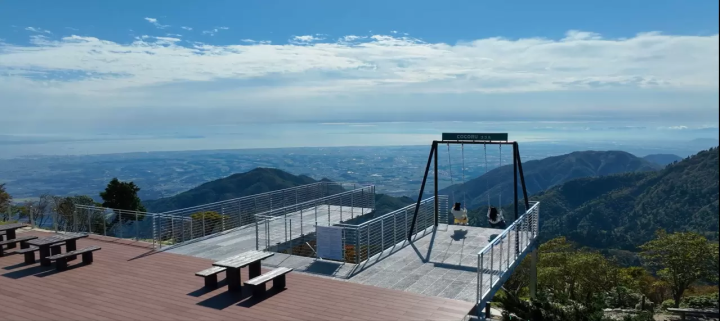
The Evolution of Modern Infrastructure: On October 30, 2025, the facility underwent a significant modernization with the opening of the "COCORU" observation terrace. This addition, located at the Kamoshika Plaza, represents the latest effort by local authorities to blend modern, thrill-seeking tourist experiences—such as the high-altitude swing set—with the mountain’s natural grandeur.

Supporting Data: Navigating the Mountain
For the international traveler, navigation is straightforward provided one adheres to the correct rail lines.
Logistics and Transit
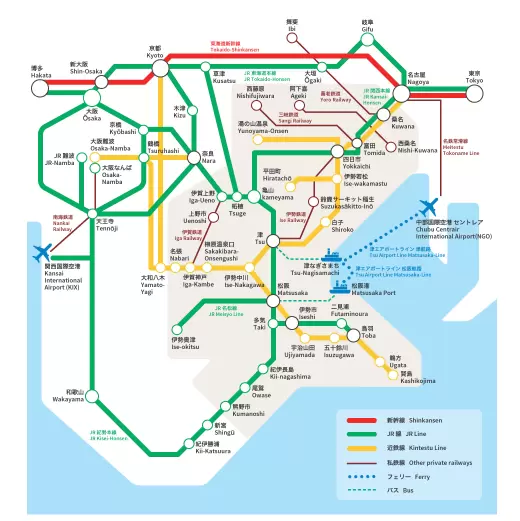
- Step 1: From Nagoya or Osaka, take the Kintetsu Railway to Kintetsu Yokkaichi Station.
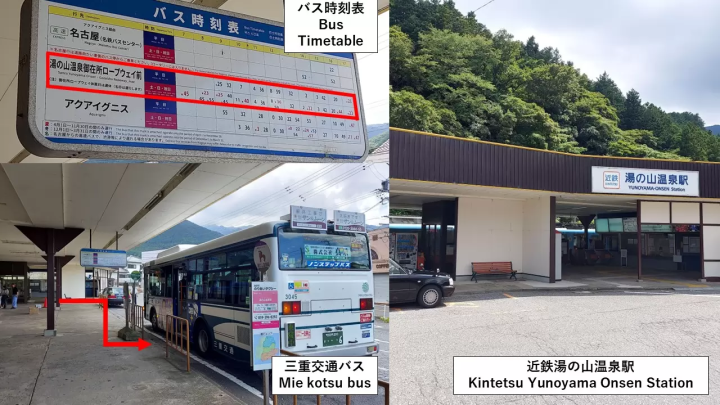
- Step 2: Transfer to the Yunoyama Line, bound for the final destination: Yunoyama Onsen Station.
- Step 3: Take a 10-minute Mie Kotsu bus ride directed to "Yunoyama Onsen Gozaisho Ropeway Mae."
Critical Advisory: Travelers must exercise caution to avoid trains bound for JR Yokkaichi, as the JR station is situated a significant distance from the Kintetsu hub, potentially disrupting travel schedules.
On-Mountain Navigation
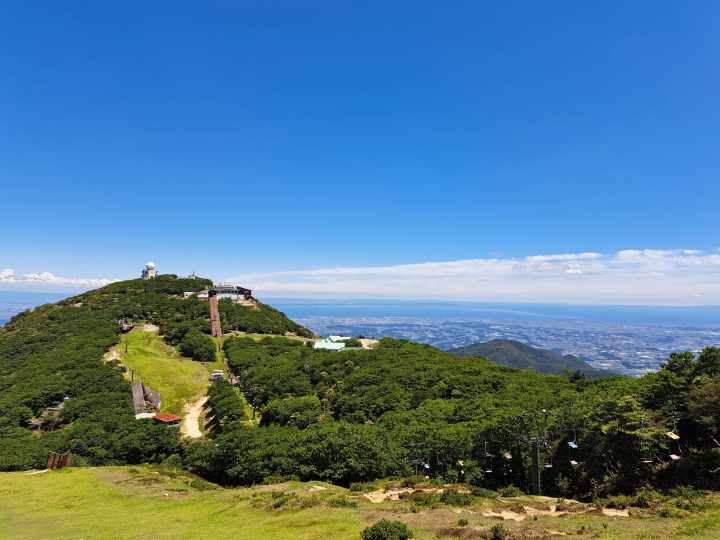
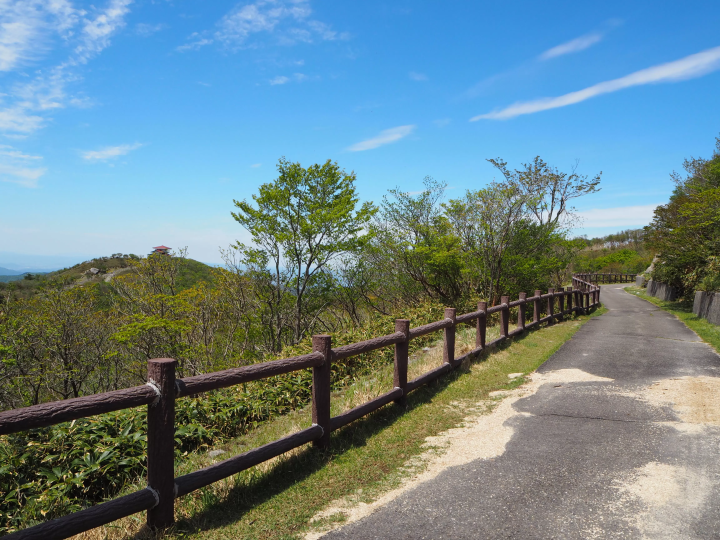
Once at the summit, the infrastructure is designed for casual hikers. The paths are well-maintained, allowing visitors to navigate comfortably in sneakers. The mountain park is equipped with:
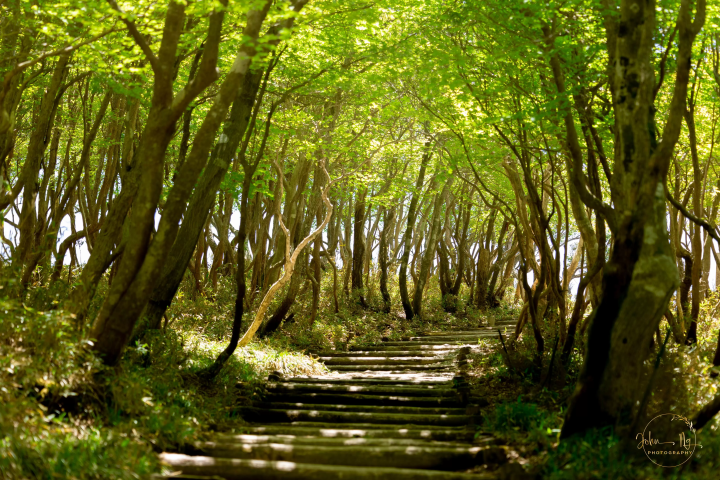
- The Sightseeing Lift: A 500-meter journey that takes 8 minutes, providing a leisurely "stroll through the air." Fares are 400 yen one-way or 700 yen round-trip.
- Observation Platforms:
- Fujimi Observatory: A prime spot for panoramic views, including the Chita Peninsula, Chubu Centrair International Airport, and on exceptionally clear days, the silhouette of Mt. Fuji.
- Bokodai: Located on the western side, this point offers a unique vantage of the surrounding landscape and serves as the primary summit peak.
Official Responses and Hospitality
The local tourism boards and the Gozaisho Ropeway operators have placed a heavy emphasis on "omotenashi" (Japanese hospitality). This is best exemplified by establishments like the Saikoyo ryokan, which blends a castle-like exterior with a warm, youthful service team.
"Our goal is to ensure that every guest feels the history of this land while enjoying the comforts of modern tourism," states a representative from the local tourism association. By maintaining active social media channels and engaging in year-round community events, the operators of Mt. Gozaisho have successfully bridged the gap between a 1,300-year-old hot spring village and the demands of 21st-century travelers.
Implications: A Sustainable Future for Tourism
The success of Mt. Gozaisho lies in its ability to offer a "cool" escape in an era of rising global temperatures. As heatwaves become more frequent in Japanese urban centers like Nagoya and Osaka, the demand for alpine retreats like Mt. Gozaisho is expected to rise.

Furthermore, the integration of the Kintetsu Rail Pass into the mountain’s discount structure has effectively positioned the site as a key stopover for international tourists traversing the "Golden Route" between Kyoto, Nara, and Ise.
Environmental and Cultural Preservation
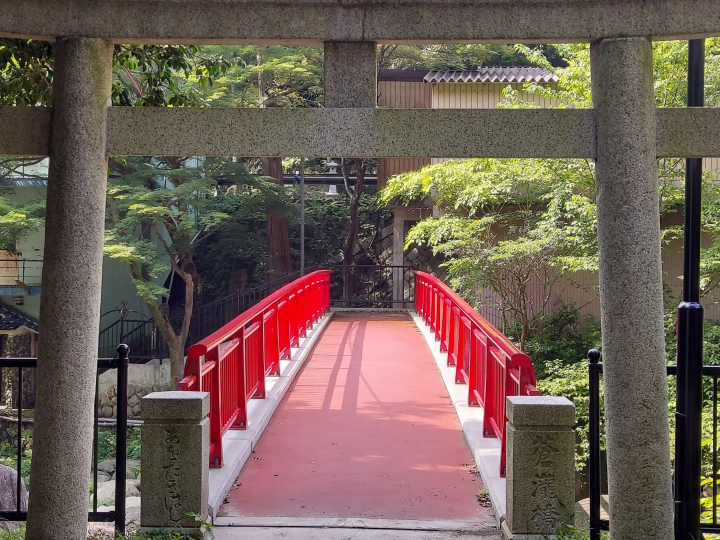
The challenge moving forward remains the preservation of the delicate mountain ecosystem and the historic Showa-era townscape. The local government has committed to maintaining the "slow-flow" atmosphere of Yunoyama Onsen, ensuring that as tourist numbers increase, the integrity of the 1,300-year-old "Deer’s Hot Spring" is not compromised.
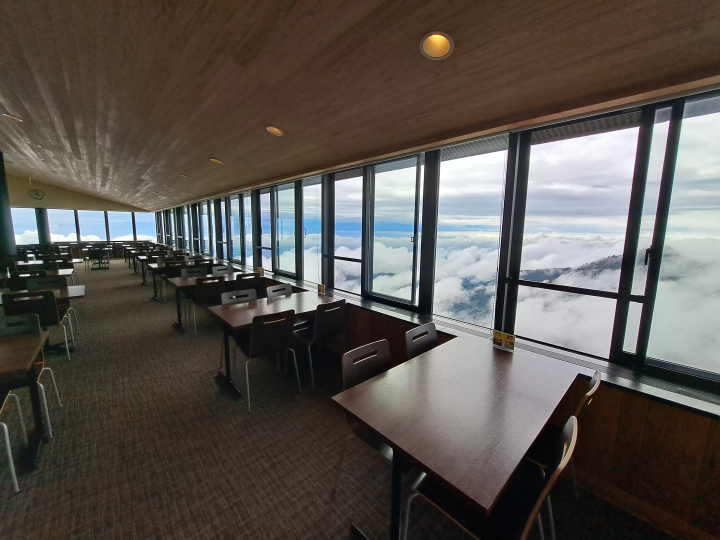
For the visitor, the implication is clear: Mt. Gozaisho is not merely a destination for a quick photo, but a place to engage with Japan’s deep past. From the "Gozaisho Curry Udon" served at the summit’s Nature restaurant to the therapeutic mineral waters of the valley below, the mountain provides a holistic experience.
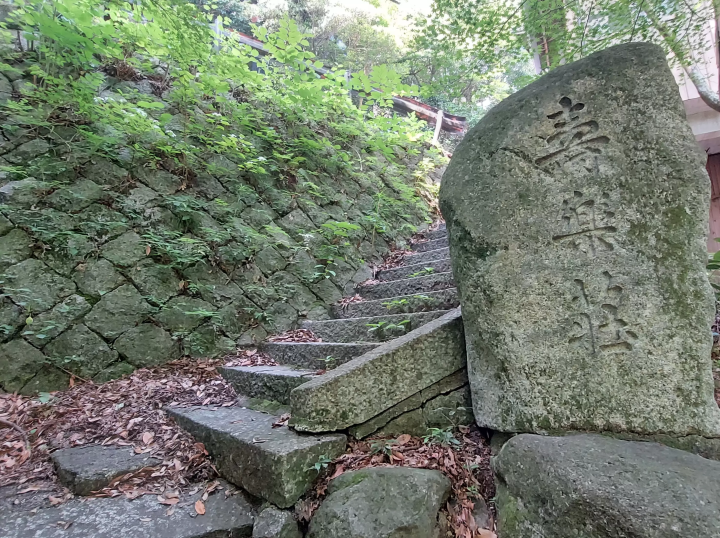
Whether you are looking to swing into the clouds at the COCORU terrace or wander through the historic stone staircases of the hot spring town, Mt. Gozaisho remains a testament to the enduring appeal of the Japanese mountains. For the latest updates, travelers are encouraged to monitor the official Gozaisho Ropeway Facebook and Instagram pages, which provide real-time information on weather, seasonal events, and facility operating hours.


 Neng Nana
 Asro
Asro