Reynand Wu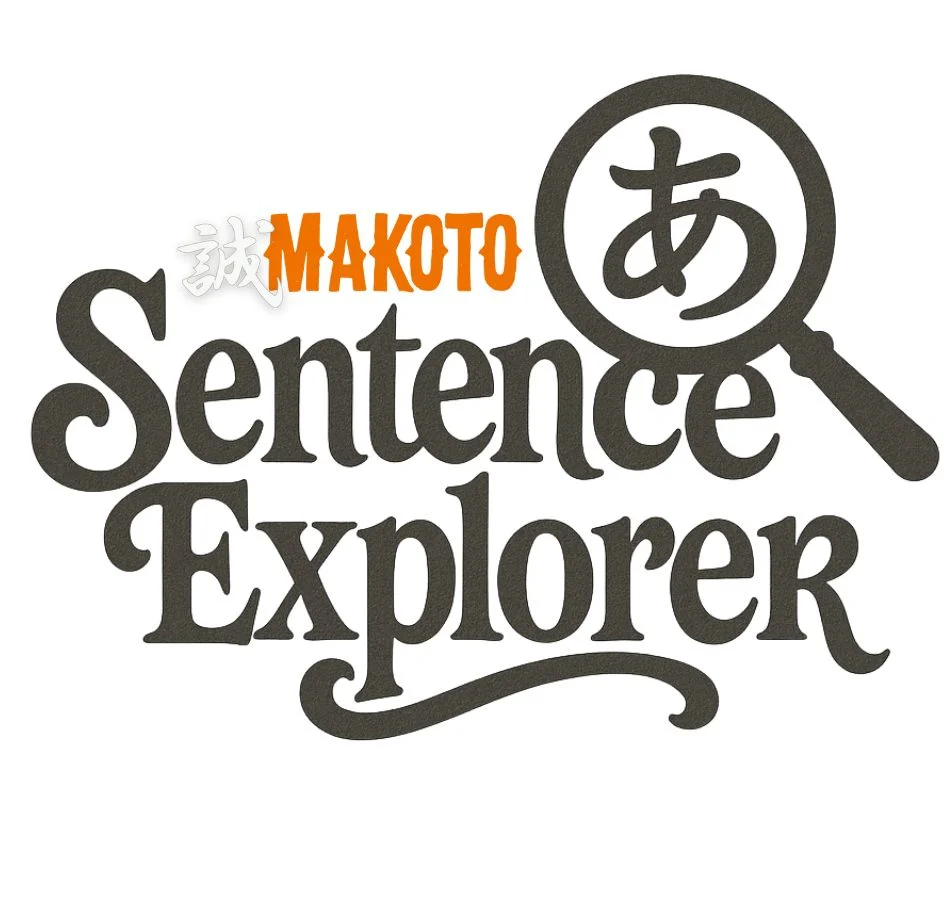
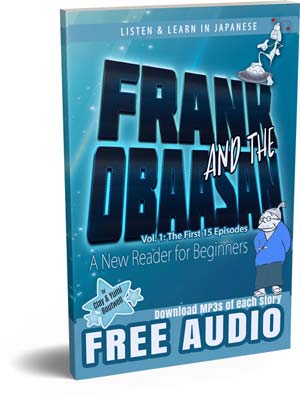
In the world of language pedagogy, the most persistent hurdle for beginners is the intersection of motivation and retention. While traditional textbooks often rely on dry, repetitive drills, a new approach is gaining traction: immersion through narrative fiction. Enter Frank and the Obaasan, a unique Japanese reader series that is turning the standard language-learning paradigm on its head by utilizing the misadventures of a stranded alien to teach essential grammar, vocabulary, and cultural nuance.
The Premise: An Intergalactic Mismatch in Rural Japan
The narrative follows Frank, an extraterrestrial who—in a classic science-fiction trope—finds his intergalactic spy mission derailed when his spaceship crash-lands in the Japanese countryside. Bereft of his advanced technology and stranded in the prefecture of Fukui, Frank faces the most daunting challenge of his mission: mastering the Japanese language.

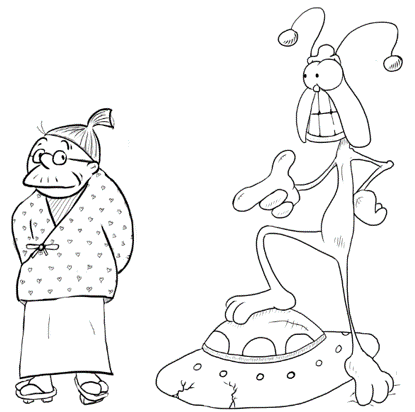
Frank is not the typical textbook protagonist. He is curious, prone to misunderstandings, and possessed of a "questionable confidence" that leads him into comical social situations. His primary objective is to learn about Earthlings, acquire the elusive fermented soybean dish known as natto, and repair his vessel before he inadvertently triggers an interstellar conflict. Along the way, he encounters Obaasan, a quintessential, no-nonsense Japanese grandmother whose patience and wisdom serve as the perfect foil to Frank’s extraterrestrial absurdity.
Chronology of a Cultural Exchange
The series is structured as a progressive reader, designed to guide students from the basic recognition of hiragana to a more sophisticated understanding of Japanese syntax. The story is divided into distinct episodes that act as milestones in Frank’s assimilation into human life.
Episode One: The Encounter
The story begins with a crash and a faint. Obaasan finds the disoriented alien in her village. The initial dialogue focuses on basic greetings and the most fundamental Japanese interrogatives. This episode serves as the foundation for the student’s journey, introducing the reader to the rhythmic cadence of daily Japanese interaction.
Episode Two: The Search for Hydration
In the second installment, the focus shifts to the physical needs of our protagonist. Frank is introduced to mizu (water). This episode is a masterclass in introducing new vocabulary through context. By linking the concept of hydration to a specific cultural item—and exploring Frank’s reaction to it—the reader learns not just the word for "drink," but how to construct sentences around desires and preferences.
Episode Three: The Sushi Paradox
As the story progresses, the stakes rise. Frank encounters sushi for the first time. The episode serves as a humorous exploration of the "Human vs. Alien" perspective. When Frank mistakes the sushi for a person, the dialogue provides a perfect vehicle for teaching the negative form of the copula and essential nouns related to identity and classification.
Episode Four: Edibility and Etiquette
In the fourth episode, the narrative addresses the concept of food as a commodity. Frank’s confusion over whether his "friend" (the sushi) is a person or a meal provides a sharp, memorable contrast that helps cement the difference between animate and inanimate objects in Japanese grammar.
Episode Five: The Diplomatic Crisis
The final episode of this introductory arc elevates the stakes. Frank is introduced to a neighbor, leading to a series of comedic misunderstandings about his nationality. When Frank confesses he is an alien, the social fallout—resulting in both ladies fainting—acts as a catalyst for deeper discussions regarding self-identification and complex sentence structures.
Supporting Data: Why This Method Works
Language acquisition research consistently points to the "Input Hypothesis," which suggests that learners make the most progress when exposed to content that is just slightly above their current proficiency level. By embedding grammatical structures within a compelling narrative, Frank and the Obaasan provides what educators call "comprehensible input."
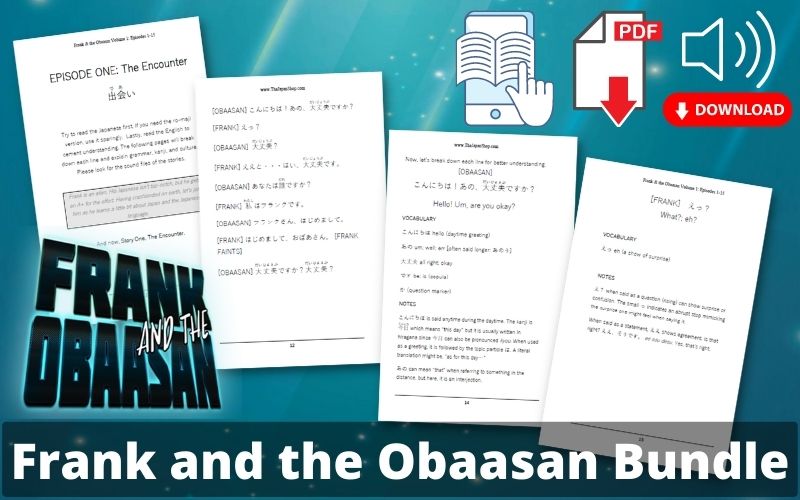
Each chapter follows a rigorous pedagogical structure:
- Japanese Text: The raw target language, allowing for direct reading practice.
- English Translation: A bridge for understanding intent and context.
- Line-by-Line Breakdown: A granular analysis of grammar, vocabulary, and cultural context.
By keeping the chapters short and the characters consistent, the series minimizes the "cognitive load" on the student. The alien protagonist acts as a surrogate for the learner; as Frank struggles to understand Earthly concepts, the student is given permission to struggle alongside him, removing the intimidation factor often associated with learning a second language.
Official Perspectives: The Role of Digital Integration
The creators of the series have expanded the learning experience by integrating it with the Makoto+ ecosystem. This platform offers a "Sentence Explorer," which allows students to isolate specific grammatical points found in the stories.
According to representatives from the project, the goal is to provide a "360-degree learning environment." By moving beyond the printed page, students can access sound files and interactive drills that reinforce the written text. The inclusion of the "Makoto Free Tier" ensures that the learning process remains accessible, adhering to the project’s mission of democratizing Japanese education.

Pedagogical Implications: The Future of Language Readers
The success of the Frank series suggests a broader shift in how language materials are being developed. We are moving away from the "static" reader—the kind that sits on a shelf collecting dust—and toward an "ecosystem" model.
1. The Power of "Low-Stakes" Humor
Humor is a powerful memory anchor. When a student remembers the punchline of an interaction between Frank and Obaasan, they are, by extension, remembering the grammatical particles and verb conjugations used to deliver that joke. This is an application of "associative learning," which is significantly more effective than rote memorization.

2. Cultural Literacy
The series does more than teach grammar; it teaches "social scripts." By watching how Frank navigates a sushi restaurant or interacts with an elderly neighbor, the student is learning the implicit rules of Japanese etiquette. This cultural literacy is just as important as vocabulary acquisition for those hoping to travel to or work in Japan.
3. Scalability
The project has successfully utilized multiple distribution channels, ranging from digital bundles for the tech-savvy student to physical paperbacks for those who prefer a tactile experience. This accessibility ensures that the material can reach a diverse demographic, from high school students to adult professionals.

Conclusion: A New Standard for Beginners
For the student who has moved past the initial excitement of learning hiragana but has hit the "intermediate wall," Frank and the Obaasan provides the necessary scaffolding to continue the ascent. By blending the absurdity of a space-faring spy with the grounded, daily life of a rural Japanese village, the series creates a context that is both entertaining and deeply educational.
As the pedagogical landscape continues to evolve, the industry should look to projects like this as a blueprint. It demonstrates that the most effective way to teach a complex language is to stop treating it as a list of rules to be memorized and start treating it as a medium for storytelling. Whether one is here for the aliens, the fermented beans, or the kanji, the journey of Frank offers a compelling reminder that the best way to bridge the gap between cultures is, quite simply, to tell a story.
How to Access the Materials
The first five episodes are currently available for free to the public. For those seeking to deepen their engagement, there are four primary pathways provided by the developers:
- The Shogun Membership: A comprehensive, all-access pass to the Makoto+ platform.
- The Beri- Beri- Shoshinsha Bundle: A digital resource pack curated specifically for absolute beginners.
- The Frank Reader Bundle: The most direct, budget-friendly way to secure the primary text and future volumes.
- Physical Editions: For those who prefer a traditional library, paperback collections are available via The Japan Shop.
By integrating these resources, the creators have ensured that the path to fluency is not only structured and rigorous but, most importantly, a journey that one actually wants to take.


 Neng Nana
 Asro
Asro