

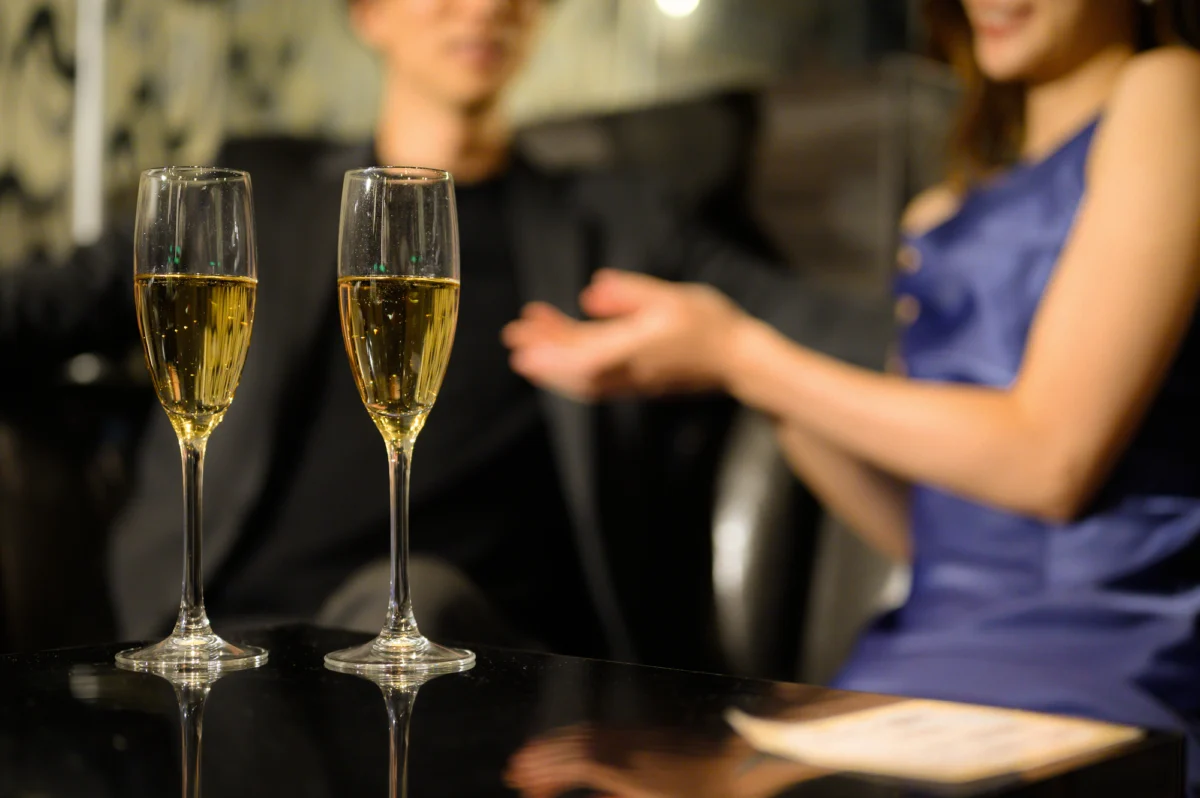
In the public imagination, Japan is often characterized by its rigid social codes, a culture of intense professional decorum, and a strict adherence to traditional, monogamous family values. Yet, beneath this veneer of polite society exists a clandestine, thriving sexual subculture. While Western media often fixates on the sanitized, mainstream aspects of Japanese nightlife, a more "deviant"—or perhaps simply more honest—world operates in the shadows. Central to this hidden landscape is the "happening bar."
Neither a brothel nor a standard nightclub, the happening bar serves as a sanctuary for those looking to discuss and engage in sexual activity away from the prying eyes of a society that views non-monogamy as a social taboo.
The Nature of the Happening Bar: A Definition
A "happening bar" (happeningu bā) is a venue designed for consenting adults to gather, consume alcohol, and engage in frank, often explicit, conversation regarding their sexual desires. The term "happening" is literal: while the environment fosters conversation, the ultimate goal for many is to transition from discourse to physical action.
Unlike fuzoku (sex-related businesses) such as "soaplands" or "fashion health" parlors, happening bars are not transactional. Staff members are present solely to manage operations—serving drinks, maintaining hygiene standards, and enforcing the venue’s code of conduct. There is no money exchanged for sexual services. Any encounter that occurs within the walls of a happening bar is strictly between patrons, governed by the principles of consent and mutual attraction.
The spatial design of these venues usually mirrors their purpose: a public lounge area—often indistinguishable from a standard Tokyo watering hole—is paired with semi-private or private "playrooms." These segregated spaces are where the "happening" occurs, providing a necessary layer of separation from the social atmosphere of the bar.

A Chronology of the Subculture
The origins of the happening bar are difficult to pin down, as their existence has historically relied on word-of-mouth and the "floating world" (ukiyo) ethos that has permeated Japanese culture since the Edo period.
- 1980s–1990s: As Japan’s bubble economy expanded, so did its nightlife. The rise of "couples kissas" and early iteration clubs began to cater to an increasingly restless urban demographic, tired of the constraints of the traditional household.
- 2000s: With the proliferation of early internet bulletin boards (BBS), these bars began to formalize their digital presence. While they remained "underground," the ability to check the gender ratio and volume of attendees online shifted the scene from purely serendipitous to semi-structured.
- Present Day: Today, the industry operates in a delicate equilibrium. While they remain under the constant threat of legal scrutiny, they have become a staple for individuals seeking an outlet for desires that are otherwise suppressed in the daylight hours of Japanese corporate life.
Supporting Data and The "Grey Zone" Economy
The legality of happening bars is, at best, a murky "grey zone." Under Japanese law, public indecency statutes could theoretically be used to shutter these venues. However, the police approach is generally one of selective enforcement. So long as a venue maintains discretion—often utilizing double or triple-door security systems to prevent public exposure—authorities tend to look the other way.
When a bar is raided, it is almost exclusively the owners who face the brunt of legal repercussions. For patrons, the primary risk is social exposure rather than criminal prosecution. This has necessitated a rigorous set of industry standards:
- Strict No-Photography Policies: Smartphones are often confiscated at the door or placed in lockers to protect the privacy of patrons, many of whom hold high-profile "day jobs."
- Membership Requirements: Most venues require a formal registration process, including valid government identification. In many cases, residents must also provide proof of health insurance (often via the My Number app), ensuring that every guest is vetted and accounted for.
- The "No-Contact" Rule: To maintain the legal "bar" classification, most establishments strictly forbid the exchange of contact information. The philosophy is "what happens here, stays here," preventing the formation of outside relationships that could lead to stalking or public scandals.
Official Responses and Social Implications
The government of Japan and local law enforcement maintain an official stance of moral conservatism, yet they rarely target these clubs unless there is a public disturbance. The implication is a tacit agreement: the state tolerates these spaces because they provide a "pressure valve" for a society that has one of the world’s highest rates of "tacit" infidelity.
Sociologists often argue that the happening bar is a byproduct of the "salaryman" culture, where extreme long hours and social pressure leave little room for romantic or sexual exploration within a marriage. By providing a controlled, anonymous, and relatively safe environment, these bars allow individuals to pursue gratification without dismantling their public, professional identities.
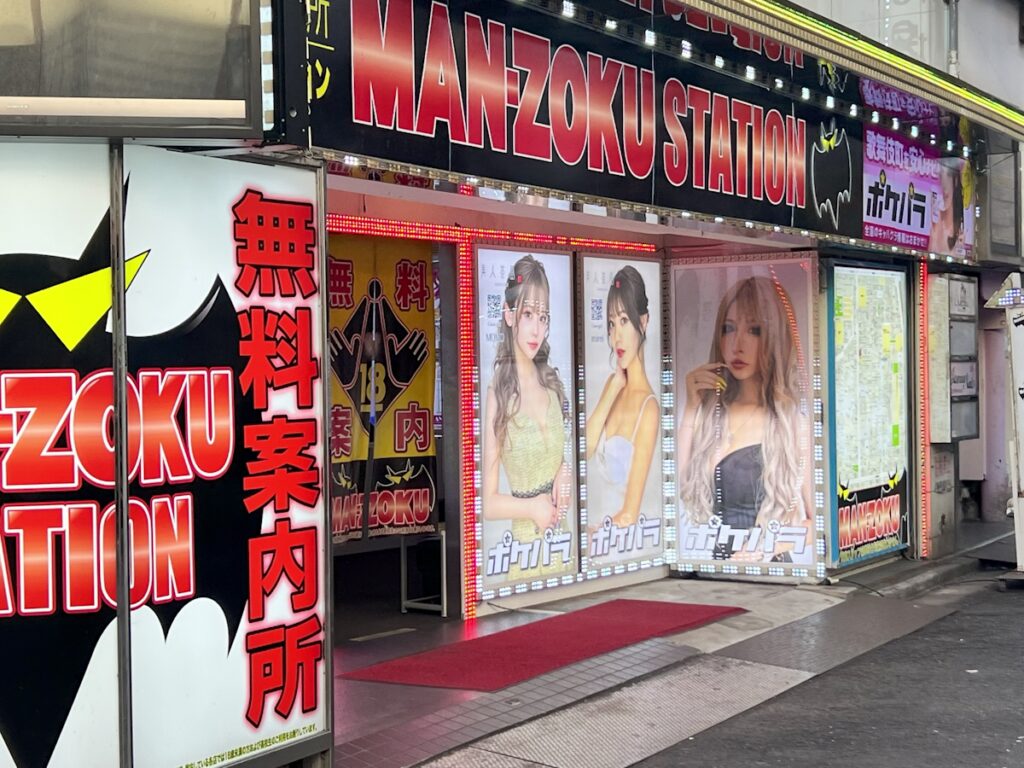
However, the scene is not without its limitations. It is deeply rooted in heteronormativity. Many venues remain difficult to access for LGBTQ+ individuals, and women who are not part of a couple may find themselves navigating a space that is heavily catered toward the male gaze. Furthermore, for the foreign tourist, the language barrier is a formidable wall. Because these clubs rely on a complex social dance of negotiation and subtle communication, those who cannot speak fluent Japanese are often turned away—not out of xenophobia, but out of a fear that they will not understand the complex social rules of consent and privacy.
Navigating the Experience: Tips for the Curious
For those interested in exploring this facet of Japanese nightlife, the process is far from a simple "walk-in."
- Preparation is Mandatory: Consult the venue’s website or BBS. Even if you are a foreigner, demonstrating that you have read the rules and understand the etiquette (such as the necessity of showering upon entry) goes a long way.
- The "Wingman" Strategy: Having a Japanese-speaking companion is the most effective way to gain entry and understand the social cues of the room.
- Manage Expectations: These are not brothels. There is no guarantee of sexual activity. Many nights are spent simply drinking, socializing, and discussing kinks with like-minded individuals. If you approach a happening bar with the mindset of a consumer looking to purchase a service, you will likely be disappointed—or asked to leave.
- Consent as the Absolute Law: In an environment where the "grey zone" is the only thing protecting the business, consent is the only safeguard for the patrons. Unwanted advances, pestering, or any behavior that disrupts the "flow" of the room will result in an immediate and permanent ban.
Conclusion
The happening bar remains one of the most enigmatic features of Japanese urban life. It is a testament to the fact that no matter how organized or polite a society appears on the surface, human desire will always carve out a space to exist. These venues are not simply dens of iniquity; they are, for their patrons, essential nodes of community and expression in a society that often demands total conformity.
As Japan continues to evolve, the future of the happening bar remains uncertain. Yet, as long as there is a divide between the public face and the private self, these "unseen" spaces will likely continue to thrive behind their double-locked doors, offering a temporary escape from the pressures of the modern world.












No comments yet. Be the first to join the conversation!