Layla Zulfa
It is a golden age for fans of The Witcher. A decade after the critical and commercial triumph of The Witcher 3: Wild Hunt and its quintessential expansion, Blood and Wine, CD Projekt Red (CDPR) has signaled a massive resurgence for the franchise. Beyond the recently announced 2027 expansion, Songs of the Past, industry rumblings have confirmed that a new, untitled multiplayer project set within the Continent is currently in active development for PC and mobile platforms.
This venture represents a bold strategic shift for the Polish developer, moving away from its traditional single-player-only roots toward a service-oriented, co-operative experience. As the franchise approaches its 20th anniversary, the mystery surrounding this title—and how it fits into the broader "Witcherverse"—has become the focal point of intense speculation among RPG enthusiasts.
Main Facts: A New Era of Monster Hunting
According to reports surfacing from industry insiders close to MP1st, this upcoming project is a free-to-play, co-operative action RPG. Unlike the narrative-driven epics that defined the Witcher series, this title shifts the focus to player agency and emergent gameplay.
Set in the year 1230, the game transports players to a period during Geralt of Rivia’s formative years as a wandering monster slayer. However, fans should manage their expectations regarding the White Wolf: this game is not a narrative focused on Geralt. Instead, players are invited to step into the boots of their own custom-created Witcher. The reported inclusion of gender and appearance customization is a significant departure from the established protagonist-led design of CDPR’s past, offering players the freedom to build their own legacy within the monster-infested wilderness.
The gameplay loop centers on taking contracts and systematically hunting beasts across the familiar, atmospheric biomes of the Continent. Combat is described as a skill-based, high-stakes system that emphasizes tactical decision-making over mindless button-mashing. Players will reportedly choose their abilities from various Witcher schools, allowing for a deep degree of build customization. Mastering the nuance of the combat system—timing blocks, executing perfect parries, and utilizing signs and alchemical concoctions—will be the primary differentiator between a seasoned monster hunter and a corpse left in the swamp.
Chronology: From Project Sirius to Mobile Ambition
To understand the trajectory of this new title, one must look back at the chaotic timeline of CD Projekt Red’s post-2022 development cycle.
The Rise and Reboot of Project Sirius
In 2022, CDPR unveiled Project Sirius, a spin-off title described as featuring both single-player and multiplayer elements. At the time, speculation suggested it would be a console-focused, high-fidelity experience. However, the project hit significant turbulence in 2023, undergoing a massive "reboot" of its development framework. Following this, The Molasses Flood, the studio originally tasked with the project, was absorbed into the core CDPR infrastructure. This consolidation marked a turning point, with the project reportedly shifting its focus toward a mobile-first architecture, potentially leveraging the lessons learned from the studio’s successful, if niche, mobile forays like Gwent and Thronebreaker.
The Collaboration with Scopely
Another possibility is that this project is the result of CDPR’s strategic partnership with Scopely, the mobile gaming giant behind the global phenomenon Monopoly Go!. This collaboration, which came to light last year, signaled CDPR’s intent to monetize its intellectual property in the massive mobile market.

The 2026/2027 Horizon
During the May 2026 quarterly earnings report, CDPR co-CEO Michał Nowakowski offered a guarded update. While he confirmed that "things are happening," he explicitly noted that the project was "not a story for 2026." Given the 20th anniversary of the original Witcher game arriving in 2027, it is highly probable that CDPR is aligning its marketing engine to coincide with this milestone, turning the anniversary into a "bumper year" of content releases.
Supporting Data: Technical Limitations and Design Philosophy
The prospect of a "mobile-first" Witcher game raises technical questions that go to the heart of the franchise’s identity. Can a game known for deep, immersive combat translate to a touch-screen interface without losing its soul?
The Interface Constraint
Mobile gaming inherently limits complexity in control schemes. Where a console controller or PC keyboard offers a dozen inputs, a touch screen must prioritize efficiency. If the game is to succeed, it must streamline the "Witcher experience"—attack, move, signs, potions, and dodges—into an intuitive layout. The challenge for CDPR is to ensure that this simplification does not equate to "dumbing down" the combat mechanics.
Isometric vs. 3D ARPG
Speculation remains divided on the game’s camera perspective. A top-down, isometric view—reminiscent of Diablo 4 or Path of Exile—would be the safest bet for mobile optimization. However, such a perspective often shifts the gameplay toward "horde-clearing" mechanics, which contradicts the report’s emphasis on tactical, skill-based combat (blocks, parries, and executions). A 3D, over-the-shoulder perspective (similar to Sekiro) offers better legibility for parry-based combat but requires significantly more graphical overhead. Given the power of modern mobile chipsets (such as those found in current-generation iPhones and Android flagships), a hybrid 3D approach is no longer outside the realm of possibility.
Official Responses and Corporate Strategy
CD Projekt Red has been notoriously tight-lipped regarding specific details of their upcoming titles, opting for a "wait and see" communication strategy. Their recent investor transcripts emphasize a move toward "multi-project development."
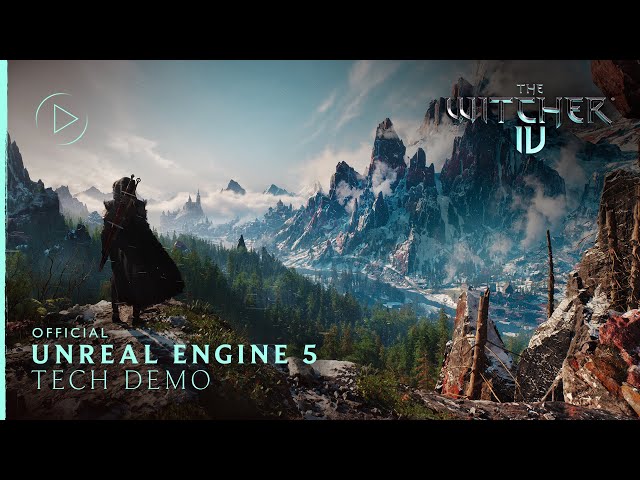
By offloading development to internal teams and strategic partners like Scopely, CDPR is attempting to mitigate the risk of a single project failure. The shift toward mobile is not merely a creative decision; it is a defensive and expansionist business move. By capturing the massive, lucrative mobile market, CDPR secures a recurring revenue stream that can fund their more ambitious, single-player AAA projects like the upcoming Witcher 4 (Polaris).
In May 2026, the company underscored that their primary focus remains the "long-term health of the IP." They view mobile not as a replacement for their flagship titles, but as a gateway that keeps the Witcher universe in the minds of millions of players who may not have access to high-end PCs or consoles.
Implications: The Future of the Continent
The implications of a free-to-play Witcher multiplayer game are far-reaching for both the developer and the fanbase.
1. Expanding the Demographic
For years, the Witcher brand has been synonymous with "hardcore" RPG play. A mobile-accessible, free-to-play title opens the door to a younger, more casual demographic. This "gateway" strategy could drive renewed interest in the entire franchise, including the books and the original trilogy.
2. The Risk of Monetization
The "free-to-play" tag is a double-edged sword. Fans are rightfully wary of aggressive microtransactions or "pay-to-win" mechanics. If CDPR is to maintain its hard-won reputation for player-centric design, the monetization of this new game must be strictly cosmetic or focused on quality-of-life improvements. The community will be watching closely to see if the spirit of the Continent is compromised by the demands of the mobile marketplace.
3. Setting a New Standard for Mobile ARPGs
If this project successfully implements a high-skill, parry-heavy combat system on a mobile device, it could redefine what players expect from portable action RPGs. CDPR has a history of setting industry standards; should they succeed, they could turn the mobile market into a legitimate arena for hardcore gaming.
4. A Crowded Marketplace
The market is already saturated with Diablo-clones and various mobile RPGs. To stand out, this Witcher title cannot rely on the brand name alone. It must deliver a unique, high-quality experience that feels like a Witcher game, even when played on a commute.
Conclusion
As we look toward 2027, the prospect of a new, multiplayer-focused Witcher title is both exciting and fraught with uncertainty. Whether it manifests as the long-awaited evolution of Project Sirius or a fresh collaboration with mobile experts, the game represents a pivotal moment for CD Projekt Red.
The fans of the Continent are a passionate, demanding, and highly knowledgeable group. They have been promised a return to the world they love, and while the prospect of character creation and co-op monster hunting is enticing, the execution will be everything. As development continues behind the closed doors of CDPR’s studios, one thing is certain: the world of the Witcher is about to get a whole lot bigger, and the path forward will be paved with the same moral complexity, brutal combat, and atmospheric storytelling that made the franchise a global phenomenon in the first place.

 Nana Wu
 Ammar Sabilarrohman