The current season of X-Men ’97 has reached a critical juncture, mirroring the high-stakes narrative architecture that defined its critically acclaimed predecessor. By balancing the cosmic scope of ancient Egyptian history with the intimate, claustrophobic horror of the Weapon X program, the series continues to solidify its reputation as a masterclass in animated storytelling. As the dust settles on the mid-season episodes, fans are left grappling with the permanent loss of a foundational icon and the emergence of an even more formidable antagonist.
The Fall of the Master of Magnetism: "Rise of Apocalypse Part II"
The second installment of the "Rise of Apocalypse" arc picks up in the immediate aftermath of the skirmish with Rama-Tut. Following the destruction of his base and army, the figure destined to become En Sabah Nur is left in a state of volatile instability. While Magneto (voiced by Matthew Waterson) attempts to steer the young, nascent Apocalypse toward a path of ideological redemption, his efforts are met with deep-seated skepticism from the team—most notably from Bishop (Isaac Robinson-Smith), who remains a vocal proponent of preserving the sanctity of the timeline.
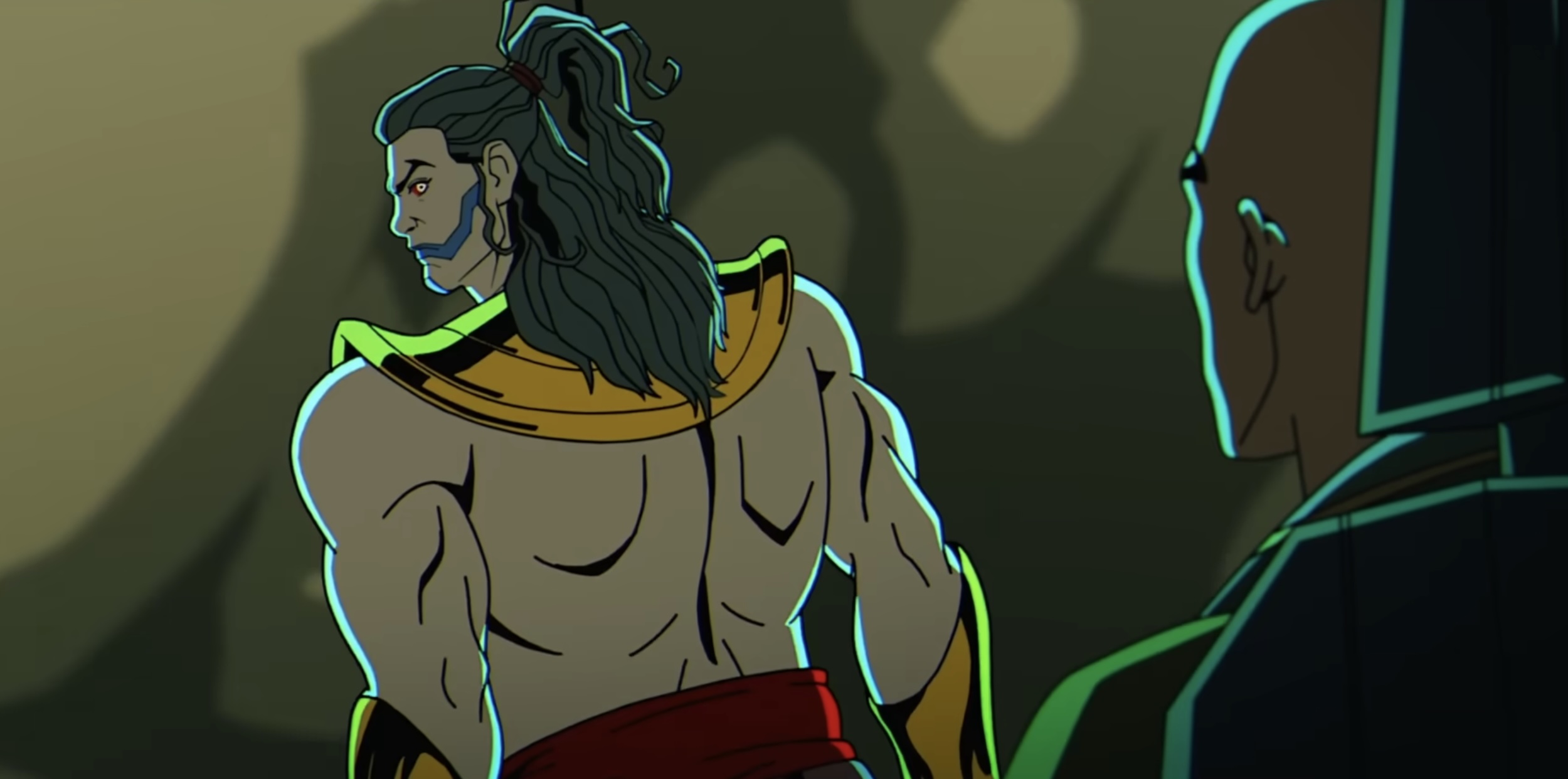
The tension within the group reaches a breaking point when Magneto unilaterally disables Bishop’s timeband, effectively marooning the team in ancient Egypt. This decision serves as a pivotal character moment, highlighting Magneto’s arrogance and his unwavering belief in his own moral compass. Through telepathic probes conducted by Professor Charles Xavier (Ross Marquand), the audience is offered a glimpse into the tragic origins of En Sabah Nur—a history defined by abandonment and systemic slavery. These revelations provide necessary context for the character’s eventual descent into the radical "survival of the fittest" philosophy.
However, the narrative takes a dark turn upon the discovery of the celestial temple, which the team identifies as the spacecraft "Ship." Engravings within the temple walls reveal a self-fulfilling prophecy: the X-Men’s intervention is, in fact, the catalyst for Nur’s transformation into the entity known as Apocalypse. Despite the team’s best efforts to prevent this outcome, the inexorable pull of destiny triumphs.
The Ultimate Sacrifice
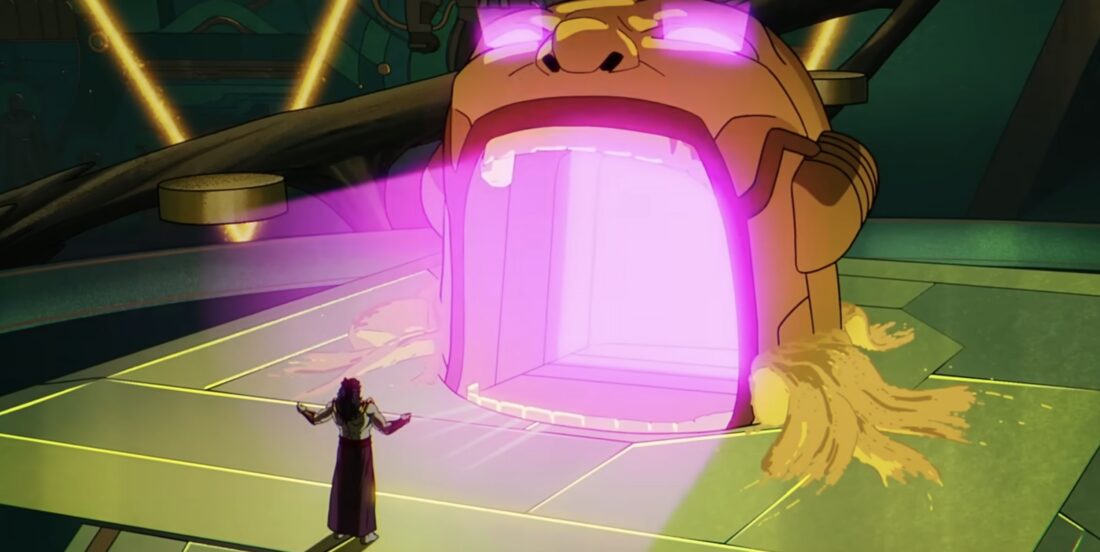
In the episode’s climax, Magneto engages in a desperate, final stand to save the city from destruction. Utilizing his mastery over electromagnetism to divert the black hole generated by the Ship, he succeeds in saving the lives of the populace at the cost of his own energy. The final interaction between Magneto and Xavier is profoundly moving, characterized by a vulnerability that has been the hallmark of their dynamic throughout the series. As Magneto is vaporized by the newly empowered Apocalypse, the weight of the loss is felt not just by the characters, but by the audience. Xavier’s tearful lament serves as the emotional anchor of the episode, marking the end of an era for the mutant leader.
Weapon X, Lies, and DVDs: A Study in Isolation
Following the high-octane drama of the Egyptian arc, the series shifts gears into a "bottle episode" focusing on the complex history of Wolverine (Cal Dodd) and his former associate, Morph (J.P. Karliak). This episode serves as a narrative reprieve, allowing for a deeper exploration of the psychological trauma embedded within the Weapon X program.

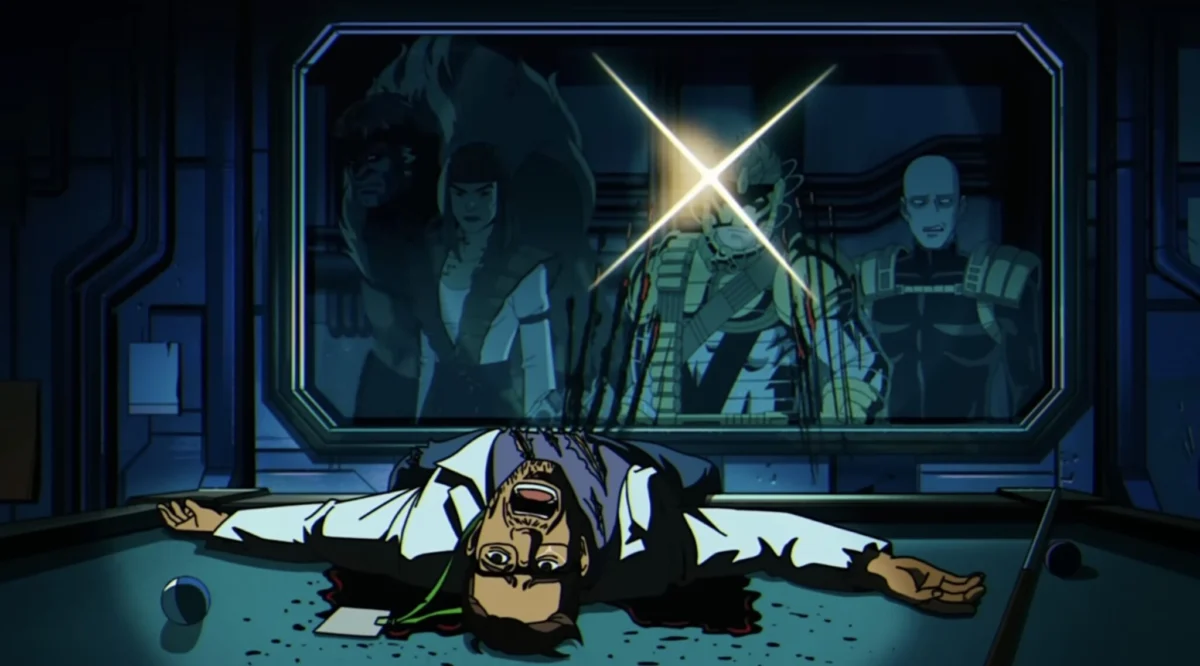
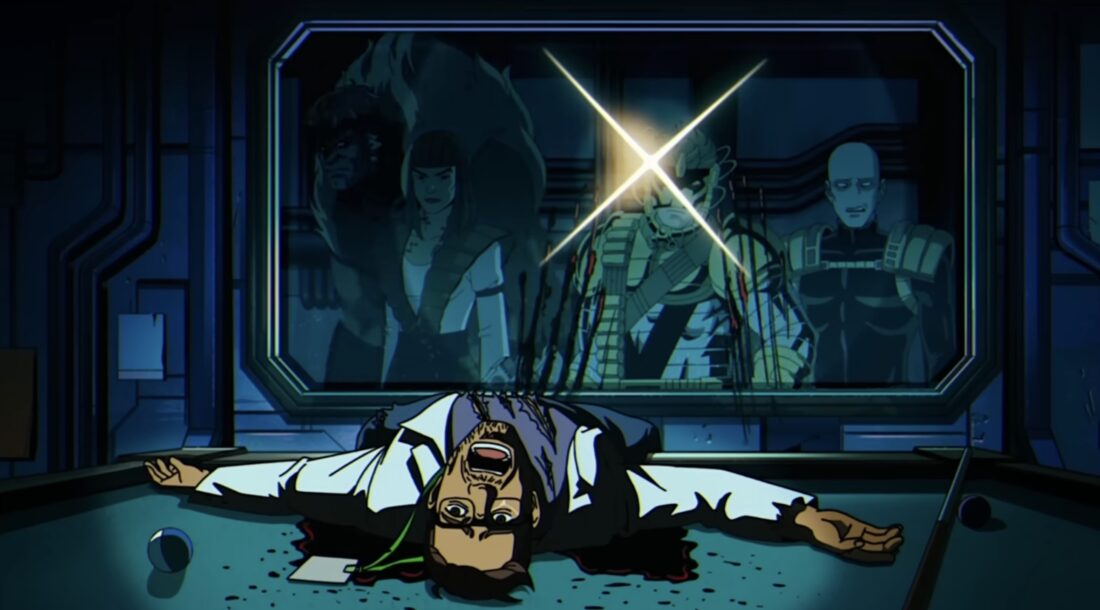
The episode sees Wolverine assembling a team of former test subjects—Sabretooth, Maverick, Kane, and Lady Deathstrike—to dismantle a reactivated research facility helmed by Dr. Cornelius. The mission quickly devolves into a nightmare as the team discovers that the facility has been compromised by the Brood, a parasitic, hive-minded alien species. The horror is compounded by the revelation that the scientists were using Brood cranial fluids in an attempt to suppress the traumatic memories of their subjects, resulting in unstable and violent hybrids.
The Question of Identity
The episode stands out for its nuanced portrayal of Morph and Wolverine’s relationship. As Morph uses their shapeshifting abilities to cope with the horrors of the facility, their unrequited affection for Logan provides a stark contrast to the brutality surrounding them. The climax of the episode—which features Morph using their transformation into Jean Grey to reach the feral, Brood-infected Wolverine—is a testament to the show’s commitment to character-driven storytelling. The resolution, which sees Wolverine regain his adamantium skeleton, serves as a classic trope of the medium, yet it is executed with enough gravitas to feel earned.
Chronology of Key Developments
To understand the trajectory of X-Men ’97’s second season, one must examine the specific turning points that have shifted the series’ status quo:
- The Temporal Breach: The X-Men’s interference in the timeline of Ancient Egypt accelerated the rise of Apocalypse, suggesting that the team’s "heroism" is paradoxically responsible for their greatest future threats.
- The Death of Magneto: The loss of Magneto removes a critical balancing force within the X-Men hierarchy, leaving Xavier to navigate a world that is increasingly hostile toward mutants without his oldest friend and most dangerous rival.
- The Re-militarization of Wolverine: By reclaiming his adamantium reinforcement, Wolverine has returned to his most iconic and lethal state, signaling a potential shift toward more aggressive tactics in the latter half of the season.
- The Integration of Forge: The official inclusion of Forge into the team’s roster—as evidenced by the updated title cards—suggests that the team is shifting its focus toward technological superiority to combat the rising threat of Apocalypse.
Implications for the Future
The implications of these mid-season events are vast. The introduction of the Brood in the Weapon X facility may be more than just a standalone plot point; it could signal an impending cosmic arc. Furthermore, the death of Magneto—and the specific way in which it occurred—strongly hints at the potential adaptation of the "Onslaught" saga. In the source material, the psionic consciousness of a dying Magneto and the repressed darker aspects of Xavier’s psyche merge to create an entity of cataclysmic power.

If the showrunners intend to follow this path, the remaining half of the season will likely focus on the psychological toll the loss of Magneto takes on Xavier. The "Bishop Was Right" narrative thread is also gaining momentum; the character’s repeated warnings about the fragility of time have been consistently ignored, and the team is now beginning to see the catastrophic results of their hubris. As the X-Men prepare to face an empowered, ancient, and vengeful Apocalypse in the 1990s, the question remains: can they overcome a threat that they were instrumental in creating?
Official Commentary and Reception
Showrunners have maintained that the structure of this season is intentionally designed to mirror the "high-stakes, low-comfort" environment of the comic books. By utilizing bottle episodes like "Weapon X, Lies, and DVDs," the writers allow the audience to breathe while simultaneously deepening the character study of core members like Morph and Wolverine.

The animation quality, particularly during Magneto’s final stand, has been lauded as a highlight of the season. The visual storytelling, combined with the voice acting, has elevated the series above standard animated fare. Critics have specifically pointed to the "queer resilience" portrayed through Morph’s characterization, noting that the show manages to weave complex identity politics into the framework of a classic superhero narrative without compromising the pacing.
As we move toward the season’s conclusion, the anticipation for a full team reunion in the 1990s is at an all-time high. With the board set, the pieces moving, and the stakes higher than ever, X-Men ’97 is poised to deliver a finale that will likely redefine the legacy of the franchise for a new generation of viewers. The departure of Magneto is not just a death; it is the opening of a wound in the heart of the X-Men that will undoubtedly bleed into the final acts of this season.