Jia Lissa
The allure of the adventure genre lies in its promise of discovery. Whether through the methodical, inventory-heavy puzzles of a classic point-and-click title or the vast, sprawling landscapes of a modern open-world epic, players seek an escape into worlds that reward curiosity. However, the history of gaming is littered with titles that betray this core tenet. When the journey becomes a test of patience rather than a source of wonder, the experience transforms from a grand adventure into an endurance trial.
In this deep dive, we examine ten titles that serve as cautionary tales. These are games where design, execution, and technical stability collapsed under the weight of their own ambition, leaving players with experiences that are fundamentally broken, profoundly tedious, or inexplicably bizarre.
1. The Mystery of the Druids (2001)
An Infamous "So-Bad-It’s-Good" That Isn’t Worth the Pain
The Mystery of the Druids occupies a strange space in gaming history. For years, it has been heralded as a cult classic of the "so-bad-it’s-good" variety. The premise—a disgraced detective unraveling a conspiracy involving ancient druidic rituals and cosmic horror—sounds like a recipe for a compelling narrative.
However, the reality is far bleaker. Historically, the game was a technical nightmare, prone to frequent crashes and game-breaking bugs that made completion nearly impossible without a walkthrough. Even when functioning correctly, the gameplay is hampered by bizarre, illogical puzzle design that defies traditional narrative progression. While it has become a staple of internet culture, largely due to humorous playthroughs, the actual act of playing The Mystery of the Druids is an exercise in frustration. It remains a prime example of a game that is far more entertaining to watch from a distance than to experience firsthand.

2. Leisure Suit Larry: Box Office Bust (2009)
No Leisure to Be Had
The Leisure Suit Larry series once held a respected place in the pantheon of narrative-driven adventure games. Yet, by the time Box Office Bust arrived, the series had lost its way entirely. Attempting to modernize the franchise with an open-world structure, the developers instead produced a title defined by crude, grating humor and abysmal gameplay mechanics.
The camera system is perhaps the game’s greatest adversary, frequently malfunctioning to the point where players find themselves accidentally plummeting to their deaths. When paired with writing that feels painfully dated and desperate, the result is a hollow experience. Box Office Bust serves as a stark reminder that legacy branding cannot compensate for a lack of mechanical polish or narrative substance.

3. Assassin’s Creed: Odyssey (2018)
A Grating Chore of Bloat
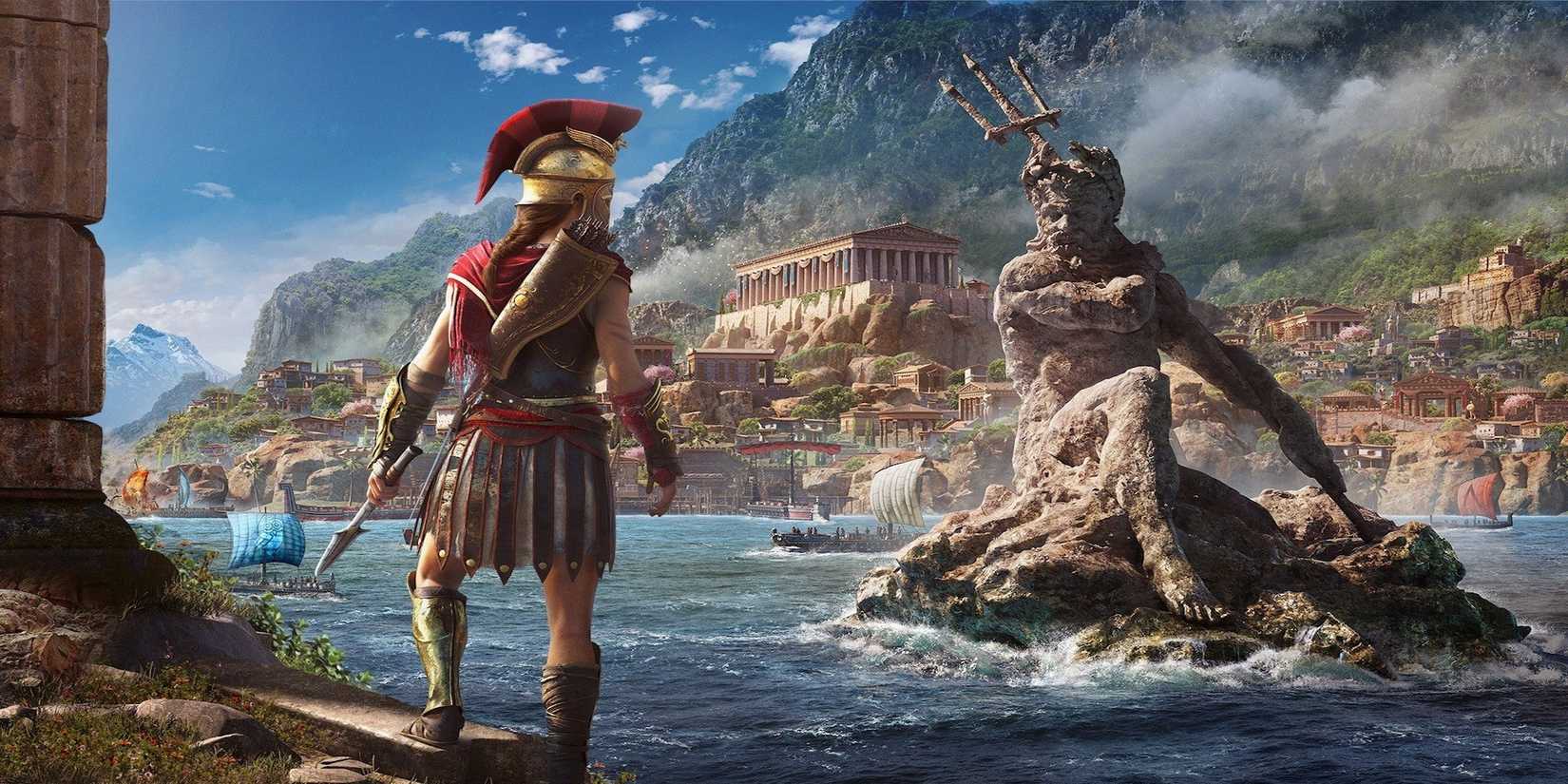
While Assassin’s Creed: Odyssey is often cited for its visual fidelity, it serves as a polarizing example of the "bloated" open-world design philosophy. For many, the game represents the point where the series drifted too far from its roots, prioritizing an overwhelming volume of repetitive map markers over meaningful exploration.
The core issue lies in the pacing. The game demands an immense time investment, yet the vast, beautiful expanse of ancient Greece often feels empty, populated by "filler" content that lacks narrative weight. The dialogue and character arcs, intended to be grand, often land with a dull thud. For players who value their time, Odyssey can feel less like a grand adventure and more like a never-ending checklist of administrative tasks.

4. Cabela’s North American Adventures (2010)
A Botched Hunt
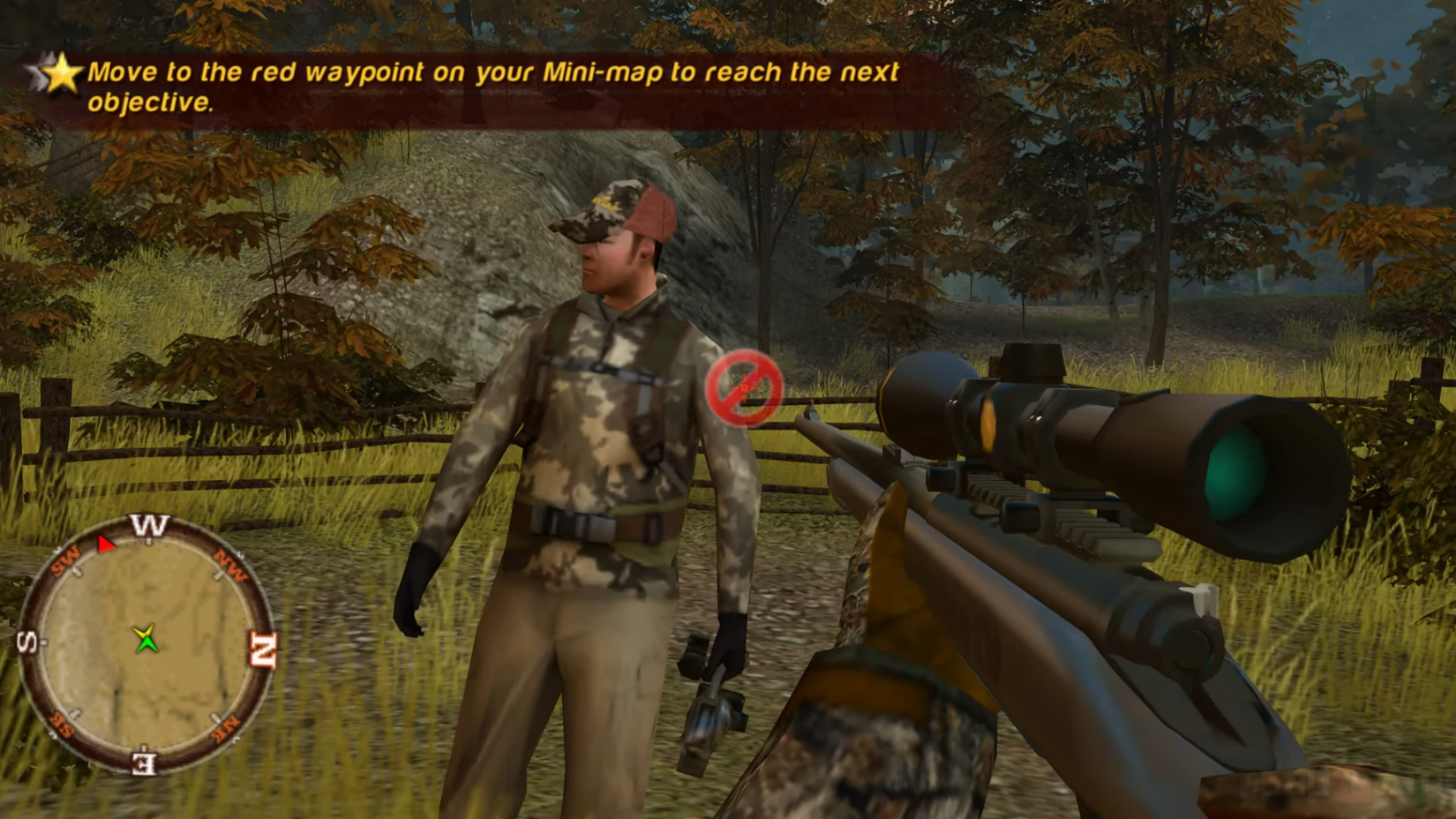
Cabela’s North American Adventures is a fascinating look at how simulation and adventure genres can collide with disastrous results. Marketed as an authentic hunting simulation, the game fails to provide a satisfying loop. The movement is sluggish and unresponsive, forcing players to walk long distances only to be penalized for the very act of approaching their targets.
The technical shortcomings are equally glaring. Aiming mechanics are fundamentally broken, suffering from a lack of precision that makes hitting smaller targets a test of luck rather than skill. Despite being released on multiple platforms, the game remains a fundamentally unpolished, tedious experience that fails to capture the thrill of the hunt it claims to represent.

5. The Lord of the Rings: Gollum (2023)
As Ugly as Its Main Character
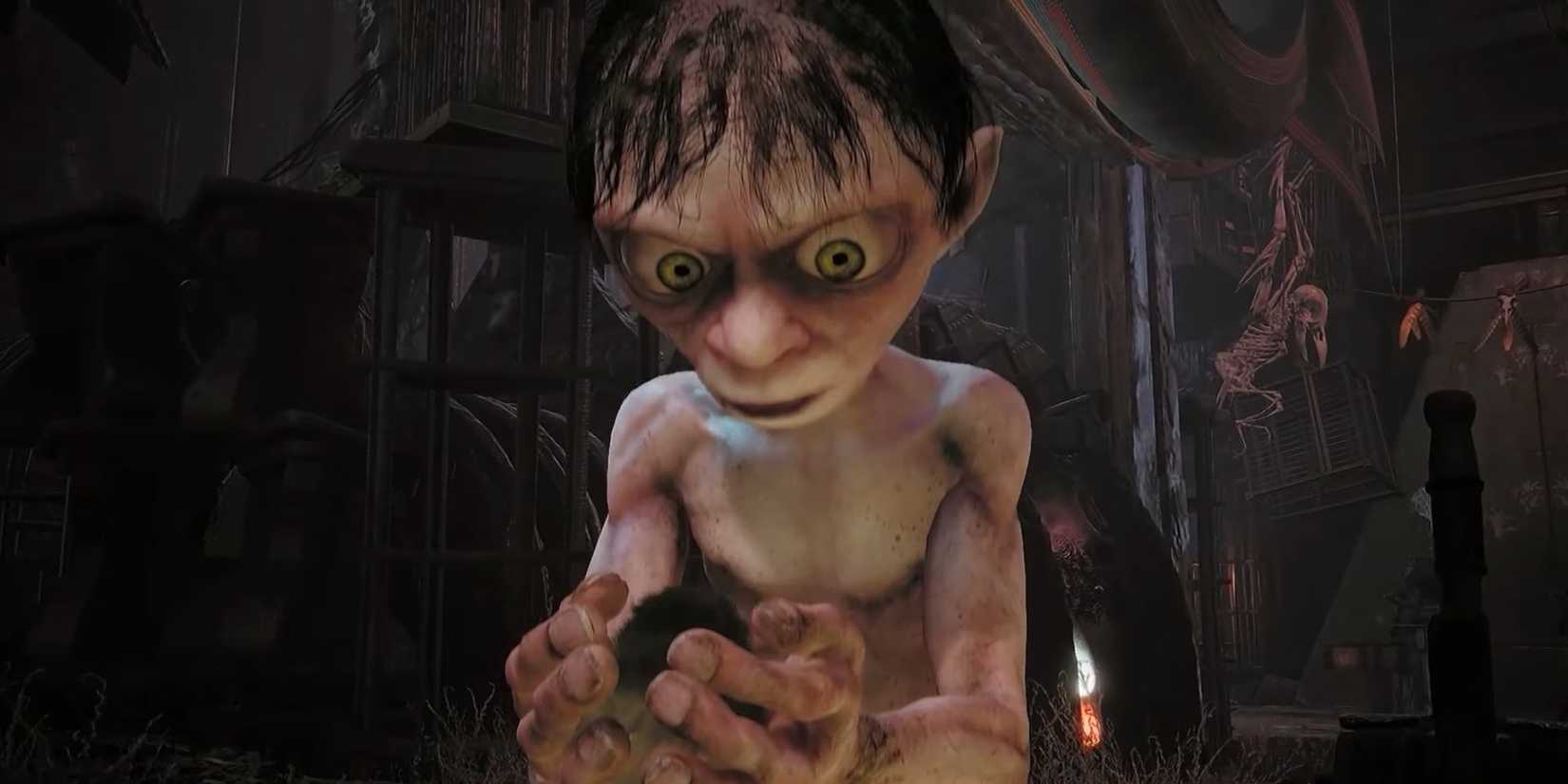
The Lord of the Rings franchise is home to some of the most celebrated titles in gaming history, which makes the failure of The Lord of the Rings: Gollum all the more jarring. Upon release, the game was universally panned for its outdated graphics, nauseating sound design, and, most notably, its overwhelming density of game-breaking bugs.
The game is a masterclass in poor design. Its stealth and platforming mechanics feel archaic, reminiscent of low-budget titles from the early 2000s. The reception was so catastrophic that it effectively halted the developer’s future plans for the IP. It stands today as a stark reminder that even the most beloved franchises are not immune to disastrous mismanagement.
6. Mafia III (2016)
A Constant Tease of Greatness
Mafia III is a tragic case of "what could have been." Set in 1968 New Bordeaux, the game features a genuinely engrossing, powerful story about systemic racism and revenge. However, the narrative is constantly undermined by a repetitive, shallow gameplay loop.
The mission structure relies heavily on the "capture the district" formula, which requires players to perform the same mundane tasks repeatedly to progress. The open world, while atmospheric, lacks the interactive depth necessary to keep a player engaged between missions. It is a game that constantly hints at brilliance but ultimately settles for mediocrity, leaving the player feeling frustrated by the potential that was left on the cutting room floor.

7. Suicide Squad: Kill the Justice League (2024)
An Infamous Miss from Rocksteady
After setting the gold standard for superhero gaming with the Arkham trilogy, Rocksteady Games faced immense pressure when they pivoted to a live-service model with Suicide Squad: Kill the Justice League. The result was a radical departure that alienated much of the studio’s core fanbase.
The game suffers from a chaotic, overstimulating design philosophy that prioritizes loot grinding over the precise, satisfying combat that made the Arkham series famous. The tone is jarring, the world feels cluttered, and the narrative direction left many longtime fans feeling betrayed. It serves as a definitive case study in how a studio’s pivot to a live-service model can strip a game of the very identity that made it special.
8. Starfield (2023)
A Bethesda Game That Forgot the Adventure
Bethesda Game Studios is known for creating immersive, hand-crafted worlds. Starfield attempted to scale this ambition to the cosmos, but in doing so, it lost the "Bethesda magic." The result was an experience that felt disjointed and narratively thin.
The game’s reliance on procedural generation for its thousands of planets creates a "mile wide, inch deep" problem. Exploration feels hollow because the player knows that the environment was not built with care, but generated by an algorithm. Furthermore, the lack of seamless space travel—initially reduced to menus and fast-travel points—severed the connection between the player and the vast, mysterious void of space. Even with later updates, the game struggles to replicate the organic sense of discovery found in Skyrim or Fallout.
9. Codename: ICEMAN (1990)
An Iceberg of Suck
Codename: ICEMAN is a relic from an era where adventure games were notorious for their unforgiving difficulty. While challenging puzzles are a hallmark of the genre, ICEMAN crosses the line into the obtuse. The game is filled with "no-win" scenarios where the player can inadvertently lock themselves out of completion by missing a single, obscure item early in the game.
Without a guide, the game is virtually impossible to complete. The plot, which attempts a serious political thriller tone, is undercut by bland characterization and uninspired dialogue. It remains a historical curiosity, but for anyone seeking a fair and engaging adventure, ICEMAN is a cold, lonely experience.

10. Limbo of the Lost (2008)
Iconic for All the Wrong Reasons
Limbo of the Lost is perhaps the most unhinged entry on this list. It is infamous not just for its terrible design, but for the scandal surrounding its development. The game was pulled from shelves shortly after release when it was discovered that the developers had plagiarized assets from a wide array of other media, including The Elder Scrolls IV: Oblivion, Thief, and even the 1997 film Spawn.
The game itself is a fever dream of nonsensical puzzles, ear-splitting sound design, and graphics that were woefully outdated at the time of release. It is a bizarre, fragmented mess that serves as a cautionary tale about the dangers of development hell and the consequences of unethical creative practices. It is, unequivocally, a game that should never be played.
Implications for the Future of Adventure Gaming
The common thread among these failures is a disconnect between ambition and execution. Whether it is the technical incompetence found in Limbo of the Lost or the design-by-committee feel of Suicide Squad: Kill the Justice League, these titles prove that an adventure game is only as good as its player’s ability to engage with it. As the industry moves toward more complex, "live" experiences, the lessons of these ten games remain vital: when the foundation of the adventure—the joy of discovery—is compromised, no amount of marketing or branding can save the experience.


 Asro
Asro
 Muslim