Nila Kartika Wati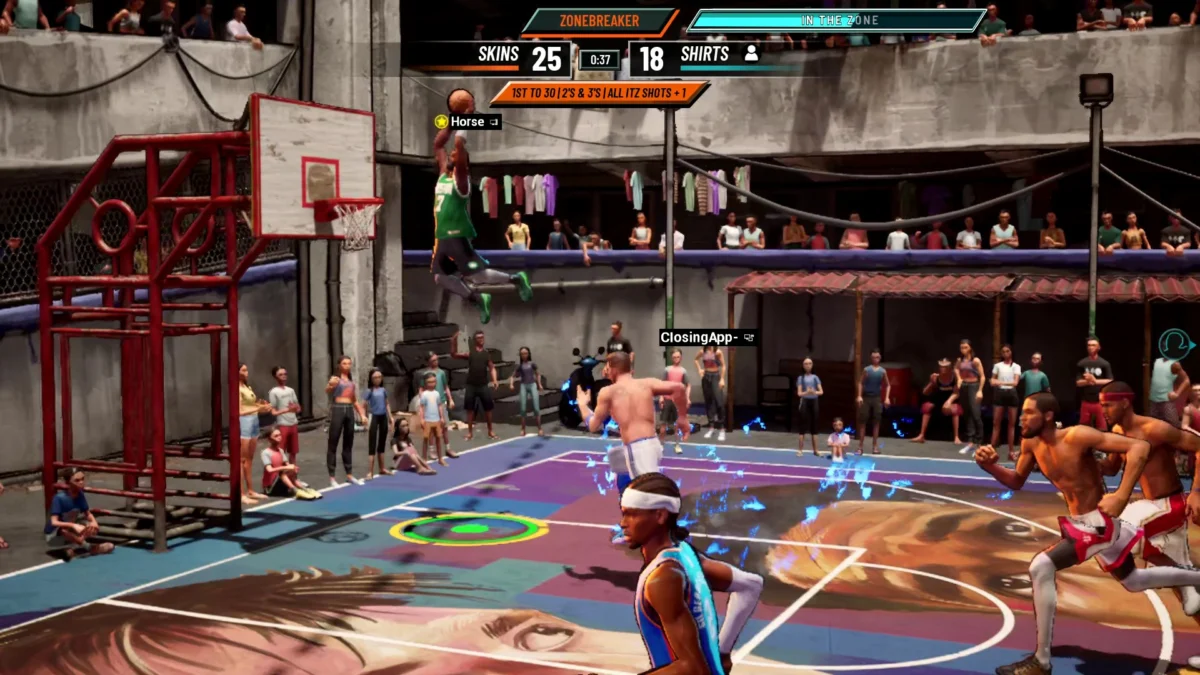
For those who grew up in the golden era of arcade sports titles, the mere mention of NBA Jam, NBA Street, or the eccentric NBA Give ‘n Go evokes a specific, tactile nostalgia. It was a time when the "sim" elements of basketball—the complex playbooks, the fatigue management, and the tactical nuance—were stripped away in favor of flaming basketballs, gravity-defying dunks, and an unabashed commitment to spectacle.
With the release of NBA The Run on Steam, Play by Play Studios attempts to capture that lightning in a bottle. Yet, as the title hits the digital hardwood, it faces a complex identity crisis: it is a game that yearns for the chaotic, carefree spirit of the arcade, but is hampered by a modern, competitive framework that often feels at odds with its own design.
The Core Concept: Arcade Basketball for the Modern Era
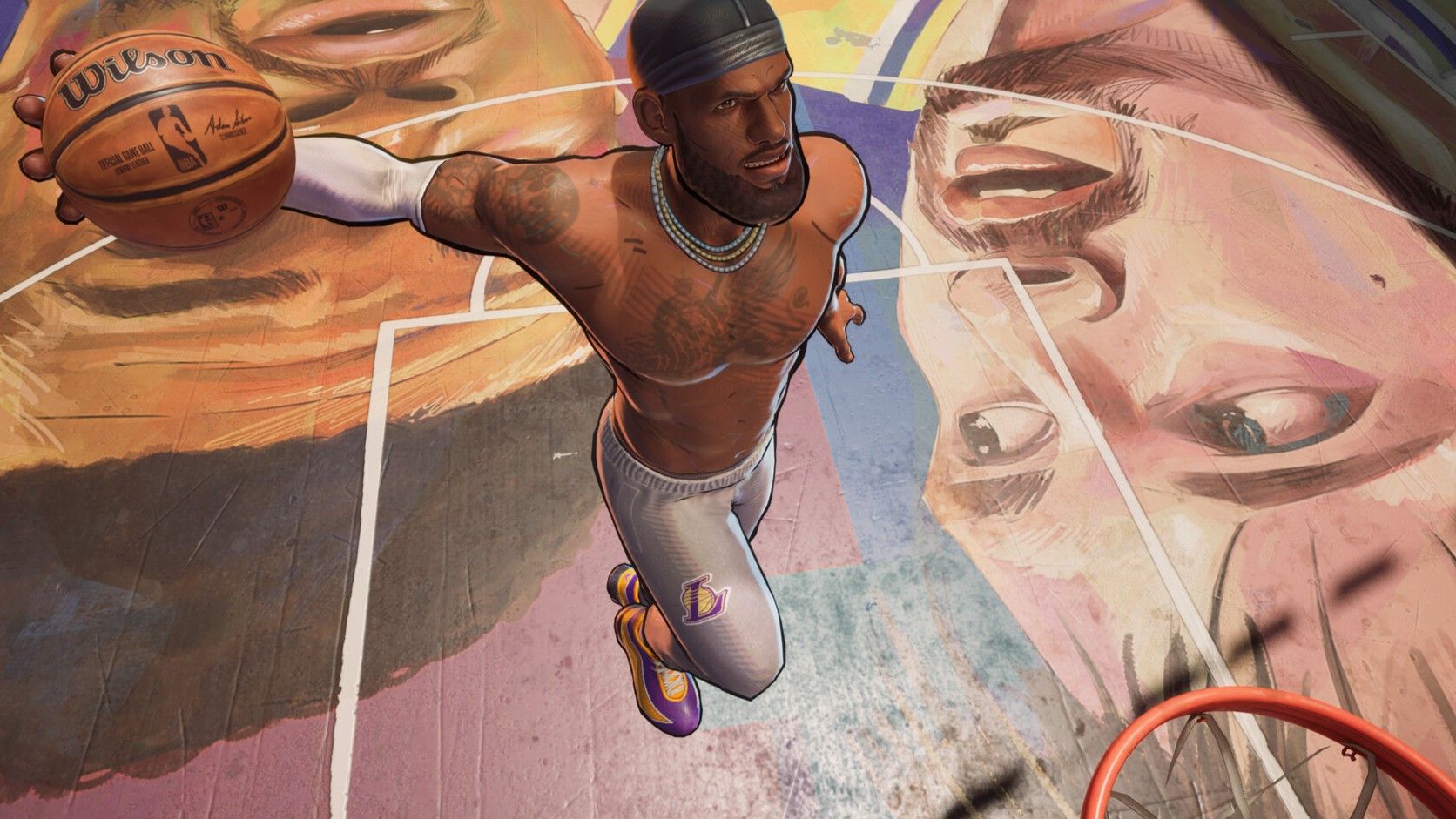
At its heart, NBA The Run is a 3-on-3 basketball experience that leans heavily into the "playground" aesthetic. It bypasses the button-heavy complexity of the NBA 2K series in favor of intuitive controls, high-flying athleticism, and the kind of aggressive physicality that would result in immediate ejections in a regulation NBA game.
The gameplay loop is built on a foundation of "street rules." Players can shove opponents, perform exaggerated ankle-breakers, and utilize a stamina-based system to execute high-octane maneuvers. The game features a roster that blends current NBA superstars with "street legends," such as the towering, 7’7" El Gigante, who brings a distinct, exaggerated playstyle to the court.
However, the transition from the couch-co-op days of the early 2000s to the current online-only landscape has proven to be a double-edged sword. While the core mechanics are inherently "fun," the environment in which they are deployed creates a friction that detracts from the arcade purity of its predecessors.
The Chronology of the "Squads" Problem
The launch of NBA The Run on Steam last week was marked by a lack of tutorials or traditional offline modes. For new players, this results in an immediate "baptism by fire" as they are thrown into competitive online lobbies without guidance.
The Squads Experience
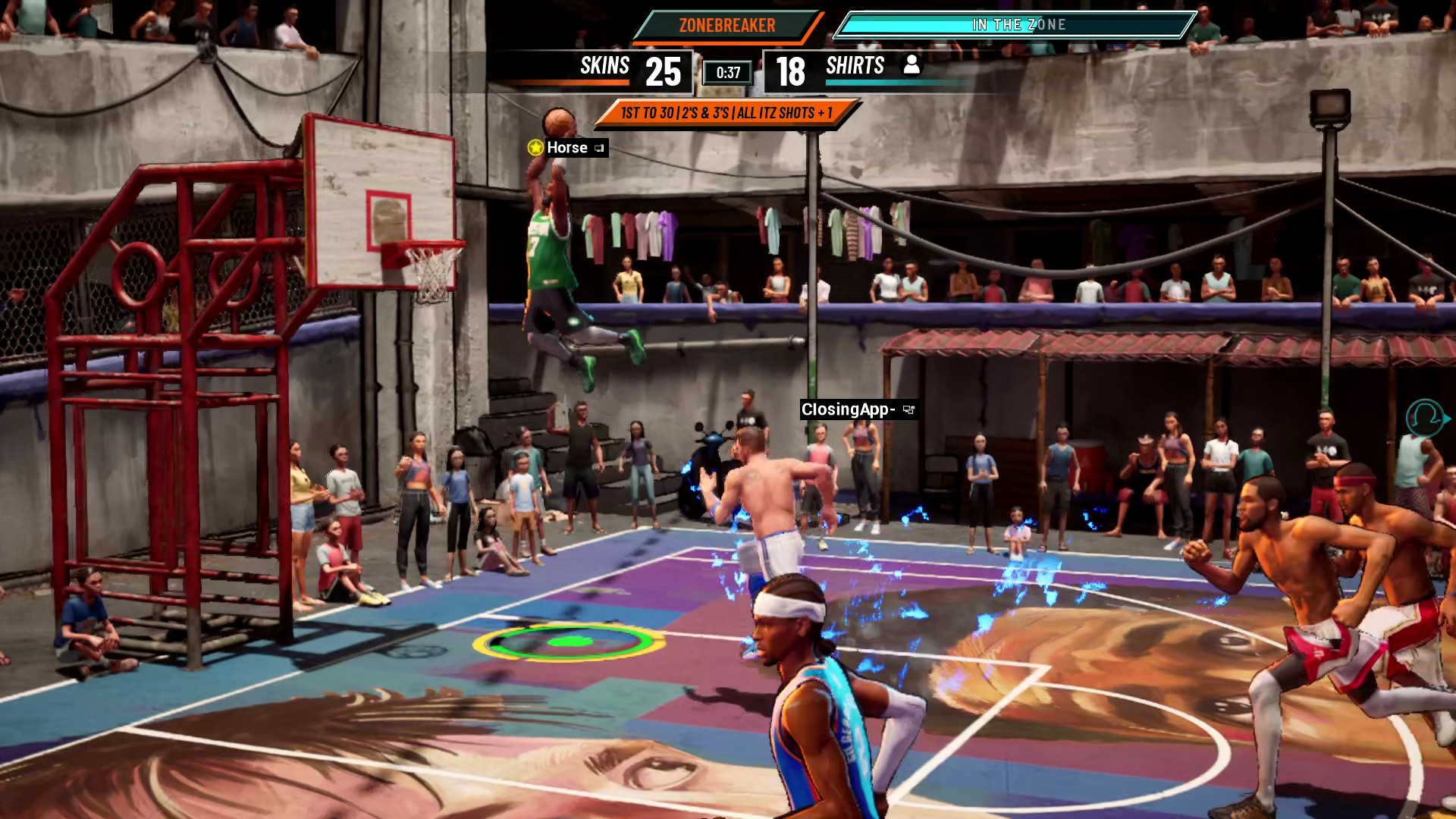
The game’s default mode, "Squads," allows six individual players to control one character each on the court. While this sounds theoretically engaging, the reality in an unranked or casual setting is often one of chaos. In the absence of voice chat or a robust ping system, the on-court experience frequently devolves into a free-for-all.
Players often ignore team dynamics, opting instead to hunt for the ball and launch low-percentage, full-court shots. The lack of coordination turns what should be a slick, fast-paced arcade experience into a frustrating exercise in "point-hungry" individualism. This is a stark contrast to games like Rematch, where clear, predefined roles guide players toward cohesive teamwork.
The Shift to Solos
Recognizing the limitations of the Squads model, many players have migrated to the game’s 1v1 "Solos" mode. In this format, one player controls an entire team, swapping between players via passing. This mode is widely considered the superior way to experience NBA The Run. It allows for tactical depth—players can build a roster that covers various weaknesses—and eliminates the frustration of relying on uncoordinated random teammates. In Solos, the success or failure of a play rests solely on the player’s own skill, which feels much more in line with the spirit of the genre.
Supporting Data: The Mechanics of Flair and Function
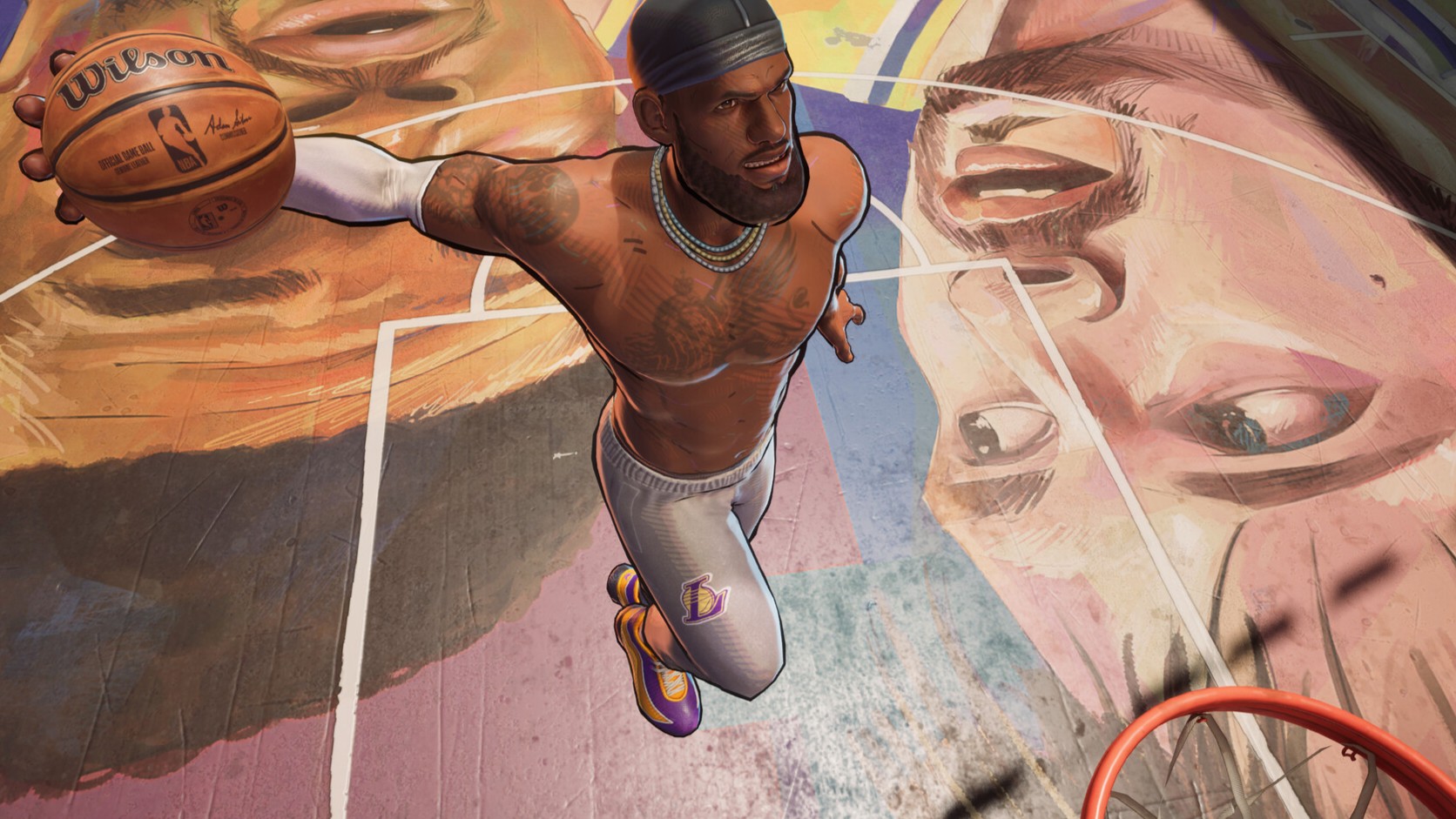
The true success of NBA The Run lies in its "fun-forward" presentation. The inclusion of legendary announcer Bobbito Garcia (DJ Cucumber Slice), known for his iconic work on NBA Street Vol. 2, provides the game with an authentic street-ball soul. The game also features "in the zone" mechanics that reward flashy play, such as backboard passes or "off-the-heezay" maneuvers.
The Impact of Dynamic Rulesets
Perhaps the most innovative aspect of the game is its rotating match conditions. By altering the point values for specific shots—such as making dunks worth three points or limiting the value of mid-range shots—the developers force players to adapt their strategies dynamically.
- Tactical Shifts: When standard shots are worth only one point, the defense naturally gravitates toward the perimeter, opening the paint for more frequent, high-risk dunk attempts.
- Incentivizing Aggression: Conversely, when dunks are incentivized with higher point values, the game shifts into a frantic, high-contact brawl.
Despite these mechanics, the game suffers from a lack of "meat" for the solo player. There is no equivalent to the beloved "Be a Legend" mode from NBA Street Vol. 2, nor a create-a-player suite that offers the long-term progression seen in NBA Hangtime.
The Competitive Dilemma: A Contradiction in Design
The most significant criticism of NBA The Run is its obsession with competitive ranking. Because the game funnels players into competitive online tournaments, the pressure to "win" often overrides the urge to "play."
In real-world street basketball, the goal is often to perform—to pull off the craziest move or the most disrespectful dunk. In NBA The Run, the constant tracking of win percentages and rank points incentivizes the most efficient, boring playstyles over the creative, expressive ones. This creates a psychological barrier: why would a player risk losing the ball on a flashy, complex pass when they can secure a win by spamming a reliable, albeit dull, dunk animation?
This competitive focus feels like an imposition of structure onto a medium—street ball—that is defined by its rejection of structure. The game essentially asks players to treat a game of pickup ball like an esports discipline, which feels like a fundamental misread of what makes these titles timeless.
Official Stances and Community Reception
While Play by Play Studios has yet to release a comprehensive post-launch roadmap, the community response has been largely mixed. Players are vocal about the lack of content, specifically the absence of a meaningful offline career path.
The developer’s decision to forgo a tutorial, while perhaps intended to force players into the "flow" of the game, has been widely criticized for being inaccessible. Furthermore, the reliance on an online-only infrastructure limits the game’s potential as a "chill" alternative to the more serious, simulation-heavy basketball titles on the market.
Implications for the Future of Arcade Sports
The release of NBA The Run highlights a growing gap in the current sports gaming landscape. We have an abundance of hyper-realistic simulations, but the "arcade" sub-genre remains underserved.
If NBA The Run hopes to achieve the longevity of its predecessors, it must reconcile its identity. It is currently a game that is mechanically capable of greatness but structurally trapped by a modern desire to be an "esport."
The implications are clear: for arcade sports to thrive, they must prioritize the experience of the game over the statistics of the game. Titles like Supergiant’s Pyre proved that you can take the core concepts of a sport and spin them into something entirely new and narrative-driven. NBA The Run has the core mechanics to be a classic, but until it embraces the "all-in-good-fun" spirit that made its predecessors legendary, it will likely remain a frantic, but ultimately fleeting, distraction.
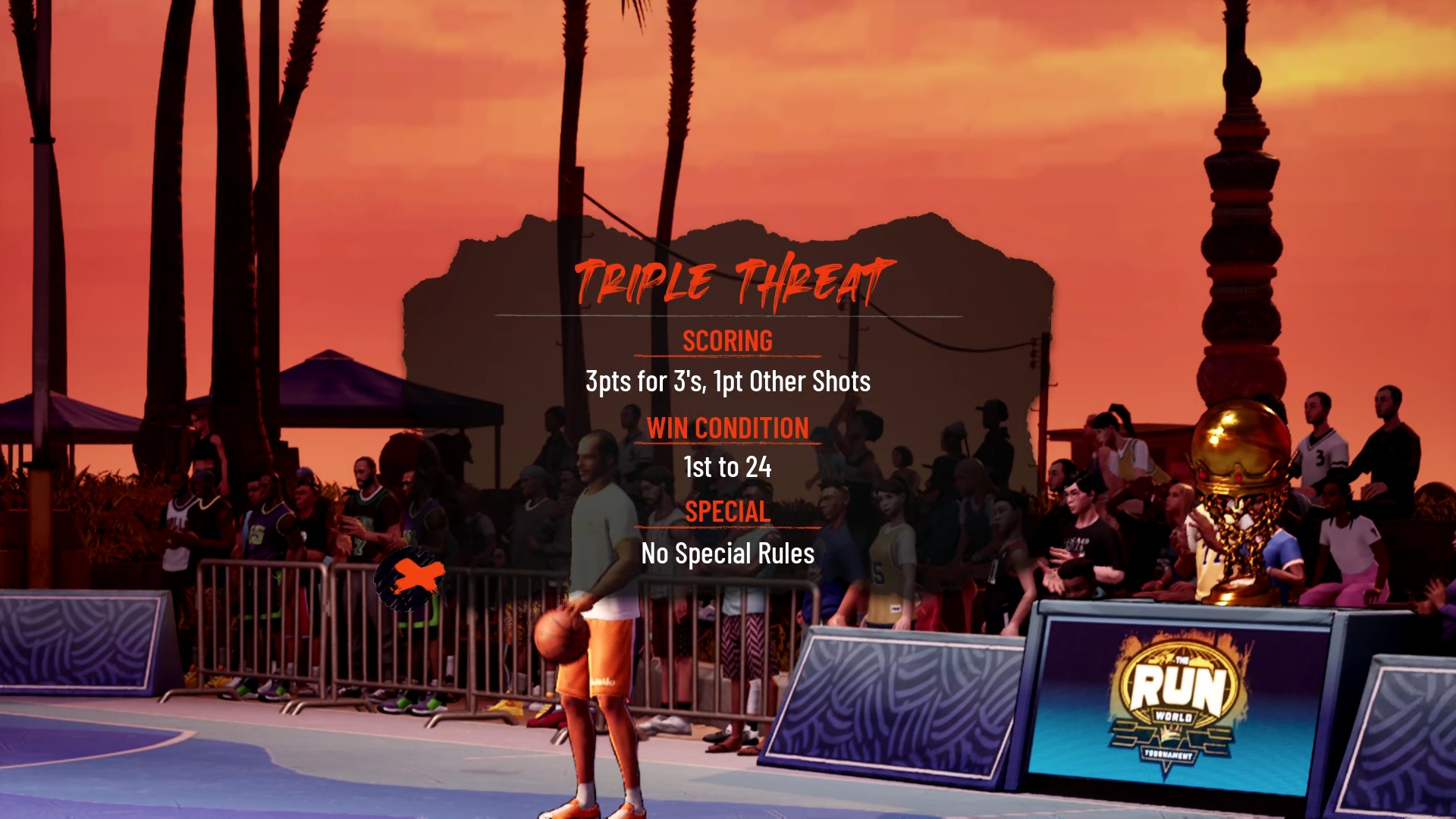
In conclusion, NBA The Run is a game of missed opportunities. It offers flashes of brilliance—the satisfying weight of a successful alley-oop, the charisma of the commentary, and the cleverness of the rotating rulesets—but it is ultimately bogged down by a competitive structure that demands perfection rather than creativity. It is a game that knows how to play basketball, but has forgotten how to play in the street.


 Asro
Asro
 Muslim