Pevita Pearce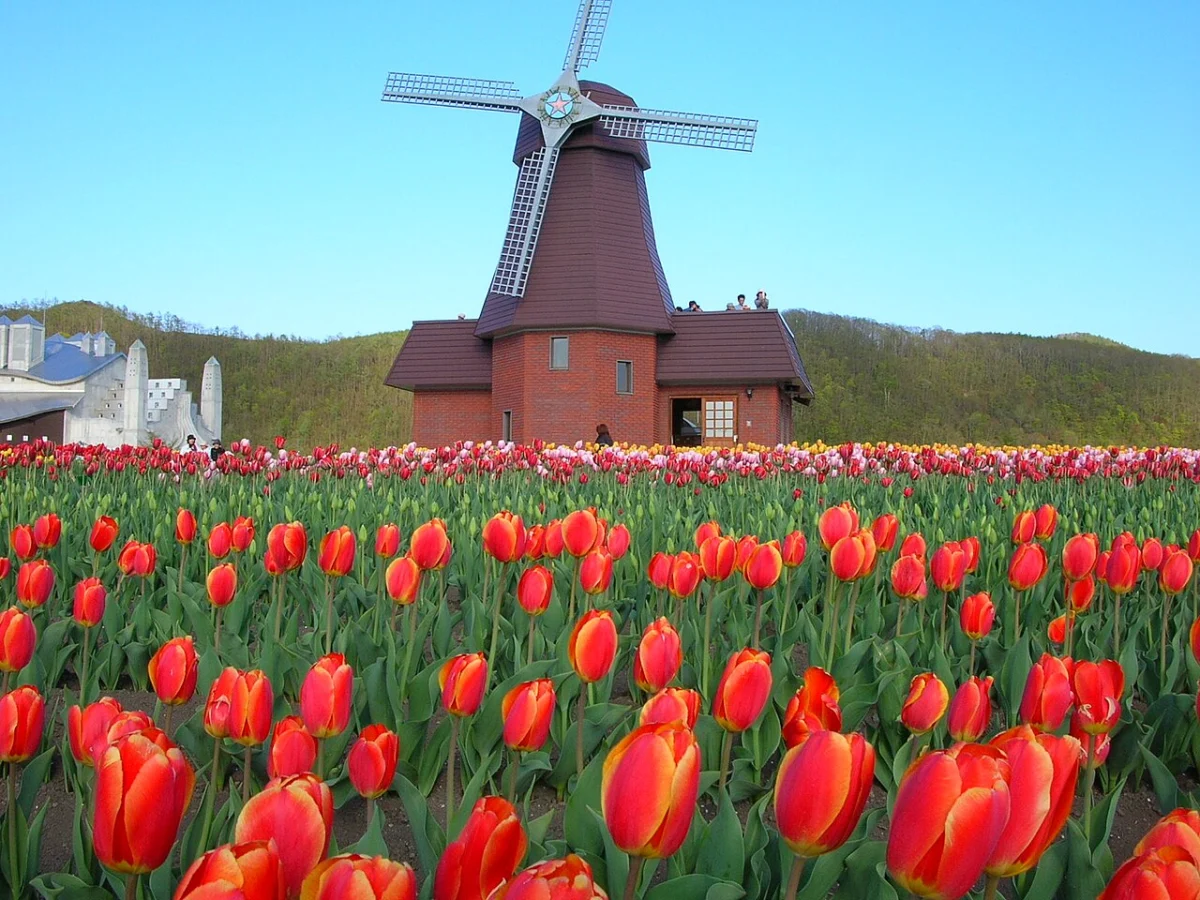
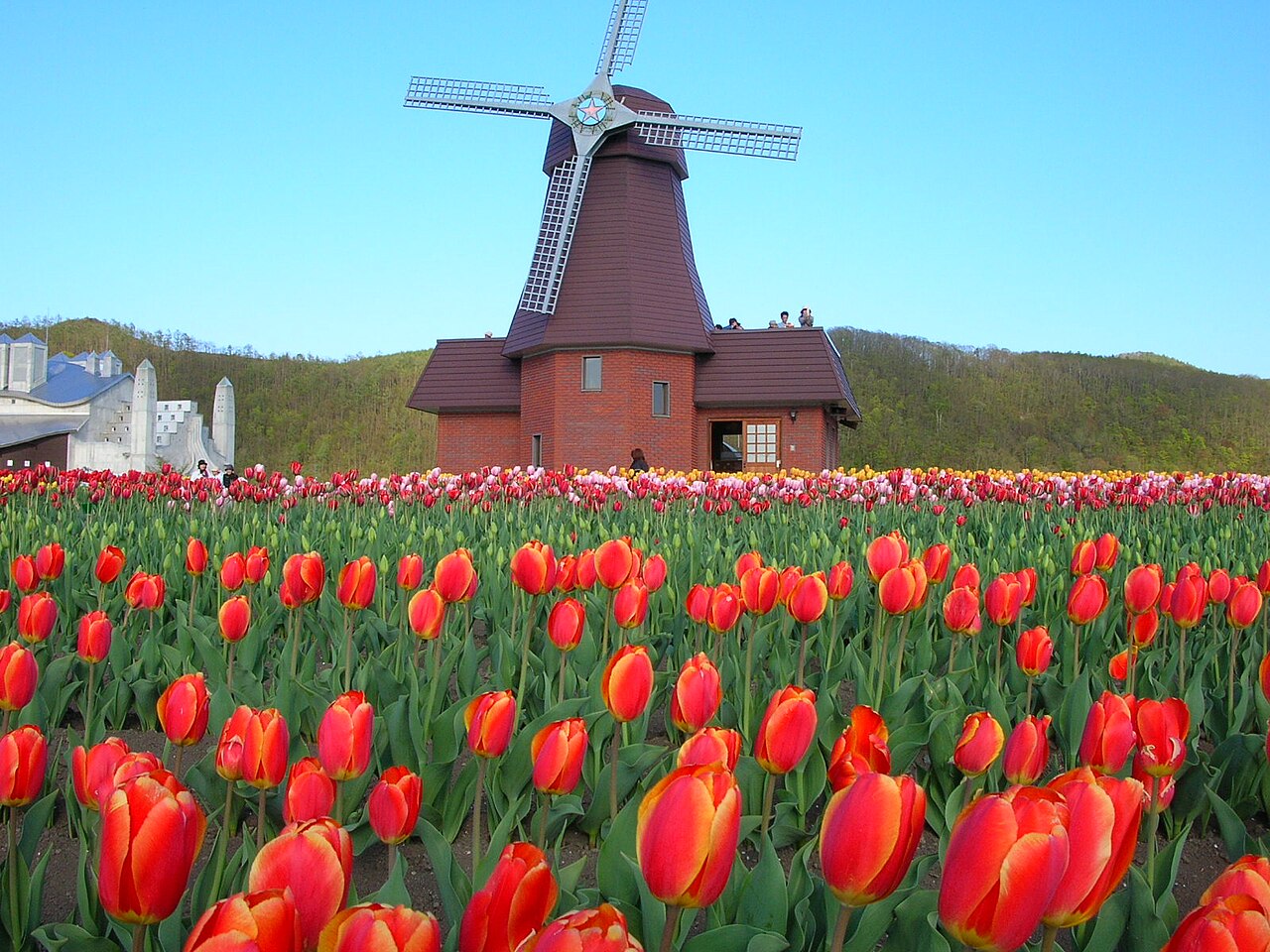
In the serene, northern reaches of Hokkaido, where the rugged Okhotsk coast meets the gentle rolling plains of Yubetsu, a remarkable transformation occurs every May. As the winter frost retreats, the earth awakens in a vibrant, geometric explosion of color. The Kamiyubetsu Tulip Park—one of the largest and most significant tulip displays in Japan—serves as the centerpiece of this seasonal renaissance, drawing thousands of visitors to witness a landscape painted with 700,000 bulbs across seven hectares of meticulously curated soil.
Main Facts: A Horticultural Marvel
Kamiyubetsu Tulip Park is not merely a garden; it is a testament to agricultural heritage and botanical precision. Spanning a 12.5-hectare footprint, the park utilizes seven hectares for its primary flower displays, while the remaining acreage supports visitor infrastructure, including a Dutch-themed observation area and recreational zones.
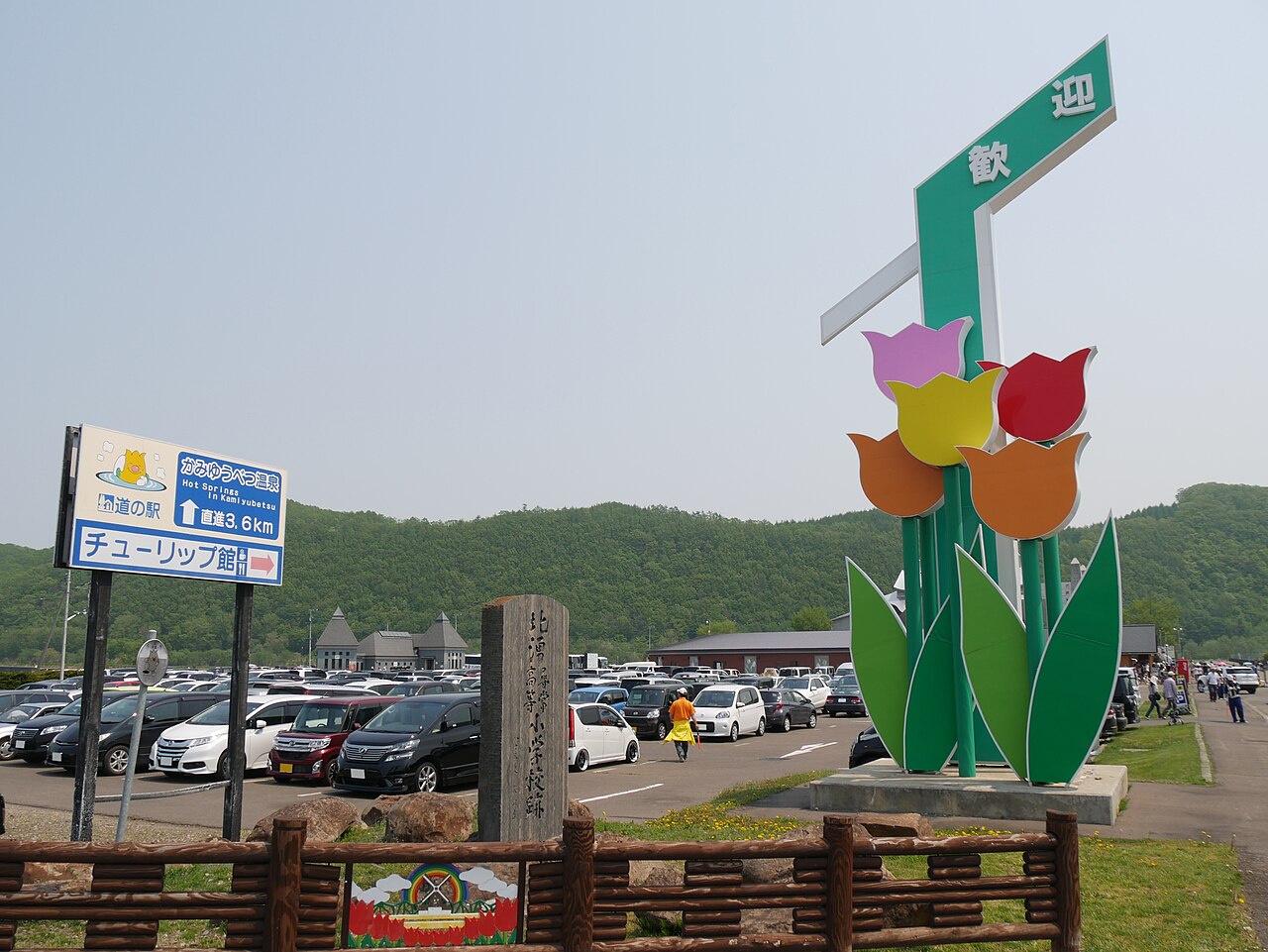
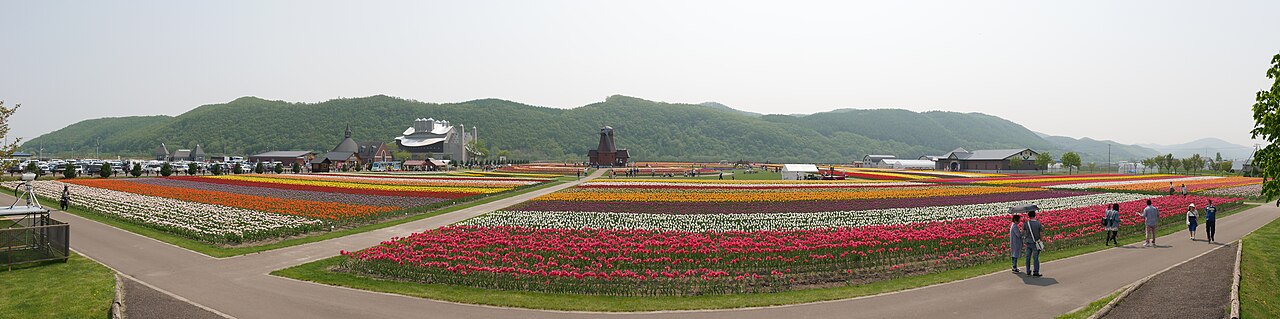
The park hosts 200 distinct varieties of tulips, many of which are rare cultivars imported directly from the Netherlands. Unlike typical commercial flower displays, the park’s layout is a dynamic, evolving canvas. The head gardener employs a three-year rotational design cycle, ensuring that the bands of red, yellow, pink, white, and purple shift in geometry and placement, providing returning visitors with a perpetually novel experience.
Chronology: From Post-War Necessity to Tourism Asset
The pedigree of Kamiyubetsu is rooted in the ingenuity of the 1950s. Following the upheaval of the Second World War, the local JA (Japan Agricultural) cooperative sought to diversify the region’s economy, which was then heavily dependent on sugar beets and potatoes.
- 1950s: The local agricultural cooperative began experimenting with tulip cultivation as a complementary crop, importing Dutch bulbs to test the suitability of the Yubetsu climate.
- 1957: The first public tulip festival was held, marking the beginning of the site’s transition from a purely agricultural experiment to a communal celebration.
- 1989: Recognizing the growing potential of the site as a tourism draw, the Yubetsu town government officially established the modern park grounds.
- Present Day: The park is now managed by the Yubetsu municipal tourism board, consistently attracting approximately 100,000 visitors during the peak May bloom.
Supporting Data and Botanical Diversity
The success of the park lies in its sophisticated approach to botany. The collection is categorized into five major groups, each offering distinct aesthetic characteristics for the discerning visitor:
- Triumph Group: Known for their classic goblet shape, these are the backbone of the lower terrace displays, providing early-season saturation.
- Darwin Hybrids: Renowned for their sturdy stems and vibrant, large blooms, these occupy the mid-slopes.
- Fringed Tulips: A delicate, decorative variety that provides texture to the upper garden beds.
- Parrot Tulips: Featuring twisted, ruffled petals, these add an exotic flair to the late-season display.
- Lily-Flowered Varieties: Characterized by elegant, pointed petals, these serve as the crown jewel of the late-May bloom.
The park’s master gardener coordinates planting depths with surgical precision. By manipulating the soil and planting times, the "bloom wave" is orchestrated to roll from the lower terraces in early May to the upper reaches of the slope by early June, effectively extending the peak viewing window for visitors.
The Infrastructure of Experience
To facilitate the experience, the park offers several unique amenities:
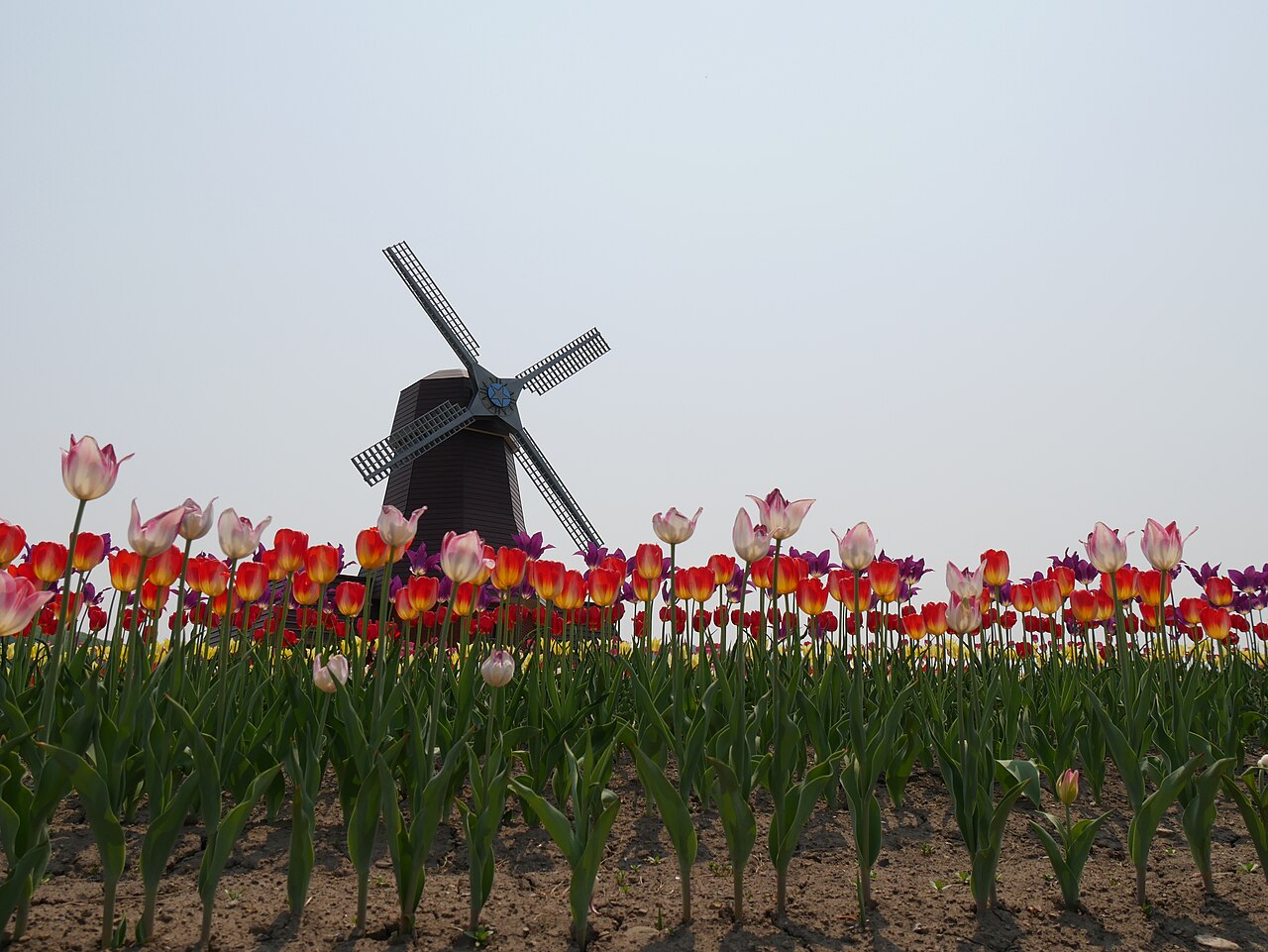
- The Windmill Observation Deck: Standing five stories tall, this authentic Dutch-style structure offers an elevated vantage point. It is only from this height that the intricate, snaking color bands of the field can be fully appreciated.
- The "Hana Densha" (Flower Car): An 18-minute electric tram tour designed for visitors who prefer a seated, leisurely traversal of the expansive fields.
- The "Dig-Your-Own" Program: Held during the final week of the festival, this program allows enthusiasts to purchase and excavate flowering Dutch bulbs to take home, offering a unique opportunity to own varieties rarely found in local garden centers.
Official Responses and Strategic Management
The Yubetsu municipal tourism board maintains a rigorous operational standard, treating the park as a vital civic asset. During the festival period, the town of Yubetsu—typically a quiet, rural community—undergoes a total transformation.
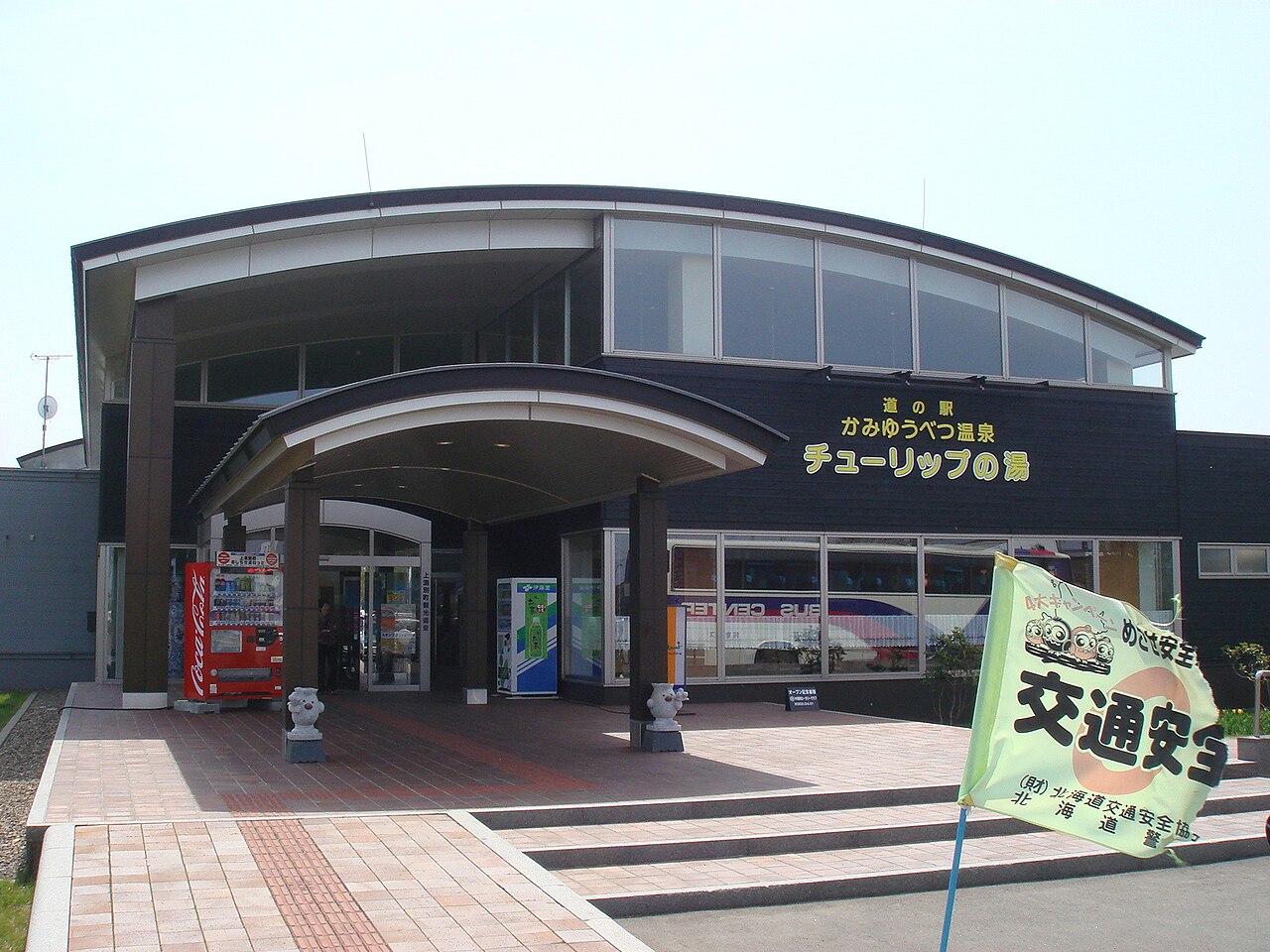
"The park serves as both a botanical sanctuary and an economic anchor," says a spokesperson for the local tourism department. "By maintaining the authenticity of our Dutch-import heritage and integrating the Tulip no Yu onsen, we provide a holistic experience that sustains the local economy throughout the month of May."
The integration of the Tulip no Yu roadside station is a strategic masterstroke. Located five minutes from the park, this facility functions as a year-round michi-no-eki, providing a reliable venue for dining and bathing. It ensures that the town retains visitor interest even if weather conditions temporarily dampen the appeal of the outdoor gardens.
Implications for Tourism and Sustainability
Kamiyubetsu sits at a crossroads of niche tourism and regional connectivity. While it is arguably a "pilgrimage" destination for photographers and horticulturalists, its remote location presents both a challenge and an opportunity.
The "Eastern Hokkaido" Circuit
The park is rarely a standalone destination. Its true strength lies in its proximity to other regional landmarks:
- Takinoue Shibazakura Park: Located 30 minutes away, this park features vast fields of moss phlox. The two municipalities coordinate their peak festival windows, effectively creating a "Spring Flower Corridor" that encourages multi-day stays.
- Lake Saroma and Abashiri: These sites provide the necessary cultural and natural diversity (oyster farms, drift-ice museums) to transform a single-day visit into a robust three-to-four-day itinerary.
Economic Impact
For the town of Yubetsu, the May festival is the most significant economic event of the year. The surge in visitors provides critical revenue for local transport, hospitality, and catering services. However, the reliance on a short, weather-dependent window requires a delicate balance. The municipal government has responded by emphasizing the Tulip no Yu complex as an all-weather, all-season attraction, ensuring that the infrastructure built for the festival does not become a "white elephant" during the dormant months.
Logistical Guidance for the Modern Traveler
Accessibility remains the primary hurdle for international visitors. The park is best experienced by those who embrace the "slow travel" philosophy of rural Hokkaido.
- Rental Car: The most recommended mode of transport. Driving allows for the flexibility required to explore the Okhotsk coast at one’s own pace.
- Air Travel: Connecting through Okhotsk-Monbetsu Airport significantly reduces transit time compared to driving from New Chitose or Asahikawa.
- The Shuttle Option: For those without vehicles, the seasonal shuttle from Asahikawa is a lifeline, though it necessitates advanced planning due to high demand.
Conclusion: Is the Journey Justified?
For the general tourist, the trek to Kamiyubetsu requires a commitment to the "Eastern Hokkaido" theme. It is not an excursion for the casual visitor stopping over in Sapporo for a weekend. However, for those who seek the sublime—the sight of 700,000 tulips bowing in the wind against the backdrop of the Yubetsu plain—the experience is unparalleled.
The park succeeds because it respects its limitations. It does not attempt to be a sprawling theme park like Huis Ten Bosch; instead, it leans into its identity as a curated, seasonal, and authentic display of agricultural pride. As long as the Dutch bulbs continue to arrive and the gardeners continue their three-year rotational design, Kamiyubetsu will remain a defining, albeit remote, chapter in the story of Japan’s spring.


 Neng Nana
 Asro
Asro