Nila Kartika Wati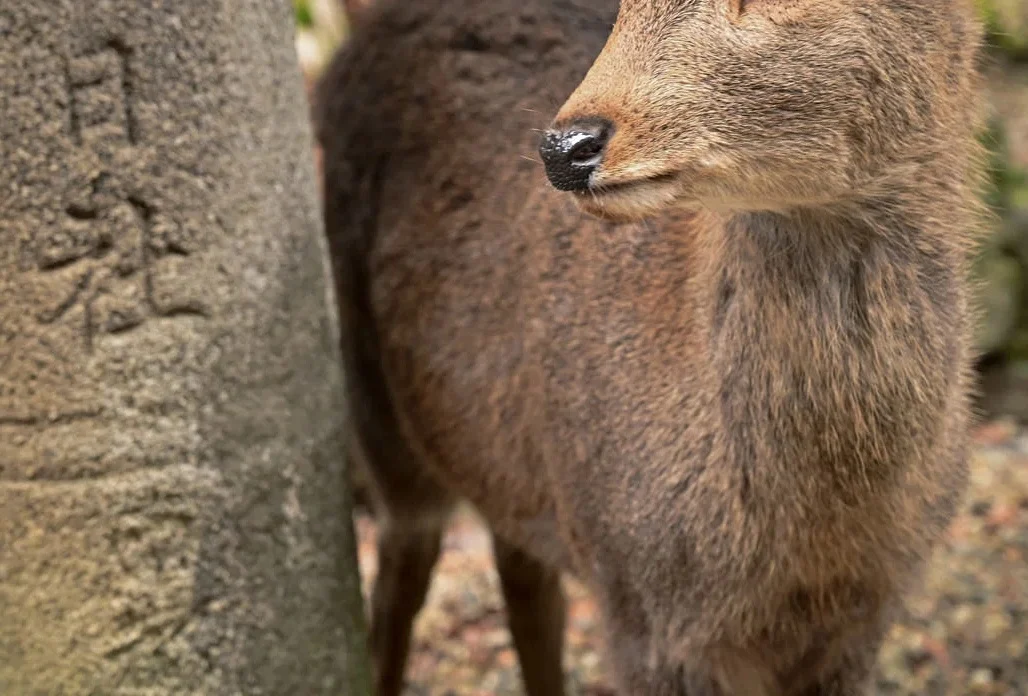
In the rigid, highly structured world of Japanese higher education, the path to university admission is typically paved with years of grueling study, standardized entrance examinations, and high-stakes interviews. Students spend their teenage years navigating a competitive gauntlet to secure a seat at prestigious institutions. However, this week, Nara Prefectural University (NPU) shattered these conventions in the most charming way imaginable, granting "admission" to a student who has yet to master the alphabet, let alone a research thesis.
In a move that has captured the hearts of social media users and local residents alike, the president of Nara Prefectural University officially "enrolled" a baby deer born on the university’s campus. While the administrative paperwork remains firmly in the realm of satire, the gesture highlights the unique, symbiotic relationship between the city of Nara—famous for its protected deer population—and the institutions that share its landscape.
The Unlikely Candidate: A Brief Chronology of Enrollment
The story began in early June 2026, when campus security and staff noticed an unusual addition to the university grounds. A mother deer, one of the many that wander freely throughout Nara, had chosen the quiet, verdant corners of the NPU campus to give birth.
The Announcement
On June 11, the official Nara Prefectural University Twitter (X) account broke the news to the public. In a playful, structured post that mimicked a formal university acceptance notification, the school outlined the "credentials" of their newest student:
- Entrance Exam: Exemption granted.
- Interview: Not required.
- Special Skills: Unparalleled cuteness.
- Evaluation Result: Passed with flying colors.
- President’s Commentary: "Admission granted. Everyone, please treat our youngest new student kindly."
This tongue-in-cheek announcement served as a formal welcome to the fawn, framing the birth not as a disruption to campus life, but as an official addition to the student body.
Daily Progress Reports
Following the announcement, the university continued to provide updates, effectively acting as the fawn’s public relations department. By June 12, a follow-up video showcased the fawn’s "orientation." The caption noted that while the new student had not yet begun formal coursework, they were already engaged in rigorous physical training—specifically, practicing jumping in the field.
These updates have provided a rare, behind-the-scenes look at the life of a wild animal raised within the perimeter of a human institution. The videos have not only garnered thousands of likes but have also served as a community-building tool for the university, fostering a sense of shared stewardship among students and faculty.
The Cultural Significance of Nara’s Deer
To understand why a university would welcome a wild animal into its ranks, one must understand the unique cultural fabric of Nara City. Nara is not merely a city; it is a living sanctuary. The deer of Nara Park are considered sacred—historically protected as messengers of the gods from the nearby Kasuga Taisha Shrine.
For centuries, these animals have roamed freely, unbothered by the rapid modernization of Japan. In the modern era, they have become a global tourist draw, known for their habit of bowing to visitors in exchange for shika senbei (deer crackers). However, the deer are also a daily reality for residents. They are part of the local infrastructure, frequently seen on city streets, at train stations, and, as evidenced by the NPU incident, on university campuses.
Nara Prefectural University is located approximately 20 minutes on foot from the primary Nara Park area. Because of this proximity, the presence of deer on campus is a common, albeit still delightful, occurrence. By embracing the birth of this fawn, the university has leaned into its identity as an institution that exists in harmony with the natural and historical heritage of the city.
Official Responses and Administrative Stewardship
The administration at NPU has taken a balanced approach to this situation. While they are clearly delighted by the "new student," they have remained responsible regarding the implications of having a wild animal on campus.
The university president’s decision to "admit" the deer was a symbolic act of acceptance, signaling to students and faculty that the deer should be treated as neighbors rather than intruders. This institutional stance helps to prevent conflict. When an institution officially welcomes an animal, it encourages the human population to be more patient and accommodating of the animal’s needs, such as allowing them space to graze or rest.
However, the university has been quick to issue warnings. In subsequent posts, the administration reminded the public—and the student body—that while the deer may appear docile, they are wild animals. Mother deer are notoriously protective during the birthing season and can become aggressive if they perceive a threat to their offspring.
"We ask that students, staff, and visitors maintain a respectful distance," the university stated in a follow-up advisory. They explicitly warned against the urge to touch the fawn, noting that human interference could cause the mother to abandon the infant or react defensively. This juxtaposition of "cute" social media updates and serious safety warnings reflects a mature understanding of human-wildlife coexistence.
Implications: A Model for Campus Culture?
The "enrollment" of the fawn at Nara Prefectural University is more than just a viral moment; it speaks to the broader potential for academic environments to integrate with their local ecosystems. In an era where urbanization often leads to the displacement of wildlife, NPU’s approach offers a template for "coexistence-based" urban planning.
Educational Value
The presence of the deer on campus provides an organic, albeit informal, education in biology and ecology. Students at NPU have a front-row seat to the life cycle of one of Japan’s most iconic species. This, combined with the university’s active social media engagement, turns the campus into a living laboratory where students learn to share space with nature.
Mental Health and Community
Research has consistently shown that exposure to nature and animals can significantly reduce stress levels—a crucial benefit for students facing the high-pressure environment of Japanese universities. By treating the deer as a member of the campus community, the university has inadvertently created a positive, calming atmosphere that fosters a sense of unity and shared responsibility among the student body.
A Global PR Win
From a branding perspective, the move has been an overwhelming success. In the highly competitive world of Japanese higher education, where universities are constantly vying for student attention, NPU has distinguished itself as an institution with a human (and animal-friendly) face. The story has been shared across various news platforms, effectively putting the university on the map for international observers.
Conclusion: Lessons from the Quad
As the summer progresses, the "newest student" at Nara Prefectural University will continue to grow, eventually moving beyond the "jumping practice" phase to join the wider herds that populate the city. While it will never attend a lecture or sit for an exam, the fawn has already taught the university community a valuable lesson: the boundaries between human institutions and the natural world are not as fixed as we often imagine.
By choosing to embrace the deer rather than shooing it away, Nara Prefectural University has demonstrated a profound respect for the heritage of its city. They have turned a potentially disruptive natural event into a moment of collective joy. As long as students and visitors continue to heed the university’s warnings about safety and distance, the fawn’s time at NPU will remain a charming footnote in the history of the school—a testament to the unique, wild, and wonderful spirit of Nara.
For now, the university continues its daily operations, albeit with a bit more cuteness on the lawn and a heightened sense of stewardship for the newest, furriest member of their academic family. The story serves as a gentle reminder that sometimes, the best way to handle the unexpected is to open the doors and welcome it in.


 Neng Nana
 Asro
Asro