Dwi Wanna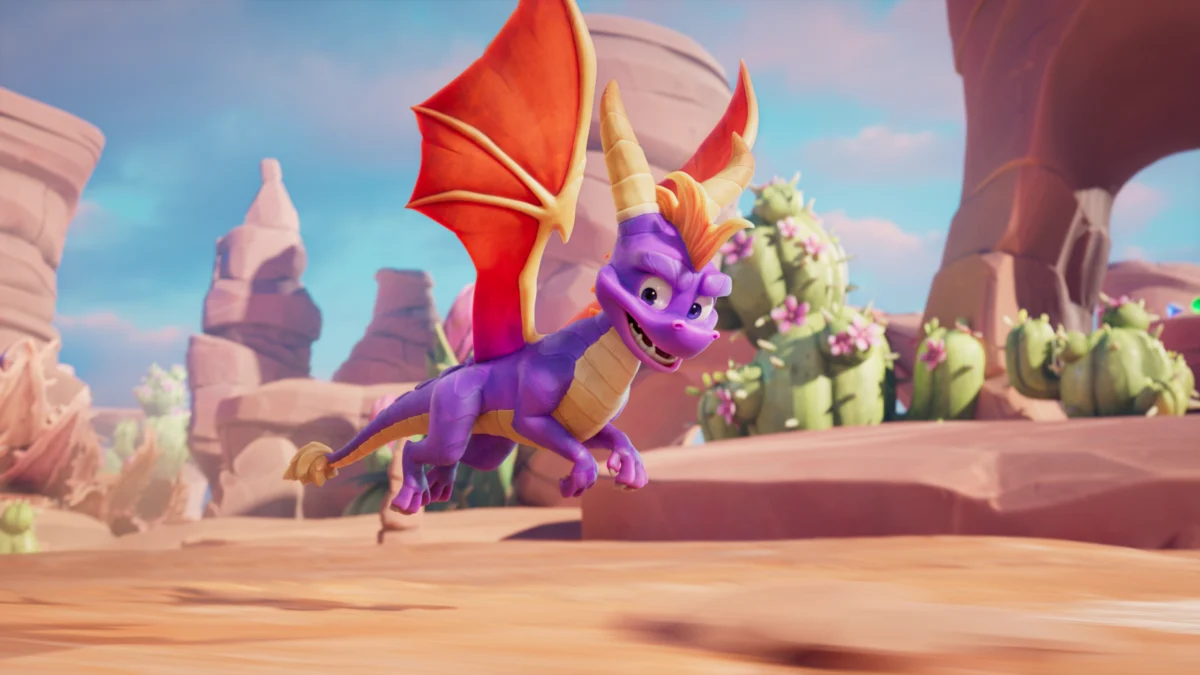
The video game industry is often defined by cold metrics, quarterly earnings calls, and the relentless pursuit of the "next big live-service hit." However, every so often, a project emerges that defies these corporate conventions, fueled not by a boardroom algorithm but by a persistent, vocal community and a development team’s refusal to abandon their creative identity.
Such is the case with Spyro: A Realm Beyond. Following a period of uncertainty that saw the acclaimed developers at Toys for Bob relegated to support roles on massive multiplayer titles like Call of Duty: Warzone, the studio has reclaimed its creative soul. By leveraging the staggering success of the Spyro Reignited Trilogy and the unyielding fervor of the platforming community, Toys for Bob has successfully navigated the treacherous transition to independence to bring the iconic purple dragon back to his rightful place in the pantheon of gaming icons.
The Foundation: A Legacy of 11 Million Sales
To understand the significance of Spyro: A Realm Beyond, one must first look at the foundation laid by the Spyro Reignited Trilogy. Released in 2018, the collection served as a litmus test for the enduring appeal of 3D platformers in an era dominated by battle royales and competitive shooters.
The results were not just positive; they were transformative. With over 11 million units sold, the Reignited Trilogy proved that nostalgia—when handled with high-fidelity care and respect for the source material—is a potent commodity. More importantly, those sales numbers served as the primary evidence Toys for Bob presented to Microsoft. When the studio approached the gaming giant with their pitch for a new entry in the series, they weren’t relying on hope; they were relying on an empirical reality: there is a massive, untapped audience waiting for the return of the dragon.
A Chronology of a Comeback
The journey to A Realm Beyond has been anything but linear. It is a story of resilience, corporate acquisition, and a return to form.
The Support Stint
Following the acquisition of Activision Blizzard by Microsoft, many studios within the fold were repurposed to support the massive infrastructure of the Call of Duty franchise. Toys for Bob, a studio celebrated for its work on Skylanders and Spyro, found itself transitioning away from the vibrant, stylized platformers that defined its portfolio. During this period, the team expressed a sense of creative displacement, acknowledging that they were moving away from the "games that are near and dear to our hearts."
The Independence Pivot
The decision to break away from the traditional corporate structure and return to independence was described by studio leadership as a "massive, massive risk." However, it was a necessary sacrifice. By decoupling from the standard Activision Blizzard publishing cycle, Toys for Bob gained the autonomy to pursue projects that resonated with their internal culture rather than the demands of a larger corporate mandate.
The Pitch to Microsoft
The transition to independence did not mean burning bridges. Toys for Bob maintained a collaborative relationship with Microsoft, using the momentum of the Reignited success to secure the rights and the green light to develop A Realm Beyond. This phase was marked by a clear, data-driven argument: the fans were not just asking for a new game; they were demanding it with a consistency that could not be ignored.
The Voice of the Community: "Loud and Consistent"
At the heart of this development cycle is the relationship between the developer and the fanbase. In a recent interview, Toys for Bob studio head Paul Yan and associate creative director Lou Studdert emphasized that the fans were the primary architects of this project’s existence.
"Every year, every gaming event, we hear the fanbase show up," Yan noted. This wasn’t a passive interest; it was a proactive, ongoing campaign. The "loud and consistent" nature of the Spyro community provided the developers with the political capital they needed to convince stakeholders that a new Spyro title was a "no-brainer."
This symbiotic relationship highlights a shift in modern game development. In the past, developers often operated in a vacuum, dictating trends to players. Today, the most successful projects are often those that listen to the "underdog" stories—the communities that remain loyal to specific franchises even when the industry trends in the opposite direction. Toys for Bob explicitly identifies with this underdog narrative, viewing Spyro’s struggle against overwhelming odds as a mirror to their own journey as an independent studio.
Supporting Data: Why Platformers Still Matter
The success of the Spyro Reignited Trilogy is not an outlier; it is part of a larger, observable trend in the gaming market. The "remake-remaster-revival" cycle has demonstrated that audiences are hungry for high-quality, single-player experiences that emphasize platforming mechanics and environmental exploration.
When Toys for Bob presented their pitch, they were able to point to several key performance indicators:
- Retention: Players who bought the Reignited Trilogy engaged with the title for longer periods than industry averages for platformers.
- Demographic Reach: The series appeals to both the "nostalgia" segment (original fans from the 90s) and a younger demographic discovering the genre for the first time.
- Market Gap: There is a distinct lack of high-budget, "colorful" platformers on the market, leaving a wide space for a title like A Realm Beyond to capture.
By focusing on these metrics, the studio successfully argued that Spyro is not just a legacy franchise—it is a sustainable, long-term asset.
Official Responses: Realigning the Studio Vision
In a candid conversation with GamesIndustry.biz, leadership at Toys for Bob discussed the broader implications of the Spyro revival. They framed A Realm Beyond not just as a standalone product, but as a "template" for their future output.
"We were moving away from the types of games that are near and dear to our hearts," Yan explained. The return to the franchise represents a strategic realignment. By centering their studio around the philosophy of Spyro—vibrant, accessible, and mechanically focused—they are signaling to the industry that they intend to carve out a niche as the premier developers of stylized, high-quality platforming content.
This "template" approach suggests that A Realm Beyond is the first step in a multi-project strategy. If the game performs as expected, it could pave the way for a new era of titles from Toys for Bob that prioritize creative expression over the industry-wide pressure to produce live-service games.
Implications: A Template for the Industry
The success story of Spyro: A Realm Beyond holds significant implications for the broader gaming landscape. It serves as a case study in how studios can successfully pivot, how fan communities can influence development pipelines, and how independent status can be used as a catalyst for creative renewal.
The Power of the Niche
The most striking implication is the validation of niche communities. For years, AAA developers chased the "mass market" with games that tried to be everything to everyone. Toys for Bob, by contrast, focused on a specific, passionate core. The lesson for other studios is clear: a "loud and consistent" community is often more valuable than a wide, disengaged audience.
Independence as a Competitive Advantage
By becoming independent, Toys for Bob has removed layers of bureaucratic friction. They no longer have to justify their creative decisions through the lens of a massive publisher’s quarterly roadmap. Instead, they can focus on the "no-brainer" decisions that resonate with their internal team and their external fans.
A Return to "Colorful" Gaming
Finally, A Realm Beyond signals a potential shift in the aesthetic trends of the industry. For a decade, the "gritty realism" trend dominated. The resurgence of colorful, stylized art directions—seen in titles like Spyro, Ratchet & Clank, and Super Mario Odyssey—suggests that players are looking for escapism that prioritizes joy and personality.
Conclusion
Spyro: A Realm Beyond is more than just a new entry in a long-running franchise. It is a testament to the power of a studio’s identity and the strength of the community that supports it. By listening to the fans who refused to let the purple dragon fade into obscurity, Toys for Bob has secured its future as an independent powerhouse.
As we look toward the release of the game, it is clear that the industry is watching. If Toys for Bob can turn this "no-brainer" into a critical and commercial triumph, they will have provided a blueprint for how to balance profitability with creative passion—a feat that is rare, difficult, and undeniably necessary in the modern gaming era. The dragon is back, and thanks to the persistent roar of his fans, he is here to stay.

 Nana
Nana
 Muslim