

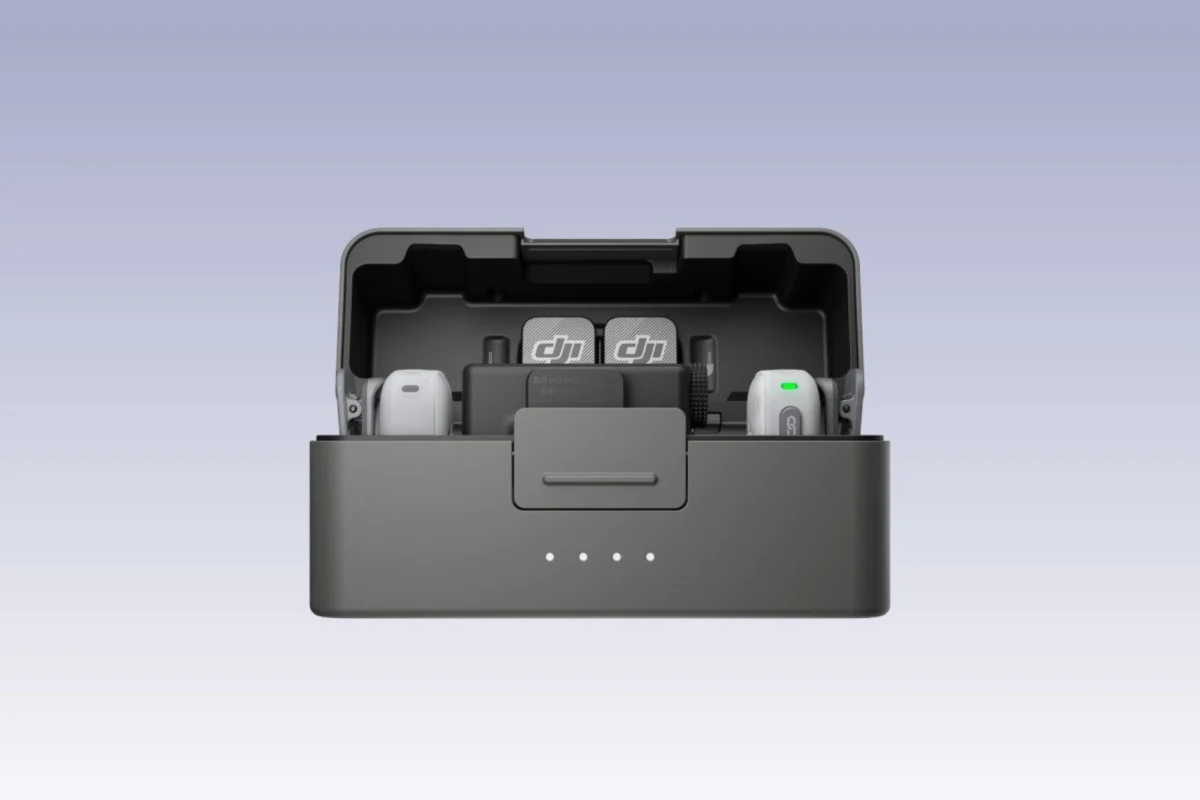
For content creators, the evolution of audio hardware has been nothing short of transformative. Gone are the days of bulky XLR setups and complex field recorders; the modern era of social media requires speed, portability, and, above all, high-fidelity sound. Last year, DJI’s Mic Mini solidified its place as a favorite among vloggers and mobile filmmakers for its balance of affordability and performance. Now, the company has unveiled its successor: the DJI Mic Mini 2.
While the new iteration promises subtle but meaningful upgrades, it arrives with a significant caveat—at least for those based in the United States. As of this writing, the device is rolling out across global markets, but American creators remain in the dark regarding a potential domestic release date.
Main Facts: What’s New in the Mic Mini 2?
The DJI Mic Mini 2 retains the compact, lightweight form factor that made its predecessor a staple in camera bags worldwide. However, this sequel introduces design flourishes and software tweaks aimed at improving the user experience for creators who prioritize both aesthetic and technical control.
The Magnetic Customization
The most immediate physical change is the introduction of a magnetic, swappable cover system. Unlike the standard black-only look of the original, the Mic Mini 2 allows users to snap on different colored magnetic covers. This is more than just a stylistic choice; it offers a practical solution for content creators who need their microphones to either blend into clothing or stand out for branding purposes. By allowing the microphone to essentially "change outfits," DJI is leaning into the lifestyle-focused marketing that defines modern creator gear.
Enhanced Audio Processing
Beyond the exterior, DJI has integrated new voice presets. These software-based adjustments are designed to streamline the post-production workflow. By offering various modes—tailored to different environments, such as noisy city streets or quiet indoor interviews—creators can achieve professional-sounding audio directly from the source, minimizing the need for heavy editing in programs like Adobe Audition or DaVinci Resolve.
Pricing and Configuration
The device is currently available in most international territories, with a base bundle starting at approximately €59. This entry-level kit includes:
- A single microphone transmitter.
- A wireless receiver.
- A compact charging case.
For more demanding productions, a secondary bundle is available for roughly €99. This "Pro" configuration steps up the utility by providing a larger charging case, two transmitters for dual-subject interviews, and a more robust receiver.

A Chronology of the DJI Mic Series
To understand why the Mic Mini 2 is generating buzz, one must look at the rapid maturation of DJI’s audio division.
- The Early Days (2021-2022): DJI entered the audio market with the original DJI Mic, a premium, high-end wireless solution designed to compete with industry standards like RØDE. It established the company’s reputation for reliable wireless transmission and long battery life.
- The Mini Revolution (2023): Realizing that not every creator needed a high-end interface, DJI introduced the Mic Mini. It prioritized the "mobile-first" creator, shedding the weight and extra features of the original in favor of a simplified, "plug-and-play" experience. It was lauded by critics for its clean signal-to-noise ratio and ease of use.
- The Current Status (2024-2025): The announcement of the Mic Mini 2 marks the refinement stage. DJI is no longer just trying to prove they can make a small mic; they are now optimizing the ergonomics and the software ecosystem surrounding it.
Supporting Data: Why Portability Matters
The success of the DJI Mic series is backed by shifting trends in content consumption. Data from the creator economy indicates that "snackable" video content—typically consumed on mobile devices—accounts for the vast majority of social media engagement.
According to industry analysts, audio quality remains the number one factor in audience retention. A study by the creator platform VidIQ found that viewers are 40% more likely to click away from a video if the audio is poor, even if the video quality is high. DJI’s focus on a $59 price point for the Mic Mini 2 is a strategic play to capture the massive demographic of entry-level creators who previously relied on sub-par smartphone internal microphones. By lowering the barrier to entry while maintaining a professional standard, DJI is effectively commoditizing high-end sound.
The U.S. Market Dilemma: An Unprecedented Standoff
The most jarring aspect of the Mic Mini 2 launch is its conspicuous absence from the United States. For a company that once viewed the U.S. as its primary retail hub, the current state of affairs represents a significant pivot in global strategy.
The Regulatory and Geopolitical Context
The silence regarding a U.S. release is not a manufacturing error; it is a symptom of a broader regulatory climate. As reported previously, DJI has faced a series of complex hurdles involving trade restrictions and national security concerns. These issues have led to long, unpredictable delays for almost all new DJI hardware entering the U.S. market.
Official Responses
DJI has remained largely tight-lipped regarding the specific timeline for the Mic Mini 2 in the U.S. Typically, the company provides vague statements about "market alignment" and "supply chain logistics." However, industry experts suggest that the delay is less about logistics and more about the company navigating a tightening legal landscape that has already impacted the availability of their newer drone models and gimbals.
Implications for Creators and the Industry
The ongoing tension between DJI’s innovation cycle and its U.S. availability creates several ripples throughout the creator economy.

1. The Rise of the "Gray Market"
When a desirable piece of tech is denied to a massive market, it inevitably drives consumers toward gray market imports or third-party resellers. While some tech-savvy U.S. creators may be willing to pay a premium to import a unit from Europe or Asia, they do so at the risk of losing out on domestic warranty support, firmware compatibility, and localized customer service.
2. The Competitive Landscape
DJI’s absence in the U.S. audio market leaves a power vacuum that competitors are eager to fill. Brands like RØDE, Hollyland, and Saramonic are aggressively courting the audience that would have otherwise defaulted to the DJI ecosystem. While the Mic Mini 2 offers unique features like magnetic color-coding, these competitors are responding with their own innovations in battery life and software integration, potentially eroding DJI’s market share in the West.
3. A Shift in Global Focus
For the average consumer, this situation signals a shift in the global tech landscape. Historically, tech companies prioritized a "U.S.-first" launch strategy. If DJI continues to successfully launch high-demand products in international markets while keeping the U.S. on an indefinite "waitlist," it may set a new precedent. It suggests that major hardware players are becoming increasingly comfortable operating around the U.S. market rather than being defined by it.
Conclusion: Is the Wait Worth It?
For those in the U.S. eyeing the DJI Mic Mini 2, the question is whether the wait is worth the effort. From a technical standpoint, the Mic Mini 2 is an evolutionary step rather than a revolutionary leap. If you already own the original Mic Mini, the new magnetic covers and voice presets are convenient but unlikely to change the fundamental quality of your content.
However, for new creators looking for an entry point into wireless audio, the original Mic Mini remains a gold standard—if you can find one. Until DJI provides clarity on a U.S. release, American creators are left in a holding pattern, forced to either look elsewhere or wait for a resolution to the geopolitical and regulatory gridlock that has stalled one of the most exciting brands in the business.
The audio landscape is changing, and while the Mic Mini 2 is a testament to that progress, its restricted availability serves as a stark reminder of the complexities inherent in the modern global tech industry. For now, the "sweater-matching" microphones remain a luxury for the international market, leaving American creators to watch from the sidelines, waiting for the day the hardware finally crosses the border.











No comments yet. Be the first to join the conversation!