Asep Darmawan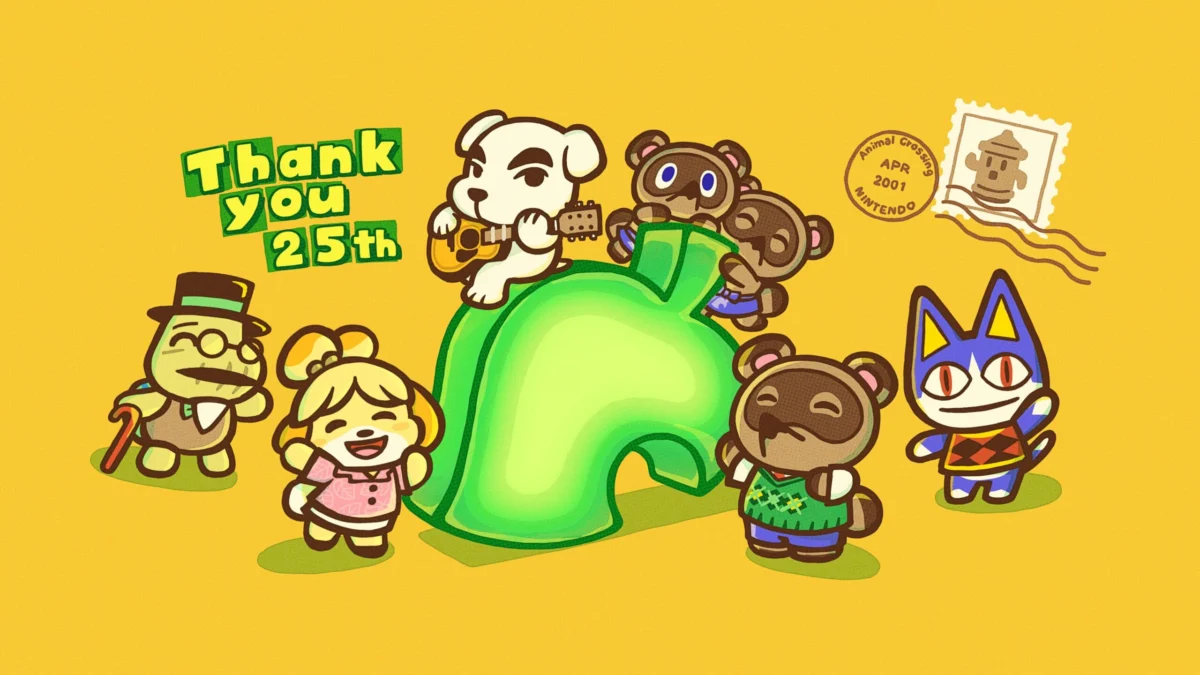
For millions of players, the island life of Animal Crossing: New Horizons has served as a digital sanctuary—a place of predictable rhythms, anthropomorphic neighbors, and the constant, gentle pursuit of home decoration. Despite the game having long been considered "content complete" following its final major expansion, Nintendo has delivered a nostalgic, albeit modest, surprise. To celebrate the 25th anniversary of the franchise, a new patch, version 3.0.2, has been deployed across both the Nintendo Switch and the newer Switch 2 platforms, proving that even a "finished" game can still hold space for celebration.
The Core Update: A Commemorative Keepsake
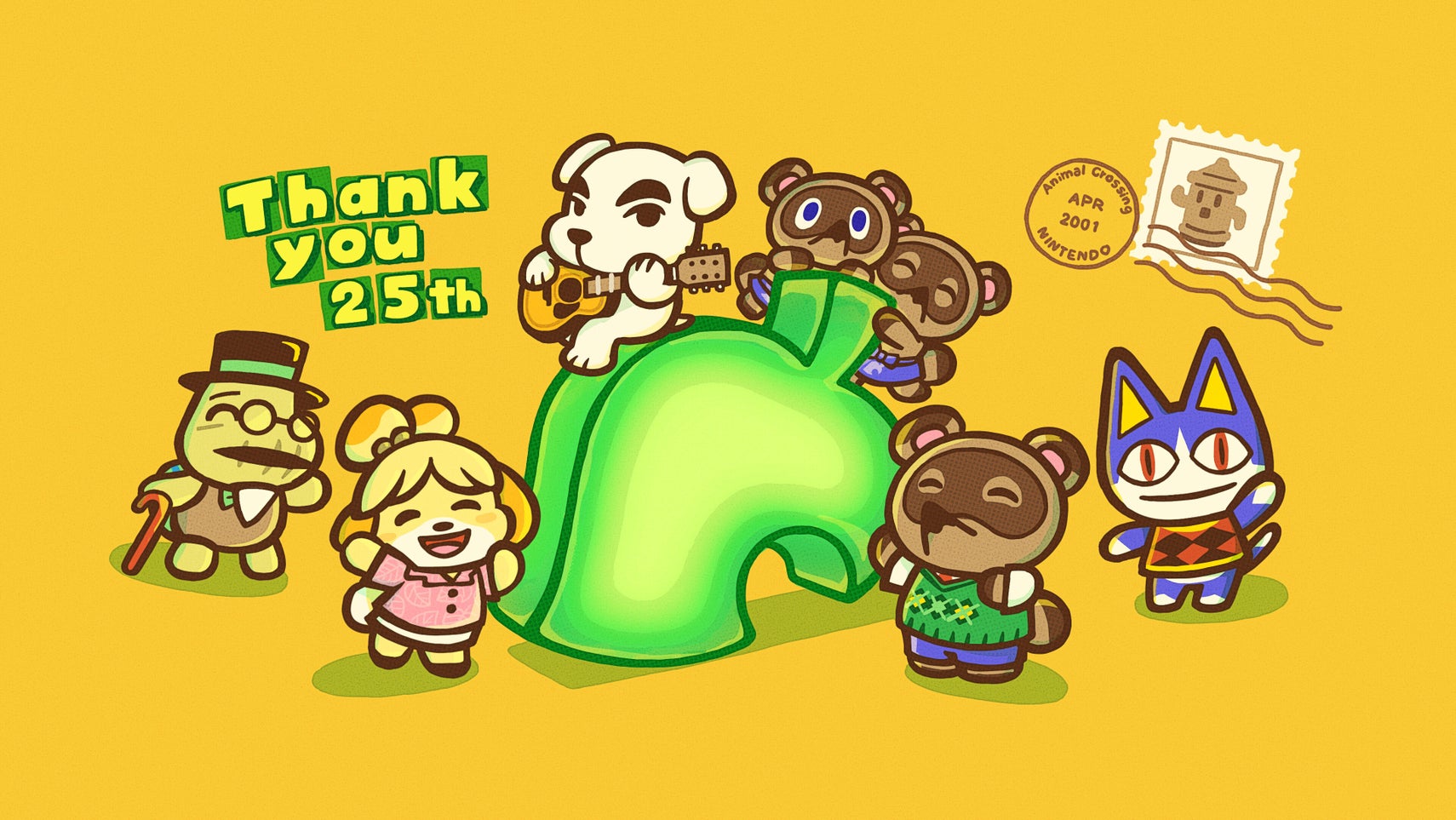
The latest patch is far from a sprawling content expansion, but it carries a significant sentimental weight for long-term fans. The update introduces a singular, high-quality decorative item: the "Leaf Statue."
This item is being distributed globally to every player, regardless of their progress in the game. Upon downloading the update, players will find a commemorative package waiting in their in-game mailbox. Accompanying the Leaf Statue is a heartfelt note from the development team, expressing gratitude for the community’s unwavering support over the past quarter-century. The letter is adorned with a nostalgic Nintendo N64 stamp, a direct nod to the platform where the Animal Crossing phenomenon first took root.
The Leaf Statue itself is a functional decorative piece; when placed in a room or an island landscape, the icon of the franchise—the humble, yet iconic leaf—emits a soft, ambient glow. Furthermore, the update includes a digital display item modeled after the original Japanese box art for the series’ debut, Dobutsu no Mori. While the remainder of the patch notes focus on routine stability improvements and minor bug squashing, the symbolic gesture has resonated deeply with the player base.
A Quarter-Century of Serenity: The Chronology of Animal Crossing
To understand the weight of this anniversary, one must look back at the humble origins of the series. The Animal Crossing franchise did not begin with the massive global fanfare seen today.
The N64 Origins (2001)
On April 14, 2001, Nintendo released Dobutsu no Mori (Animal Forest) exclusively for the Nintendo 64 in Japan. It was an ambitious, experimental life-simulation game that utilized the console’s internal clock to mirror real-time events. While it was a technical marvel for the time, it was a modest success, serving as a proof-of-concept for the emergent life-sim genre.
The GameCube Expansion (2001–2002)
Later that same year, in December 2001, Nintendo released Dobutsu no Mori+ for the Nintendo GameCube. This iteration refined the mechanics and added the depth necessary to launch the series globally. When it finally arrived in North America in 2002 as Animal Crossing, it became a cultural touchstone. The ability to trade items, decorate a home, and build relationships with animal villagers created a gameplay loop that felt uniquely personal.
Evolution and the "New Horizons" Boom
Over the next two decades, the series evolved through Wild World (DS), City Folk (Wii), and New Leaf (3DS). However, it was the 2020 release of New Horizons that propelled the franchise into the stratosphere. Arriving at the onset of a global pandemic, the game became a social lifeline for millions, cementing its place in gaming history as not just a product, but a essential social platform.
Supporting Data: Why This Small Update Matters
While the 3.0.2 patch is technically minor, it is strategically significant for Nintendo’s long-term brand management. Data from market analysis firms suggests that New Horizons remains one of the most frequently revisited titles in the Nintendo Switch library. Unlike competitive shooters or seasonal live-service games, Animal Crossing relies on "evergreen" engagement.
The inclusion of the Leaf Statue acts as a retention hook. By triggering a mailbox notification, the developers nudge dormant players to log in, check their islands, and interact with the game’s interface. Even if the player only logs in to collect the item and perform a quick island tour, the action re-engages the player with the Nintendo ecosystem.
Furthermore, the release of this patch on both the original Switch and the newer Switch 2 hardware signals Nintendo’s commitment to backward compatibility and the longevity of their flagship software. By ensuring the update is available on both platforms, Nintendo is effectively bridging the gap between the console generations, signaling that New Horizons remains a pillar of their modern portfolio.
Official Stance and Developmental Philosophy
Nintendo has remained characteristically quiet regarding the "future" of the franchise, but the language used in the 3.0.2 patch notes reflects a specific philosophy. By referring to the game as "feature complete" yet still providing celebratory items, Nintendo acknowledges a distinction between "development" and "maintenance."
In an era where "Games as a Service" (GaaS) often implies a constant treadmill of microtransactions and FOMO-driven events, Animal Crossing stands in stark contrast. The developers have opted to provide "gifts" rather than "tasks." There is no limited-time grind to acquire the Leaf Statue; it is simply a reward for being part of the community. This aligns with the series’ core ethos: stress-free, player-led discovery.
"We wanted to honor the history of the forest," a representative hinted in a brief statement regarding the update. "The leaf is where it all started, and we wanted every player, whether they joined us in 2001 or 2020, to have a piece of that history on their island."

Implications: The Legacy of a Digital Sanctuary
The release of this anniversary item raises an interesting question: What is the future of Animal Crossing?
The Preservation of Play
With this patch, Nintendo is signaling that they view New Horizons as a historical artifact—a game that should be maintained even long after its peak popularity has passed. This is a rare practice in the current industry, where servers are often shuttered within years of a game’s release. By pushing out a commemorative patch, Nintendo is effectively promising that the island remains open for business.
The Bar for Future Titles
The success of New Horizons has set an incredibly high bar for any potential successor. The community has grown accustomed to a high level of customization, seasonal updates, and social connectivity. As Nintendo looks toward the future of the franchise, they must navigate the challenge of introducing innovation without disrupting the "cozy" atmosphere that makes the series so endearing.
A Cultural Milestone
Finally, the 25th anniversary serves as a reminder of the shifting perception of games. What was once dismissed as a niche hobby for children has evolved into a global language of connection. The Leaf Statue is more than a 3D model; it is a monument to the millions of players who found comfort in virtual fishing, bug catching, and home decorating.
As the Animal Crossing series moves toward its third decade, the 3.0.2 patch serves as a quiet, graceful acknowledgement of its roots. It confirms that while the developers may have finished building the game’s core systems, the spirit of the Animal Forest continues to thrive, sustained by a community that refuses to leave its digital homes behind. Whether you are a veteran who has been playing since the GameCube era or a newcomer who started their journey on a deserted island in 2020, the Leaf Statue is a shared memento—a small, glowing piece of history to light up the night on your island paradise.


 Asro
Asro
 Muslim