Iffa Jayyana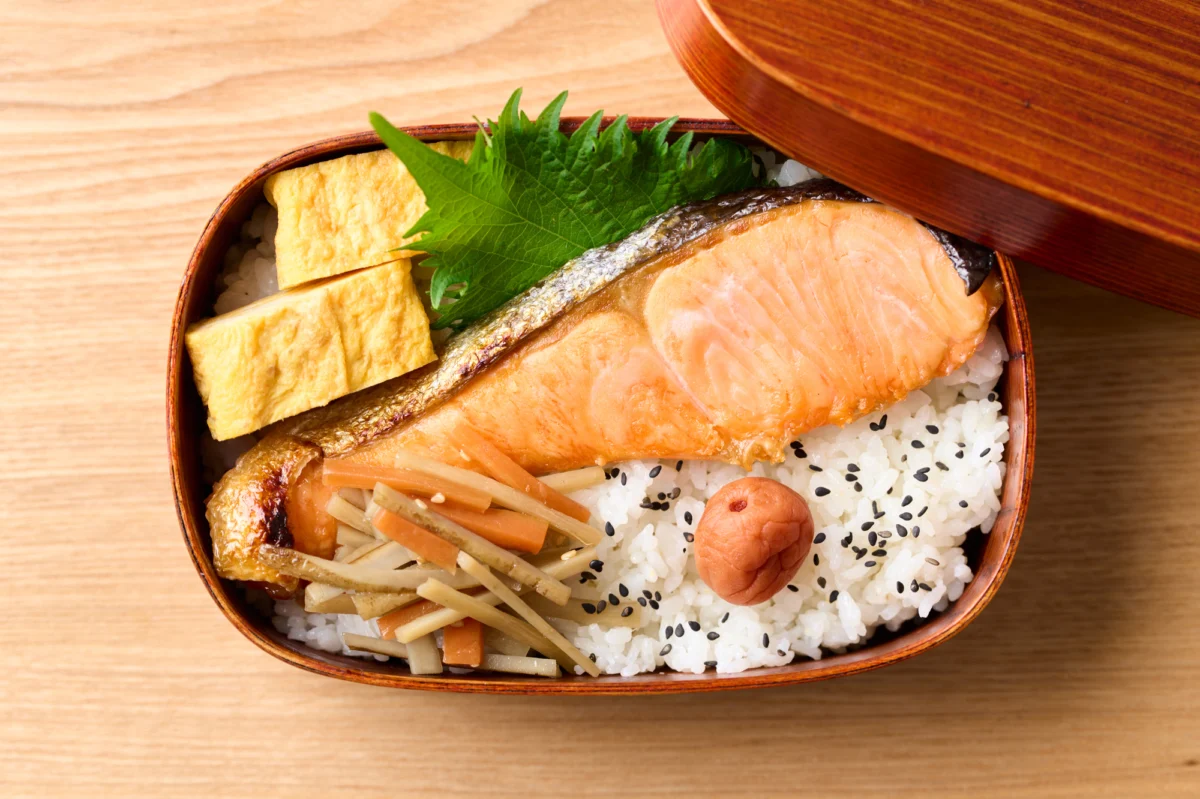
In the modern era, Japanese cuisine has transcended its origins to become a global phenomenon. From the ubiquity of high-end sushi bars in London to the convenience of ramen shops in New York City, Japanese food is widely considered a staple of international dining. The "bento"—the traditional, compartmentalized lunchbox—has similarly enjoyed a resurgence, fueled by aesthetic-driven platforms like Pinterest and YouTube, which champion these meals as the gold standard for organized, health-conscious, and sustainable eating.
Yet, behind the polished lenses of social media influencers and the success of Japanese culinary exports lies a more complicated reality. A recent incident involving a Japanese mother living in Canada serves as a poignant reminder that while Japanese food is visible and familiar to many, it is not always accepted. This discrepancy highlights the persistent, often painful, friction between cultural integration and the preservation of identity, particularly for children navigating the social hierarchies of the school cafeteria.
The Incident: A "Weird" Lunch in the Classroom
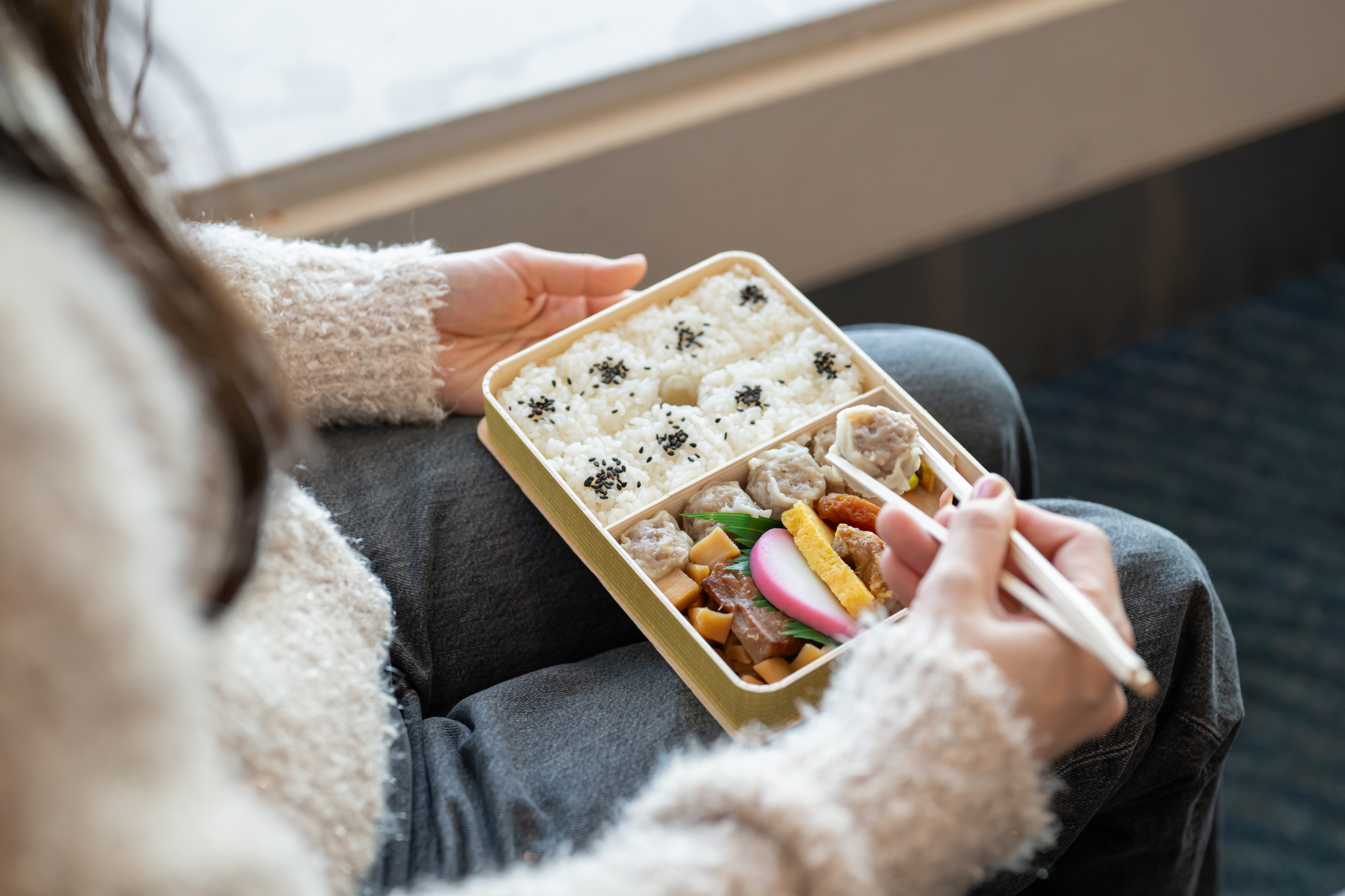
The story began on X (formerly Twitter), where a mother known by her handle @SACANA_family shared a heartbreaking update regarding her eight-year-old daughter. The mother, who had meticulously prepared a traditional Japanese bento for her child’s school lunch, found that her daughter had begun bringing the boxes home completely untouched.
When pressed, the young girl revealed that her classmates had mocked her lunch, labeling it "weird" and "gross." The stigma was so profound that the child became terrified of even opening her lunch container in the presence of her peers. For a parent, this was not just a rejection of a meal; it was a rejection of a cultural bridge.
The incident shocked many in Japan, where the global popularity of their cuisine is taken as a given. The prevailing logic was that in an age where Japanese food is synonymous with "cool" and "gourmet," such xenophobic reactions should be a relic of the past. The incident effectively challenged the assumption that because Japanese food has "made it" in the West, the cultural barriers that once existed for the Japanese diaspora have vanished.
A Chronology of Perception: From Exotic to Mainstream
To understand the irony of this situation, one must look at the timeline of Japanese culinary influence.
The 1980s and 1990s: During this period, Japanese food in many parts of the English-speaking world was viewed as highly exotic. Sushi was a luxury item, often misunderstood or feared by the average consumer. For Japanese families living abroad, school lunches were a frequent source of alienation. Many children of this era recall the experience of hiding their lunches to avoid the "stinky" or "strange" labels attached to foods like onigiri (rice balls) or pickled vegetables.
The Early 2000s: This era marked a transitional phase. As global trade expanded, the Japanese corporate presence grew in places like the American Midwest, bringing with them a surge of expatriate families. This period saw the rise of the "California roll" and the normalization of teriyaki in mainstream chain restaurants. For many second-generation Japanese individuals, this was a moment of hope; they believed that as these dishes gained popularity, the stigma surrounding their home-cooked meals would dissipate.
The Current Era: Today, we live in the age of the "bento aesthetic." Meal-prep culture has commodified the Japanese lunchbox, turning it into a status symbol of efficiency and health. However, as the recent incident in Canada demonstrates, this "mainstream" status is highly selective. It applies to the concept of the bento as an accessory, but it does not necessarily extend to the specific, traditional ingredients that make up a legitimate Japanese meal.
The Chasm Between Popularity and Palatability
The confusion expressed by many Japanese citizens regarding the incident stems from a misunderstanding of how foreign cuisines are adopted by Western palates. When a culture’s food is imported into a new market, it is almost always "localized" to fit the existing tastes of the dominant culture.
The California roll is a perfect example: by replacing raw fish with crab sticks and avocado, the dish became a safe, approachable entry point for Westerners. However, this creates a psychological "boundary line." A Western consumer may be perfectly comfortable with a Philadelphia roll—rich in salmon and cream cheese—but might recoil at the sight of natto (fermented soybeans) or unagi (eel).
The author of this report recalls a personal experience from high school: while peers were happy to eat supermarket sushi, they expressed genuine disgust when presented with traditional unagi nigiri at a sporting event. This reaction illustrates that the acceptance of Japanese food is often conditional. It is accepted only so long as it conforms to Western flavor profiles. When a child brings a "real" bento—perhaps featuring seaweed, fish, or fermented items—that does not match the "cool" version of Japanese food seen in commercial sushi bars, they are suddenly pushed back into the role of the "other."
Official and Social Responses: A Cultural Divide
As news of the incident spread across social media, the reaction was deeply polarized, revealing a significant disconnect between those living in Japan and those living abroad.
- The "Jealousy" Hypothesis: A common refrain from those in Japan was that the classmates were likely jealous of the healthy, colorful nature of the bento. While well-intentioned, this response largely misses the point. It frames the incident as a petty conflict rather than an issue of cultural intolerance.
- The Diaspora Perspective: For Japanese families living in Canada, the US, or Europe, the reaction was one of recognition and sadness. They understood that the teasing was not about jealousy, but about the social anxiety of being different. For many, this was a reminder that their children still inhabit a space between two worlds, constantly gauging whether their heritage is an asset or a liability in the eyes of their peers.
- The "Mainstream" Fallacy: Industry analysts note that while "Japanese" is a top-tier search term for restaurants, the "mainstream" is still largely restricted to a narrow menu. Matcha, for instance, is globally popular, yet it remains a point of contention—often treated as a supplement or a flavor, rather than a cultural staple.
Implications: Navigating the Double-Bind
The broader implication of this story is the enduring nature of "cultural assimilation pressure." Even in a globalized society, the school lunch remains a powerful, if small, theater of social conformity.
For the daughter of the mother in Canada, the lesson is one that many have learned before her: there is a fine, often invisible line between "belonging" and "being different." The fact that she still loves her mother’s cooking is a testament to the resilience of cultural identity, but the pain of the bullying cannot be understated.
This incident serves as a wake-up call to parents, educators, and the public. It suggests that while we have made strides in diversifying our palates, we have not necessarily made equal strides in cultivating cultural empathy. True acceptance of a culture requires more than just enjoying its exports; it requires the willingness to sit with the parts of that culture that we do not immediately recognize or understand.
Ultimately, the struggle of this young girl is not merely about food. It is about the fundamental human desire to be seen and accepted for who one is, without having to sanitize one’s heritage to fit into a mainstream mold. As long as our appreciation of other cultures remains conditional, the school cafeteria will continue to be a place where the, "weird" and "gross" labels are used to enforce conformity, leaving children to navigate the complicated, often lonely, task of holding onto their roots in a world that only loves them in bits and pieces.


 Neng Nana
 Asro
Asro