Ammar Sabilarrohman
In the heart of Tochigi Prefecture lies the city of Ashikaga, a destination frequently celebrated for its venerable history, the wisteria-draped Ashikaga Flower Park, and the ancient Banna-ji temple. Yet, for the traveler seeking the texture of everyday Japanese life away from the cacophony of tourist hubs, there exists a subtle, unassuming artery: the Sakasagawa.
Known locally as the "backward-flowing river," the Sakasagawa is a modest tributary that defies the geographical norms of the Watarase River system. While most waterways in the region flow southward, the Sakasagawa maintains a northward trajectory. This geological quirk has given the stream its evocative name and, more importantly, a peaceful, four-kilometre walking path that offers a window into the authentic suburban and agricultural rhythms of Tochigi.
Main Facts: The Anatomy of a Hidden Trail
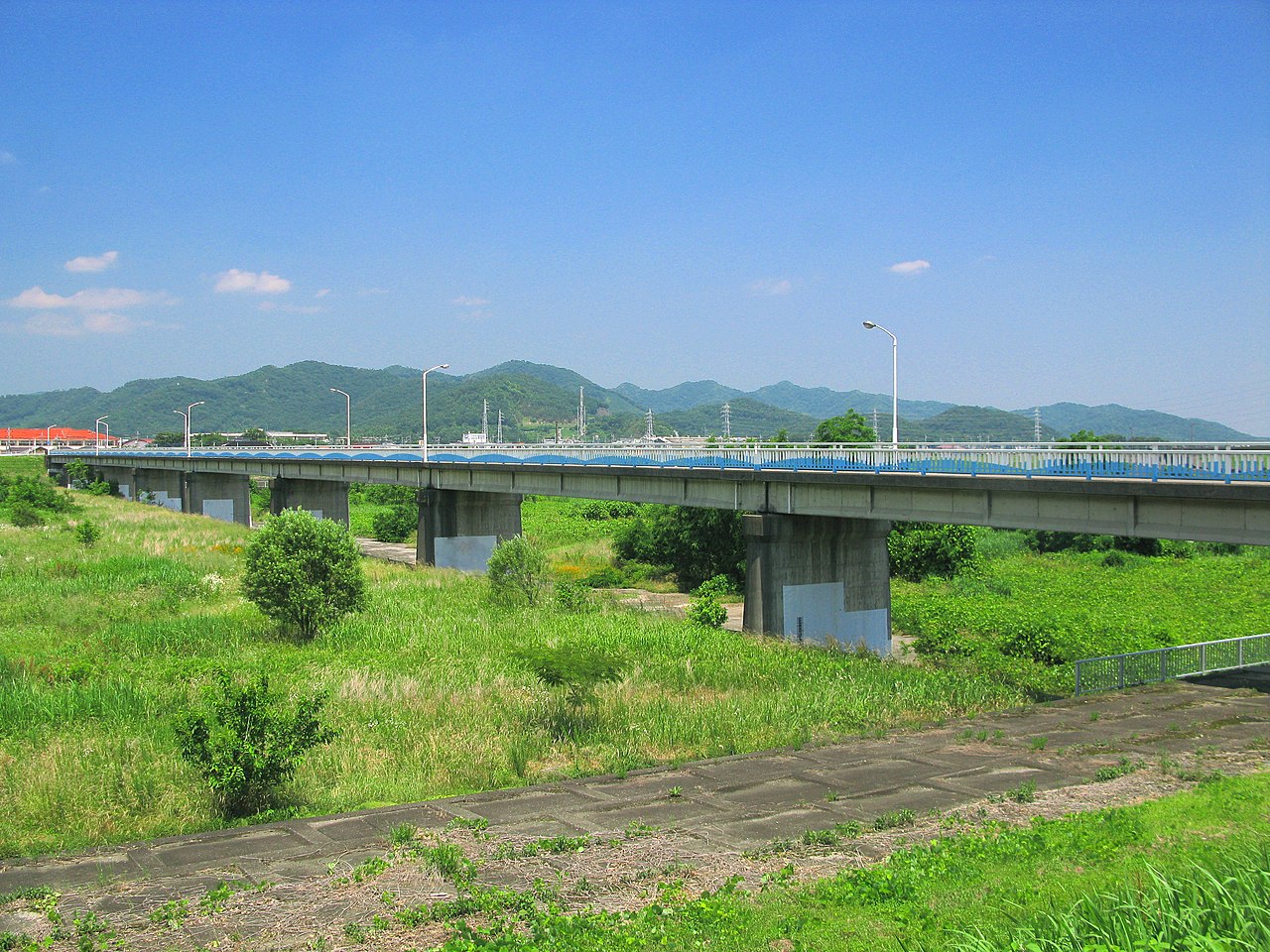
The Sakasagawa walking course is not a destination designed for the masses. It is an unpaved-to-semi-paved footpath that traces the north bank of the stream, stretching from the Ishibashi-cho district to its confluence with the Watarase River.
- Distance: Approximately 4 kilometres.
- Accessibility: Open year-round; no admission fees.
- Terrain: Flat, levee-based, accessible for average walkers.
- Signage: Primarily in Japanese; smartphone navigation is recommended.
- Best Time to Visit: Late March to early April for cherry blossoms, or November for autumn foliage.
The path is managed by the Ashikaga City municipal works department. It sits atop a flood-control levee, offering an elevated perspective of the surrounding residential landscape. Despite its charm, it is important to note the lack of tourist infrastructure: there are no cafes, vending machines, or public restrooms along the immediate trail. This is a deliberate "quiet zone," where the absence of commercialization is its greatest asset.
Chronology: A Path Through the Seasons
The Sakasagawa is a living, breathing landscape that shifts its personality with the Japanese calendar. Understanding this temporal cycle is essential for any visitor hoping to capture the essence of the walk.
Spring: The Canopy of Somei-Yoshino
Between late March and early April, the middle section of the levee is transformed. In the 1960s, a municipal beautification project saw the planting of 200 somei-yoshino cherry trees. Today, these trees have matured, creating a continuous, ethereal pink canopy that turns the path into a tunnel of blossoms. Unlike the frantic, crowded atmosphere of Tokyo’s Ueno or Kyoto’s Philosopher’s Path, the Sakasagawa remains the domain of local families and school-aged children.
Summer: Lush Greenery and Fireflies
As the temperature rises, the path turns into a vibrant, high-contrast green corridor. While the heat in Ashikaga can be intense—regularly reaching 35°C—the upper reaches of the stream offer a brief respite in the evenings. Mid-June brings a rare spectacle: for approximately two weeks, fireflies emerge in the upper reaches, a testament to the relative cleanliness and preservation of the local ecosystem.
Autumn: The Quiet Transition
From mid-October to late November, the landscape shifts into a palette of gold and crimson. The zelkova and maple trees lining the banks provide a softer, more reflective atmosphere than the spring bloom. During the weekdays, the path is almost entirely deserted, offering the solitude required for contemplation or creative pursuits.
Winter: The Stark Beauty of Stillness
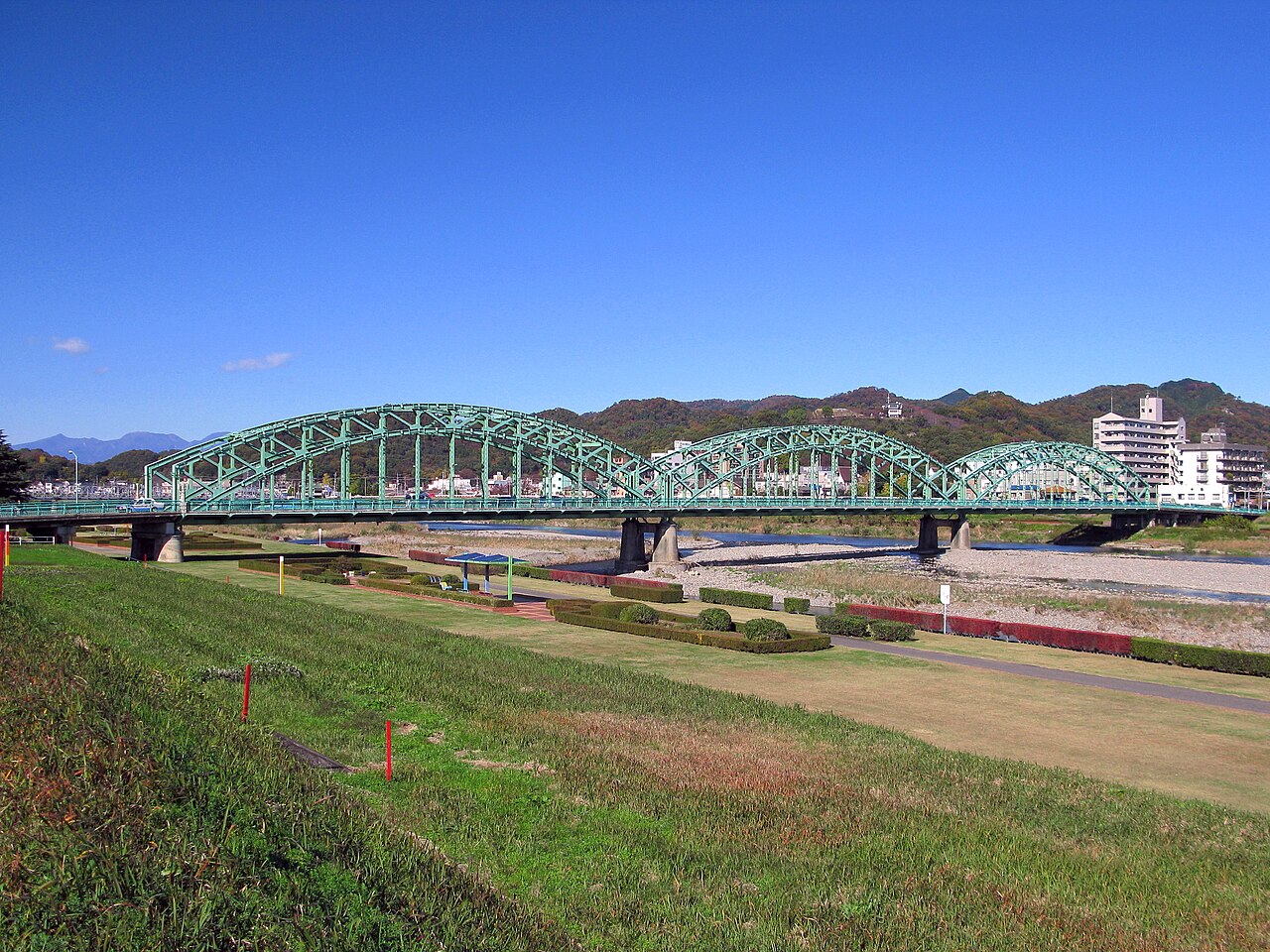
December through February is the season of silence. While the stream does not freeze, the surrounding foliage goes bare, leaving a stark, clean landscape. It is the ideal time for photographers interested in minimalist architecture and the geometric lines of the levees against the winter sky.
Supporting Data: Integrating the Flower Walking Course
The Sakasagawa is an integral part of a larger municipal initiative known as the "Hana no Walking Course" (Flower Walking Course). This 10-kilometre loop, curated by the city’s tourism board, stitches together a dozen parks, temples, and river corridors.
The Loop Structure
- The Sakasagawa Stretch: The foundational 4km core.
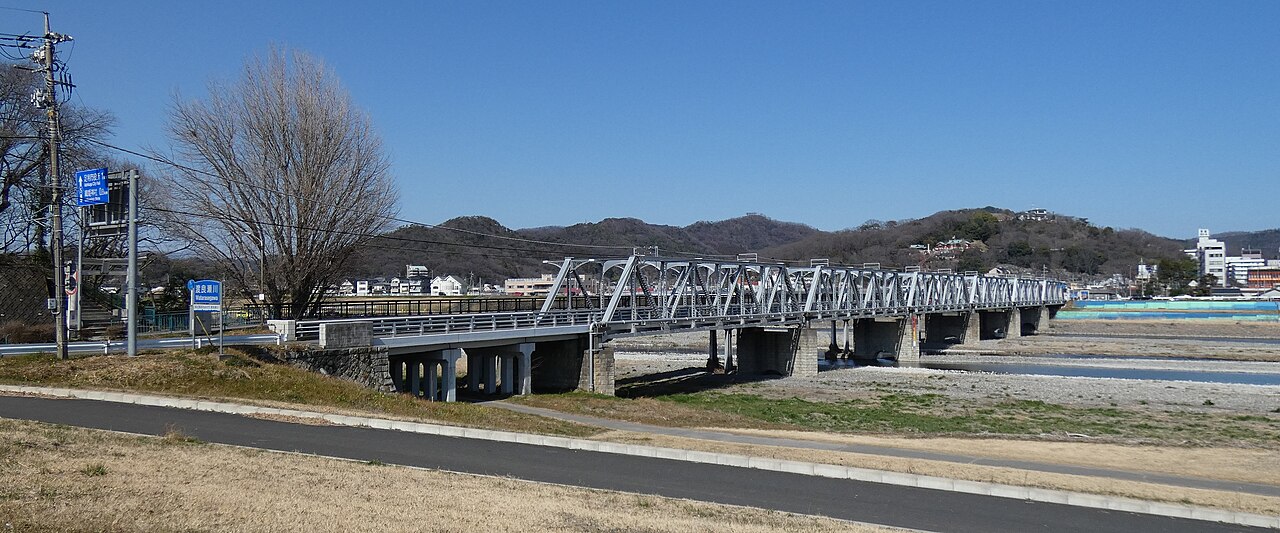
- The Watarase Interface: The path where the tributary meets the larger Watarase River.
- Cultural Nodes: The route incorporates stops near the Ashikaga Textile Tradition House and the base of the Orihime Shrine.
For the modern traveler, attempting the full 10-kilometre loop in a single session is a significant commitment. Most visitors find that integrating the Sakasagawa walk (1–1.5 hours) with a visit to the Banna-ji temple or the Ashikaga School creates the most balanced, satisfying itinerary.
Official Perspectives and Local Implications
According to the Ashikaga City municipal works department, the maintenance of the Sakasagawa levee is a delicate balance between flood management and public amenity. The city views these walking paths as "neighborhood infrastructure" rather than "tourism products."
This distinction is crucial for visitors. The city does not actively promote the Sakasagawa as a major attraction, which is precisely why it has retained its charm. However, local residents have increasingly embraced the path as a community hub. On any given morning, one can observe elderly residents performing stretches at designated bench areas, or commuters cycling toward the station.
The presence of international visitors on this path is rare, which has fostered a unique, welcoming environment. Unlike in major tourist centers where residents might feel "over-touristed," the people of Ashikaga are generally receptive to visitors, provided the etiquette of a quiet, residential neighborhood is respected.
Implications for Future Tourism
The Sakasagawa walk represents a growing trend in Japanese domestic travel: the shift toward "slow tourism." As Japan’s major landmarks face the challenges of overcrowding, regional cities like Ashikaga are becoming increasingly attractive to a specific subset of travelers: the "completionists," the "slow-travelers," and the "digital nomads."
Why it Matters
The existence of the Sakasagawa path implies a future where quality of experience is prioritized over the volume of attendees. For the traveler, this means:

- Authenticity: You are seeing the real, working-class landscape of Tochigi, not a curated exhibit.
- Accessibility: It remains a high-value, low-cost activity that requires no special equipment or planning.
- Sustainability: The focus on walking and local movement aligns with modern environmental consciousness.
The "Must-Visit" vs. "Must-Skip" Verdict
The value of the Sakasagawa is entirely subjective. For those visiting Japan to see the "Greatest Hits," the Sakasagawa may feel unremarkable. It lacks the dramatic mountain backdrops of Nagano or the architectural density of Kyoto. However, for those looking for the "unglamorous, everyday Japan"—the Japan of local vegetable gardens, neighborhood dogs, and the quiet sound of moving water—it is an unparalleled experience.
Practical Advice for the Independent Traveler
To ensure a successful trip to the Sakasagawa, keep these logistical realities in mind:
- Arrival: From JR Ashikaga Station, the walk to the trailhead is a 15-20 minute stroll through the city’s commercial center. Use this time to purchase water and snacks at a conbini, as there are zero amenities once you hit the trail.
- Navigation: While the route is straightforward, downloading an offline map (Organic Maps or Google Maps) is advised to avoid confusion at the occasional junction where the path intersects with residential roads.
- Footwear: The path surface is a mix of compacted gravel and grass. Supportive, ankle-high walking shoes are recommended, especially if there has been recent rain, as the levee edges can become slick.
- Cycling: While bikes are permitted on approximately 60% of the path, the final 500 meters toward the confluence are strictly pedestrian-only. Cyclists should be prepared to dismount or divert to the Watarase riverside path.
- Heat Management: If visiting in July or August, prioritize sunrise walks. The lack of shade on the levee makes midday travel dangerous due to the high risk of heatstroke.
Conclusion
The Sakasagawa is not merely a path; it is a pace of life. It reminds us that in a country as densely packed and fast-paced as Japan, there are still pockets of profound stillness to be found. By following the "backward-flowing" current, you are not just walking through a riverbank; you are walking through the gentle, quiet heart of Ashikaga. Whether you are seeking the perfect cherry blossom photo or simply a moment of peace away from the train stations and ticket gates, the Sakasagawa waits—unassuming, quiet, and remarkably real.


 Neng Nana
 Asro
Asro