

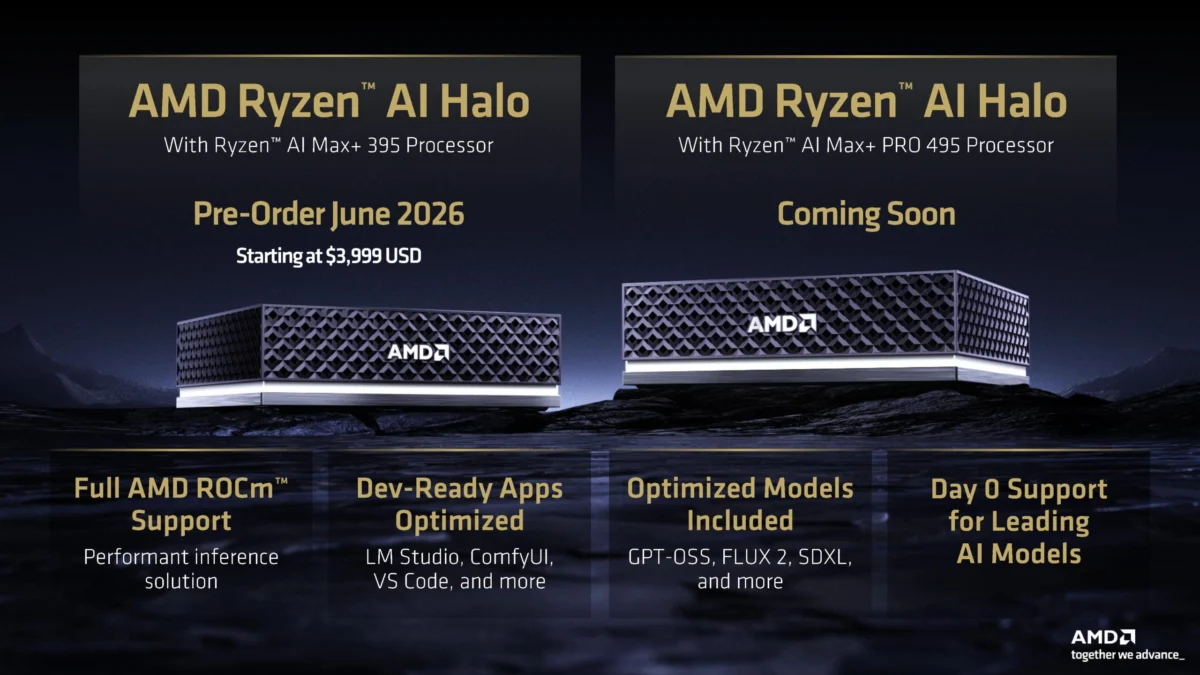
AMD has officially pulled back the curtain on its latest evolution in high-performance computing: the Ryzen AI Max 400 series, codenamed "Gorgon Halo." As the successor to the original "Strix Halo" stack, this refresh represents a strategic pivot toward massive memory capacity, specifically targeting the burgeoning demand for local Large Language Model (LLM) execution and professional-grade workstation tasks.
By integrating up to 192GB of unified memory and leveraging the potent combination of Zen 5 CPU cores and RDNA 3.5 graphics, AMD is positioning these chips as the premier x86 solution for those who require heavy-duty AI processing without the latency or costs associated with cloud-based inference.
The Core Specs: Iterative Power
The Gorgon Halo lineup consists of three distinct SKUs: the Ryzen AI Max+ Pro 495, the Ryzen AI Max Pro 490, and the Ryzen AI Max Pro 485. While these chips share much of their architectural DNA with the preceding Strix Halo models, the "400" designation introduces critical optimizations for professional workflows.
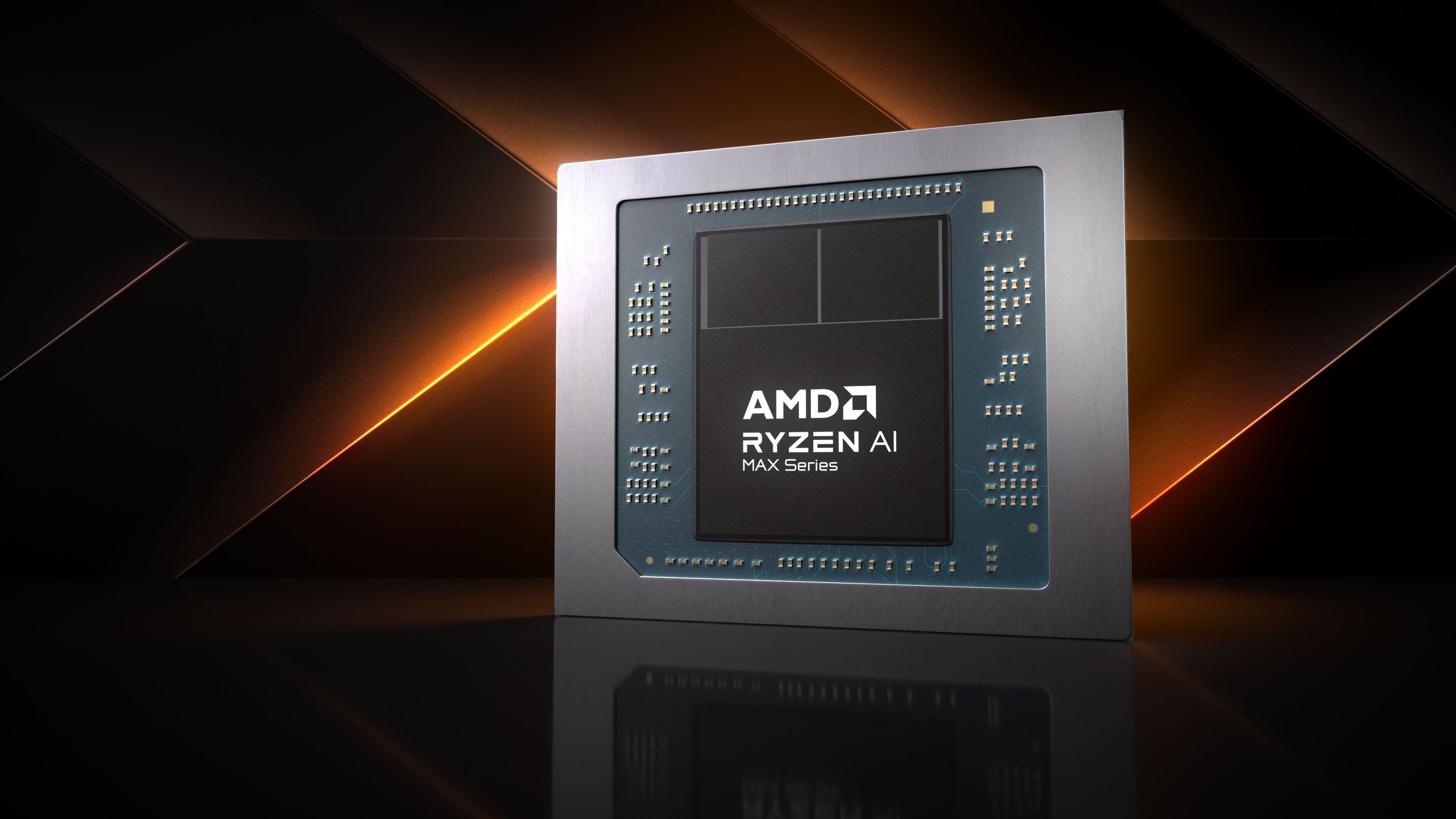
All three processors are built upon the Zen 5 architecture, paired with RDNA 3.5 GPU cores and the XDNA 2 NPU. The flagship of the series, the Ryzen AI Max+ Pro 495, features a modest but impactful 100 MHz clock speed increase over its predecessor, the 395, pushing its boost frequency to 5.2 GHz.
Performance Specifications at a Glance
| Model | Cores/Threads | Arch (CPU/GPU) | Boost Clock | Total Cache | NPU TOPS | iGPU (CUs) | Max Unified Memory |
|---|---|---|---|---|---|---|---|
| Max+ Pro 495 | 16 / 32 | Zen 5 / RDNA 3.5 | 5.2 GHz | 80 MB | 55 | Radeon 8065S (40) | 192 GB |
| Max Pro 490 | 12 / 24 | Zen 5 / RDNA 3.5 | 5.0 GHz | 76 MB | 50 | Radeon 8050S (32) | 192 GB |
| Max Pro 485 | 8 / 16 | Zen 5 / RDNA 3.5 | 5.0 GHz | 40 MB | 50 | Radeon 8050S (32) | 192 GB |
While the GPU core counts remain consistent with earlier revisions, the inclusion of the "Pro" branding signals a clear shift toward the commercial and enterprise sectors. AMD has emphasized that these processors incorporate specialized PRO technologies, ensuring the heightened security, manageability, and reliability protocols that IT departments demand.
The Memory Paradigm Shift
The most significant engineering achievement in the Gorgon Halo series is the support for 192GB of unified memory. In a standard computing architecture, VRAM is limited by the physical capacity of the dedicated graphics card. By opting for a unified memory pool, AMD allows the system to allocate up to 160GB specifically for GPU-intensive tasks, with 32GB reserved for general system operations.
This architecture makes the Ryzen AI Max 400 series the first x86 client-class platform capable of running 300B+ parameter Large Language Models entirely on local hardware. For developers and researchers, this is a transformative development. It effectively bridges the gap between high-end consumer hardware and expensive data center GPUs, offering a viable alternative for local model training and inference.
Chronology and Market Rollout
AMD’s roadmap for Gorgon Halo has been methodical. Earlier this year, the company introduced the "Gorgon Point" refresh for laptops, laying the groundwork for the more robust "Gorgon Halo" desktop-class SoCs.
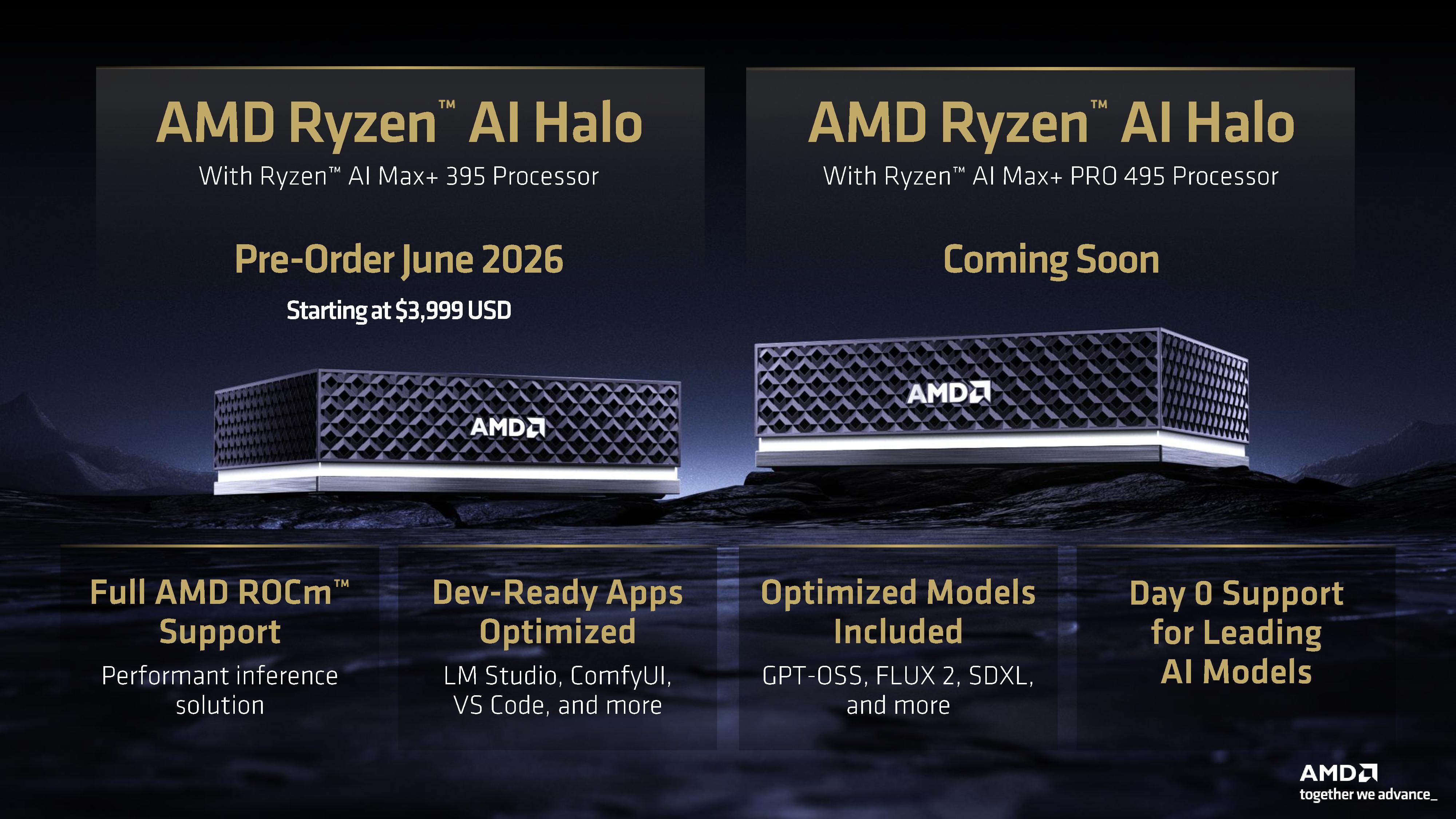
The immediate focus for AMD is the "Ryzen AI Halo" box, a compact workstation revealed earlier this year. Pre-orders for the initial model—equipped with the Ryzen AI Max+ 395 and 128GB of unified memory—are scheduled to open this June. The entry-level price point for this system is set at $3,999.
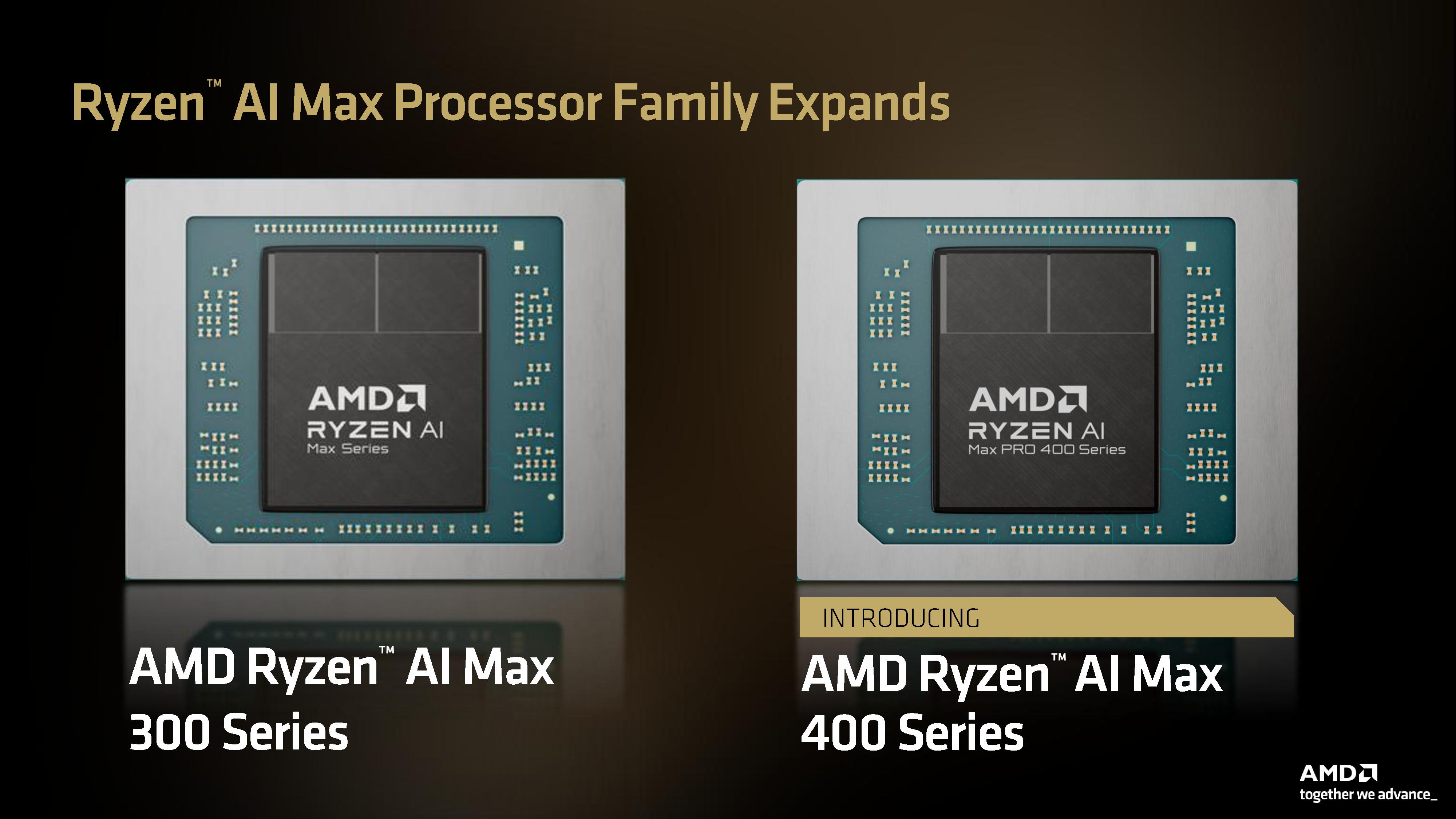
While AMD has confirmed that these units are "coming soon," they have been more conservative regarding the broader OEM ecosystem. Based on statements provided by company spokespeople, full-scale systems from major OEM partners are expected to debut in Q3 2026. This timeline suggests that AMD is prioritizing a controlled, enterprise-focused launch before pushing these chips into the general commercial market.
Official Responses and Strategic Positioning
When questioned about the potential for a consumer-focused, non-Pro version of the Gorgon Halo chips, AMD remained tight-lipped. The "Pro" distinction currently serves as a gatekeeper for enterprise-grade security features. However, the company has expressed optimism regarding partner adoption.
"Several OEM partners have expressed excitement for the Ryzen AI Halo platform and the Ryzen AI Max Pro 400 series family of processors," an AMD spokesperson stated. This "excitement" is being translated into a broader platform strategy that pits the Ryzen AI Halo directly against established players in the compact AI workstation market, such as the Nvidia DGX Spark.
Competitive Implications: The "Token Economy"
The battleground for these new processors is not just raw clock speed; it is the "token economy." AMD is aggressively marketing the Ryzen AI Halo as a cost-effective alternative to cloud-based AI services.
By calculating the costs of high-volume API usage—such as those seen by the team behind the OpenClaw framework, who recently incurred over $1.3 million in OpenAI API costs in a single month—AMD posits that their local hardware can pay for itself within six months. The math assumes a throughput of six million tokens per day, a workload that is increasingly common for businesses building agentic AI frameworks.
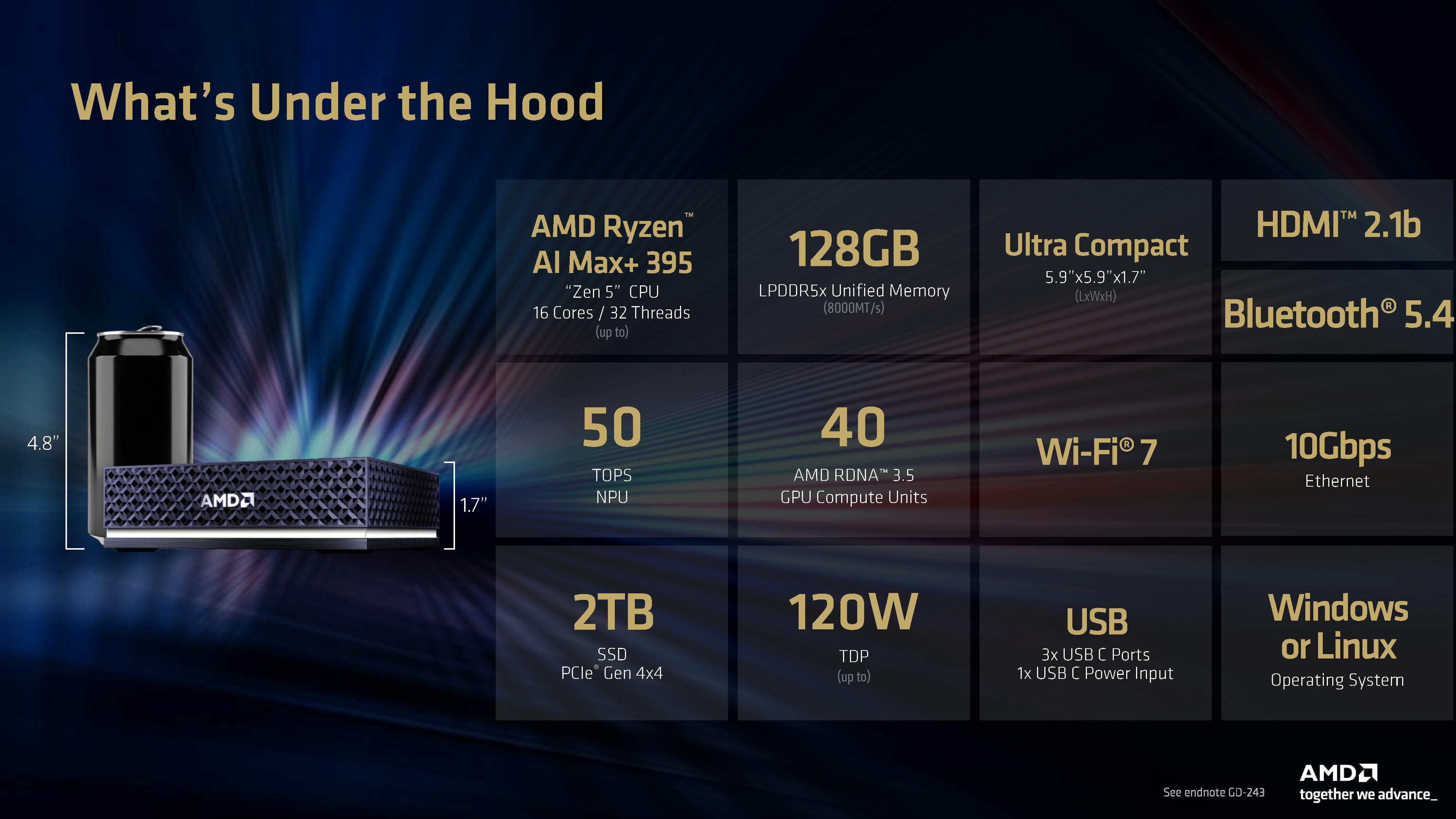
Compared to the Nvidia DGX Spark ($4,700), the AMD Ryzen AI Halo ($3,999) offers a more versatile operating environment. While the DGX Spark is restricted to Linux, the Ryzen AI Halo supports both Linux and Windows, providing greater flexibility for developers who work across different software stacks.
Performance Metrics
In internal testing provided by AMD, the Ryzen AI Halo demonstrates significant performance leads:
- GLM 4.7 Flash 30B: Up to 14% higher tokens per second compared to the DGX Spark.
- Qwen 3.6 35B: Up to 4% higher tokens per second.
Furthermore, when compared to the Apple Mac Mini M4 Pro, AMD claims a 4x scaling advantage in specific AI-heavy workloads. However, industry analysts note that such comparisons should be viewed with nuance; the Mac Mini is a general-purpose consumer device, whereas the Ryzen AI Halo is a specialized tool more comparable to the Apple Mac Studio.
Technical Ecosystem: Beyond the CPU
The Ryzen AI Halo is not just a processor; it is a high-density workstation packaged into a 5.9 x 5.9 x 1.7-inch enclosure. Despite its small footprint, it boasts cutting-edge connectivity, including:
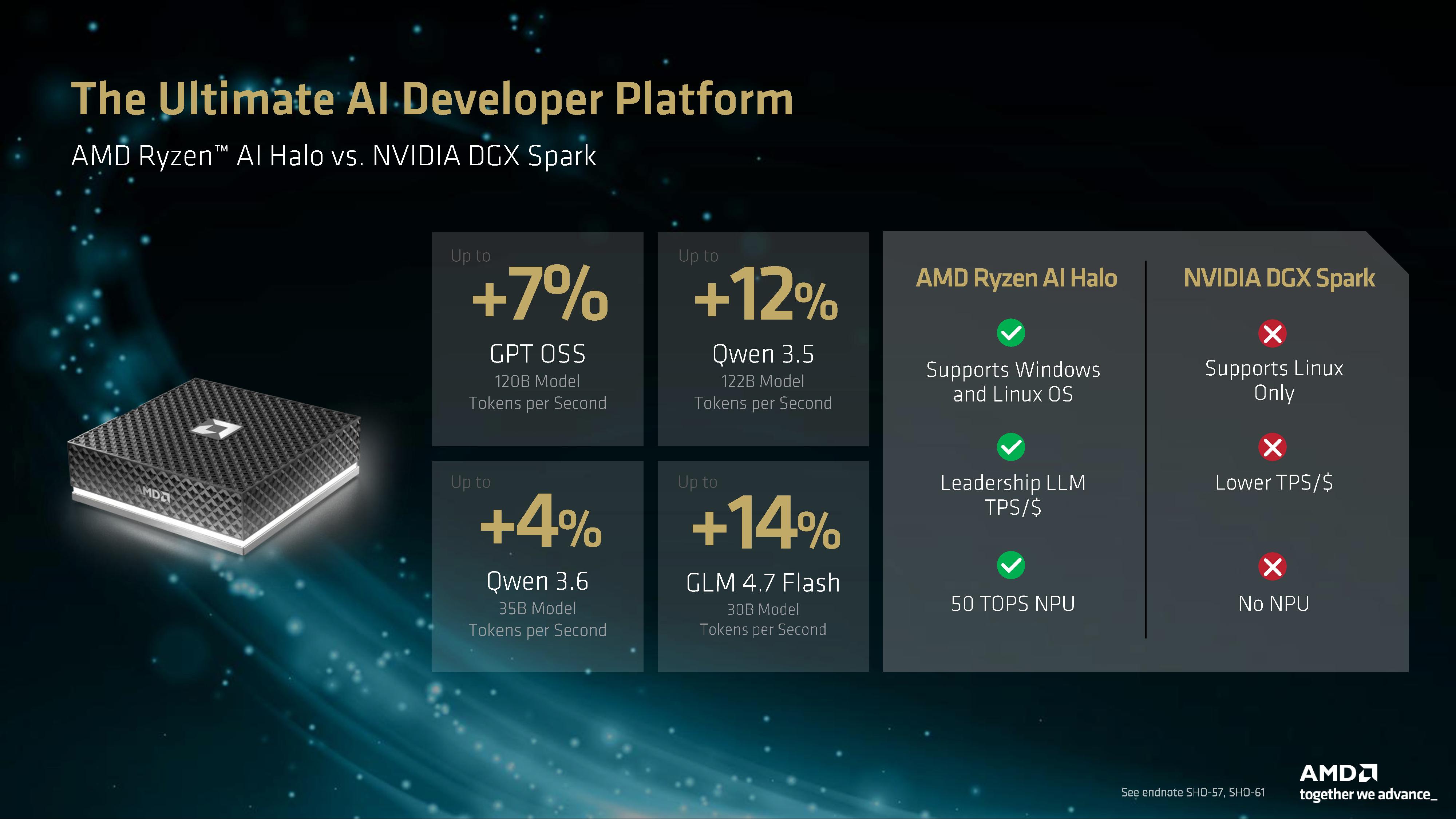
- Networking: Wi-Fi 7 and 10Gbps Ethernet for high-bandwidth data transfers.
- Connectivity: Three USB-C ports and a dedicated power delivery USB-C port.
- Display: HDMI 2.1b output for high-resolution monitoring.
- Efficiency: A rated TDP of 120W, demonstrating the efficiency gains of the Gorgon Halo architecture.
Conclusion: A New Standard for Local AI
The launch of the Ryzen AI Max 400 series and the associated Ryzen AI Halo systems marks a significant evolution in the x86 landscape. By leaning into the needs of the AI-driven workforce, AMD is effectively creating a new class of "AI-first" workstations.
While the $3,999 entry price limits this hardware to professional, research, and enterprise environments for the time being, the precedent it sets is clear. As local LLMs become more sophisticated and token costs continue to rise, the ability to process complex models on-premises—without sacrificing security or performance—will likely become the primary driver for workstation upgrades over the next two years.
With Q3 2026 on the horizon, the industry will be watching closely to see which OEMs embrace the Gorgon Halo platform and whether these chips can truly disrupt the dominance of cloud-based AI compute. For now, AMD has delivered a compelling piece of engineering that challenges the status quo, proving that the most powerful AI workstation might just be the one sitting on your desk.










No comments yet. Be the first to join the conversation!