Lina Hope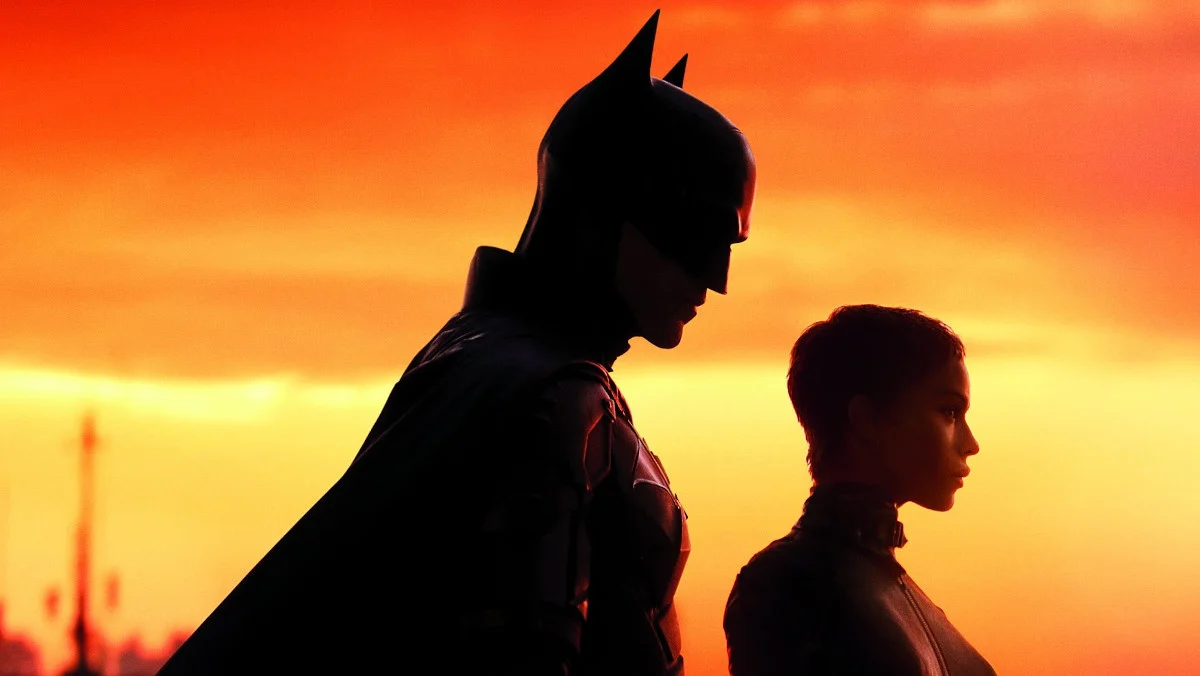
The landscape of the DC Universe is undergoing a profound transformation. Under the strategic guidance of DC Studios co-CEOs James Gunn and Peter Safran, the franchise has been bifurcated into two distinct tracks: the interconnected primary DC Universe (DCU) and the "Elseworlds" banner. While the former will house a cohesive, shared cinematic narrative, the latter provides a sanctuary for bold, director-driven visions that exist outside the central continuity. Among the most anticipated of these Elseworlds projects is The Batman – Part II, the highly awaited sequel to Matt Reeves’ 2022 noir-inspired masterpiece.
Despite the creative freedom offered by the Elseworlds label, the production journey for the Caped Crusader’s next outing has been far from straightforward. With a freshly completed script now in hand and an official logo unveiled, the gears of Gotham are finally turning once more.
Main Facts: The Current State of the Production
The Batman – Part II represents a critical pillar of the current Warner Bros. Discovery strategy. By keeping Robert Pattinson’s Bruce Wayne sequestered in his own grounded reality, the studio allows for a more intimate, character-focused study of the Dark Knight that isn’t burdened by the necessity of building toward a larger, multi-film crossover event.
As of mid-2025, the most significant development is the confirmation that the screenplay, penned by director Matt Reeves and co-writer Mattson Tomlin, has been finalized. This milestone ends a period of intense fan speculation and studio silence. With the script delivered, the project has moved into a more concrete phase of development, setting the stage for what promises to be a darker, more expansive exploration of Gotham City’s criminal underbelly.

A Chronological Breakdown of Development
The road to The Batman – Part II has been marked by patience, industry shifts, and a commitment to quality over speed.
- March 2022: The Batman debuts to critical acclaim, cementing Robert Pattinson’s status as a formidable Bruce Wayne and establishing a bleak, hyper-realistic tone for the franchise.
- April 2022: Warner Bros. officially announces the development of a sequel, with Matt Reeves returning to helm the project.
- January 2023: James Gunn and Peter Safran unveil their initial slate for the new DC Universe, formally categorizing The Batman series as an "Elseworlds" project.
- February 2024: Confirmation surfaces that Barry Keoghan, who provided a chilling, brief cameo as the Joker in the first film, is set to return for the sequel.
- Spring 2026: Production officially kicks off. While the film was originally slated for an earlier release, a series of strategic delays were implemented to ensure the creative team had the necessary time to refine the narrative.
- June 2025: Matt Reeves and Mattson Tomlin officially submit the completed screenplay to the studio.
- October 1, 2027: The current, finalized release date for the film’s theatrical debut.
The Philosophical Core: Why the Delay Was Necessary
In an era of blockbuster filmmaking where release dates are often etched in stone years in advance, the multiple delays regarding The Batman – Part II have drawn both criticism and praise. James Gunn has been the most vocal defender of the process, repeatedly emphasizing that the timeline is dictated entirely by the creative requirements of the script.
"Matt is committed to making the best film he possibly can," Gunn noted on social media. The studio’s stance is that a rush to production would be a disservice to the meticulous world-building that defined the first installment. By allowing Reeves the autonomy to craft the story, Warner Bros. is betting on the long-term cultural impact of the Batman brand rather than the short-term gains of meeting a traditional summer blockbuster window.
Furthermore, the "Elseworlds" designation is not a sign of abandonment; rather, it is a badge of prestige. It signals that this specific version of the character is a "director’s cut" of the Batman mythos, unencumbered by the mandates of a shared cinematic universe.

Supporting Data: Cast, Crew, and Expanded Lore
The strength of The Batman – Part II lies in its consistency. The return of the core creative team is perhaps the most reassuring sign for fans of the 2022 film.
The Returning Ensemble
- Robert Pattinson: His performance as a vulnerable, "emo" Bruce Wayne was hailed as a deconstruction of the character. Pattinson is confirmed to return, continuing his arc as a man who is still grappling with the psychological toll of his nocturnal crusade.
- Andy Serkis: The performance-capture legend will reprise his role as Alfred Pennyworth. His dynamic with Pattinson’s Bruce—a mix of fatherly concern and tactical partnership—is expected to be a central emotional anchor for the sequel.
- Barry Keoghan: The inclusion of Keoghan’s Joker is perhaps the most tantalizing aspect of the sequel. While he was relegated to a shadowy cell in Arkham Asylum in the first film, his return implies that he will have a more active, and likely more devastating, role in the sequel’s plot.
Expanding the Universe
The film does not exist in a vacuum. It is being bolstered by a "Bat-verse" strategy, most notably the Penguin series on HBO/Max. By expanding the narrative through television, the creative team is able to flesh out the criminal ecosystem of Gotham, ensuring that when the sequel finally hits screens in 2027, the stakes and the power vacuums left behind by Carmine Falcone are well-understood by the audience.
The Director’s Vision: A Character-First Approach
Matt Reeves has been steadfast in his desire to keep the story grounded in the "point-of-view" of Bruce Wayne. In various interviews, Reeves has articulated a fear common to many sequels: the temptation to "superhero-ify" the film by stuffing it with too many villains.
"My goal has always been to do these point-of-view stories that allow the character to always be the emotional center," Reeves explained. "A lot of times what happens is, after you do the first one, then suddenly other Rogues Gallery characters come in, and they kind of take over." For Part II, the objective is to ensure that even as the city of Gotham evolves and new threats emerge, the audience never loses sight of the man behind the cowl.

Implications for the Future of DC
The implications of this project are twofold. First, it proves that the DC brand is capable of sustaining multiple, competing versions of its most iconic characters. While a new Batman will eventually be cast for the interconnected DCU (in films like The Brave and the Bold), the success of The Batman – Part II demonstrates that the audience is sophisticated enough to distinguish between different iterations of the same mythos.
Second, the film represents a victory for the "auteur" model of filmmaking within the superhero genre. By protecting the production from the demands of a larger, corporate-mandated schedule, Gunn and Safran are signaling to the industry that high-quality, singular visions are a priority for the new DC Studios.
Conclusion: The Long Road to 2027
As we look toward the autumn of 2027, the anticipation surrounding The Batman – Part II is palpable. The release of the official logo was more than just a marketing beat; it was a promise that the darkness of Gotham is returning. With a script that has received the blessing of the studio, a cast of proven talent, and a director who refuses to compromise on his vision, the film is positioned to be a definitive entry in the superhero canon.
While the wait has been long, the history of cinema suggests that greatness cannot be rushed. Whether the film will delve into the Court of Owls, explore the psychological depths of the Joker, or push Bruce Wayne into an entirely new moral crisis remains to be seen. However, one thing is certain: when the Bat-signal finally lights up the sky again, it will be the result of a deliberate, patient, and highly anticipated evolution of one of fiction’s most enduring heroes.

 Siti Muinah
 Azzam Bilal Chamdy