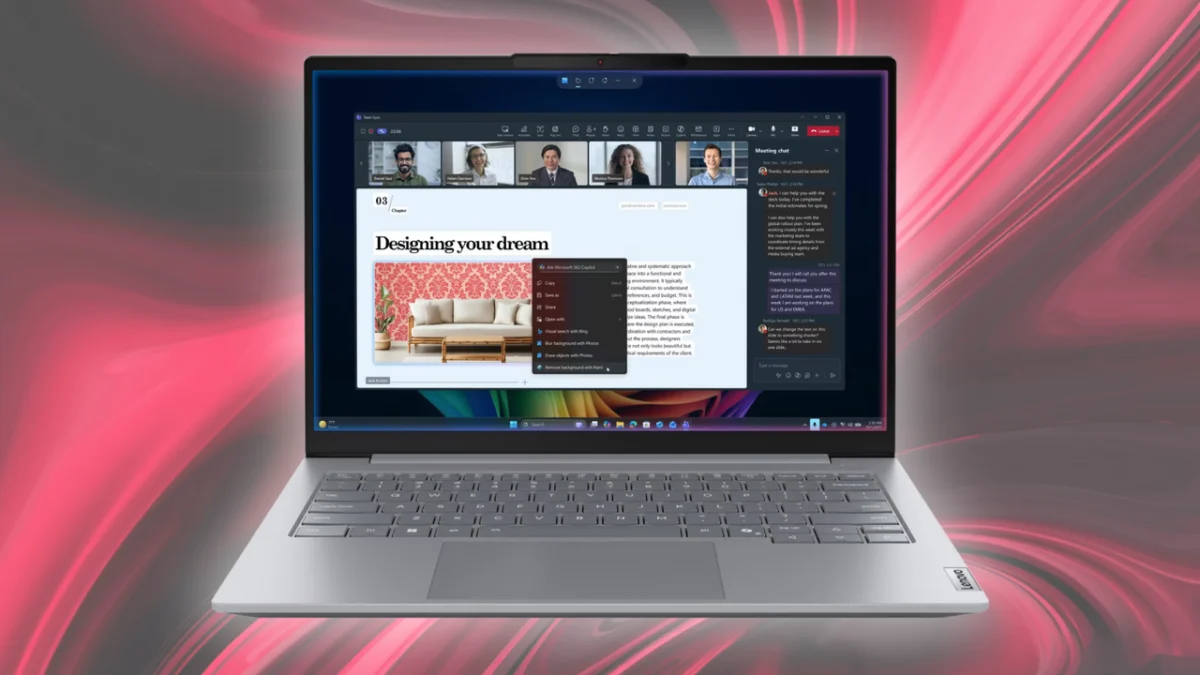
In a landmark development that underscores the deepening complexities of the global semiconductor supply chain, Lenovo has become the first major original equipment manufacturer (OEM) to ship a mainstream consumer laptop in the United States featuring a solid-state drive (SSD) manufactured by Yangtze Memory Technologies Co. (YMTC). The discovery, first reported by Notebookcheck following an extensive review of the Lenovo ThinkBook 14 G9 IPL, marks a significant departure from the traditional reliance on established memory giants like Samsung, SK hynix, and Micron.
As the global electronics industry grapples with a persistent supply-demand imbalance, this integration of Chinese-made storage components into a widely available U.S. consumer product signals a potential shift in how manufacturers navigate geopolitical restrictions, soaring component costs, and the relentless pressure to maintain inventory levels amidst an AI-driven infrastructure boom.
The Core Facts: A New Component in the ThinkBook 14 G9 IPL
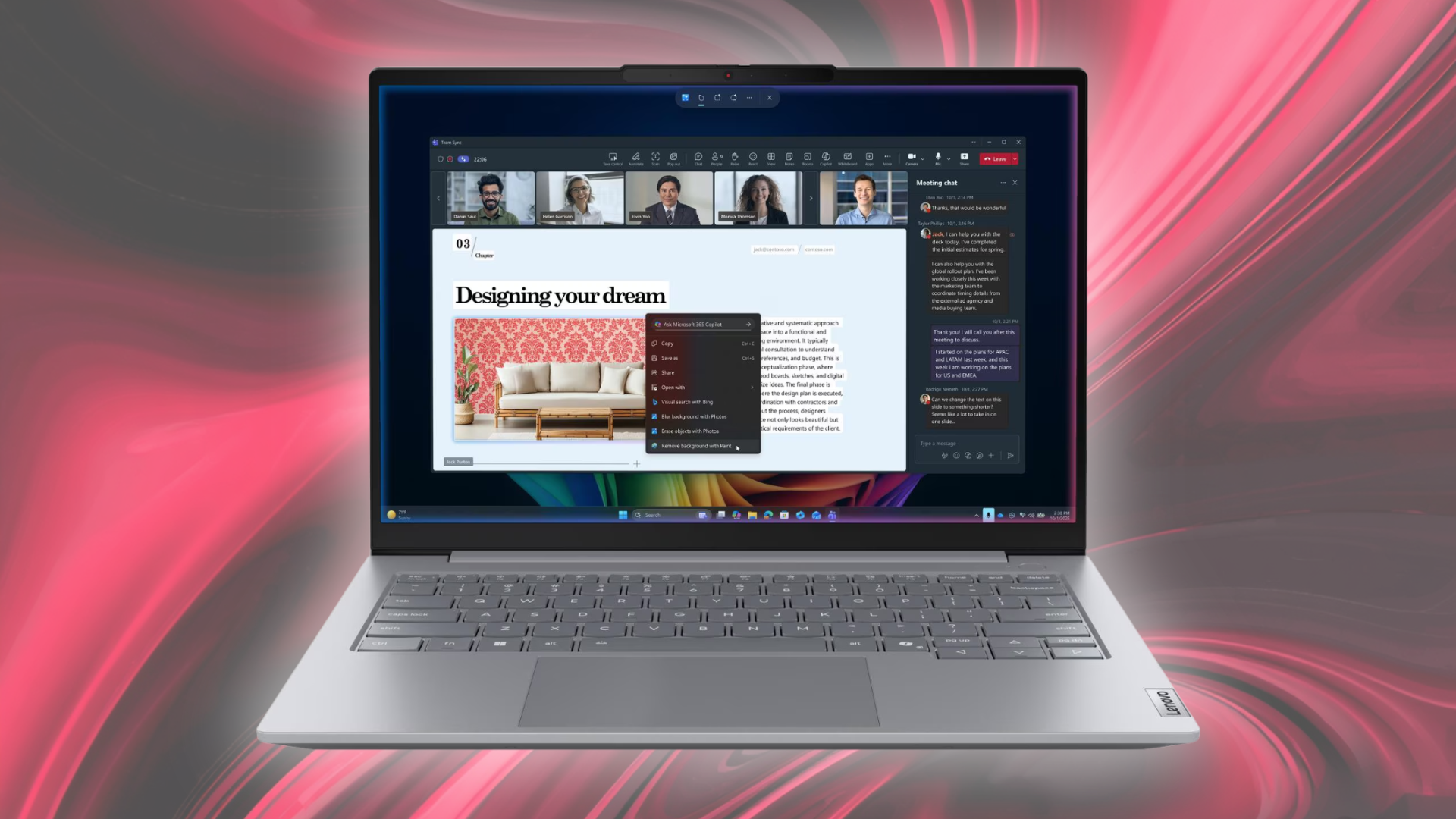
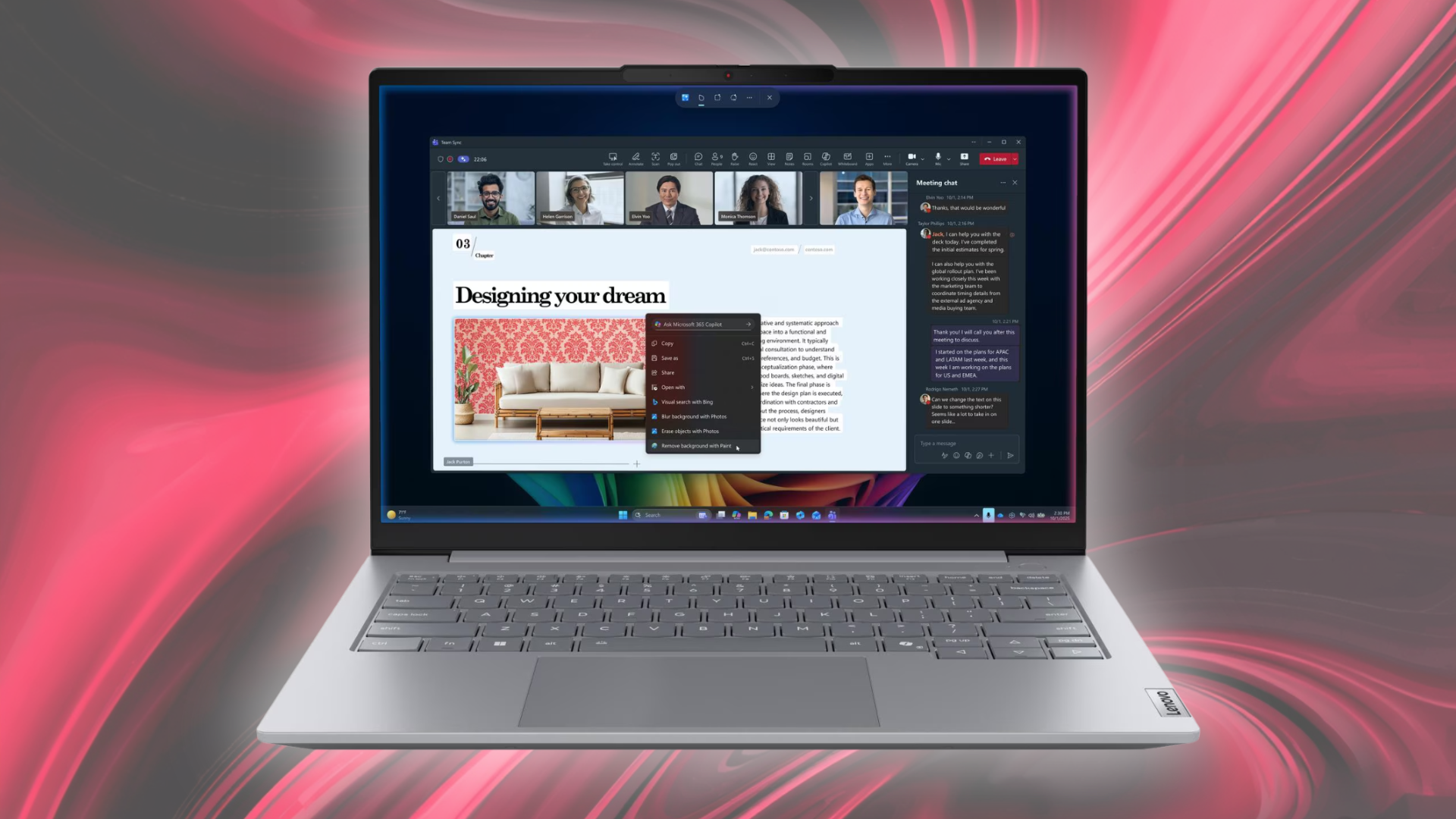
The Lenovo ThinkBook 14 G9 IPL, currently retailing on Amazon for approximately $1,124.25, has emerged as the focal point of this industry transition. Teardowns and performance analyses confirm that the device is equipped with a 512GB YMTC M.2 NVMe PCIe 4.0 SSD.
For the average consumer, this specification might appear unremarkable. However, for industry analysts and policy experts, the inclusion of YMTC hardware—a company currently under heavy scrutiny by the U.S. government—is a profound development. Unlike the premium SSDs typically found in flagship ultrabooks, the YMTC drive utilized in the ThinkBook 14 G9 is characterized by performance metrics that sit at the lower end of the spectrum for current-generation office laptops. While these drives provide adequate speed for general productivity, they do not currently challenge the performance benchmarks set by the industry’s top-tier manufacturers.
A Chronology of Conflict and Consolidation
The path to this moment has been paved by years of escalating trade tensions and shifting market dynamics.
The 2022 Blacklisting
In December 2022, the U.S. Department of Commerce officially added YMTC to its "Entity List." This move was designed to restrict the company’s access to American technology, effectively hampering its ability to acquire the specialized equipment and software necessary to push the boundaries of 3D NAND development. The designation was rooted in concerns over national security and the potential for YMTC’s technology to be diverted to support military modernization.
The 2023-2024 Memory Crunch
Following the blacklisting, the global memory market faced a perfect storm. The rapid acceleration of AI server deployments required an unprecedented volume of high-bandwidth memory (HBM) and enterprise-grade storage. As traditional manufacturers diverted production capacity to meet this lucrative AI demand, consumer-grade NAND flash prices surged. OEMs, facing declining profit margins and supply shortages, began scouting for alternatives to keep their production lines moving.
The 2025-2026 Procurement Shift
Throughout early 2026, reports emerged that major PC manufacturers—including HP and Dell—were exploring the feasibility of incorporating memory chips from Chinese suppliers like CXMT (ChangXin Memory Technologies) and YMTC. By the time of the ThinkBook 14 G9 release, the transition from "hypothetical scenario" to "retail reality" was complete.
Supporting Data: Market Dynamics and Industry Pressure
The move to integrate YMTC components is not merely a result of technical necessity but a reflection of a volatile market. According to recent industry data, global PC shipments saw a 7% contraction in the first quarter of 2026. Despite this industry-wide downturn, Lenovo has demonstrated remarkable resilience, growing its market share by 1.2% and solidifying its position as the world’s third-largest desktop and notebook manufacturer.
Cost vs. Performance
The decision to utilize YMTC hardware is a strategic trade-off. By sourcing storage chips locally within the Chinese manufacturing ecosystem, Lenovo can mitigate the price volatility associated with the global DRAM and NAND markets. While the performance of the YMTC drive is "below average," the target audience for the ThinkBook 14 G9—business professionals and enterprise IT departments—prioritize reliability and cost-efficiency over the raw throughput speeds required by high-end gaming or creative workflows.
The AI Buildout Impact
The surge in AI-related hardware spending has created a "supply squeeze" for the broader consumer electronics sector. As Micron, SK hynix, and Samsung prioritize high-margin AI contracts, the price of standard-grade components has remained stubbornly high. For an OEM like Lenovo, sourcing from YMTC provides a buffer against these inflationary pressures, ensuring that their budget-to-mid-range office lines remain profitable and, crucially, available for purchase.
Official Responses and Regulatory Nuance
The legality of this development is complex. While the U.S. Entity List prohibits American companies from exporting technology to YMTC, it does not explicitly ban companies headquartered in China from importing YMTC components into the United States, provided the final product complies with existing trade laws.
Because Lenovo is a multinational corporation with headquarters in China, it operates under a different set of constraints than domestic American OEMs. This allows Lenovo to bypass certain procurement bottlenecks that might hinder Dell or HP. However, the designation of both YMTC and CXMT as "Chinese military companies" creates a significant hurdle for enterprise procurement.
The Procurement Dilemma
For U.S. government agencies, defense contractors, and corporations operating in sensitive sectors, the inclusion of YMTC hardware in a standard office laptop creates an immediate compliance challenge. Procurement officers, tasked with vetting supply chains for security risks, are now forced to evaluate whether the presence of YMTC storage violates internal security policies or federal mandates.
Implications for the Future of the PC Market
The presence of YMTC hardware in a mainstream U.S.-market laptop suggests several long-term implications for the industry:
1. The Bipolarization of the Supply Chain
We are likely entering an era where the supply chain for consumer electronics becomes increasingly bifurcated. One ecosystem will rely on Western or Western-allied components, while a parallel ecosystem—driven by Chinese domestic innovation—will serve the domestic Chinese market and regions with fewer geopolitical restrictions. Lenovo’s ability to "bridge" these two worlds is both its greatest strength and its most significant liability.
2. A Challenge to "Premium" Standards
If YMTC continues to improve its NAND yields and performance, the "performance gap" currently observed by reviewers will shrink. Should these drives reach parity with their Western counterparts, the economic argument for using non-sanctioned suppliers will become overwhelming for all OEMs, regardless of their headquarters.
3. Increased Scrutiny on "Component Transparency"
This development will likely force retailers and manufacturers to provide greater transparency regarding the internal components of their laptops. As security-conscious consumers and organizations become aware of the provenance of their storage and memory chips, the demand for "traceable" supply chains will intensify.
4. The Potential for Further Regulatory Action
The U.S. government’s reaction to this development remains the biggest "wild card." Should the presence of YMTC hardware in U.S. laptops be viewed as a loophole that undermines the intent of the Entity List, it is highly probable that the Department of Commerce will move to tighten export controls or expand existing restrictions to cover the importation of devices containing blacklisted components, regardless of the brand’s origin.
Conclusion
The appearance of a YMTC SSD in the Lenovo ThinkBook 14 G9 IPL is more than just a minor technical curiosity; it is a manifestation of a fundamental shift in the global technology landscape. Lenovo has effectively navigated the pressures of a supply-constrained market by leveraging a domestic resource that much of the world has attempted to isolate. As the industry moves forward, the success—or failure—of this strategy will serve as a bellwether for the future of globalized electronics manufacturing. For now, the consumer is left with a choice: accept the trade-offs of a potentially controversial component for a more affordable, readily available machine, or navigate a market where the origin of one’s bits and bytes is no longer a given.