Iffa Jayyana
In an industry currently obsessed with open-world bloat, live-service grinding, and the relentless pursuit of photorealism, Square Enix and developer Claytechworks have delivered a refreshing, if narratively modest, corrective. The Adventures of Elliot: The Millennium Tales—the latest title from the studio’s Team Asano—arrives not as a revolutionary paradigm shift, but as a masterclass in refined, classic RPG design. It is a game that understands exactly what made the 16-bit and 32-bit eras of gaming so magnetic, stripping away the modern "fat" of RNG-driven loot and aggressive tutorials to focus on the core joy of exploration.
Main Facts and Overview
Released on June 18, 2026, for PC, PlayStation 5, Xbox Series X, and the Nintendo Switch 2, The Adventures of Elliot is an unapologetic love letter to the golden age of Japanese Role-Playing Games (JRPGs). Visually, the game employs the studio’s signature "HD-2D" aesthetic—a technique that marries crisp, high-fidelity pixel art with advanced lighting, depth-of-field, and fluid particle effects.
While the game is visually stunning, its mechanical structure is equally precise. Eschewing the industry-standard "games-as-a-service" model, Elliot avoids crafting trees, level-gated progression, and tedious RNG gear drops. Instead, it offers a tightly curated, exploration-focused experience that rewards player curiosity rather than raw statistical grinding.

Chronology and Narrative Framework
The story of The Adventures of Elliot unfolds across four distinct "ages," utilizing time-travel mechanics that serve both the plot and the gameplay loop. The narrative, while serviceable, is arguably the title’s weakest point. Players follow the titular Elliot through a quintessential quest: a princess in peril, a looming world-ending threat, and a journey of self-discovery.
The writing remains in the realm of the "perfectly adequate"—it never quite reaches the epic highs of the genre’s titans, nor does it sink into incoherence. It is a functional narrative vehicle that serves to move the player from one beautifully rendered location to the next. While there are a few genuinely clever twists, the majority of the plot beats are predictable, leaning heavily on established fantasy tropes. Despite this, the game’s charm is infectious; a standout line of dialogue, "You don’t seem at all surprised by my wife’s ears," highlights a quirkiness that prevents the writing from becoming truly tedious.
Supporting Data: Mechanical Depth
Beneath the familiar surface lies a deep, tactical combat system that emphasizes player agency over random chance. Weapon progression, for instance, is refreshingly deterministic. When a player acquires a legendary hammer or a bow, the weapon is fixed in its utility. There are no color-coded rarity tiers here. Instead, players seek out "Magicite" buffs, a system that introduces the only element of chance in an otherwise skill-based progression loop.
Combat and Progression
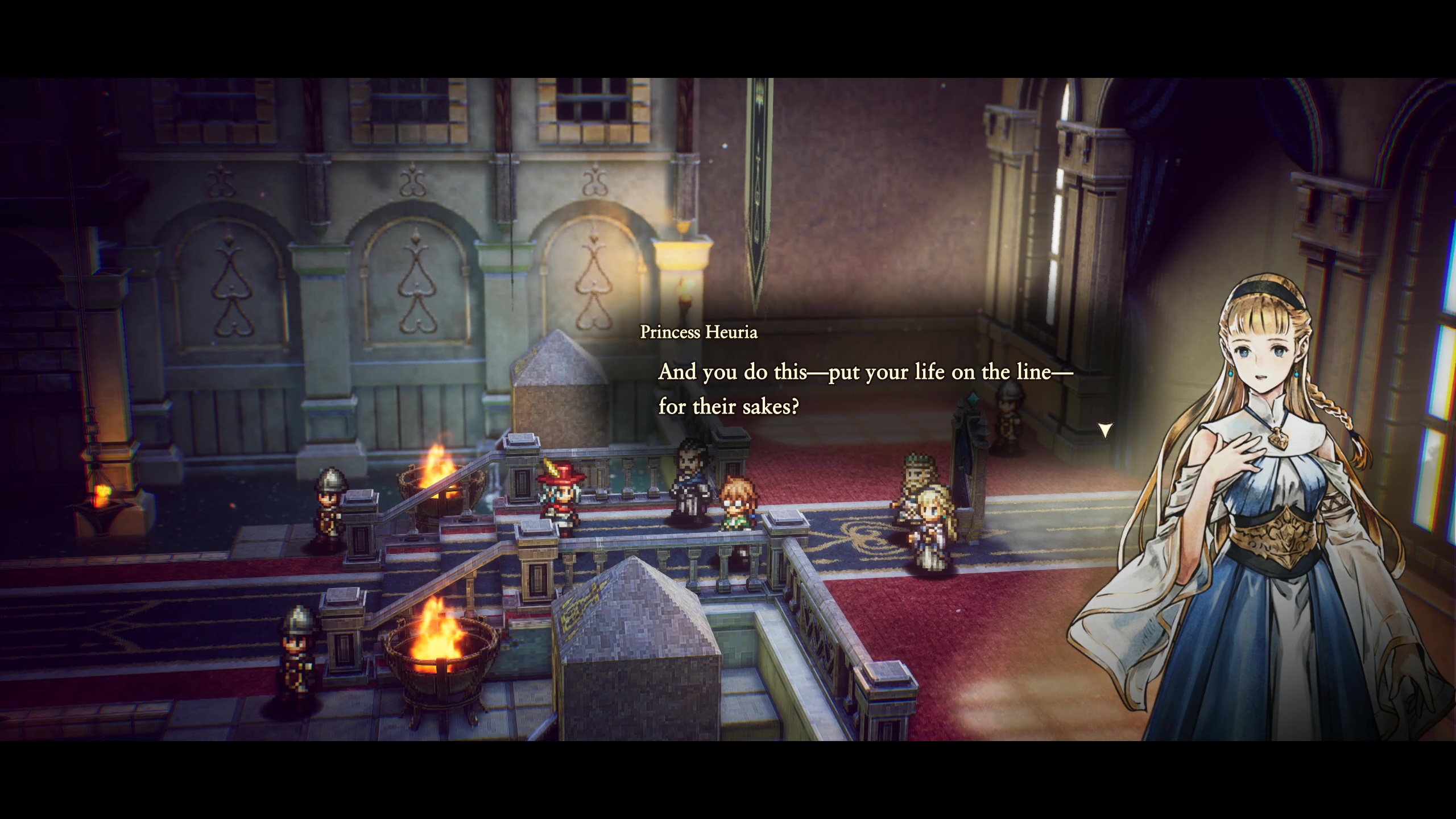
The transition from a companion-based healing system (the princess’s earrings) to a more aggressive fairy companion (Faie) marks a pivotal moment in the game’s mechanical evolution. As players lose their easy-access healing, they gain powerful offensive tools, such as the "Copy" ability, which allows the player’s companion to replicate their actions.
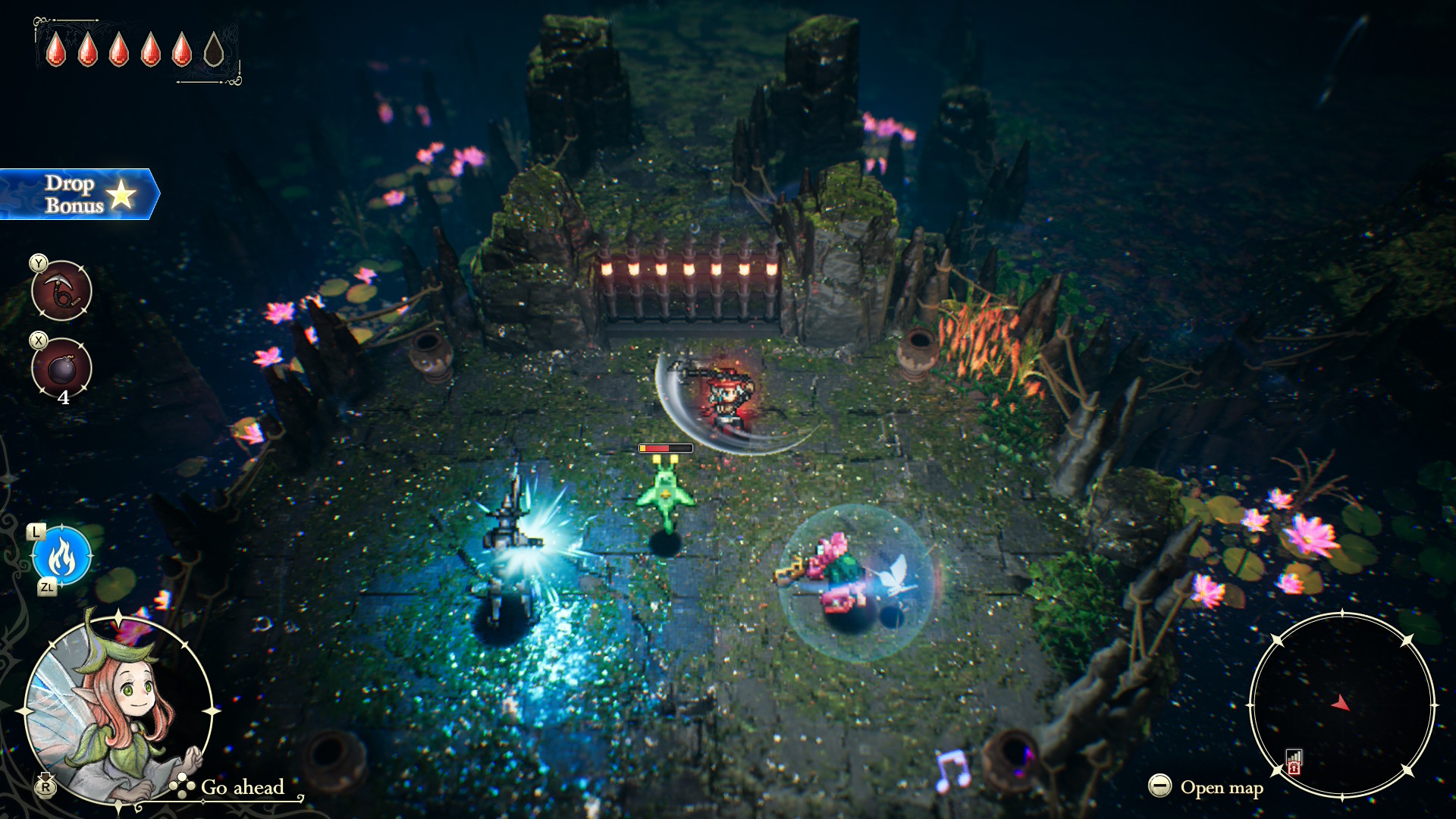
The economy of the game, centered on the currency "Tul," is similarly well-thought-out. Tul is not just for shopping; it is the currency of life itself. Since the companion Faie can resurrect the player on the spot, death becomes a financial decision. Players must constantly weigh the cost of a resurrection against the need for better gear or combat items. This creates a high-stakes tension, especially in the game’s well-paced dungeons.
Level Design
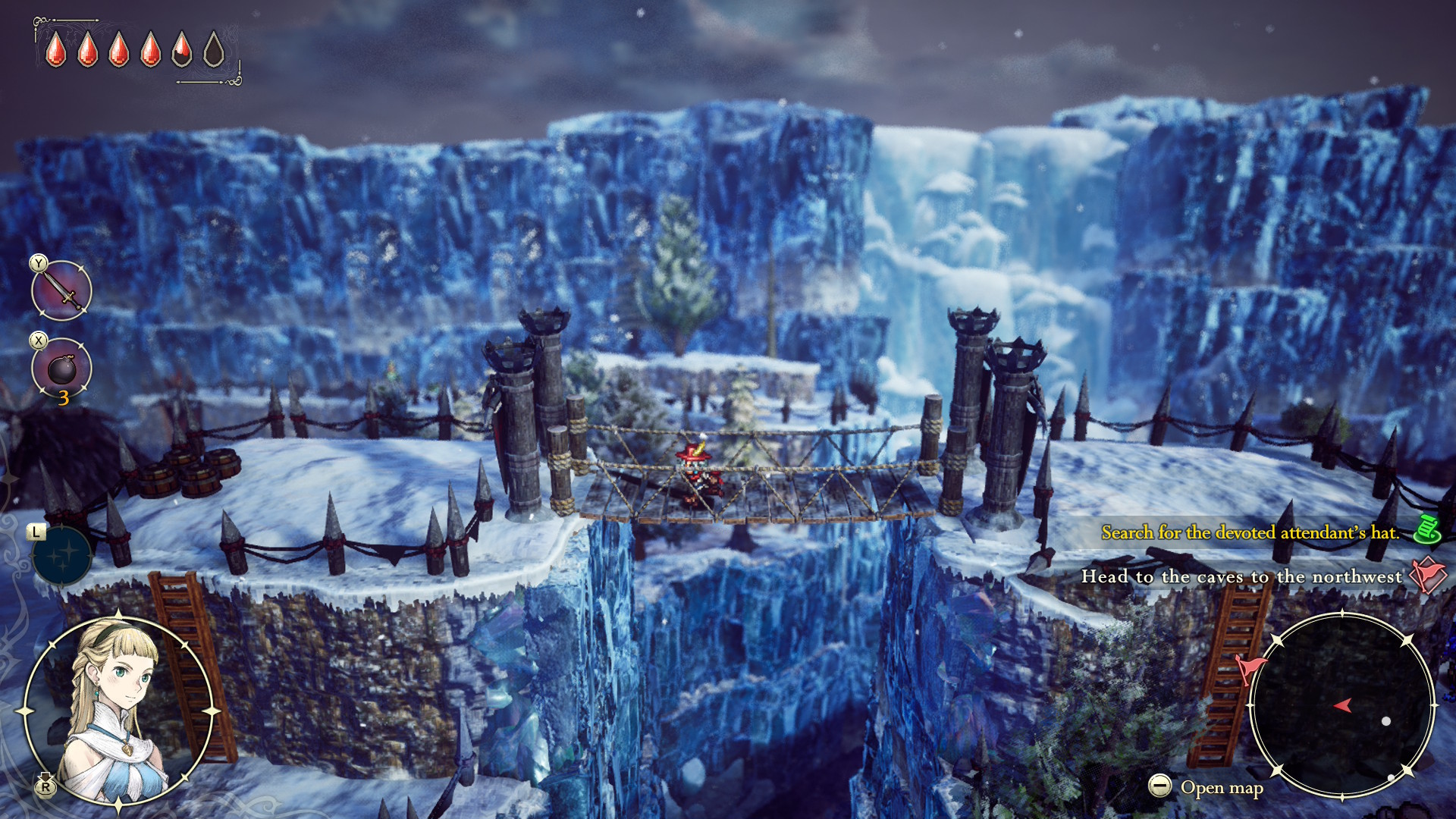
The dungeons in The Adventures of Elliot are a testament to efficient design. In an era where many RPGs force players to traverse massive, empty hallways to pad out the runtime, The Adventures of Elliot keeps its dungeons compact and intricate. They are puzzles unto themselves, encouraging the player to loop back, find shortcuts, and master the spatial logic of the environment.
Official Responses and Developer Intent
Team Asano, the developers behind the project, have made their intentions clear: they are aiming to provide an experience that is "expansive without being intimidating, and varied without being overwhelming." By keeping the overworld consistent across the four ages, they ensure that the player is never lost. If a path is blocked in one age, the player is implicitly invited to investigate another time period to uncover a solution.
The decision to limit the number of bosses that require parrying is also a calculated one. By making parrying an optional skill for most encounters and a mandatory one for only two specific boss fights, the developers avoid alienating players who prefer a more traditional hack-and-slash or tactical approach to combat.
Implications for the Genre
The Adventures of Elliot sets a high bar for how modern developers should approach nostalgia. By adopting the "HD-2D" visual style and stripping away the modern industry’s reliance on engagement metrics and randomized rewards, the game makes a compelling argument for the "less is more" philosophy.
The implications for the industry are significant. If The Adventures of Elliot finds commercial success—which its polish and accessibility suggest it will—it could signal a move away from the hyper-bloated, 100-hour-plus RPGs that currently dominate the market. It proves that players are still hungry for "tightly designed" experiences that respect their time while delivering a high-quality, memorable journey.
Furthermore, the game’s approach to post-game content is commendable. The "true ending," which requires a fetch quest spanning all four ages, could have been a chore. Instead, it feels like a victory lap. Because the exploration is inherently satisfying and the map is littered with helpful shortcuts, the final hunt for items feels like an organic conclusion to the adventure rather than a forced extension of the gameplay.
Final Verdict
The Adventures of Elliot: The Millennium Tales is a triumph of design. It manages to feel like a classic, warm, and comfortable experience while simultaneously utilizing modern technological advancements to make the world feel alive and responsive.
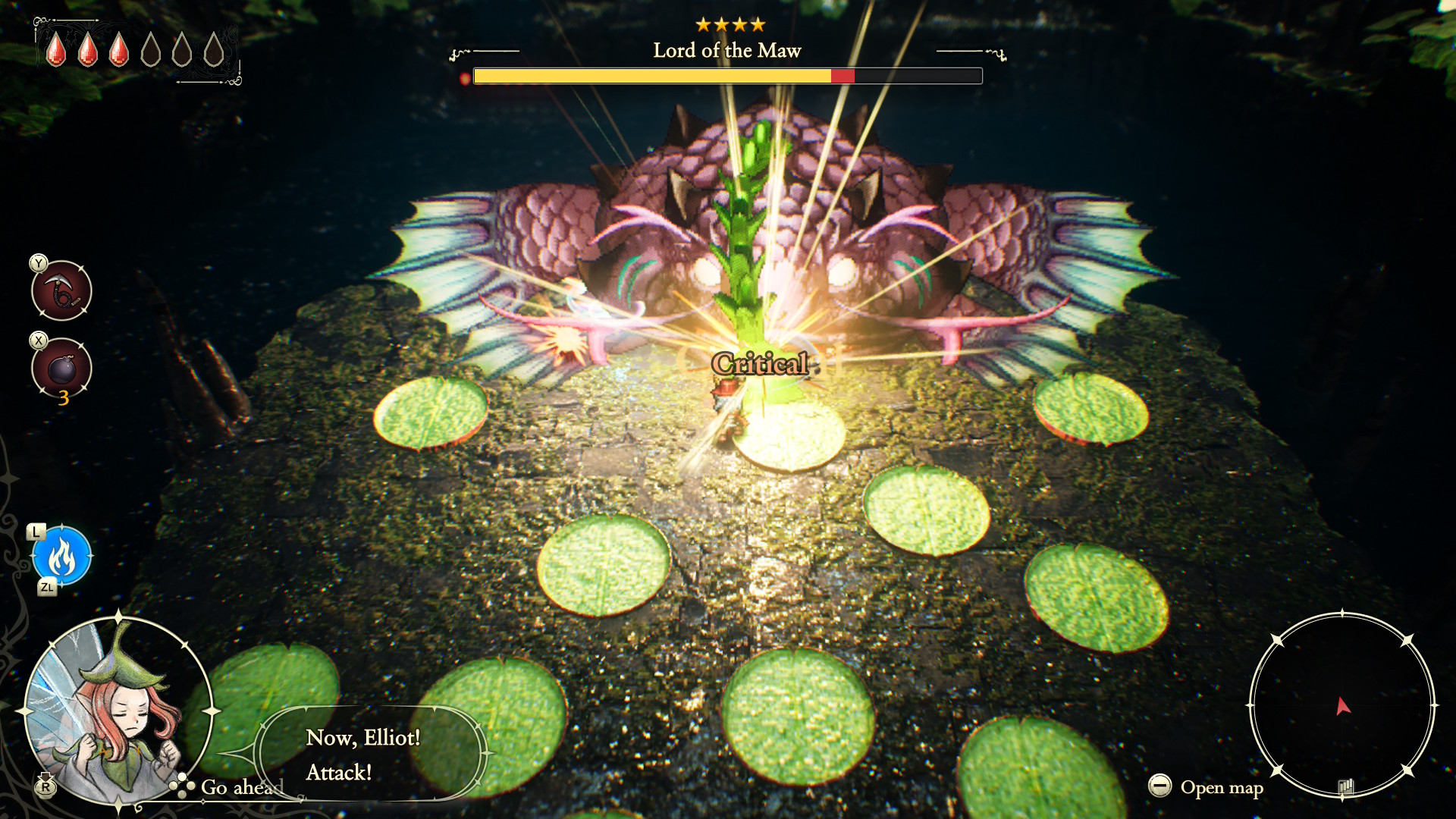
While the narrative may not challenge the player’s worldview or set a new standard for storytelling in games, it is more than enough to anchor the player through a 30-to-40-hour journey of discovery. The combat is punchy, the dungeons are smartly constructed, and the aesthetic is nothing short of breathtaking.
For fans of the genre, The Adventures of Elliot is not just a reminder of the "Good Old Days"; it is a bold statement that the design philosophies of the past still have a massive amount of value in the present. If this is the direction in which Team Asano is heading, the future of the classic JRPG looks brighter than it has in years.
Whether you are a newcomer to the genre or a seasoned veteran who cut their teeth on 16-bit classics, The Adventures of Elliot offers something that is increasingly rare in modern gaming: a complete, polished, and consistently enjoyable experience from start to finish. It is, by almost every metric, an essential purchase for any RPG fan in 2026.


 Asro
Asro