Asep Darmawan
The landscape of digital entertainment is currently facing a silent, creeping crisis: the rise of "lost media" within the streaming era. For decades, film and television preservation relied on physical media—VHS tapes, DVDs, and Blu-rays—that ensured content remained accessible long after its initial broadcast. However, the consolidation of content behind subscription-based streaming platforms has introduced a new, precarious reality. When a licensing agreement lapses or a platform shifts its strategy, shows can simply vanish from the digital map.
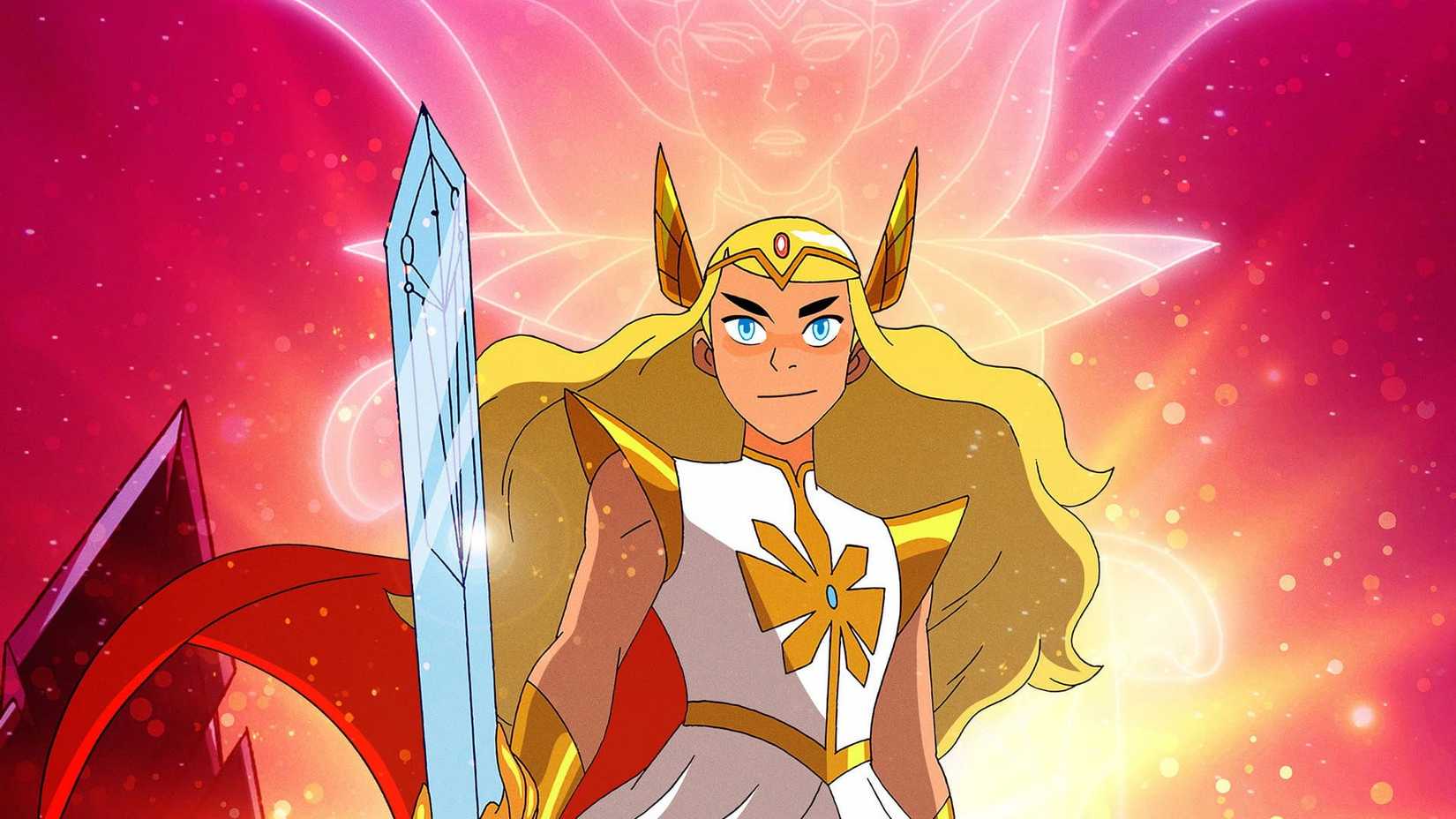
The most recent and high-profile casualty of this phenomenon is the critically acclaimed animated series She-Ra and the Princesses of Power. Despite being branded as a "Netflix Original," the series—a reboot of the iconic 1980s Masters of the Universe property—was removed from the streaming giant’s catalog in February 2026. Five months later, the show remains effectively inaccessible, leaving a void for fans and sparking a broader conversation about the fragility of digital-only content.
The Mechanics of Disappearance: Why Shows Go "Lost"
To understand why a show with a 96% critical approval rating on Rotten Tomatoes can disappear, one must look at the fine print of modern distribution. Netflix often secures content through exclusive licensing agreements with production houses—in this case, DreamWorks Animation. These contracts are not perpetual; they have expiration dates. When the clock runs out on a license, the content must be pulled from the platform unless a renewal agreement is struck.
In the case of She-Ra, the licensing deal concluded in early 2026. Unlike other Netflix-distributed series that eventually migrate to different services—such as the transition of the Marvel-Netflix shows like Daredevil to Disney+—She-Ra has yet to find a new home. This leaves the series in a state of "digital limbo." Because Netflix rarely authorizes physical media releases for its licensed content, the removal of the show from the platform effectively strips the public of their ability to watch it legally.
A Chronology of the Crisis
The decline of She-Ra’s accessibility has been a gradual, frustrating process for its dedicated fanbase.
- 2018–2020: She-Ra and the Princesses of Power, spearheaded by showrunner ND Stevenson, debuts to widespread acclaim. Over five seasons, it establishes itself as a landmark in animated storytelling, particularly for its progressive representation of LGBTQIA+ characters.
- 2020–2025: While the show enjoys immense popularity, it receives a fragmented release strategy. Seasons 1 through 3 see limited physical and digital releases, providing a lifeline for some collectors. However, seasons 4 and 5 remain locked exclusively behind the Netflix subscription wall.
- February 2026: Netflix removes the entire series from its catalog following the expiration of its licensing agreement with DreamWorks Animation.
- July 2026: Five months post-removal, the series remains unavailable on any major streaming platform. The physical copies of the first three seasons have become scarce, with Amazon and other retailers reporting them as unavailable or out of stock, while the final two seasons have never received a home media release.
The Impact on Queer Representation and Cultural Legacy
The removal of She-Ra is not merely a loss of entertainment; it is a loss of a cultural touchstone. The series is widely regarded as a pivotal piece of media for the LGBTQIA+ community. Its central narrative—the complex "enemies-to-lovers" arc between Adora and Catra—was hailed for its emotional depth and genuine portrayal of queer identity.

By removing the final two seasons, Netflix has effectively erased the resolution of this journey. The season 5 finale, which features the couple’s first on-screen kiss and a defining "I love you," is now inaccessible to new audiences. For many viewers, She-Ra was a sanctuary—a show that provided thoughtful, respectful, and joyful representation. To make this narrative "unwatchable" is to deny future generations of viewers access to a story that defined a generation of animation.
The lack of access is particularly stinging given that the show won a Daytime Emmy and a GLAAD Award, proving that its value transcends mere viewership metrics. It was, and remains, a critical darling that deserves preservation.
The Physical Media Gap: A Case Study in Inefficiency
The She-Ra situation highlights the dangerous reliance on streaming-only distribution. For most television series in the pre-streaming era, syndication and physical media ensured that if a network dropped a show, it could be found on DVD or via reruns. Today, the "digital-only" model creates a single point of failure.
While the first three seasons of She-Ra did receive a limited physical release, the total absence of seasons 4 and 5 on Blu-ray or VOD services like Fandango at Home is a significant failure of the distribution model. Even if a fan is willing to pay to own the show, they are prevented from doing so. This creates a secondary market nightmare where the only options for viewing are through unauthorized, low-quality pirate sites, which undermines the creators’ rights and denies the animation studio potential revenue.
Potential Paths to Recovery
Despite the current bleak outlook, there are several avenues through which She-Ra and the Princesses of Power could be saved from permanent "lost media" status.
1. New Licensing Agreements
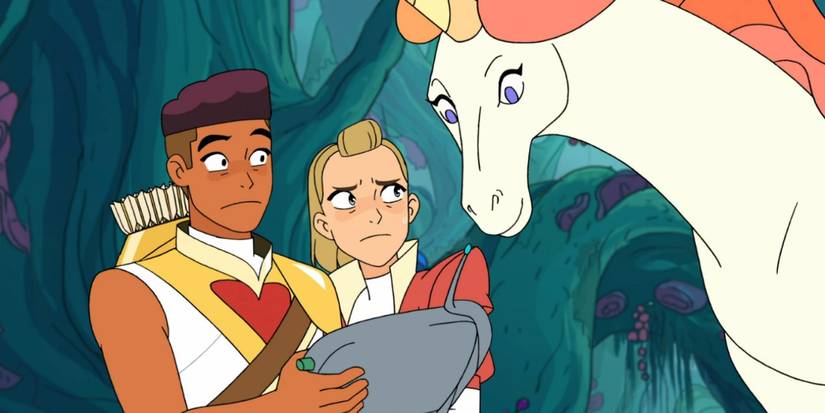
The most straightforward path is for DreamWorks Animation to lease the streaming rights to another platform. Given the high demand for the show and the vocal nature of its fanbase, it would be a logical acquisition for a service like Peacock. As a subsidiary of NBCUniversal, which owns DreamWorks, Peacock is the most natural home for the series. Moving the show there would consolidate the franchise under one corporate umbrella and restore access to the complete five-season run.
2. The Amazon Prime Factor
Amazon holds the rights to the broader Masters of the Universe franchise. Following the lackluster box-office performance of the 2026 Masters of the Universe feature film, the company is likely looking for ways to revitalize interest in the IP. Incorporating She-Ra into the Prime Video library could serve as a strategic play to drive engagement with the franchise, potentially cross-promoting the animated series to viewers of the live-action films.
3. Physical Media Restoration
There is always the possibility of a "complete series" box set. Given the public outcry regarding the show’s removal, there is a clear market for a high-quality Blu-ray release of all five seasons. If DreamWorks recognizes the demand, they could bypass the streaming wars entirely and provide a permanent, tangible way for fans to preserve the series.
Implications for the Future of Streaming
The disappearance of She-Ra serves as a warning for the entire entertainment industry. We are currently living in a "Great Erasure," where the convenience of streaming is being bought at the cost of ownership and longevity. When platforms treat television shows as disposable assets to be licensed, dropped, and forgotten, they treat the audience as mere metrics rather than patrons of the arts.
If we want to avoid a future where our favorite stories are subject to the whims of corporate licensing contracts, the industry must pivot toward more robust preservation efforts. This includes mandatory physical media releases for long-running series, or at the very least, a commitment to "non-exclusive" digital distribution that ensures content can always be purchased if it is removed from a subscription service.
For now, She-Ra and the Princesses of Power remains in the shadows. It is a cautionary tale of what happens when a show’s legacy is left to the mercy of a streaming algorithm. The Princesses of Etheria may be gone from our screens today, but the demand for their return proves that they are far from forgotten. Until a new home is found, the story of Adora and her friends remains a ghost in the machine—a brilliant piece of modern fantasy waiting for someone to unlock the gates and let the light back in.


 Pevita Pearce