Reynand Wu
In a significant move that highlights the power of community advocacy in the technology sector, AMD has officially confirmed it will reinstate Transparent Secure Memory Encryption (TSME) on its latest consumer-grade Ryzen 9000 series desktop processors. This decision comes after a period of intense scrutiny from security researchers and tech enthusiasts who discovered that the feature—previously a staple of AMD’s architecture—had been quietly disabled in recent firmware updates.
The reinstatement, scheduled for a July rollout, marks a victory for users who prioritize hardware-level security, even on consumer-tier systems. While TSME is primarily designed to mitigate specific, high-level physical threats, its removal without prior public notice had sparked concerns regarding AMD’s transparency and its long-term commitment to security features for the general consumer market.
The Core of the Conflict: What is TSME?
Transparent Secure Memory Encryption (TSME), often marketed as "AMD Memory Guard" within the company’s enterprise-focused Ryzen PRO lineup, is a sophisticated security mechanism implemented at the silicon and firmware levels.
At its most fundamental level, TSME works by using the processor to generate a unique encryption key that secures data stored within the system’s RAM. In the event of a "cold boot attack"—a scenario where an attacker with physical access to a machine performs a forced reboot and attempts to read sensitive data remnants directly from the memory modules—TSME renders that data unintelligible.
For the average home user, the risk of a cold boot attack is admittedly low. However, for power users, researchers, and professionals who handle sensitive data on their personal workstations, the presence of such encryption provides a necessary "defense-in-depth" layer. The silent removal of this feature through the AGESA (AMD Generic Encapsulated Software Architecture) 1.2.7.0 firmware update effectively stripped these users of a capability they had previously enjoyed, causing a significant stir within the hardware community.
A Chronological Breakdown of the Controversy
The path to this resolution was neither short nor straightforward. It involved a series of investigative steps, a wall of silence from corporate channels, and a grassroots push for accountability.
The Initial Discovery
The controversy began earlier this year when security analysts noticed that the familiar BIOS toggle for Memory Guard had vanished from motherboards utilizing the latest AGESA firmware. Ben Kilpatrick, writing for Ars Technica, brought the issue to light after performing a routine security audit on a system equipped with the Ryzen 7 9700X. Upon discovering that the TSME functionality was missing, Kilpatrick engaged with motherboard manufacturer MSI, which confirmed that the feature was indeed supported by the hardware but had been explicitly disabled by AMD in the 1.2.7.0 firmware release.
The "Radio Silence" Phase
Following the discovery, the community attempted to seek clarification through official channels. Kilpatrick filed a bug report on AMD’s GitHub repository, hoping to get a technical explanation for the change. The response, provided by Mario Limonciello, a senior principal software engineer at AMD, was notably curt: "My apologies, but I don’t have any more information to share on this topic."
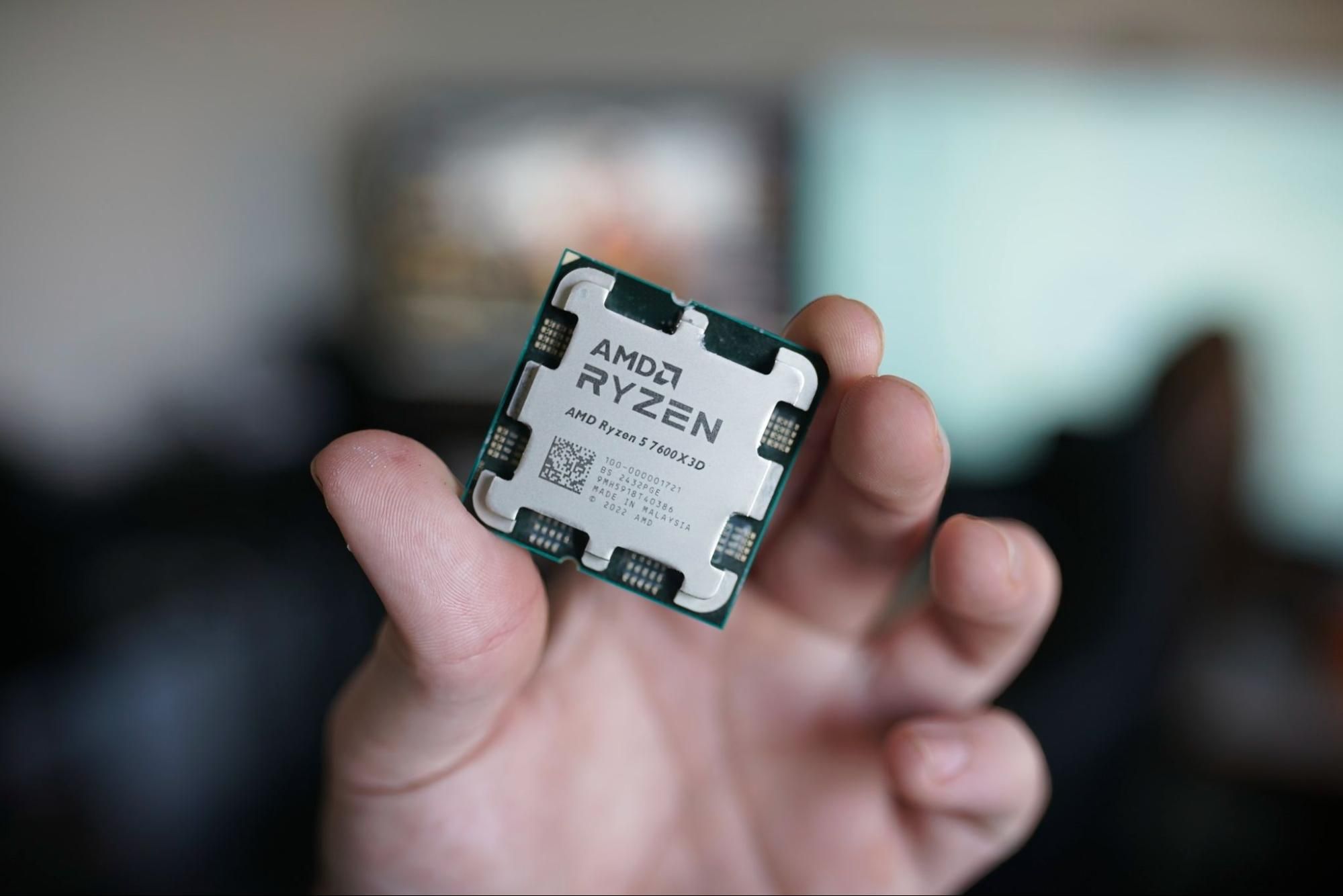
This lack of transparency led to widespread speculation. Many in the industry posited that AMD was intentionally disabling security features on consumer Ryzen chips to create a clearer, more lucrative distinction between the "consumer" segment and the "PRO" business segment. The perception that a security feature was being used as a market segmentation tool did not sit well with the enthusiast community.
The Turning Point: Community Feedback
The turning point arrived as technical publications, including Tom’s Hardware, began to apply pressure. The narrative shifted from a technical quirk to a matter of corporate accountability. Realizing that the quiet removal of a security feature was causing reputational damage, AMD began to re-evaluate its stance. The company ultimately attributed the decision to reverse course to "valuable community feedback," effectively conceding that the removal of TSME was an error in judgment.
Supporting Data and Technical Implications
To understand why this matters, one must look at the evolution of memory security in consumer CPUs. Since the introduction of the Ryzen 3000 series (notably the Ryzen 7 3700X), AMD had maintained that consumer CPUs were capable of supporting these enterprise-grade encryption features.
Why Security Matters for Enthusiasts
The democratization of encryption is a pillar of modern computing. As users increasingly utilize their personal machines for remote work, cryptocurrency storage, and the processing of sensitive personal documents, the "perimeter" of security has expanded. While most malware is software-based and thwarted by OS-level encryption (like BitLocker), hardware-based memory encryption protects against a different class of threat: the physical extraction of data.
The Firmware-Hardware Divide
A crucial aspect of this story is the role of the AGESA firmware. AGESA acts as the bridge between the motherboard BIOS and the CPU silicon. By restricting features within AGESA, AMD can effectively "lock" features that are physically present in the silicon. The fact that the hardware remained capable of encryption even while the firmware prevented its use highlights the control companies wield over the products users have already purchased. The reinstatement in July will essentially re-enable these latent capabilities, requiring nothing more than a motherboard BIOS update from the user.
Official Response: AMD’s Commitment
In an exclusive statement provided to Tom’s Hardware, AMD sought to clarify its position and soothe customer concerns regarding the future of its security offerings.
"We take the security of our customers’ data very seriously," the company stated. "AMD Memory Guard (Transparent Secure Memory Encryption, or TSME) is a hardware-based memory encryption technology available on our Ryzen PRO desktop and mobile processors where supported in silicon. It is a foundational security feature, and we have no plans to remove support from our Ryzen PRO lineup. This commitment holds now and in the future."
Crucially, the statement addressed the consumer Ryzen 9000-series specifically:
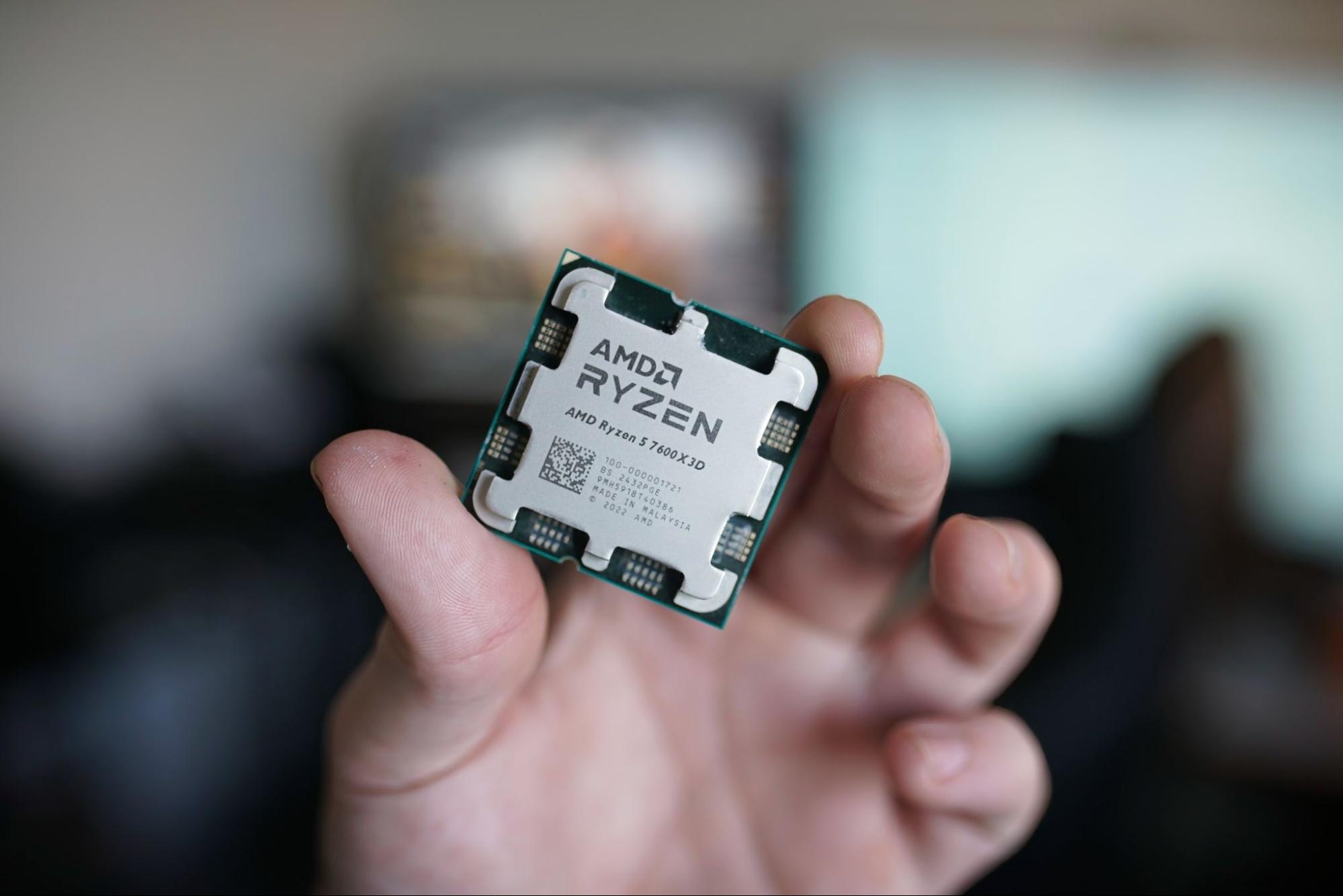
"Regarding certain non-PRO Ryzen 9000-series desktop processors, a BIOS option to enable Memory Guard was previously available but was removed in a recent update. Based on valuable community feedback, we will reinstate this option in an upcoming BIOS release in July."
This statement is significant for three reasons:
- Validation: It confirms that the removal was indeed an intentional change to the BIOS options, rather than a technical glitch.
- Accountability: By citing "community feedback," AMD acknowledges that the outcry had a direct impact on their product roadmap.
- Reassurance: By explicitly stating that TSME is a "foundational security feature," they have set a precedent that it should not be treated as a disposable luxury or a marketing differentiator.
Broader Implications for the Hardware Industry
The AMD TSME incident serves as a microcosm of the current state of consumer-vendor relations in the PC hardware space.
The Transparency Standard
Modern consumers are more technically literate than ever before. When a major manufacturer makes "silent" changes to hardware capabilities via firmware, there is a high probability that the community will notice. Companies that opt for transparency, even when making unpopular decisions, generally fare better in the long run than those that attempt to hide behind "radio silence."
Security as a Feature vs. Security as a Right
One of the key debates sparked by this incident is whether security features like memory encryption should be standard on all products or restricted to "Professional" tiers. While the PRO lineup offers advanced manageability and validation features that are unnecessary for most gamers, the core security of data at rest in RAM is arguably a baseline requirement for any modern computer. By reinstating TSME, AMD has implicitly acknowledged that security is not a "premium" feature to be gated, but a fundamental expectation of the user base.
The Role of Independent Journalism
The investigative work by outlets like Ars Technica and Tom’s Hardware proved essential in this situation. Without the initial report and the follow-up inquiries, it is unlikely that the community feedback would have reached the desk of the decision-makers at AMD. This incident reaffirms the vital role that independent tech journalism plays in holding tech giants accountable for changes that affect user security and device longevity.
Conclusion: Looking Ahead
As July approaches, users with Ryzen 9000 series processors should keep an eye on their motherboard manufacturer’s support pages for upcoming BIOS updates. Once these updates are applied, the ability to toggle Memory Guard will return, restoring the peace of mind that many users lost earlier this year.
This incident should serve as a wake-up call for the entire semiconductor industry. The hardware-software ecosystem is becoming increasingly complex, and consumers are becoming increasingly protective of their privacy and data security. Moving forward, the industry would be wise to adopt a "security-first" approach, ensuring that features designed to protect the user are never treated as negotiable in the pursuit of market segmentation. AMD’s decision to listen and adapt is a positive step, but it also highlights the necessity for constant vigilance from the user community to ensure that "security" remains a top priority, not an optional setting.


 Dwi Wanna
 Jia Lissa