Nana
Nana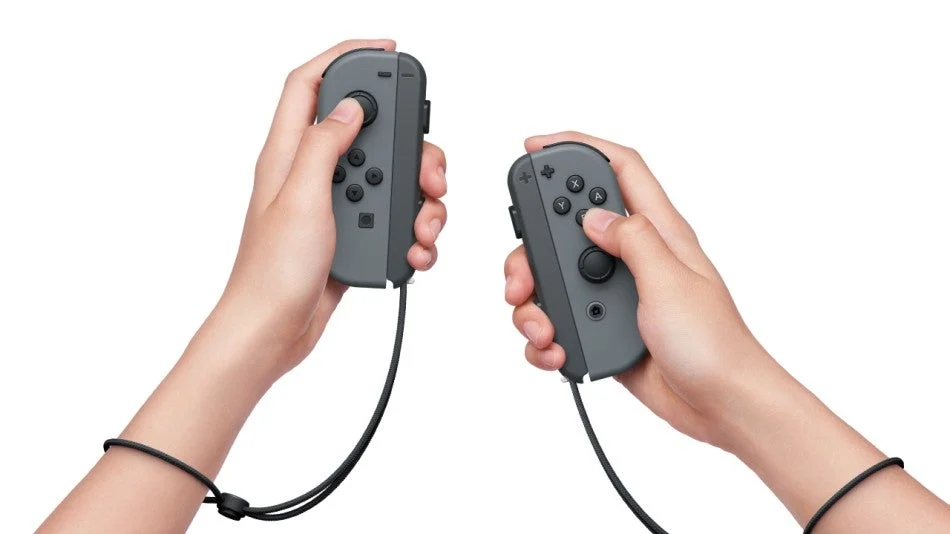
Nintendo of Europe has reached an amicable, albeit costly, resolution with French authorities regarding the long-standing "Joy-Con drift" controversy. Following an extensive investigation by France’s General Directorate for Competition, Consumer Affairs and Fraud Control (DGCCRF), the gaming giant has agreed to pay a €35 million fine. The settlement marks a significant milestone in a years-long battle over the durability of the Nintendo Switch’s signature hardware, casting a spotlight on the company’s transparency and its obligations to consumers regarding the longevity of its products.
The Core Conflict: What is "Joy-Con Drift"?
For those uninitiated in the world of Nintendo Switch gaming, "Joy-Con drift" refers to a mechanical failure in the console’s detachable controllers. Users report that the analog sticks register movement—"drifting" in one direction—even when the player is not touching the controller. This creates a debilitating experience for gamers, as characters move on their own, cameras spin uncontrollably, and menu selections become nearly impossible to navigate.
The issue is not merely an annoyance; it is a fundamental hardware defect that renders the controllers unusable for precision-based games. Since the Switch’s launch in 2017, thousands of reports have flooded forums, social media, and consumer advocacy groups, leading to questions about the structural integrity of the components used by Nintendo.
Chronology of the Dispute
The saga of the Joy-Con drift is marked by a steady escalation of consumer frustration and regulatory intervention.
2017–2018: The Emergence of Defects
Shortly after the Nintendo Switch hit shelves in March 2017, early adopters began noticing inconsistent responsiveness in the analog sticks. By 2018, the problem had evolved from a fringe issue into a widespread phenomenon. According to the DGCCRF’s investigation, internal documentation suggests that Nintendo was aware of these technical defects as early as 2018. However, at this stage, the company remained largely silent, continuing to market and sell the hardware without public acknowledgment of a design flaw.
2019: The "Planned Obsolescence" Allegations
The issue reached a boiling point in 2019. The French consumer advocacy group UFC-Que Choisir formally accused Nintendo of "planned obsolescence"—a legal term denoting the intentional design of a product with a limited or shortened lifespan to force future purchases. UFC-Que Choisir argued that even as Nintendo released minor hardware updates, the drift defect persisted, suggesting that the company knew the fix was inadequate.
2020: Regulatory Intervention
Prompted by the mounting consumer complaints and the formal pressure from UFC-Que Choisir, the French National Investigation Service (SNE), a branch of the DGCCRF, launched a formal inquiry. In 2020, Nintendo finally began to publicly acknowledge the drift issue in specific markets, offering free repairs in some regions. However, the French regulators argued that this action was "too little, too late."
2024–2026: The Legal Reckoning
The investigation culminated in the 2026 settlement. While Nintendo avoided a protracted court trial, the €35 million penalty represents one of the largest regulatory fines imposed on a gaming company for consumer protection violations in recent memory.
Supporting Data: The Scale of the Problem
The scope of the Joy-Con drift issue extends far beyond the borders of France. The data provided by various consumer organizations paints a bleak picture of the hardware’s reliability.
- The UK Consumer Perspective: In a comprehensive study, the UK consumer watchdog Which? claimed that nearly 40% of original Nintendo Switch Joy-Con controllers were eventually affected by some form of drift. This suggests that the issue was not an outlier defect, but a systemic failure inherent in the controller’s design.
- The Global Wave of Litigation: The issue became a lightning rod for class-action lawsuits globally. In the United States, several lawsuits were filed against Nintendo alleging breach of warranty and unfair business practices. While a major U.S. class-action suit was dismissed in 2024—with the judge citing the effectiveness of Nintendo’s voluntary repair program—the litigation served to force the company to provide free, no-questions-asked repairs in several regions, including the U.S. and Europe.
Official Responses: Nintendo’s Stance
Nintendo of Europe has maintained a carefully constructed narrative throughout the legal process. In a statement released following the announcement of the €35 million fine, the company was quick to distance itself from the accusation of bad faith.
"Nintendo denies ‘intentionally misleading consumers,’" the company stated, characterizing the agreement as an "amicable resolution." The company emphasized that the settlement "does not constitute an admission of guilt and reflects only the amicable resolution of legal proceedings."
By framing the settlement as a resolution rather than a concession, Nintendo is attempting to preserve its reputation for quality, a cornerstone of the company’s brand identity. They argue that their internal processes were focused on iterative improvement rather than deception. However, the DGCCRF remains unconvinced, maintaining that the failure to disclose known defects between 2018 and 2020 was a clear violation of consumer trust and transparency laws.
Implications for the Gaming Industry
The settlement in France sets a dangerous precedent for hardware manufacturers in the video game space. It serves as a reminder that "planned obsolescence" is no longer a vague complaint in a customer forum; it is a regulatory target.
1. The Burden of Transparency
Hardware manufacturers are now on notice that failing to disclose known defects is a high-stakes gamble. The French decision establishes that companies have a duty to inform consumers as soon as a systematic flaw is identified, rather than waiting for public pressure to force their hand.
2. Consumer Protection Laws in the Digital Age
The case highlights the increasing power of national consumer protection agencies in the digital era. With hardware becoming more complex and integrated into everyday life, regulators are adopting a more aggressive stance to ensure that companies do not prioritize profit margins over product longevity.
3. The Future of Hardware Design
This controversy has forced Nintendo—and arguably the wider industry—to re-evaluate the components used in controllers. The industry is currently moving toward "Hall Effect" joysticks, which use magnets rather than physical contact points to register movement, effectively eliminating the mechanical wear and tear that leads to drift. The pressure applied by regulators like the DGCCRF has arguably accelerated the adoption of these more durable technologies in newer console iterations.
Conclusion
The €35 million fine against Nintendo of Europe is a significant victory for consumer advocacy. While Nintendo continues to frame the event as an amicable resolution, the sheer scale of the fine reflects the severity of the DGCCRF’s findings. For Nintendo, the challenge now lies in rebuilding trust with a player base that remains wary of its hardware longevity.
As the gaming industry continues to evolve, this case will likely be cited as a landmark moment in the ongoing debate over the rights of consumers to own products that function as advertised. Whether or not this fine leads to a fundamental shift in how hardware companies communicate with their users remains to be seen, but one thing is clear: the era of silent product defects is coming to an end.


 Layla Zulfa
 Laily UPN