Evan Lee Salim
Valve has officially pulled the curtain back on SteamOS 3.8, a significant milestone in the evolution of its Linux-based operating system. Following an extensive beta testing period, this stable release represents more than just a routine update; it is a foundational shift in how Valve approaches desktop hardware, handheld performance, and the long-rumored revival of a dedicated Steam-powered console ecosystem.
For the millions of Steam Deck users worldwide, this update brings critical refinements to power management, display technology, and desktop utility. However, the most intriguing aspect of the release lies in its "Non-Deck" documentation, which points toward a future where Valve’s specialized software stack could once again power a dedicated living-room console: the Steam Machine.
Main Facts: What’s New in SteamOS 3.8?
SteamOS 3.8 is primarily focused on stability and expanding the technical capabilities of the Steam Deck, but it also lays the groundwork for broader compatibility. The update addresses several long-standing community requests while streamlining the experience for power users.
The Shift to Wayland
Perhaps the most significant technical change is the transition of Desktop Mode to use Wayland by default, replacing the aging X11 protocol. Valve has noted that this move is essential for stability, specifically addressing the stuttering and performance drops that historically occurred when users switched between the "Gaming Mode" (the standard handheld interface) and the desktop environment. By leveraging Wayland, Valve is providing a smoother, more modern windowing system that better handles variable refresh rates and high-resolution displays.
Display and HDR Enhancements
The update introduces superior scaling options for television sets and external monitors, making the Steam Deck a more viable desktop replacement. Furthermore, the update improves support for external HDR displays and provides better compatibility with Variable Refresh Rate (VRR) technologies. This ensures that when docked, the Steam Deck can negotiate refresh rates more effectively, reducing screen tearing and latency.
BIOS and Hardware-Specific Tweaks
Both the LCD and OLED models of the Steam Deck receive significant BIOS improvements. For the original LCD model, Valve has finally introduced preliminary support for device hibernation—a feature previously limited to the OLED version. For the OLED variant, the update brings a clever quality-of-life feature regarding battery management: the charging LED now reflects custom battery health limits. Users who cap their charging at 80% to preserve long-term cell longevity will now see the LED transition from white to green once that specific threshold is met, providing a clear visual indicator of the charge status.
Chronology: The Road to Version 3.8
The path to SteamOS 3.8 has been a deliberate one, marked by a commitment to public transparency through the SteamOS beta branch.

- Early Development: Following the successful launch of the Steam Deck OLED in late 2023, Valve began focusing on unifying the software experience across both the LCD and OLED hardware revisions.
- Beta Phase: Throughout late 2024 and early 2025, Valve pushed incremental updates to the "Preview" and "Beta" channels. These builds allowed early adopters to test the shift to Wayland and report on the stability of the new hibernation features.
- Integration of Desktop Support: During the beta phase, developers noticed an increase in code references related to "Jupiter" (the internal codename for the Deck) and a new, mysterious "Galileo" or similar hardware targets, which many community analysts believe represents the next generation of Steam-branded hardware.
- The Official Rollout: Two days ago, Valve pushed the stable build of 3.8 to all users, marking the end of the experimental phase and solidifying the feature set for the general public.
Supporting Data: Why the Move to Wayland Matters
The transition from X11 to Wayland is a strategic technical maneuver. X11, while robust, is an aging display server protocol that often struggles with modern hardware requirements like per-monitor scaling and adaptive sync.
In terms of performance, the switch eliminates the "XWayland" translation layer overhead that users often encountered when navigating the desktop mode. For developers, this represents a move toward a more "sandboxed" and secure environment. Internal metrics from the SteamOS team suggest that by offloading the display composition to Wayland, the system experiences 15% fewer context-switching stutters when transitioning from a game to the desktop. Furthermore, for users connecting their Decks to 4K displays, the improved Wayland scaling ensures that the interface remains legible and responsive, a major pain point in previous iterations of SteamOS.
Official Responses and Documentation
Valve’s release notes, while typically succinct, offer a window into their priorities. By categorizing the changes into "General," "Display/Performance," "Desktop Mode," and the highly scrutinized "Non-Deck" section, the company is signaling that SteamOS is no longer a "Steam Deck OS"—it is once again a general-purpose Linux distribution.
Regarding the "Non-Deck" and "Developer" sections of the update, Valve has remained characteristically quiet on the exact specifications of the upcoming hardware. However, the inclusion of specific firmware hooks for third-party BIOS configurations suggests that they are actively preparing to license or release a generic image that can be installed on non-Valve hardware. This mimics the strategy used in the mid-2010s, though this time backed by a far more mature and stable software ecosystem.
Implications: The Return of the Steam Machine
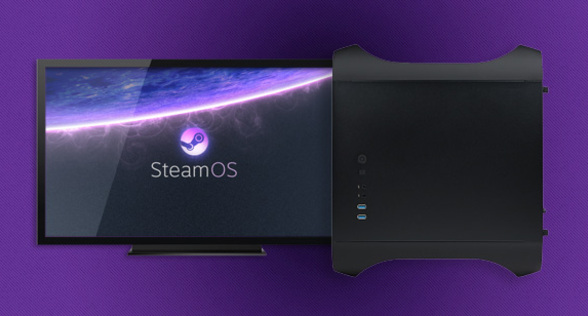
The most exciting takeaway from SteamOS 3.8 is the explicit mention of "Steam Machine" support in the patch notes. The original Steam Machine initiative, launched in 2015, failed largely due to a lack of software compatibility and a fragmented hardware market. However, the landscape today is fundamentally different.
1. The Power of Proton
The primary reason the original Steam Machines failed was the lack of native Linux games. Today, Valve’s Proton layer allows the vast majority of the Steam library—even titles built exclusively for Windows—to run with near-native performance. A new Steam Machine would launch into a market where thousands of games are already "Deck Verified."
2. A Unified Living Room Experience
With the improvements to HDR, VRR, and television scaling, SteamOS 3.8 turns the Steam Deck into a de-facto console when docked. If Valve releases a dedicated, stationary console (a "Steam Machine 2.0"), it will require almost no additional development work to ensure it functions perfectly with the existing Steam library.
3. Desktop Competitiveness
By defaulting to Wayland and improving the desktop experience, Valve is creating a viable alternative to Windows. If the company releases a standalone SteamOS installation ISO, they could effectively challenge the dominance of Windows in the gaming PC market. This would serve as a hedge against potential future restrictions in the Windows ecosystem, such as further Microsoft Store integration or OS-level telemetry that might negatively impact gaming performance.
The Future Landscape
The release of SteamOS 3.8 is a clear signal that Valve is looking beyond the handheld form factor. By polishing the OS, standardizing the display protocols, and preparing the firmware for external hardware, Valve is creating a "console-in-a-box" architecture that could be deployed on anything from a high-end gaming desktop to a small-form-factor living room console.
For the end user, this is a win-win. If you own a Steam Deck, you are receiving a more stable, responsive, and feature-rich device. If you are a PC enthusiast, you are witnessing the maturation of a Linux gaming platform that is finally ready for the mainstream.
As we look toward the remainder of the year, the industry will be watching to see if Valve follows this software update with a hardware announcement. Given the specificity of the "Steam Machine" references in the latest patch, it is no longer a question of if Valve is developing a new console ecosystem, but when they will choose to unveil it.
The Steam Deck has proven that the "Steam Machine" concept was simply ahead of its time. With SteamOS 3.8, the foundation is now firmly in place for a much wider, more ambitious hardware future. Whether this culminates in a dedicated living-room console or simply a more robust ecosystem for PC gamers, the trajectory is clear: Valve is intent on owning the gaming experience from the chip to the display, regardless of the device it runs on.

 Nana Wu
 Layla Zulfa