Muslim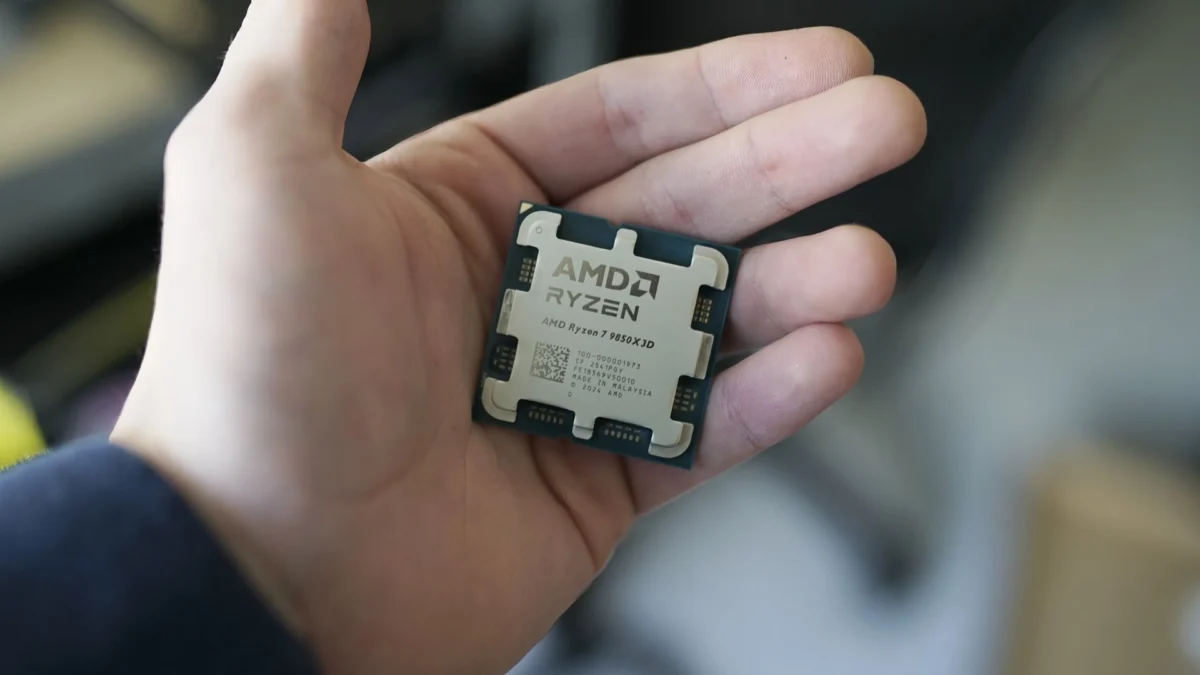
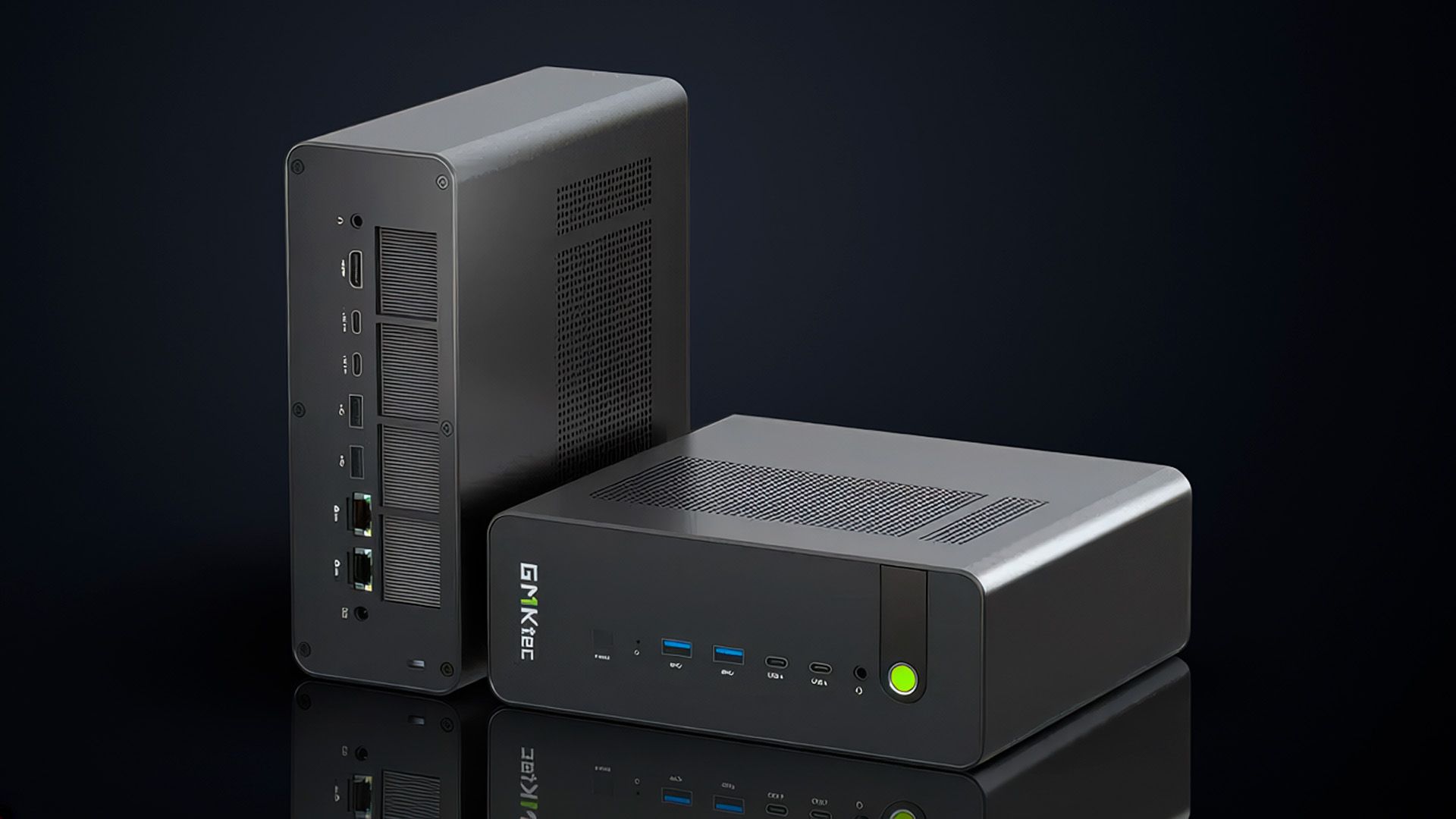
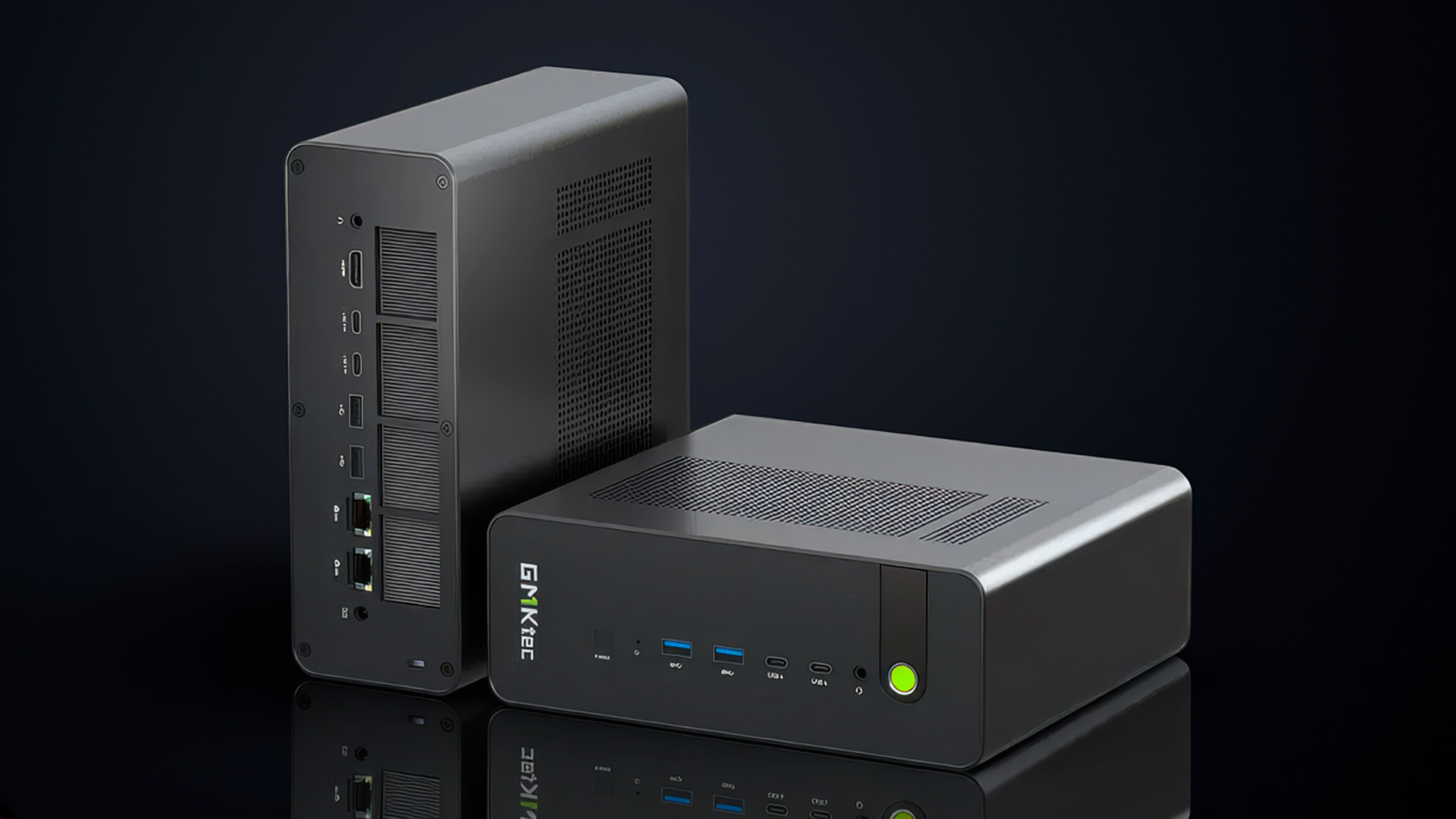
The landscape of personal computing is undergoing a tectonic shift, moving away from the era of bulky towers and toward the high-density, high-efficiency world of the "agentic" mini-PC. Today, GMKtec has officially staked its claim at the absolute summit of this transition with the launch of the Evo-X5 Pro.
Marketed as an agentic AI mini-PC, the Evo-X5 Pro is not merely an incremental update; it is a profound engineering statement. Powered by AMD’s formidable Ryzen AI Max+ Pro 495 processor—the silicon titan colloquially known as "Gorgon Halo"—and paired with an unprecedented 192GB of unified LPDDR5X-8533 memory, this machine bridges the gap between consumer desktops and enterprise-grade workstations. With a starting price of $6,799, GMKtec is signaling that the era of the high-performance, ultra-compact AI workstation has officially arrived.
Main Facts: A Technical Marvel in Miniature
The Evo-X5 Pro represents a convergence of cutting-edge mobile architecture and desktop-class compute density. At the heart of the device is the AMD Ryzen AI Max+ Pro 495, an APU that leverages the Zen 5 CPU architecture alongside RDNA 3.5 graphics. This combination is designed specifically to handle the heavy lifting of local large language models (LLMs) and complex agentic workflows without relying on cloud-based latency.
Key Specifications:
- Processor: AMD Ryzen AI Max+ Pro 495 (Zen 5 + RDNA 3.5)
- Memory: 192GB LPDDR5X-8533 (Unified Memory Architecture)
- Storage Options: 2TB or 4TB PCIe 4.0 NVMe SSD
- Form Factor: Ultra-compact Mini-PC
- Target Market: AI researchers, professional developers, and power users requiring high-memory bandwidth.
- Pricing: $6,799 (2TB model) / $7,099 (4TB model)
By integrating the "Gorgon Halo" silicon, GMKtec has successfully bypassed the typical memory bottlenecks found in standard mini-PCs. The unified memory architecture ensures that the GPU and CPU can access the 192GB pool with minimal overhead, a critical requirement for training or inferencing modern AI models locally.
Chronology: The Road to the "Gorgon Halo"
The journey to the Evo-X5 Pro is a reflection of the rapid evolution of AMD’s mobile APU strategy.
The Foundation (2022–2023)
For years, the mini-PC market was dominated by thermal constraints. Manufacturers were limited to standard laptop chips that struggled under sustained loads. However, as AI began to dominate the discourse in 2023, the demand for "on-device" processing power spiked. GMKtec began refining its cooling solutions and chassis designs to accommodate chips with higher TDPs, setting the stage for more robust hardware.
The Silicon Breakthrough (2024)
AMD’s announcement of the Ryzen AI Max 400 series—the "Gorgon Halo" family—marked a departure from conventional mobile chip design. By utilizing a massive unified memory bus and pushing clock speeds up to 5.2 GHz, AMD effectively created a bridge between integrated silicon and dedicated workstation-class hardware.
The Launch (2025)
Following months of industry speculation regarding the implementation of the Ryzen AI Max+ Pro 495 in compact systems, GMKtec solidified its position as the premier partner for this high-end silicon. The official unveiling of the Evo-X5 Pro confirms that the supply chain for these elite chips has stabilized, allowing for the retail availability of a machine that, until recently, would have been relegated to specialized server racks.
Supporting Data: Why 192GB of Memory Matters
The most striking figure in the Evo-X5 Pro’s spec sheet is its 192GB LPDDR5X-8533 memory capacity. To the average consumer, this seems like overkill, but in the context of "agentic AI," it is a foundational requirement.
The Memory Bandwidth Bottleneck
Traditional desktop systems rely on separate VRAM (on the GPU) and System RAM (on the motherboard). Moving data between these two pools creates latency. With 192GB of unified memory, the Evo-X5 Pro eliminates this movement entirely.
AI Inference and Large Models
Modern LLMs, such as Llama 3 or specialized coding assistants, require massive amounts of memory to load weights. A 70B parameter model, when quantized, can easily exceed the capacity of a standard 32GB or 64GB machine. By providing 192GB, GMKtec allows researchers to run large models entirely in RAM, significantly increasing the speed of inference and reducing the power draw associated with offloading tasks to external GPUs.
Thermal and Power Efficiency
The Zen 5 architecture paired with RDNA 3.5 is remarkably efficient. By maintaining a high performance-per-watt ratio, the Evo-X5 Pro can sustain long periods of computation—such as local fine-tuning of models—without the catastrophic thermal throttling that plagued earlier generations of mini-PCs.
Official Responses and Industry Context
GMKtec has positioned the Evo-X5 Pro as a "prosumer" bridge, effectively creating a new product category. In recent internal briefings, the company emphasized that the high price tag is a direct reflection of the component cost, specifically the high-binning of the Ryzen AI Max+ Pro 495 silicon and the premium LPDDR5X memory modules.
Industry analysts suggest that the Evo-X5 Pro is aimed at companies looking to deploy AI agents in office environments where space is at a premium. Rather than purchasing a rack-mounted server for every employee, a firm can deploy the Evo-X5 Pro, providing near-server performance in a chassis that fits on a desk.
"We are not selling a budget computer," a spokesperson for the development team noted. "We are selling a dedicated AI engine. The Evo-X5 Pro is meant to be a workhorse that operates 24/7, providing developers with the local autonomy they need to build the next generation of applications."
Implications: The Death of the Desktop Tower?
The arrival of the Evo-X5 Pro raises a significant question for the future of personal computing: Is the traditional tower PC becoming obsolete?
1. The Space Economy
In professional and residential spaces, real estate is expensive. The ability to hide a computer behind a monitor—or tucked into a drawer—without sacrificing the ability to train complex models or perform heavy data analysis is a paradigm shift.
2. The Rise of "Agentic" Computing
The term "agentic AI" refers to AI systems that don’t just answer questions, but execute tasks—managing files, coding, scheduling, and automating workflows. These tasks require persistent, high-performance computing. The Evo-X5 Pro is built specifically to host these agents locally, ensuring that sensitive data remains on-premises rather than being sent to a cloud provider.
3. The Premium Pricing Barrier
At $6,799, the Evo-X5 Pro is not for everyone. However, it sets a "halo" standard. Much like the first high-end laptops, the technology found here will eventually trickle down into more affordable tiers. GMKtec has successfully demonstrated that the technology exists to replace high-end workstation towers with small-form-factor devices.
4. A New Era for AMD
For AMD, the success of the Ryzen AI Max+ Pro 495 in the GMKtec chassis proves that their mobile-first strategy for AI is paying off. By focusing on the integration of CPU, GPU, and NPU (Neural Processing Unit) in a unified memory environment, they have effectively countered NVIDIA’s dominance in the local-AI space for the desktop and mini-PC market.
Conclusion
The GMKtec Evo-X5 Pro is a bold, uncompromising piece of hardware. By pushing the boundaries of what is physically possible in a mini-PC chassis, GMKtec has provided a glimpse into the near future of computing. As local AI becomes the standard for professional workflows, machines like the Evo-X5 Pro will become the essential tools of the trade. While the price point restricts it to a specific tier of power users, the technical foundation it lays is a harbinger of a more compact, more powerful, and more "agentic" future for everyone.

 Nana Wu
 Sagoh
Sagoh