Iffa Jayyana
For years, fans of Ryu Ga Gotoku Studio’s legendary Yakuza (now Like a Dragon) series have relied on fan-curated playlists, grainy YouTube uploads, and imported physical CDs to experience the high-octane, melancholic, and utterly unique sounds of Kamurocho. That era of fragmented listening has officially come to an end. In a major move for game music preservation and accessibility, the Sega Sound Team has officially uploaded 14 complete soundtracks from across the long-running franchise to Spotify.
This digital drop provides global fans with unprecedented access to the iconic compositions that define the saga of Kazuma Kiryu. From the neon-soaked synth-pop of the 1980s in Yakuza 0 to the dramatic orchestral swells of the mainline sequels, the music of the Yakuza series is now available to stream at the touch of a button.
The Scope of the Release: A Musical Journey Through Japan’s Underworld
The collection arriving on streaming platforms is expansive, covering a significant portion of the series’ history. While fans have long clamored for the localized release of these soundtracks, the official inclusion under the "Sega Sound Team" artist profile marks a milestone in how Sega manages its vast library of intellectual property.
The newly available albums span nearly two decades of development, featuring works from the foundational entries to the more experimental spin-offs. The list of titles now available for streaming includes:
- Yakuza 0: The fan-favorite prequel that set a new gold standard for the series’ music.
- Yakuza 1 & 2: The remastered foundations of the Kiryu saga.
- Yakuza 3, 4, and 5: The expansive PS3-era trilogy that defined the middle years of the franchise.
- Yakuza Kiwami: The faithful remake of the original adventure.
- Yakuza: Dead Souls: The cult-classic zombie spin-off.
- Yakuza Ishin & Yakuza Kenzan: The historically-themed spin-offs that were previously locked to the Japanese market.
For international fans, the inclusion of Ishin and Kenzan is particularly noteworthy. These titles, which reimagined Kiryu as legendary samurai figures like Ryoma Sakamoto and Miyamoto Musashi, never saw a widespread Western release, leaving their distinct, period-accurate, and often fusion-heavy scores relatively obscure outside of Japan.
Chronological Context: The Evolution of a Sound
To understand why this digital release is such a significant event, one must look at the musical evolution of the Yakuza series. Under the direction of various composers, most notably Hidenori Shoji, the series has cultivated a sonic identity that blends hard rock, jazz, electronic dance music, and traditional Japanese instruments.
The Foundation (2005–2009)
In the early days of the PlayStation 2 and early PlayStation 3 era, the Yakuza sound was defined by grit and intensity. The original scores were composed to reflect the nocturnal atmosphere of Kamurocho. Tracks like "Receive You" became instant classics, establishing a "theme song" motif for Kazuma Kiryu that would persist in various remixes for nearly twenty years.
The Golden Age of Variety (2010–2015)
As the series moved into the Yakuza 3, 4, and 5 cycle, the scope of the music grew significantly. Yakuza 5 in particular is often cited for its sheer volume of content, featuring a soundtrack that experimented with idol music, diverse battle themes for multiple protagonists, and complex boss fight arrangements. By the time Yakuza 0 launched in 2015, the sound team had mastered the art of "period-appropriate" music—creating a soundtrack that felt authentically like 1980s Japan, complete with synthesized disco and high-energy J-Pop.
The Modern Renaissance (2016–Present)
With the advent of the Dragon Engine and titles like Yakuza Kiwami, the production quality reached an all-time high. The move to digital streaming ensures that the intricate production values—the crisp percussion, the deep basslines, and the sweeping strings—can be enjoyed by listeners without the compression issues often found in video-based streaming platforms.
Supporting Data: Why Streaming Matters for Video Game Music
The music industry has undergone a paradigm shift, and video game soundtracks are at the forefront of this growth. According to industry analysis, game music is one of the fastest-growing sectors on platforms like Spotify. Unlike traditional cinematic scores, which are often designed to fade into the background, Yakuza music is designed to be front-and-center, driving the gameplay loops, the dramatic cutscenes, and the notorious karaoke segments.
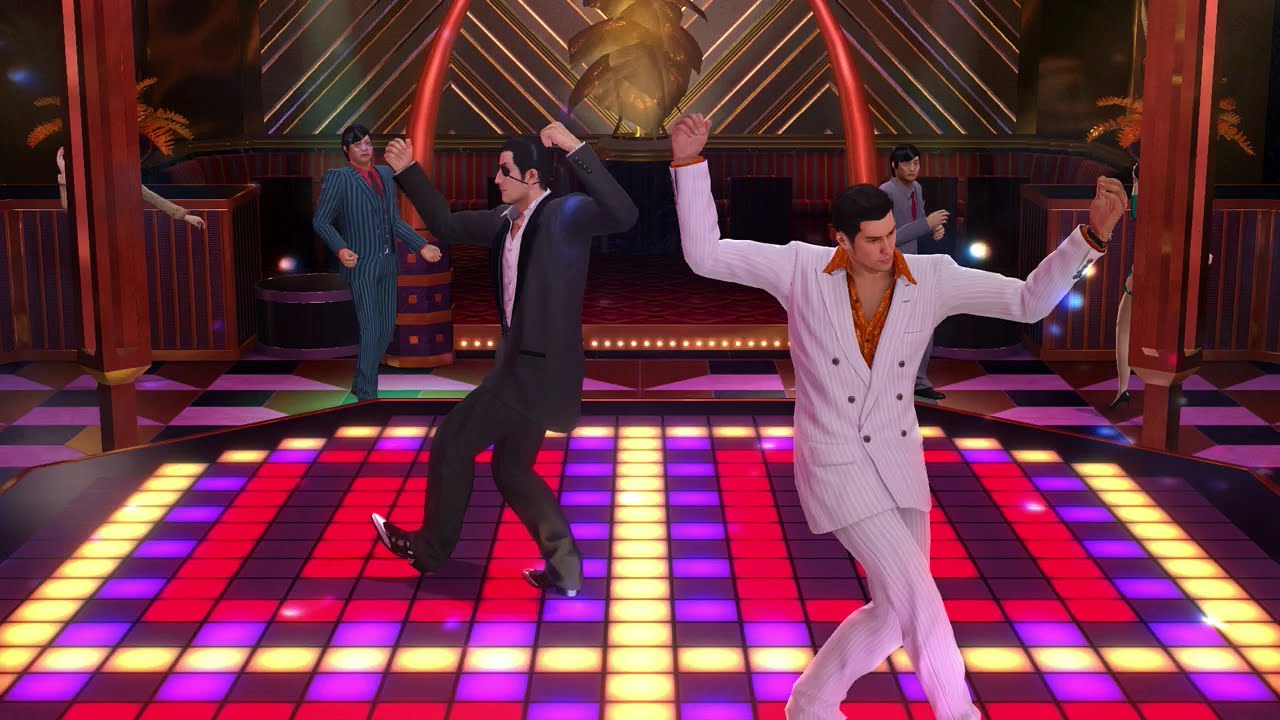
The data behind this release reflects a strategic decision by Sega to capitalize on the "long-tail" popularity of their games. By placing these albums on Spotify, they are not only providing a service to current players but also introducing their titles to new audiences who might discover the game through "Gaming" or "Synthwave" playlists.
Furthermore, the decision to leave the track names in their original Japanese—while potentially daunting for casual listeners—serves as a form of cultural preservation. It maintains the integrity of the release, honoring the original vision of the composers and the recording artists who provided the iconic karaoke tracks.
Official Responses and Accessibility
The release has been met with enthusiasm, primarily coordinated by the Sega Sound Team’s presence on Spotify. The rollout began in major Western markets, including the United States and the United Kingdom, before expanding to other regions.
For those who may struggle to find the albums via the standard search function, the community has stepped in to bridge the gap. As noted by tracking accounts like Tracker_TD, if the albums do not immediately appear under the artist profile, direct links are the most efficient way to access the collection. This highlights a common issue with Spotify’s algorithm, which sometimes struggles to index international releases under English-language artist names.
Sega has not issued a formal press release detailing the "why" behind this specific drop, but the timing coincides with a general push to modernize their digital presence. By moving these soundtracks to a unified, accessible platform, they have effectively mitigated the demand for "unofficial" hosting, which often leads to copyright disputes and lower audio quality.
Implications: A New Standard for Game Preservation
The implications of this move are significant for the broader gaming industry. For years, game soundtracks were treated as secondary assets, locked behind physical media or limited-edition releases. The inclusion of Yakuza Ishin and Kenzan—two games that remain "lost" to many Western players due to their lack of localization—is a testament to the idea that music acts as a bridge. Even if a player cannot experience the game itself, they can now experience its soul through its composition.
This move also signals a shift in how major publishers view their legacy content. Sega is recognizing that the "life" of a game does not end when the console generation passes. By fostering a community that can listen to, share, and discuss these soundtracks, the company is actively keeping the Yakuza brand relevant in the cultural zeitgeist.
The Future of the "Like a Dragon" Sound
As the series continues to evolve under the Like a Dragon banner, one can expect this Spotify library to grow. The recent successes of Like a Dragon: Infinite Wealth have shown that the series is more popular than ever. The addition of these 14 albums is likely just the beginning of a broader effort to bring the entirety of the studio’s discography to streaming services.
For the fan, the path forward is clear: whether you are looking for the melancholic piano of a quiet night in Sotenbori or the heart-pounding rock of a final boss confrontation, the complete Yakuza experience is now just a click away. It is a victory for preservationists, a treat for audiophiles, and a nostalgic journey for anyone who has ever called Kamurocho home.
As the bass kicks in and the familiar, dramatic chords of the series’ main themes begin to play, it is clear that Kazuma Kiryu’s legacy is as vibrant and resonant as the music that accompanies his every step. Whether you are a long-time fan or a newcomer to the series, there has never been a better time to dive into the sonic underworld of Sega’s most iconic franchise.

 Sagoh
Sagoh
 Nana
Nana