

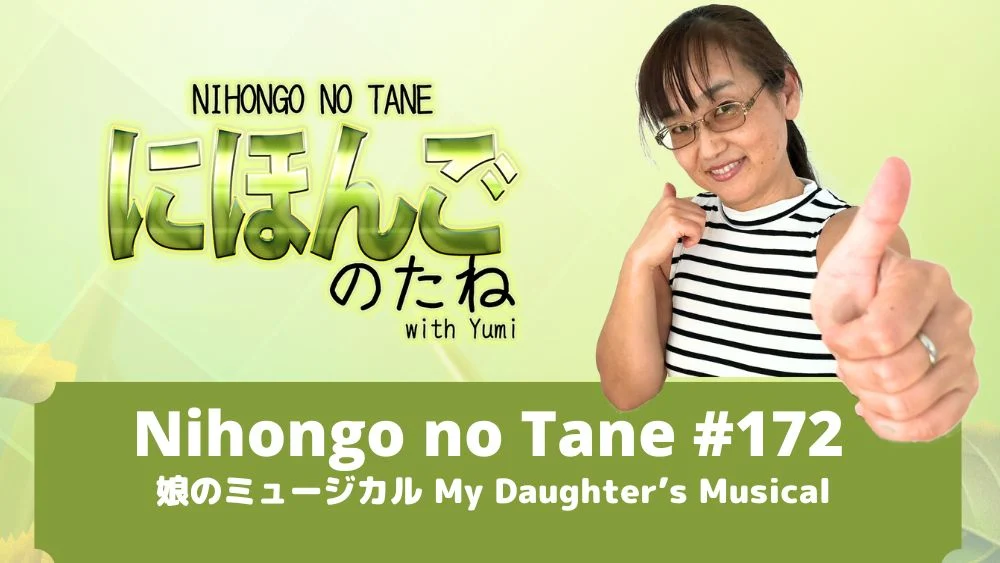
For students of the Japanese language, the bridge between textbook memorization and real-world comprehension is often crossed through immersive media. One such bridge is Nihongo no Tane (Seeds of Japanese), a popular podcast series designed specifically for upper-beginners to intermediate learners. In a recent, poignant episode titled "My Daughter’s Musical," host Yumi provides an intimate look at a milestone event in her family’s life, offering listeners a unique opportunity to engage with natural, narrative-driven Japanese.
The Narrative: A Milestone in the Spotlight
The episode centers on the personal journey of Yumi’s 17-year-old daughter. The narrative details a transformative summer, beginning with the daunting experience of a first-ever theatrical audition. For many language learners, the concept of "auditioning"—or putting oneself forward for critique—is a relatable anxiety. By centering the podcast on this universal theme, the content creators successfully blend linguistic pedagogy with human interest.
The story follows the daughter from the nerves of the initial casting call through the grueling, yet rewarding, months of summer rehearsals. Ultimately, the arc concludes with the triumphant success of nine distinct stage performances. This narrative structure serves a dual purpose: it provides a compelling story for the listener to follow, and it utilizes specific, high-frequency vocabulary related to performance, effort, and achievement, which are essential for students moving beyond basic grammar.
Chronology of a Theatrical Journey
To understand the scope of the production discussed in the podcast, one must look at the timeline of the theatrical process as described by the host:
- The Casting Phase: The initial audition, where the 17-year-old stepped out of her comfort zone to pursue a role. This phase is characterized by the vocabulary of anticipation and vulnerability.
- The Rehearsal Period: Spanning the duration of the summer, this phase highlights the discipline required for artistic endeavor. The podcast details the transition from reading scripts to mastering blocking and musical cues.
- The Performance Run: The climax of the story involves nine separate shows. This section of the podcast emphasizes the endurance required of the performer and the collective energy of the theater troupe.
- The Reflection: Following the final curtain call, the aftermath of the experience is discussed, focusing on the growth and confidence gained by the participant.
The Pedagogical Framework: Why Narrative Matters
The effectiveness of Nihongo no Tane lies in its approach to language acquisition. Unlike traditional classroom settings that rely on static, manufactured dialogues, this podcast utilizes "living" stories.
Bridging the Proficiency Gap
The "upper-beginner to intermediate" level is often considered the "valley of death" in language learning. Students at this stage have mastered basic kana and simple sentence structures, but they often struggle with the nuance, speed, and cultural context of native speech. By presenting a structured story, Yumi allows learners to:

- Identify Context Clues: Because the story follows a logical timeline, listeners can infer the meaning of unknown words based on the context of the daughter’s success.
- Develop Listening Stamina: The format encourages listeners to remain engaged for the duration of the short audio clip, which is vital for building concentration.
- Contextualize Cultural Nuance: The podcast touches on the cultural expectations of extracurricular activities and personal development in Japan, providing a "cultural seed" alongside the linguistic one.
Supporting Data and Educational Resources
The Nihongo no Tane series is not merely a passive listening experience; it is backed by an ecosystem of educational support. According to the creators at Makoto+, the initiative is designed to provide structured scaffolding for students who wish to move toward advanced fluency.
The Role of Supplemental Material
The platform provides several layers of support for the podcast:
- Comprehension Quizzes: Each episode is accompanied by a set of questions to test the listener’s retention and understanding of the narrative arcs.
- Transcripts: For many learners, the gap between auditory processing and reading comprehension is significant. Providing the full text of the podcast allows students to perform "shadowing"—a technique where one reads along with the audio to improve pronunciation and rhythm.
- Lexical Lists: Key vocabulary is highlighted, allowing students to build a personal glossary based on the episode’s specific theme.
Official Perspective: The Makoto+ Philosophy
In a statement regarding the mission of the platform, the Makoto+ team emphasizes that language is a vehicle for shared human experience. "When a student listens to a story about a daughter’s musical, they aren’t just memorizing verb conjugations," a representative noted. "They are participating in the Japanese experience of pride, hard work, and performance."
The platform’s growth—now hosting over a hundred podcast episodes—reflects a broader trend in digital education: the shift toward "content-based instruction." By focusing on interesting, real-life topics rather than abstract grammar drills, learners are significantly more likely to maintain their studies over the long term.
Implications for the Future of Language Learning
The success of narrative-based podcasts like Nihongo no Tane signals a shift in how educators and students view language acquisition.
The Shift from Textbook to Experience
Traditional textbooks are often criticized for their sterile, artificial environments. By contrast, the "Daughter’s Musical" episode provides a glimpse into the complexities of daily life in a way that feels organic. This suggests that the future of language learning lies in:

- Micro-Learning: Short, digestible segments that can be consumed during a commute or break.
- Community-Driven Content: Providing platforms where learners can interact, ask questions, and share their progress.
- Holistic Skill Integration: Combining audio, reading, and cultural awareness into a single, cohesive unit of study.
Challenges and Opportunities
While the podcast format is highly effective, it does present challenges. The primary obstacle for learners is the "passive listening" trap, where a student may listen to the audio without actively engaging with the vocabulary or the transcript. The Makoto+ system addresses this by requiring active participation—answering comprehension questions and engaging with the bonus materials like shadowing sentences and haiku lessons.
Conclusion: Planting the Seeds
The story of the 17-year-old performer is more than a simple anecdote; it is a metaphor for the language learner’s journey. Just as the daughter had to step into the spotlight, practice her lines, and perform under the pressure of a live audience, the student of Japanese must step into the "spotlight" of real-world communication.
By leveraging tools like Nihongo no Tane, learners are given a safe space to rehearse their skills. Whether it is through the nuance of a single podcast episode or the vast library of an entire membership program, the goal remains the same: to turn the seeds of study into the fruits of fluency. As listeners continue to engage with these stories, they are not only improving their linguistic capability but are also gaining a deeper, more empathetic understanding of the world around them.
For those looking to transition from the safety of their textbooks into the vibrant, sometimes intimidating world of native-level Japanese, the path forward is clear: listen, reflect, and—most importantly—keep participating. The spotlight is waiting.











