Muslim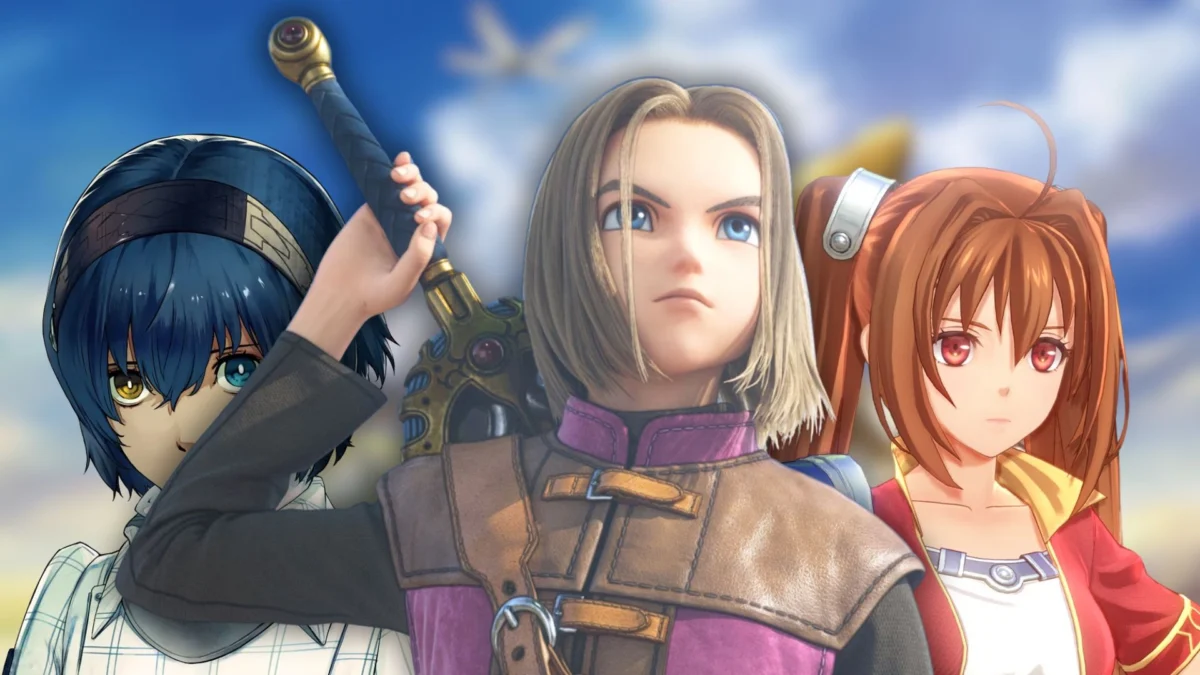
The digital Role-Playing Game (RPG) did not emerge in a vacuum. Its foundational architecture was built upon the weathered dice, graph paper, and shared imaginations of tabletop Dungeons & Dragons. This is precisely why the genre remains saturated with the quintessential pillars of high fantasy: sprawling dungeons, fire-breathing dragons, arcane magic, steel-clad knights, and medieval political intrigue. Had the source material of the late 1970s been titled Planets & Aliens, our modern gaming landscape might be dominated by laser-wielding space marines. Instead, history favored the sword. Pioneers like Ultima and Wizardry set an unapologetic high-fantasy precedent, one that was soon refined and codified by Japanese developers.
Following in these footsteps, franchises like Dragon Quest and Final Fantasy transformed the JRPG market into a thriving ecosystem of mystical realms. For many, childhood was spent navigating these enchanted lands on the SNES, even when those titles occasionally hid subtle sci-fi subtexts beneath their pixelated exteriors. To curate this list of the 10 best fantasy JRPGs, I have focused on titles that lean entirely into their fantastical roots—games that refuse to compromise their setting by shoehorning in mecha or high-tech extraterrestrial races.
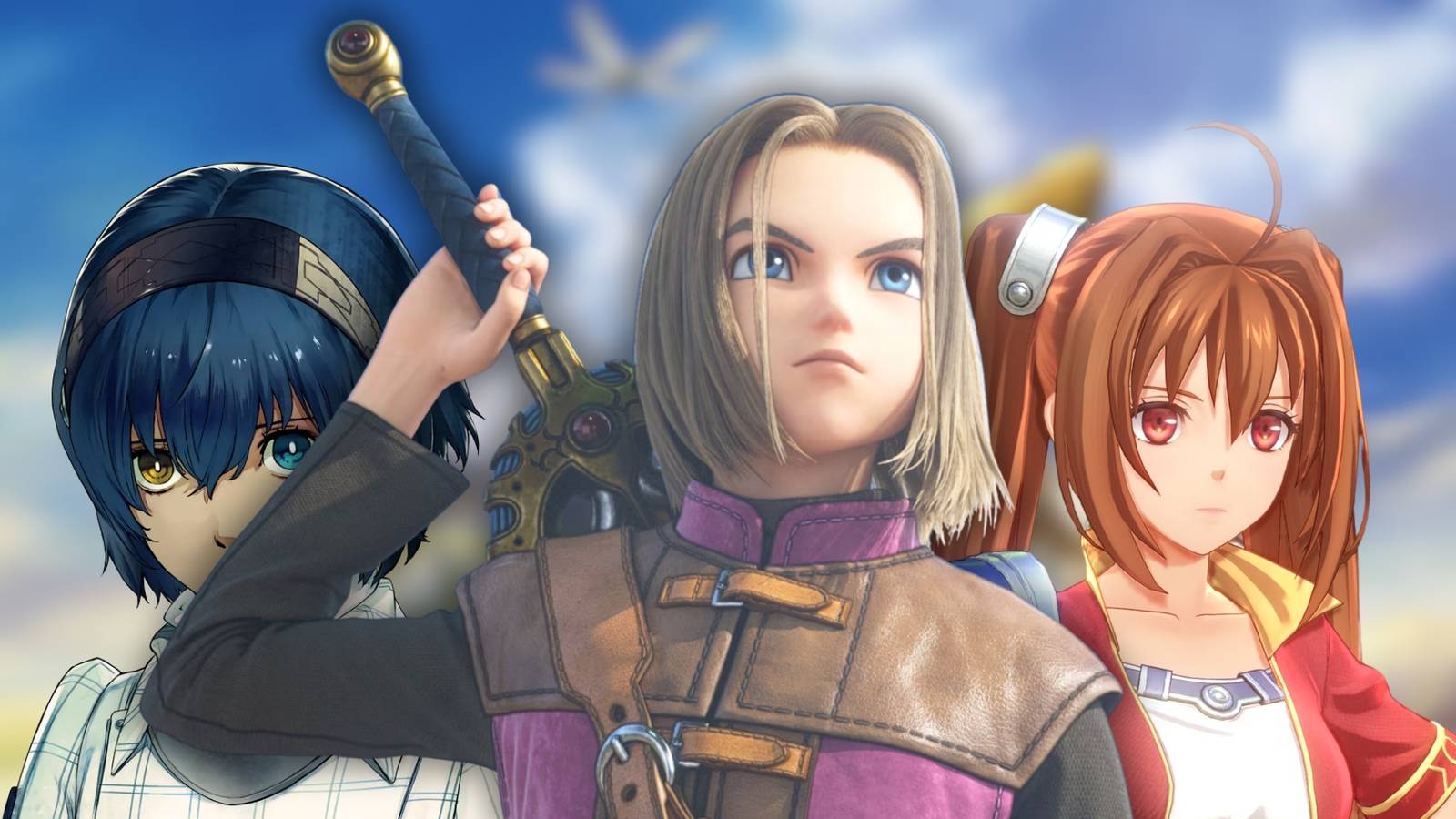
The Chronology of Enchantment: A Genre’s Evolution
The evolution of the JRPG is a story of iterative perfection. While early titles were limited by the technical constraints of 8-bit and 16-bit hardware, the transition to 3D allowed for deeper world-building and more complex narratives.
10. Breath of Fire IV (2000)
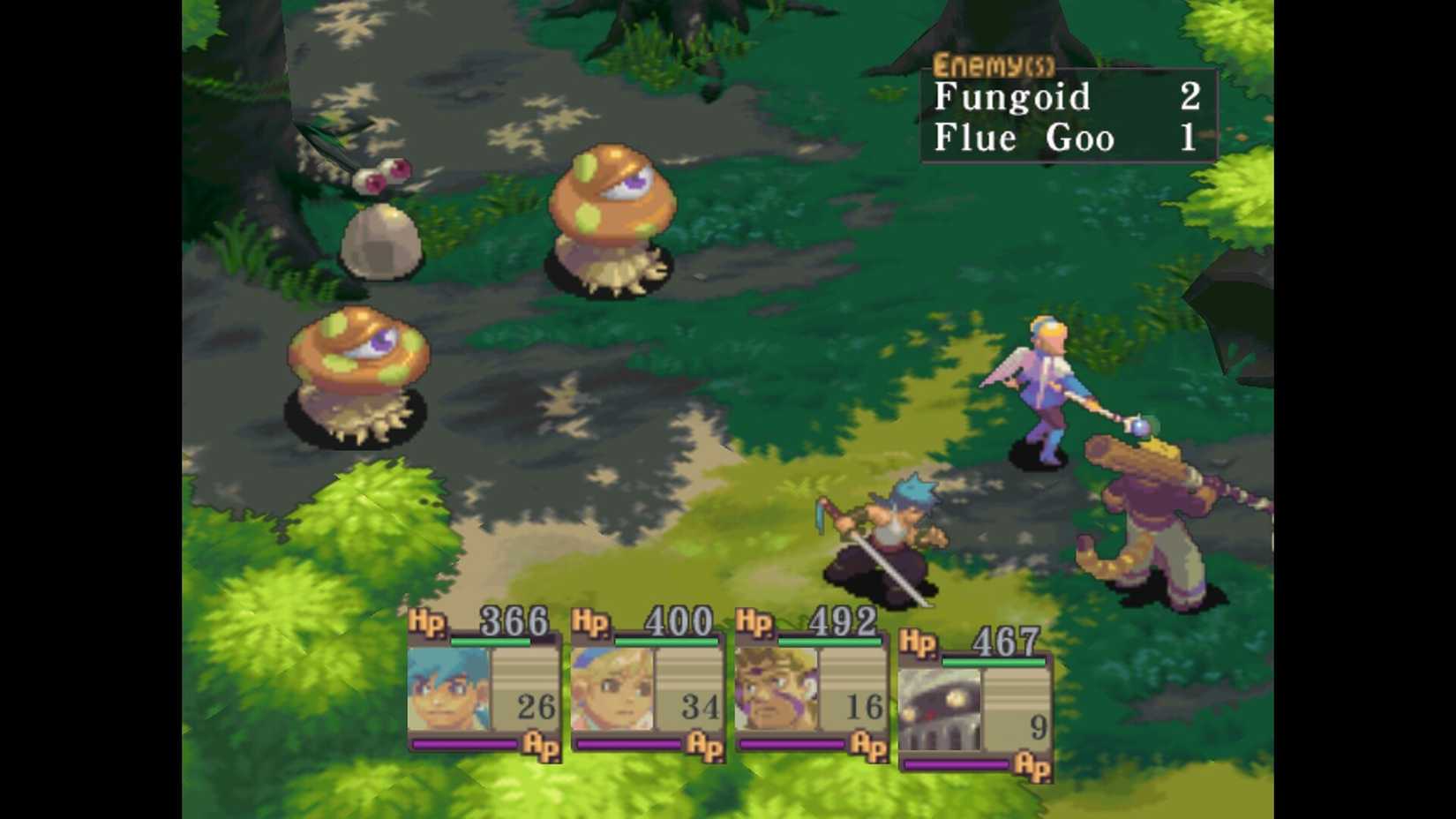
When Capcom decided to establish a firm foothold in the JRPG market with the Breath of Fire series, they did so with ambition. Breath of Fire IV remains the zenith of the franchise. It features some of the most timeless pixel art in the PlayStation 1 catalog, aging with a grace that few contemporary titles can claim. The narrative innovation of presenting a dual perspective—allowing the player to control both the hero, Ryu, and the antagonist, Fou-Lu—remains a masterstroke. It forces the player to question the nature of heroism and divinity, ultimately placing the final, world-altering choice in the user’s hands.
9. The Adventures of Elliot: The Millennium Tales (2026)
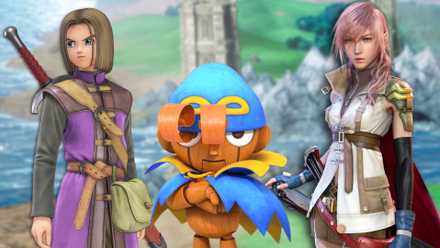
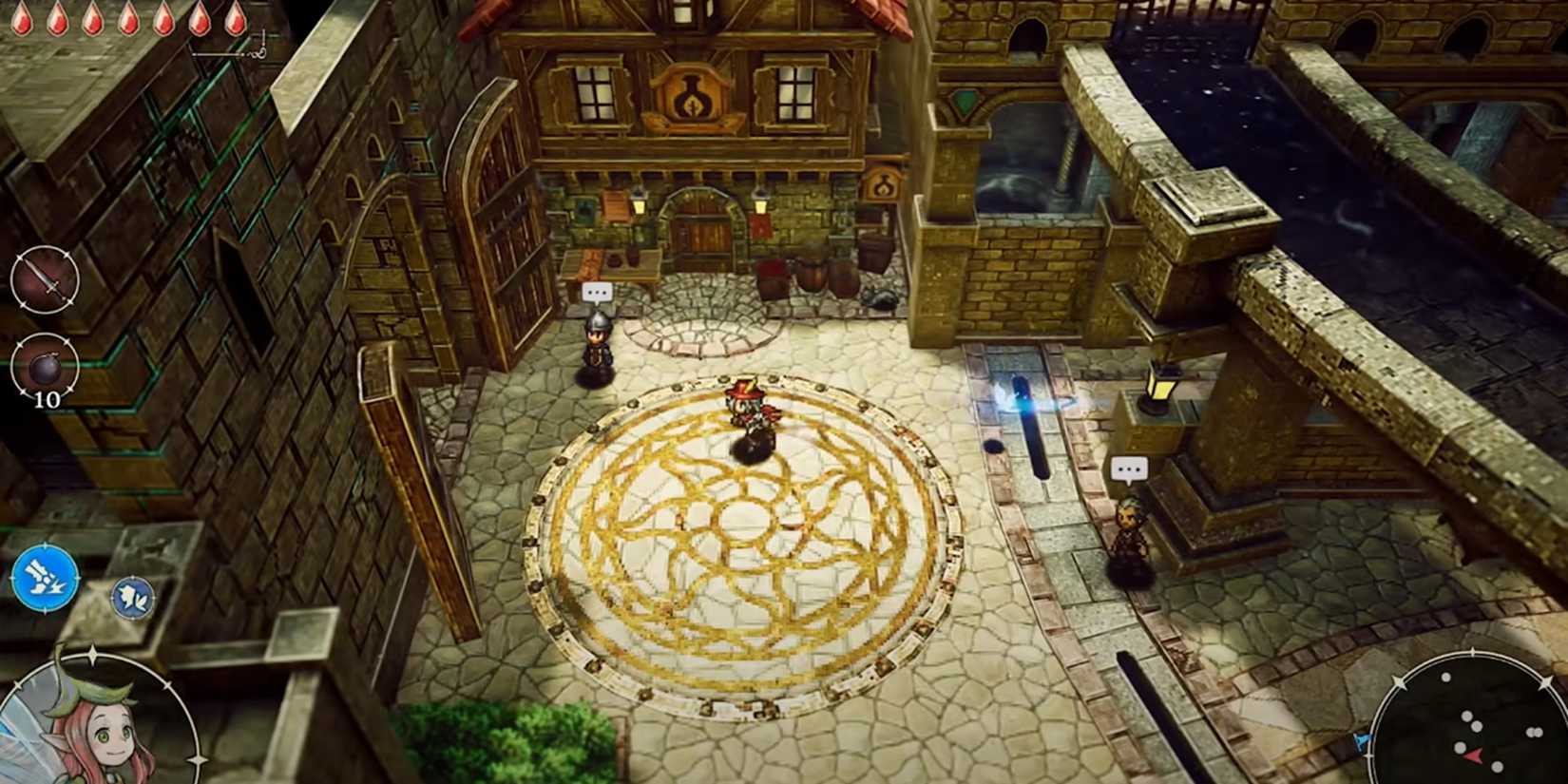
A modern addition to the genre, The Adventures of Elliot is a testament to the enduring appeal of the "cozy" RPG. Developed by Team Asano and Square Enix, this title is firmly anchored in high fantasy, utilizing a system of "magic-tech" that feels grounded in the world’s internal logic rather than modern science. By allowing players to traverse different eras, the game highlights the evolution of the land of Philabieldia, showcasing how fantasy environments can be both vibrant and devastatingly ruined while maintaining their core mystical identity.
8. Kingdom Hearts II (2006)
Some may argue about the presence of the Gummi Ship, but Kingdom Hearts II is the pinnacle of a unique "Disney-Fantasy" synthesis. It blends traditional tropes—knights, wizards, and dark magic—with the wondrous, abstract storytelling of Square Enix. By visiting unique, self-contained worlds, the game avoids the "sci-fi planet-hopping" trap, instead presenting a journey that is fundamentally about the power of friendship and the battle between light and shadow.
Supporting Data: Why Players Gravitate Toward the Magical
The enduring popularity of these titles is supported by a consistent desire for escapism. Market research into JRPG consumption consistently shows that players prioritize world-building and "sense of place" above all else. Fantasy settings offer a unique canvas for character growth—the "Zero to Hero" arc is inherently more satisfying when the protagonist begins as a farmhand and ends as a slayer of gods.
7. Ni no Kuni: Wrath of the White Witch (2013)
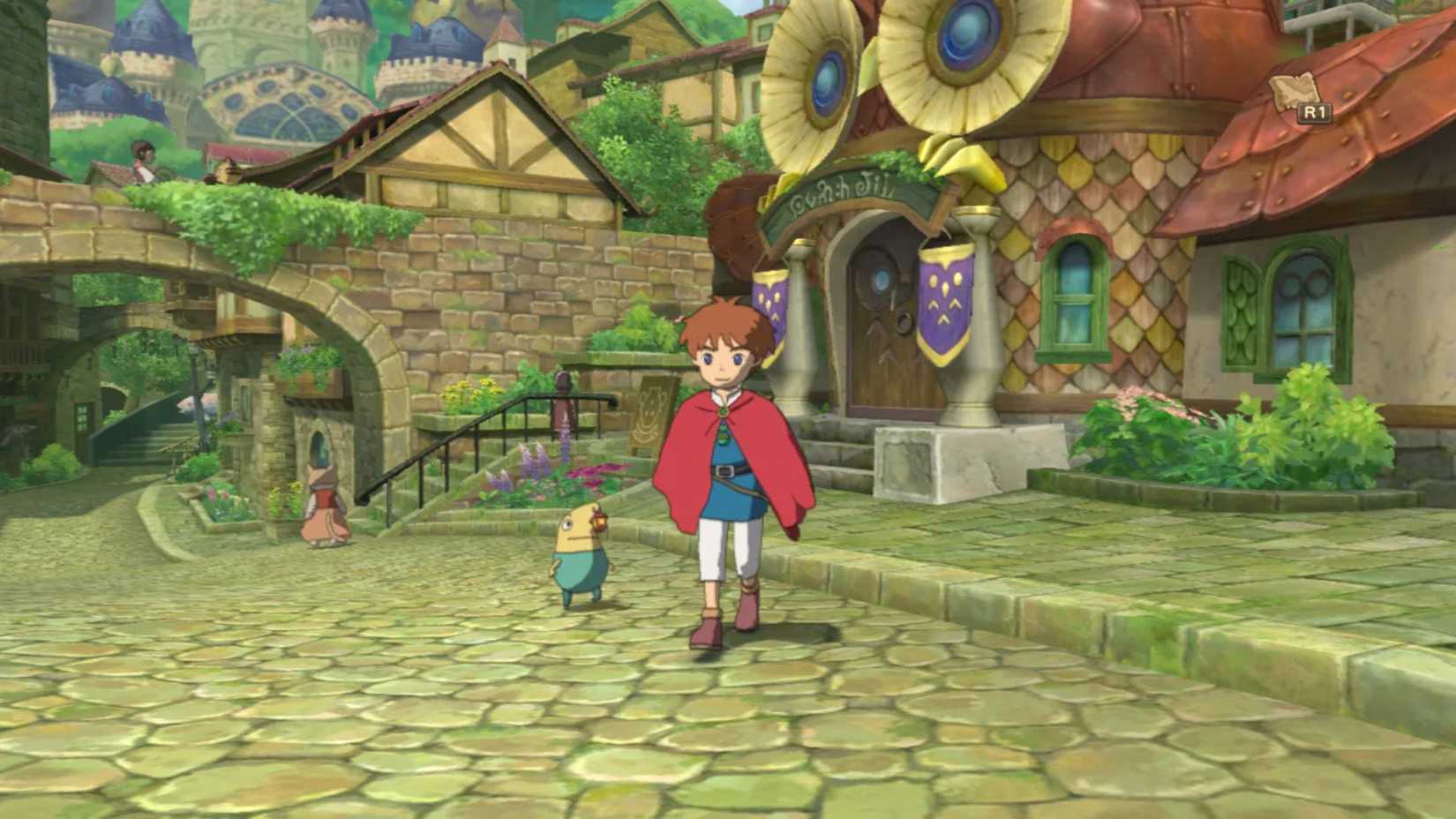
Collaborating with Studio Ghibli, Level-5 created a world that feels like a living, breathing fairy tale. The "isekai" narrative, where a young boy from our world is transported to a magical realm, serves as the perfect vehicle for the player to discover the world of Ni no Kuni alongside the protagonist. Its combat, which blends real-time movement with turn-based tactical decisions, remains a high-water mark for the genre.
6. Tales of Vesperia (2008/2019)
The Tales of series has remained remarkably faithful to its roots. In Vesperia, the world of Terca Lumireis is powered by Blastia cores—devices that tap into the planet’s innate magical energy. This is a brilliant example of world-building that provides the convenience of technology without ever breaking the immersion of a high-fantasy setting. It serves as a reminder that "magic" can be industrialized and systematized without becoming "science fiction."
Official Perspectives and Creative Intent
In interviews, producers from Square Enix and Atlus have often noted that the "fantasy" label is not merely an aesthetic choice, but a narrative constraint that forces better writing. By removing the "get out of jail free" card of advanced technology, writers are forced to rely on character dynamics, political intrigue, and magical lore to resolve conflicts.

5. Chrono Cross (2000)
While its predecessor, Chrono Trigger, embraced time-traveling robots and futuristic apocalypses, Chrono Cross is a much more intimate, analog affair. It focuses on the exploration of a fragmented world, recruiting a massive, eclectic cast of characters. It is a game about destiny, memory, and the interconnectedness of lives, proving that a fantasy setting can host deeply psychological and complex narratives.
4. Trails in the Sky 1st Chapter (2004/2025)
Falcom’s Trails series is arguably the most impressive feat of world-building in gaming history. The continent of Zemuria is a massive, living entity. 1st Chapter serves as the perfect entry point, focusing on the Kingdom of Liberl. It is a masterclass in pacing, scriptwriting, and character development, proving that you do not need spaceships to tell a grand, continent-spanning epic.
Implications for the Future of the Genre
As we look toward the future, the success of titles like Metaphor: ReFantazio (2024) suggests that players are hungry for "pure" fantasy. Despite having a system designed by the Persona team, Metaphor stripped away the modern-day high school setting in favor of a breathtaking, high-fantasy vision of the United Kingdom of Euchronia.
3. Dragon Quest XI: Echoes of an Elusive Age (2017)
Dragon Quest is the gold standard for traditional fantasy. It is the series that refuses to change, and that is its greatest strength. It is a comforting, familiar embrace—a silent hero, a grand quest, and the eternal battle against the forces of darkness. Echoes of an Elusive Age is arguably the most polished version of this classic formula, proving that the traditional JRPG is not a relic of the past, but a timeless pillar of the medium.
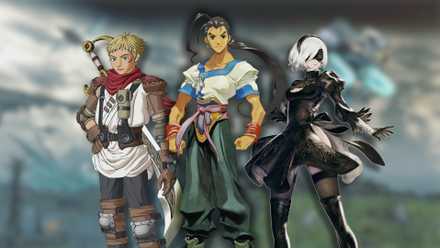
2. Metaphor: ReFantazio (2024)
By utilizing the social bond and calendar systems popularized by Persona but transposing them into a high-fantasy world, Atlus proved that the "modern JRPG" structure does not require modern technology. Metaphor is a testament to the idea that style, when backed by substance and world-building, creates a lasting legacy. It is a game that feels both new and classic, a rare achievement in an industry obsessed with constant iteration.
1. Final Fantasy IX (2000)
Finally, we arrive at Final Fantasy IX. It was explicitly designed by Hironobu Sakaguchi as a return to the roots of the franchise. In an era when Final Fantasy VII and VIII were pushing the series toward cyberpunk and urban settings, IX stood tall as a declaration of love for high fantasy. With its black mages, noble knights, and the planet of Gaia, it remains the quintessential high-fantasy JRPG. It is a game that is simultaneously whimsical and profoundly sad, a story about the meaning of life and the nature of mortality. It remains the gold standard, the "crown jewel" of the genre, and a reminder of why we fell in love with these worlds in the first place.

Conclusion
The enduring appeal of the fantasy JRPG lies in its ability to offer a coherent, magical reality. Whether it is the industrial magic of Tales of Vesperia or the pure, tropey goodness of Dragon Quest, these games provide a sense of wonder that science fiction often struggles to replicate. As long as there are players who wish to pick up a sword, cast a spell, and save the world, the high-fantasy JRPG will remain the heartbeat of the industry.


 Rifan Muazin
 Ali Ikhwan