Siti Muinah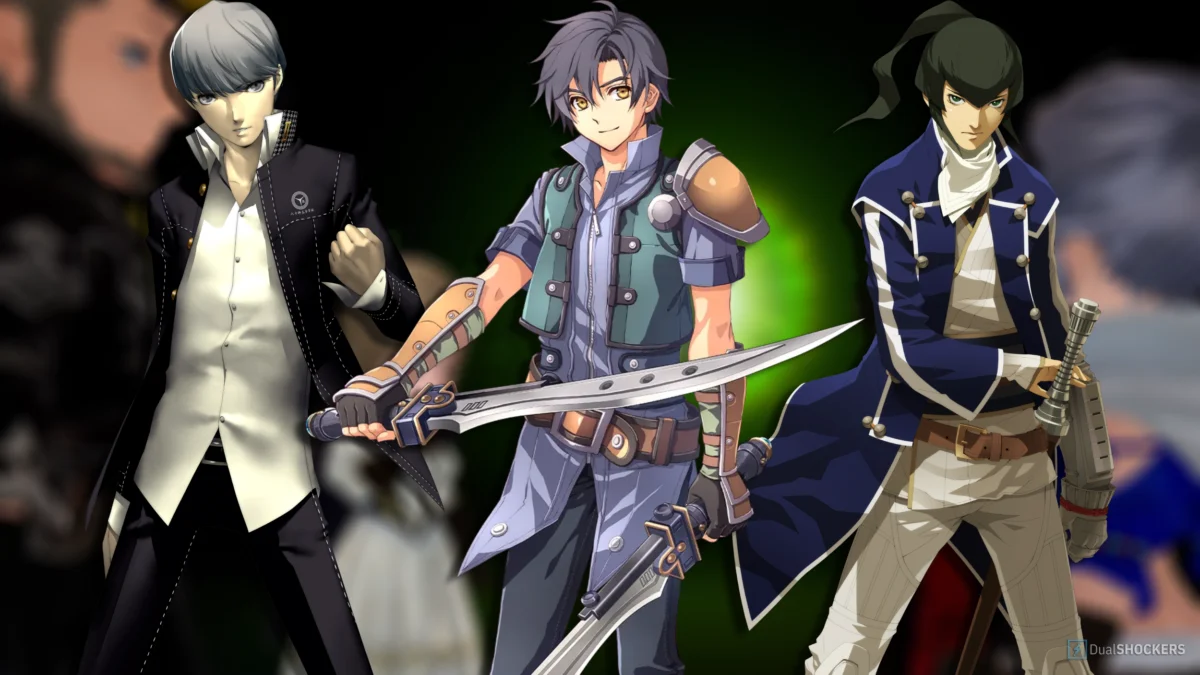
In the expansive world of Japanese Role-Playing Games (JRPGs), the protagonist is rarely a solo act. Whether you are controlling a silent, blank-slate hero or an amnesiac warrior grappling with a fractured past, the narrative backbone of the genre is almost always found in your companions. These allies do more than simply fill a party slot; they provide the emotional context for the adventure, transforming a simple quest—often summarized as "go here and kill a thing"—into a deeply personal odyssey.
However, this reliance on party members creates a unique narrative risk. When a story is propelled by the personal motivations, desires, and moral failings of its cast, the trajectory of the plot can shift violently. Sometimes, this manifests as a "canon event"—a moment of betrayal or poor judgment that serves as a crucible for the hero’s growth. In more extreme instances, these character-driven impulses can derail the entire journey, leading the player toward an alternate, often disastrous, ending. These moments, while frustrating, highlight the human (or inhuman) complexity of our allies.
What follows is an exploration of ten JRPGs where the most significant threat to the mission wasn’t the antagonist, but the people standing right beside you.
Chronology of Chaos: When Friends Make the Wrong Call
The history of the JRPG is littered with instances where a companion’s agency overrides the player’s better judgment. These moments are often pivotal, serving as the bridge between a "good" ending and a "bad" one.
10. Digimon Story: Time Stranger
In Digimon Story: Time Stranger, the narrative begins with Agent Yuki investigating mysterious disturbances beneath Shinjuku. The plot takes a sharp turn when the team is catapulted through time, meeting Inori and her Digimon partner, Aegiomon. Despite their best efforts to mediate the conflict between humans and Digimon, a space-time singularity claims Inori. Aegiomon’s grief leads him to abandon the mission, recklessly tearing through the fabric of time to find her. These impulsive, iterative attempts to rewrite history trap him in a recursive loop, eventually forcing the intervention of Homeostasis—and the creation of the player character. Here, the "derailment" is the inciting incident of the entire game.
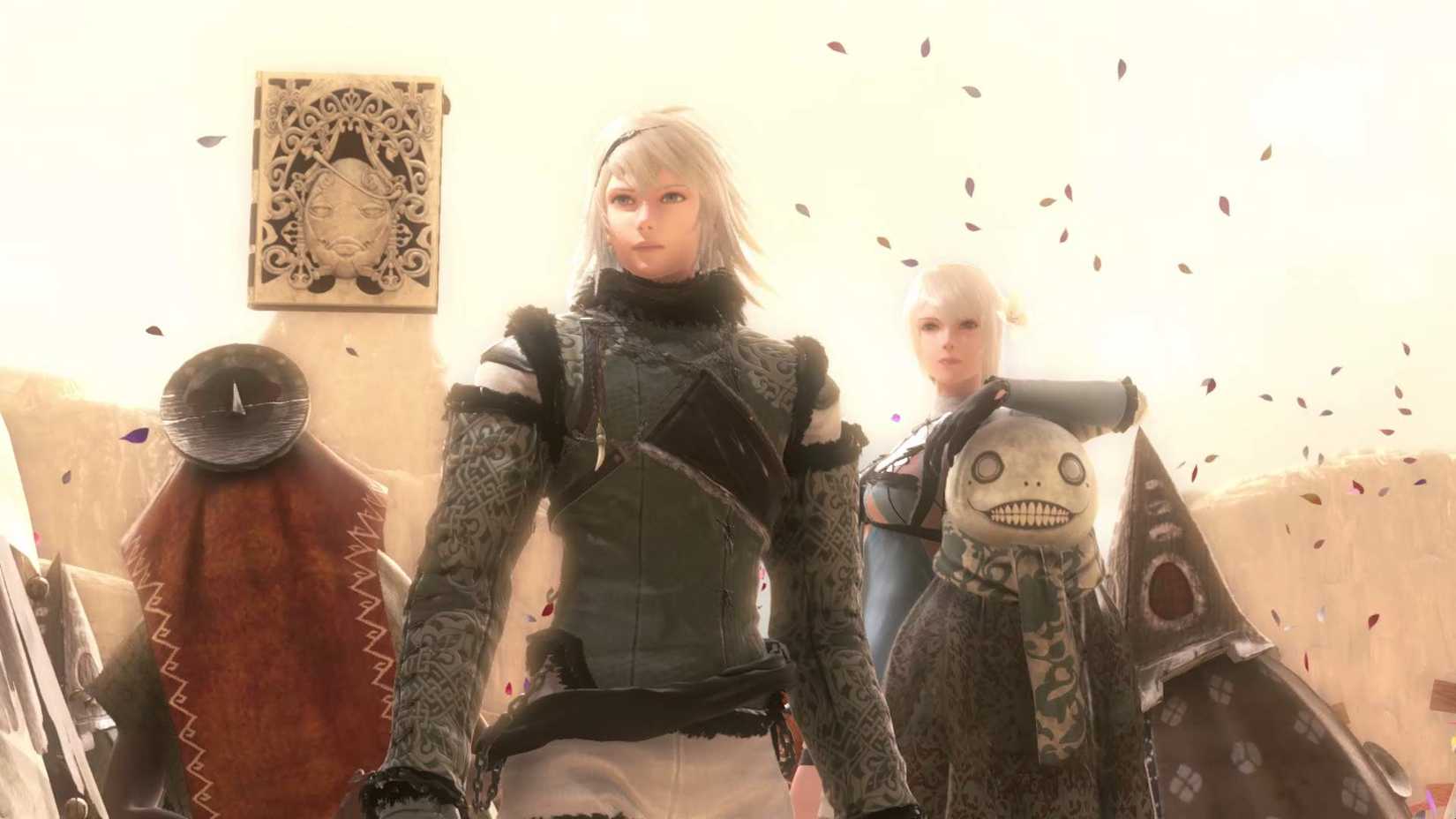
9. NieR Replicant
The titular protagonist of NieR Replicant is defined by a single-minded devotion to his sister, Yonah. His journey is complicated by the presence of Kaine and Emil, both of whom possess a tragic, self-sacrificing streak. Kaine’s decision to be petrified to seal a Shade, followed by Emil’s ultimate sacrifice in the Shadowlord’s castle, leaves Nier isolated and grieving. Unless the player commits to the exhaustive process of subsequent playthroughs, the narrative remains a cycle of loss, proving that sometimes, an ally’s desire for "heroism" is the very thing that denies the protagonist a happy ending.

8. Bravely Default 2
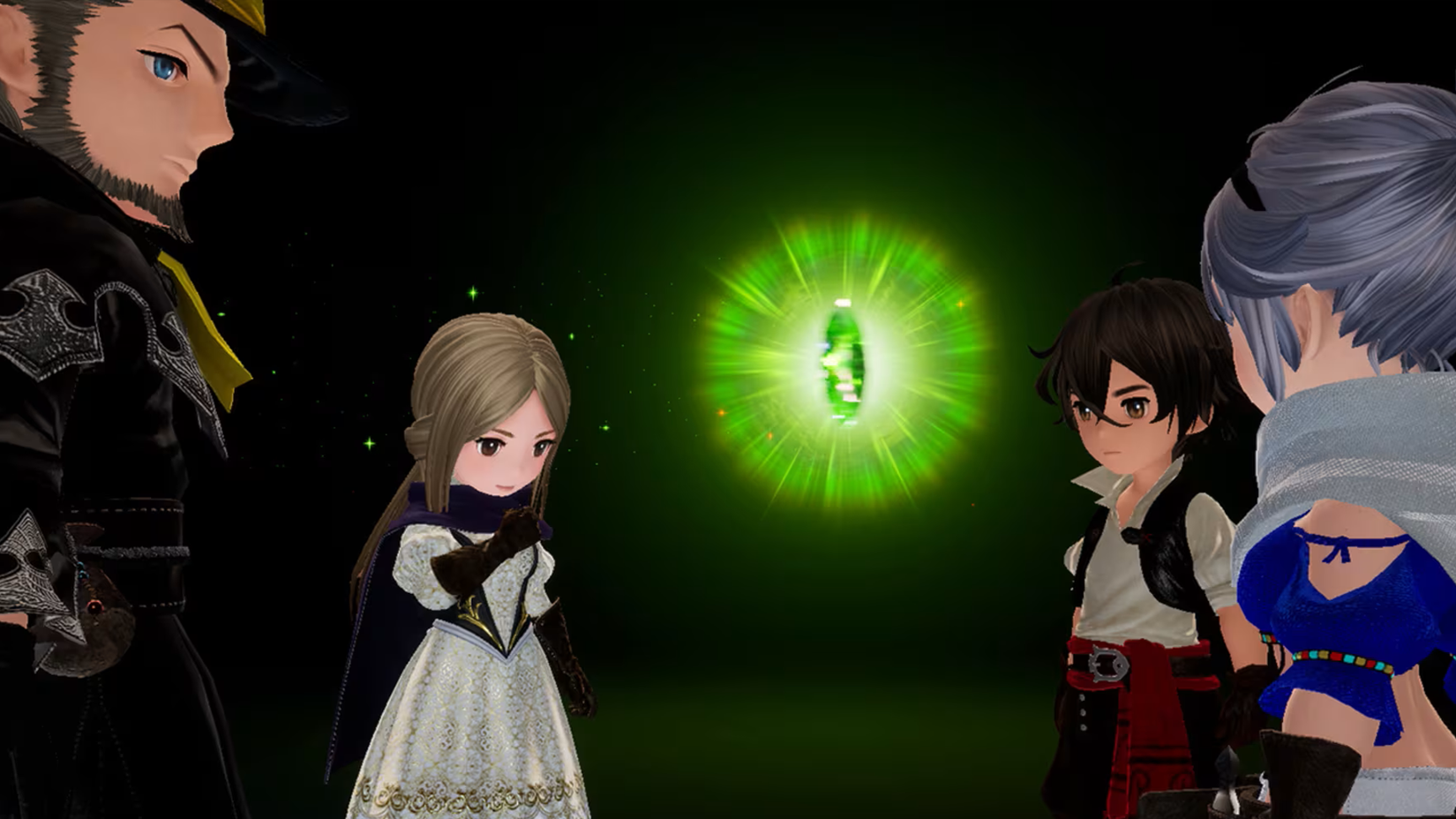
In the world of Bravely Default 2, the quest to recover the elemental crystals is framed as the only way to seal the Night’s Nexus. Yet, even when the task is completed, the party finds that the crystals lack the necessary energy. Gloria’s decision to sacrifice herself to empower the seals is a noble, if flawed, solution. The game demands that the player recognize this as a failure, forcing them to reject this "sacrificial" ending in favor of a true path—one where the party ignores the traditional cycle and destroys the source of the evil once and for all.
Supporting Data: The Psychological Cost of Companionship
The phenomenon of the "derailing companion" is not merely a plot device; it is a fundamental challenge to the player’s agency. In games like Like a Dragon: Infinite Wealth and Tales of Symphonia, the game tracks hidden metrics—affinity and trust—that determine whether your allies are assets or liabilities.
7. Like a Dragon: Infinite Wealth
The introduction of Eiji and Chitose to Kasuga’s party in Infinite Wealth serves as a masterclass in narrative subversion. Kasuga’s relentless optimism is challenged when it is revealed that both characters are working against him. Chitose, the VTuber who orchestrated the rumors that brought Kasuga to Hawaii, and Eiji, who feigned a disability to gain trust, represent the ultimate betrayal of the JRPG party archetype. Kasuga’s decision to forgive them is not just a character quirk; it is a thematic choice that forces the player to reconcile with the idea that the people who hurt us most are often the ones we trust the most.
4. Tales of Symphonia
Tales of Symphonia utilizes an invisible affinity system that can lead to the tragic death of Zelos Wilder. If the player spends too much time with Kratos, Lloyd inadvertently begins to question Zelos’s loyalty. This shift in trust creates a self-fulfilling prophecy: when the party reaches the Tower of Salvation, Zelos—feeling alienated and unappreciated—is forced into a confrontation that ends in his death. It is a harsh lesson in the importance of maintaining party bonds.
Official Perspectives and Narrative Design
Developers often implement these "derailment" moments to heighten the stakes. By making the player feel the consequences of their social interactions, the game world feels more responsive and alive.
6. Chrono Trigger
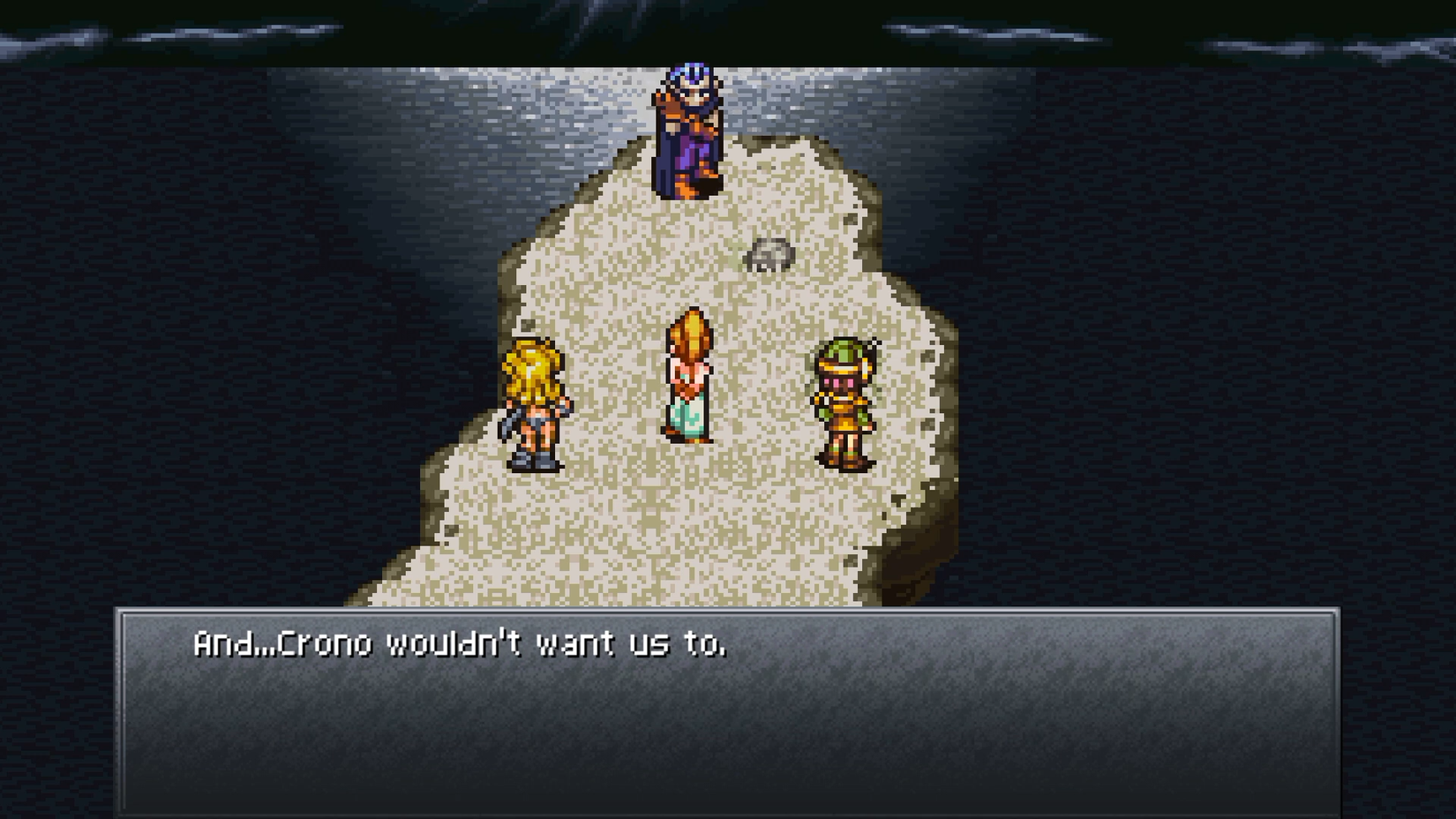
Late in Chrono Trigger, the death of Crono leaves the remaining party members to navigate the world without their leader. The encounter with Magus is a critical inflection point. The player is presented with a choice: allow Frog to claim his revenge or spare Magus to aid the mission. While the "revenge" path is emotionally satisfying for the character, it is objectively detrimental to the game’s best ending. The narrative design here creates a conflict between character motivation and the greater good.

5. Fire Emblem Fates
Fire Emblem Fates explores the tension between blood and chosen family. By forcing the player to choose between Hoshido and Nohr, the game highlights how a companion’s background can dictate the geopolitical state of the world. The "neutral" path, which requires the player to reject both families, serves as an implicit criticism of the binary thinking that often plagues RPG protagonists.
Implications for the Future of the Genre
As JRPGs continue to evolve, the trend of high-stakes, character-driven decision-making is likely to increase. The shift away from "hero saves the world" toward "party members negotiate the world" allows for deeper, more nuanced storytelling.
3. Shin Megami Tensei IV
The conflict between Jonathan (Order) and Walter (Chaos) in Shin Megami Tensei IV is the ultimate expression of the genre’s ideological divide. These companions are not just allies; they are avatars for specific worldviews. When the player sides with one, they aren’t just picking a combat partner; they are deciding the fundamental structure of the new world. Isabeau’s neutrality represents the difficult, often lonely path of the mediator—a role that few players are willing to take, yet one that offers the most complexity.
2. Trails in the Sky 1st Chapter
The revelation of Joshua’s past as an assassin in Trails in the Sky is perhaps the most gut-wrenching betrayal in the series. His decision to leave Estelle behind, despite their mutual love, stems from a misguided sense of duty. He believes he is protecting her by acting alone, but in doing so, he denies her the agency to fight alongside him. It is a poignant commentary on how trauma can manifest as a barrier to intimacy and collaboration.
1. Persona 4
The climax of Persona 4 concerning the fate of Namatame is the most prominent example of an "emergency" decision. The temptation to let Yosuke’s anger dictate the group’s actions is immense. The game perfectly captures the heat of the moment—the rage of seeing a loved one, Nanako, on the verge of death. If the player succumbs to the pressure, they are rewarded with a tragic end that validates the game’s core mystery: the murderer wins, and the cycle of death continues. Only by choosing the path of the "cooler head" can the player unlock the truth.
Conclusion
The "derailing companion" is a staple of the JRPG for a reason. It reminds us that our allies are not merely extensions of our will; they are individuals with their own histories, traumas, and moral compasses. While it can be maddening to watch a favorite character make a choice that leads to disaster, these moments provide the narrative friction necessary for a story to become truly memorable. In the end, the challenge of the JRPG is not just to overcome the world’s threats, but to hold your friends close enough to keep them—and yourself—from falling off the edge.


 Laily UPN
 Evan Lee Salim