Layla Zulfa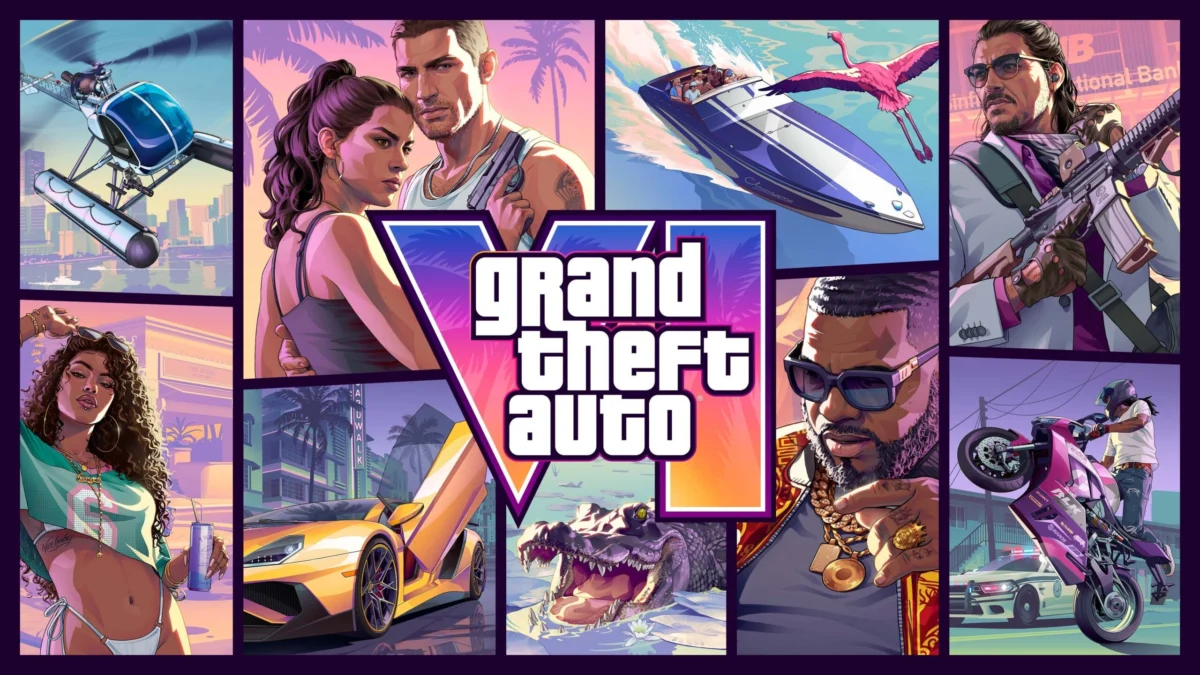
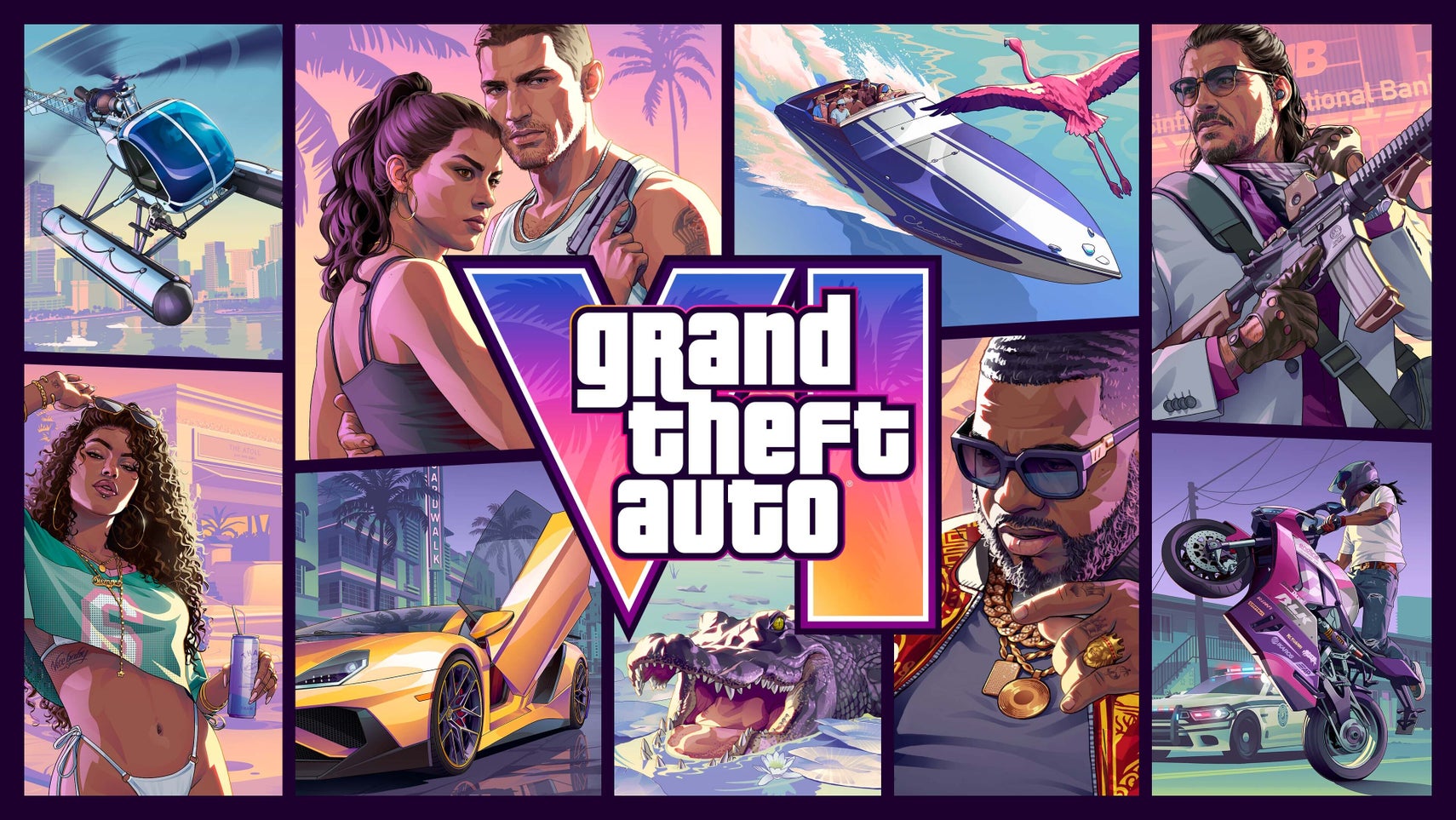
The long-awaited arrival of Grand Theft Auto 6 is officially upon us, but not without significant controversy. Rockstar Games has confirmed that the title will break the current industry standard pricing, launching at $79.99 for the standard edition. Perhaps more controversially, the studio has confirmed that physical retail versions of the game will not contain a disc, but rather a digital download code housed in a physical box.
As the gaming industry braces for what is arguably the most significant software launch in history, the implications of Rockstar’s pricing and distribution strategy are sending shockwaves through the market, forcing a re-evaluation of what players are willing to pay for "AAA+" experiences.
Main Facts: Pricing, Preorders, and Platform Availability
Rockstar Games has officially opened the floodgates for the next chapter in the Grand Theft Auto franchise. The base game is set to retail for $79.99 on both PlayStation 5 and Xbox Series X/S. Alongside the standard release, a $99.99 "Ultimate Edition" will be available, promising an "exclusive collection of premium vehicles, weapons, and apparel" that will integrate directly into the narrative journey of the game’s dual protagonists, Jason and Lucia.
Preorders for the title are scheduled to go live at midnight local time on June 25. For those eager to jump into the action the moment the servers go live, Rockstar has confirmed a preloading period beginning on November 12—a full week prior to the global launch on November 19. This proactive measure is intended to mitigate the inevitable server strain that occurs when millions of players attempt to download a massive open-world file simultaneously.
Furthermore, Rockstar is incentivizing early adoption. Preorders placed before November 20 will grant players access to the "Vintage Vice City Pack" and a complimentary one-month subscription to GTA+.
Chronology: The Road to the $80 Price Point
The journey to an $80 price tag for console software has been a slow, contentious crawl. For years, the $60 price point served as the industry "gold standard," remaining static from the mid-2000s through the late 2010s. However, as production budgets for flagship titles ballooned into the hundreds of millions, publishers began testing the waters.
- 2020: With the advent of the PlayStation 5 and Xbox Series X/S, major publishers began moving the base price of "next-gen" titles to $69.99.
- 2023: Microsoft toyed with the idea of pricing The Outer Worlds 2 at $80, a move that sparked immediate consumer backlash and led the company to backtrack to the $70 standard.
- 2024: Industry analysts began predicting that Rockstar, given its unparalleled market dominance, would be the company to finally normalize the $80 price point.
- June 2025: Rockstar officially confirms the $79.99 MSRP, effectively ending the era of the $70 cap for major AAA releases.
Supporting Data: The Economics of Ballooning Budgets
The move toward higher pricing is not merely a corporate cash grab; it is a direct response to the unsustainable trajectory of modern game development. As former PlayStation head Shawn Layden noted in a recent industry analysis, the "cost of construction" for high-fidelity, open-world games has reached a point where traditional profit margins are vanishing.
"If you’re going to spend over $200 million to build a game, your margins are super tight," Layden explained. "Unless you can expect to sell 25 million units, you are looking at a high risk of failure."
Rockstar Games exists in a unique stratosphere. While the average developer struggles to recoup a $100 million budget, GTA 5 has sold over 200 million copies, making it the most profitable entertainment product in history. By moving to $80, Rockstar is effectively insulating itself against the rising costs of labor, technology, and marketing, while simultaneously setting a precedent that other publishers—who lack Rockstar’s massive, guaranteed install base—will likely feel forced to follow.
The "Physical" Controversy: A Digital-Only Reality
Perhaps the most divisive aspect of the announcement is the nature of the physical product. With the standard edition containing only a digital download code, the industry has taken a definitive step away from physical media preservation.
Critics argue that this move disenfranchises collectors and those with limited internet bandwidth, who rely on physical discs to install games without massive day-one downloads. However, from a logistical standpoint, the move is clear: by eliminating the cost of manufacturing, shipping, and distribution of physical discs, Rockstar maximizes its profit margins on every unit sold. This "digital-in-a-box" strategy is becoming increasingly common, but its implementation by the industry leader signals a point of no return for the retail sector.
Implications: A Market in Disarray
The shadow of GTA 6 is so large that it is actively distorting the rest of the gaming calendar. Publishers across the industry have spent the last twelve months adjusting their release schedules to avoid a direct collision with the November launch.
The resulting "pile-up" of releases in September and October 2025 has left the market feeling compressed. Developers are scrambling to find a "safe" window, knowing that once November 19 arrives, the attention of the entire gaming world will be locked onto Vice City.
Server Stability and Digital Infrastructure
The concern regarding the November 12 preload date is not unfounded. The industry is still haunted by the memory of the Hollow Knight: Silksong launch, which saw digital storefronts across Nintendo, PlayStation, and Xbox collapse under the weight of concurrent requests. Given that the GTA 6 install size is expected to be unprecedented, the burden on global bandwidth and server infrastructure will be a massive test for Sony, Microsoft, and Rockstar’s own social club network.
The Future of Pricing
Will other publishers follow suit? History suggests they will. If Rockstar can maintain its sales velocity at $80, the "$80 Standard" will quickly become the new baseline for all major AAA titles by 2026. This will inevitably increase the barrier to entry for the average consumer, potentially leading to a market where players are even more selective, further favoring massive, established franchises over experimental or mid-budget titles.
Conclusion: A New Chapter
Grand Theft Auto 6 is more than just a game; it is an economic event. By recalibrating the price of entry and shifting the nature of physical ownership, Rockstar is asserting its power to define the rules of the gaming landscape. As June 25 approaches, players are left to decide whether the prestige of the GTA brand justifies the rising cost, or if this marks the beginning of a cooling-off period for the most expensive hobby in entertainment.
Whether the gamble pays off will be determined in the coming months, but one thing is certain: after November 19, the gaming industry will never be the same.


 Laily UPN
 Evan Lee Salim